() ·

A painting made for you, by hand

Triptych

Ručne maľovaná olejová reprodukcia

Ručne maľovaný olej na plátne vo vašej zvolenej veľkosti a v ráme, vyrobený na mieru našimi umelcami. ( Prepnúť na tlač Prepnúť na digitálny obraz)

Popis zberateľského predmetu

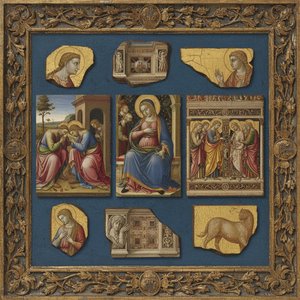
Tento nádherný triptych od Duccia di Buoninsegnu predstavuje úsvit talianskej umeleckej vízie, spájajúci byzantské vplyvy s naturalizmom. S obrazmi Narodenia a pannou Máriou je to nesmiely majstrovské dielo.

Biografia umelca

Duccio di Buoninsegna (1255-1319) bol významný taliansky maliar, zakladateľ sienskej školy. Jeho diela, ako Maestà a Rucellajská Madona, sú príkladmi gotického umenia s výraznou ľudskosťou a inovatívnymi prvkami.

from ·

Chapter 1

How large should it be?

Slide to change the size; the picture on the left shows the frame at its real width. The proportions of the original are kept.

Štandardné
na mieru
CM
INCH

Vyberte si z našich preddefinovaných rozmerov, ktoré zodpovedajú pôvodným pomeroḿ diela.

šírka
výška

Zadajte šírku a výšku, ktoré potrebujete, aby sa dielo hodilo k vášmu rámu alebo stene. Keďže ide o ručnú maľbu, pri rozmeroch s odlišným pomerom strán môže umelec namalovať o niečo viac okolo obrázka alebo ho mierne orezatú — výber patrí vám. Pred začatím maľovania vám pošleme digitálnu ukážku na schválenie. Obrázok zobrazený na tejto stránke nenahrádza reálny výsledok — ten zobrazuje iba digitálna ukážka.

Chapter 2

How should it arrive?

Choose the edges of the stretched canvas

Choose your frame

Corner sample of the WhiteWrap canvas edge finish, stretched on masívne drevo bars
White €1
Corner sample of the BlurSideWrap canvas edge finish, stretched on masívne drevo bars
Blurside €1
Corner sample of the ExtendedWrap canvas edge finish, stretched on masívne drevo bars
Extended €1
Corner sample of the P118B picture frame: lisovaný polystyrén, 5 cm wide and 3 cm thick
P118B €10
Corner sample of the P118H picture frame: lisovaný polystyrén, 5 cm wide and 3 cm thick
P118H €10
Corner sample of the P118W picture frame: lisovaný polystyrén, 5 cm wide and 3 cm thick
P118W €10
Corner sample of the P438Z picture frame: lisovaný polystyrén, 5.5 cm wide and 3.5 cm thick
P438Z €10
Corner sample of the P508JH picture frame: lisovaný polystyrén, 7 cm wide and 3.5 cm thick
P508JH €12
Corner sample of the P508YH picture frame: lisovaný polystyrén, 7 cm wide and 3.5 cm thick
P508YH €12
Corner sample of the P805H picture frame: lisovaný polystyrén, 5 cm wide and 3.5 cm thick
P805H €10
Corner sample of the P805Z picture frame: lisovaný polystyrén, 5 cm wide and 3.5 cm thick
P805Z €10
Corner sample of the P919BZ picture frame: lisovaný polystyrén, 7 cm wide and 3.5 cm thick
P919BZ €10
Corner sample of the P919G picture frame: lisovaný polystyrén, 7 cm wide and 3.5 cm thick
P919G €10
Corner sample of the P919XJ picture frame: lisovaný polystyrén, 7 cm wide and 3.5 cm thick
P919XJ €10
Corner sample of the P959ZH picture frame: lisovaný polystyrén, 5 cm wide and 3 cm thick
P959ZH €10
Corner sample of the P968JZ picture frame: lisovaný polystyrén, 6 cm wide and 4 cm thick
P968JZ €12
Corner sample of the W106C picture frame: masívne drevo, 5 cm wide and 3 cm thick
W106C €8
Corner sample of the W218G picture frame: masívne drevo, 5 cm wide and 3 cm thick
W218G €10
Corner sample of the W218JH picture frame: masívne drevo, 5 cm wide and 3 cm thick
W218JH €8
Corner sample of the W218Y picture frame: masívne drevo, 5 cm wide and 3 cm thick
W218Y €10
Corner sample of the W307PJ picture frame: masívne drevo, 6 cm wide and 3 cm thick
W307PJ €10
Corner sample of the W316G picture frame: masívne drevo, 6 cm wide and 3 cm thick
W316G €10
Corner sample of the W316PJ picture frame: masívne drevo, 6 cm wide and 3 cm thick
W316PJ €8
Corner sample of the W316Y picture frame: masívne drevo, 6 cm wide and 3 cm thick
W316Y €10
Corner sample of the W398PJ picture frame: masívne drevo, 5 cm wide and 3 cm thick
W398PJ €8
Corner sample of the W4111J picture frame: masívne drevo, 6.5 cm wide and 3.5 cm thick
W4111J €10
Corner sample of the W500HY picture frame: masívne drevo, 7 cm wide and 5 cm thick
W500HY €15
Corner sample of the W500JH picture frame: masívne drevo, 7 cm wide and 5 cm thick
W500JH €15
Corner sample of the W692G picture frame: masívne drevo, 8 cm wide and 4 cm thick
W692G €12
Corner sample of the W849H picture frame: masívne drevo, 5 cm wide and 3 cm thick
W849H €8
Corner sample of the W940BG picture frame: masívne drevo, 7.5 cm wide and 4.5 cm thick
W940BG €15
Corner sample of the W953PJ picture frame: masívne drevo, 6 cm wide and 3.5 cm thick
W953PJ €8
Corner sample of the H24-GOLD picture frame: řezané drevo s gessom, 10 cm wide and 6 cm thick
H24-GOLD €30
Corner sample of the H24-SILVER picture frame: řezané drevo s gessom, 10 cm wide and 6 cm thick
H24-SILVER €30
Corner sample of the H36-GOLD picture frame: řezané drevo s gessom, 15 cm wide and 6.5 cm thick
H36-GOLD €45
Corner sample of the H36-SILVER picture frame: řezané drevo s gessom, 15 cm wide and 6.5 cm thick
H36-SILVER €45
Náhľad v ráme
V rámoch

Moulding: . Overall size with the frame: .

Chapter 3

Who paints it, and should anything change?

Examples of what can be changed: Replace face with customer photo; Add pet (e.g., replace cat with dog); Include hidden message in background; Change background landscape or elements.
After order, OriginalUniqueArt.com team will email client for instructions and provide a mockup preview

Celosvetová doprava () za 3 až 4 týždne namiesto štandardných 5 týždňov. (1 november). Bez kompromisov v kvalite.

Chapter 4

The finishing touches

A nameplate, as in a museum?

Detaily vygravírovaného bronzového pláka

This elegant plaque features the artist's name and the title of the artwork, finely engraved for a timeless presentation.

It is made from bronze with a refined, elegant finish. The text is precisely laser-engraved for a sharp and permanent result. Measuring 9x2 cm, the plaque is compact yet easy to read. It's built to be durable and scratch-resistant, offering a professional, museum-quality look. Mounting is simple thanks to the included adhesive backing.

Detaily transparentnej akrylovej plăty

The plaque includes essential engraved details such as the artist's name, the title of the artwork, the date it was created, the type of media used-like oil on canvas or watercolor-a brief description of the piece, and a QR code that links to the complete artwork information.

It is crafted from clear acrylic, offering a sleek, modern appearance. The text is UV-engraved in black to ensure strong visual contrast. With a size of 10x15 cm, it ensures optimal readability. It comes equipped with two metal hooks for secure wall mounting. The plaque is designed to be weather-resistant, making it suitable for various environments, and it includes interactive features that work seamlessly with smartphone scanning.

Detaily čiernej akrylovej plăty

This elegant plaque includes engraved information such as the artist's name, the title of the artwork, the date it was created, the type of media used (like oil on canvas or watercolor), a short description of the artwork, and a QR code for quick access to more information.

The plaque itself is made from refined black acrylic with a premium finish. The text is laser-engraved in white for high contrast and readability. Its size is 10x15 cm, designed to be easy to read. It comes with two metal hooks for professional mounting. The design is sleek and fits any interior style. It is also weather-resistant and durable, with built-in digital integration for mobile compatibility.

A protective varnish?

When do you need it?

Chapter 5

Your painting, as you ordered it

Triptych

Technika reprodukcie

Veľkosť reprodukcie

-

Výborne skúsený umelec

Viac detailov, jemnosti a dodatočného času na výrobu

-

Rámovanie reprodukcie

-

-

V prípade umeleckých diel alebo reprodukcií, ktorých ktorákoľvek strana je väčšia ako 105 cm (cca 41 palcov), sa rám dodáva v rozloženom stave ako sada. Táto metóda zabezpečuje bezpečnú доставu a chráni pred poškodením počas prepravy.

Vyžaduje sa odborná montáž – toto nie je produkt na vlastnú prípravu (DIY).
Sada musí byť zmontovaná a plátno napnuté skúseným profesionálnym rámovaníkom, s použitím drevárneho lepidla (nie je súčasťou sady), klieš na napínanie plátna a svoriek na udržanie prav角的 rámov počas schnutia lepidla. Nesprávna montáž alebo nerovnomerné napnutie plátna môže trvalo poškodiť umelecké dielo, čo nie je kryté našou zárukou.

  • Všetky lišty z masívneho dreva sú súčasťou balenia, presne narezané na mieru.

  • Montuje sa pomocou súčasťou balenia dodaných skrutiek, plus drevolepu na spoje v rohoch, ktorý nie je súčasťou balenia a musí si ho zabezpečiť váš montážnik.

  • Vyžadujú sa profesionálne nástroje, ktoré nie sú súčasťou sady: kliešte na napínanie plátna (napínací nástroj) a svorky na udržanie pravých uhlov rámov počas schnutia lepidla.

Dôležité:
Spoje v rohoch si vyžadujú lepidlo na drevo, tyče je potrebné upevniť pomocou svoriek, kým lepidlo úplne newyschne, a napnutie plátna na zostavený rám si vyžaduje klieže na napínanie plátna. Žiadna z týchto pomôcok nie je súčasťou sady. Pred objednaním tejto veľkosti si, prosím, zabezpečte skúseného odborníka na zakladanie rámov.

Popisné označenie

-

-

Ochranný lak

Lesklý lak (zvýrazňuje farby, chráni pred svetlom a vlhkosťou)

-

Prispôsobiť moje dielo

Príklady možností úprav: nahradenie tváre vlastnou fotografiou; pridanie domáceho zvieraťa (napr. nahradenie mačky psom); vloženie skrytého odkazu do pozadia; zmena krajiny alebo prvkov v pozadí.

-

Prioritné doručenie

Celosvetová doprava () za 3 až 4 týždne namiesto štandardných 5 týždňov. (1 november). Bez kompromisov v kvalite.

-

Rýchle doručenie

Celosvetová doprava do za 5 týždňov. (8 november).

V cene

Celková cena

€ 267

Celková cena € 267

Možnosť skla je dostupná len pri rozmeroch pod 110 cm

Included with every order

  • Bezplatná expresná doprava po celom svete
  • Vysokokvalitné lnianske plátno
  • Kompletné poistenie prepravy
  • Záruka vrátenia colného poplatku
  • Záruka presného farebného zhodnutia
  • 100-dená politika vrátenia tovaru (iba pri vadách)
  • 100% záruka vrátenia peňazí
  • Zľava pri väčšom množstve

Okno do stredovekej pobožlivosti: Preskúmavanie Ducciho Triptychu

Ducciho „Triptych“, dokončený okolo roku 1300, presahuje hranice bežnej zobrazenosti; je zhmotnením duchovného žiaru svojej doby a predstavuje jeden z pilierov sienskej gotickej umeleckej školy. Vytvorené v období poznačenom hlbokou náboženskou kontempláciou – v čase, keď rastúci vplyv Dominikánskeho pevnúctva reformoval pobožnosť v celej Európe – toto monumentálne dielo ponúka pohľad do umeleckého citu, ktorý definoval skoré štrnásťte storočie. Viac než len esteticky príjemné, ide o starostlivo vytvorený príbeh navrhnutý tak, aby vyvolal úžas a podниútil k zamysleniu.

Byzantské echa: Štýl a technika

Napriek svojmu výrazne gotickému charakteru – čo je zrejmé v prekrásnych oblúkoch sienskeho katedrály, kde sa dielo nachádza – si „Triptych“ zachováva nezamiteľné stopy byzantskej umeleckej tradície. Ducciho majstrovské použitie tempery na drevenom paneli demonštruje méticulnú pozornosť k detailu, typickú pre byzantskú ikonografiu. Lśniace zlaté listovanie zdobiace stredné panely – mimoriadne výrazné v scéne „Maestá“, zobrazujúcej korunovnú Máriu Ježišom – vytvára éterický žiarič, ktorý podčiarkuje zobrazenú božskú majestátnosť. Táto technika uprednostňuje vrstvenie polopriečne glazúr nad pigment, čím dosahuje pozoruhodnú hĺbku a svetlosť, čo predstavuje zámerný odklon od plochých povrchov preferovaných skoršou románskou umeleckou formou. Umelecká precíznosť tvorcu hovorí jasným hlasom o dôležitosti, akú sa prikladalo odovzdaniu duchovnej pravdy prostredníctvom vizuálnej reprezentácie.

Príbeh viery: Symbolika a kompozícia

Kompozícia triptychu je zámerne štruktúrovaná tak, aby viedla zrak diváka a zrkadlila samotnú púť viery. Každý panel odhaľuje kľúčovú udalosť z príbehu Narodenia Pána. Stredný panel ukazuje Máriu, ktorá drží Ježiša vo svojom náručí – gesto symbolizujúce božské matstvo a Kristovo povýšenie do nebes"); . Máriu obklopujú anjeli, ktorí symbolizujú Božiu milosť a ochranu, zatiaľ čo svätý Dominik a svätá Aurea – uctievané svätci spojení s pobožnosťou a oddanosťou – vystupujú ako svedkovia tohto posvätného udalosti. Ľavý panel zobrazuje Jozefa, ako predstavuje Ježiša pastiarom, čo predstavuje pokoru a poslušnosť voči božskej opatrovateľnosti. Pravý panel portrétuje Máriu dojúc Ježiša – dojímavý zobrazením materskej lásky a symbolickej výživy Eukaristie. Každý prvok prispieva k jednotnému vizuálnemu jazyku, ktorý je hlboko ponorený v kresťanskej symbolike.

Historický kontext: Siena a gotická obnova

Siena počas Ducciho života zažívala renesanciu gotických umeleckých ideálov, poháňanú pápežskou patronátom a obnoveným záujmom o európske pútnické trasy. Samotná katedrála – dôkaz architektonickej ambície – sa stala centrom umeleckých inovácií. Ducciho „Triptych“ nebol len prostým odrazom vtedajších trendov; aktívne sa podieľal na ich formovaní. Predstavuje kľúčový krok od stylizovaného formalizmu románskeho umenia smerujúci k väčšiemu naturalizmu a emocionálnej vyjadrivosti – vlastnostiam, ktoré budú charakterizovať nasledujúce gotické majstrovské diela.

Emocionálna rezonancia: Zachytenie božskej milosti

V konečnom dôsledku sa „Triptychu“ podarilo vyjadriť dojímavý pocit duchovného pokoja a úcty. Ducciho zručná interpretácia ľudských postav – najmä Márie – zachytáva jemnosť a súcit, ktoré sú neoddeliteľné od materskej lásky. Lśniace zlaté listovanie imbueuje dielo hmatateľnou aurou svätosti, ktorá prenáša divákov do sféry mimo pozemských starostí. Je to dielo, ktoré pozýva k kontemplácii a pripomína nám neochabnú silu viery – nadčasové majstrovské dielo určené na inšpiráciu generácií milovníkov umenia.

Otázky a odpovede

Do ktorého obdobia tvorby Duccio di Buoninsegna patrí dielo „Triptych“?

V rámci kariéry umelca Duccio di Buoninsegna spadá dielo „Triptych“ do obdobia Zrelé obdobie, čo umožňuje jeho porovnanie s ostatnými prácami tohto umelca.

Ako môžem získať digitálnu verziu diela „Triptych“ od Duccio di Buoninsegna?

„Triptych“ je k dispozícii ako stiahnutie digitálneho obrázka vo vysokom rozlíšení, ktorý si môžete zakúpiť priamo na jeho stránke Digitálna fotografia.

Patrí „Triptych“ od Duccio di Buoninsegna do verejnej domény?

Stav autorských práv pre „Triptych“ od Duccio di Buoninsegna: dielo je v stave v slobodnom prostredí – autorské práva vypršali. To určuje, či je možné voľne vytvárať reprodukcie tohto obrazu.

More about this painting

Náhľad v interiéri Zobraziť v AR Prepnúť na tlač Prepnúť na digitálny obraz Odoslať ako digitálnu kartu
Podrobnosti o dielo Príručka Pridať do obľúbených Stiahnuť obraz Podobné položky RTG skúška Prehliadanie diapozoje Q&A Štatistiky

In numbers

  • 1300the year it was painted
  • 29frames to choose from
  • standard sizes, in its own proportions
  • 5weeks to paint and deliver it
Duccio di Buoninsegna

Duccio di Buoninsegna

1255 - 1319, Taliansko

Quick facts about Duccio di Buoninsegna

  • Artistic Movement Or Style: Sieneská škola, Gotika
  • Artists Or Movements Influenced By This Artist: ['Sieneská škola']
  • Artists Who Influenced This Artist: ['Byzantská umenie']
  • Date Of Birth: c. 1255
  • Date Of Death: 1319
  • Full Name: Duccio di Buoninsegna
  • Nationality: Taliančania
  • Notable Artworks:
    • Maestà
    • Rucellajská Madona
  • Place Of Birth: Siena, Taliansko

Biografia umelca

The Sienese Luminary: Duccio di Buoninsegna and the Dawn of a New Italian Vision

Duccio di Buoninsegna, born in Siena around 1255, stands as a pivotal figure bridging the stylistic chasm between the Byzantine world and the burgeoning artistic sensibilities of Italy. While biographical details remain frustratingly scarce—the man himself often obscured by the brilliance of his art—his impact on the Sienese School and the trajectory of Italian painting is undeniable. He emerged during a period where religious iconography was deeply entrenched, yet a yearning for greater naturalism and emotional resonance was beginning to stir within artistic circles. Duccio wasn’t merely a painter; he was an innovator who dared to infuse sacred narratives with human feeling, subtly shifting the focus from rigid formality towards a more intimate connection between the divine and the earthly realm. His early training remains somewhat mysterious, though speculation suggests possible influences ranging from Florentine masters to direct exposure to Byzantine artistry—perhaps even travels to Constantinople itself. Whatever his formative experiences, they coalesced into a unique style that would define an era.

A Synthesis of Tradition and Innovation

Duccio’s artistic development wasn't a sudden rupture with the past but rather a graceful evolution. His initial works were deeply rooted in Byzantine conventions: the lavish use of gold leaf to evoke celestial light, stylized figures possessing an ethereal quality, and a meticulous attention to religious symbolism. These elements are clearly visible in his early panels, demonstrating a profound respect for established artistic traditions. However, even within these established parameters, Duccio began to subtly introduce elements that foreshadowed his later innovations. He experimented with spatial arrangements, hinting at depth where flatness had previously reigned supreme. His color palettes, while still vibrant and rich—reflecting the opulence of Byzantine art—gained a newfound subtlety and harmony. More importantly, he started imbuing his figures with a nascent sense of humanity—a gentle curve of the mouth suggesting a smile, a slight tilt of the head conveying contemplation. This wasn’t a rejection of Byzantine ideals but a refinement, an infusion of life into what had often been static representations. He skillfully blended tradition and innovation, creating a style that was both reverent and remarkably fresh. His work represents a crucial step in the evolution of Italian painting, moving away from purely symbolic depictions towards more expressive and emotionally engaging portrayals of religious subjects.

Masterpieces of Faith and Artistry

Two works stand as testaments to Duccio’s genius: the *Rucellai Madonna* (1285) and, most famously, the *Maestà* (1308-1311). The *Rucellai Madonna*, commissioned for a chapel in Florence, marked a significant departure from conventional Byzantine iconography. It was intended to be displayed prominently, showcasing the artist’s skill and attracting attention. While still adhering to traditional forms—the Virgin Mary is depicted with serene grace, surrounded by an angel—its composition, spatial organization, and depiction of the Virgin Mary and Child demonstrated a greater sense of naturalism and a more intimate portrayal of the divine mother. But it was the *Maestà*—a monumental altarpiece created for Siena Cathedral—that truly cemented Duccio’s legacy. This sprawling masterpiece comprises numerous panels depicting scenes from the life of the Virgin Mary and Christ, each one a miniature work of art in itself. The Maestà is not merely a collection of paintings; it's a visual narrative, unfolding with breathtaking detail and emotional depth. Duccio’s mastery of light and shadow, his ability to convey complex emotions through subtle gestures, and his innovative use of perspective all converge in this single, awe-inspiring work. It represents the culmination of his artistic development, showcasing his technical skill and his profound understanding of religious symbolism. Beyond these monumental pieces, works like *Polyptych No. 28* demonstrate his continued compositional skill and meticulous attention to detail.

Influences and Development

Duccio’s artistic journey was shaped by a complex interplay of influences. His early training undoubtedly involved exposure to Byzantine art, particularly the rich iconography and vibrant colors of Constantinople. However, he also encountered the burgeoning artistic trends in Florence, where naturalism and perspective were gaining prominence. The influence of Simone Martini, a prominent Sienese painter, is often noted, as is that of the Florentine masters. Some scholars suggest Duccio may have even traveled to Paris, absorbing the latest developments in Gothic painting. This synthesis of Byzantine tradition, Florentine innovation, and potentially Parisian influences resulted in a uniquely Sienese style—one characterized by its elegance, refinement, and emotional intensity. His work represents a bridge between these diverse artistic currents, shaping the course of Italian painting for generations to come.

A Lasting Legacy: Shaping the Future of Italian Art

Duccio di Buoninsegna’s influence extended far beyond his lifetime. He revolutionized Italian painting, paving the way for the development of the Sienese School—a distinct artistic tradition characterized by its elegance, refinement, and emotional intensity. His emphasis on naturalism, spatial depth, and human emotion directly impacted subsequent generations of artists, influencing not only those within Siena but also painters in Florence and beyond. While Giotto is often credited with initiating the Renaissance style, Duccio’s contributions were equally crucial, laying the groundwork for the artistic innovations that would define the 14th century and beyond. Despite facing financial hardships during his life, Duccio’s artistic legacy endures. His masterpieces continue to inspire awe and admiration, serving as a powerful reminder of the transformative power of art. He helped define the Trecento art movement, leaving an indelible mark on the history of Western painting. Today, his works can be found in prominent museums worldwide, offering glimpses into a world where faith, artistry, and human emotion converged with breathtaking beauty.

Základné informácie

  • Notable elements or techniques: Aplikácia zlatého listu
  • Influences: Byzantské umenie
  • Subject or theme: Panna Mária a Ježiš dieťa
  • Year: 1300
  • Artistic style: Realistické zobrazenie
  • Title: Triptych