

 Zobraziť v interiéri
 Odoslať
 Zdieľať
 Podrobnosti
 Príručka

 Stiahnuť
 Podobné položky
 RTG skúška
 Prehliadanie diapo\]
 Štatistiky
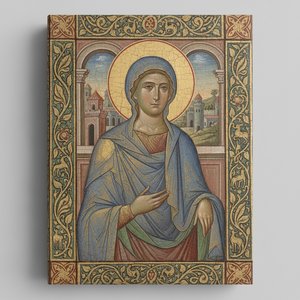
Maestà
 Tempera On Panel
- Italian Gothic
 1280
1280- Late Medieval
 218.0 x 118.0 cm
 Chiesa dei Servi
 Prečítať si viac
Giclée / Umenotlač
Giclée tlač alebo plátno múzeálnej kvality s rýchlou výrobou a rôznymi možnosťami povrchovej úpravy. ( Objednať ručne maľovanú reprodukciu Prepnúť na digitálnu verziu obrazu)




P118B $10

P118H $10

P118W $10

P438Z $10

P508JH $12

P508YH $12

P805H $10

P805Z $10

P919BZ $10

P919G $10

P919XJ $10

P959ZH $10

P968JZ $12

W106C $8

W218G $10

W218JH $8

W218Y $10

W307PJ $10

W316G $10

W316PJ $8

W316Y $10

W398PJ $8

W4111J $10

W500HY $15

W500JH $15

W692G $12

W849H $8

W940BG $15

W953PJ $8




Vyberte si z našich preddefinovaných rozmerov, ktoré zodpovedajú pôvodným pomeroḿ diela.

Môžete zadať vlastné rozmery, aby sa reprodukcia prispôsobila konkrétnemu rámu alebo priestoru. Ak zvolená veľkosť nebude zodpovedať proporciám originálu, dielo buď orežeme, alebo obraz rozšírime pomocou zrkadlenia či farebného doplnenia okrajov. Pred začatím výroby vám pošleme digitálnu ukážku na schválenie.
Máte na vedomí, že náhľad na obrazovke neodzrkadľuje skutočné orezanie alebo rozšírenie. Len digitálna ukážka presne zobrazí finálnu kompozíciu.
Hoci sú k dispozícii vlastné rozmery, pre zachovanie pôvodných proporcií odporúčame vybrať si rozmer z vopred definovaného zoznamu.
Celosvetová doprava () do 2 týždňov namiesto štandardných 4 až 5 týždňov. (25 september)

Bezplatná expresná doprava po celom svete

Vysokokvalitné lnianske plátno

Úplné poistenie prepravy

Záruka vrátenia colného poplatku

Záruka presného farebného zhodnutia

100-dená politika vrátenia tovaru (iba pri vadách)

100% záruka vrátenia peňazí

Ponuka množstevnej zľavy
 Možnosť skla je dostupná len pri rozmeroch pod 110 cm

Maestà
Giclée / Umenotlač
Veľkosť reprodukcie
-


Celková cena
$ 80
The Majesty of Siena: Duccio’s Pioneering Vision
Duccio di Buoninsegna's Maestà, completed around 1280 in Siena, stands as a monumental achievement—a cornerstone upon which the burgeoning artistic landscape of Tuscany would be built. More than just a depiction of Mary and Jesus; it represents a decisive break from Byzantine formalism, embodying a nascent humanist impulse that sought to elevate religious art beyond mere representation towards genuine emotional expression. The painting’s genesis coincided with a period of profound spiritual fervor within Christendom, yet Duccio refused to adhere to the conventions of his time, forging instead a path toward a more nuanced and psychologically resonant portrayal of sacred subjects.- Subject Matter & Composition: At its core lies an exquisitely rendered Virgin Mary cradling Jesus Child—a motif deeply rooted in Byzantine iconography—however Duccio’s genius resided in his masterful manipulation of spatial perspective and compositional balance. Unlike the flattened, stylized backgrounds characteristic of earlier works, Maestà employs a subtly receding horizon line, creating a sense of depth that draws the viewer into the scene. The positioning of Mary and Jesus at the center, flanked by two angels—one on each side—reinforces their divine majesty while simultaneously establishing a harmonious equilibrium.
- Style & Technique: Duccio’s stylistic innovations are immediately apparent in his use of tempera paint on panel—a technique favored for its luminosity and durability. He eschewed the laborious process of glazing, opting instead for meticulous layering of pigments to achieve astonishing textural detail. Observe particularly the drapery of Mary's robe; it flows with an unprecedented realism, conveying movement and volume that surpasses anything seen in Byzantine art. This deliberate departure from tradition signaled a crucial step toward naturalism—a desire to capture not just what was seen but also how it felt.
Historical Context & Influences
The Maestà emerged during Siena’s Golden Age, a period marked by civic pride and artistic patronage. The painting served as a powerful emblem of papal authority—commissioned by Pope Nicholas III—and reflected the broader theological concerns of the era: contemplation on divine grace and the incarnation of Christ. However, Duccio's vision wasn’t solely defined by its ecclesiastical purpose. He drew inspiration from Romanesque art, particularly frescoes in churches like San Giorgio Maggiore in Venice, demonstrating a willingness to engage with artistic precedents while simultaneously forging his own distinctive voice. The influence of Byzantine mosaics—particularly those adorning Hagia Sophia—is undeniable, yet Duccio skillfully transformed these stylistic elements into something wholly original.Symbolism & Emotional Resonance
Beyond its formal achievements, Maestà is laden with symbolic significance. Mary’s serene countenance embodies humility and compassion—qualities considered paramount in Christian piety. The angels represent divine guardianship and proclaim the glory of God. The inclusion of three additional figures—one at the top left corner, one at the bottom left corner, and one on the right side—adds to the painting's complexity, suggesting a broader cosmic narrative encompassing creation and redemption. Most powerfully, Maestà communicates an overwhelming sense of spiritual contemplation—a profound appreciation for beauty and grace that transcends mere visual representation. It invites viewers to immerse themselves in the divine presence, fostering feelings of reverence and awe.A Legacy Enduring Through Reproduction
Today, OriginalUniqueArt’s meticulously crafted reproductions capture the essence of Duccio’s Maestà—preserving its luminous colors, textural richness, and emotive power. Whether adorning a grand salon or gracing a smaller interior space, this iconic artwork continues to inspire admiration for its artistic brilliance and spiritual depth. Explore our collection now and experience the majesty of Siena firsthand.Biografia umelca
The Sienese Luminary: Duccio di Buoninsegna and the Dawn of a New Italian Vision
Duccio di Buoninsegna, born in Siena around 1255, stands as a pivotal figure bridging the stylistic chasm between the Byzantine world and the burgeoning artistic sensibilities of Italy. While biographical details remain frustratingly scarce—the man himself often obscured by the brilliance of his art—his impact on the Sienese School and the trajectory of Italian painting is undeniable. He emerged during a period where religious iconography was deeply entrenched, yet a yearning for greater naturalism and emotional resonance was beginning to stir within artistic circles. Duccio wasn’t merely a painter; he was an innovator who dared to infuse sacred narratives with human feeling, subtly shifting the focus from rigid formality towards a more intimate connection between the divine and the earthly realm. His early training remains somewhat mysterious, though speculation suggests possible influences ranging from Florentine masters to direct exposure to Byzantine artistry—perhaps even travels to Constantinople itself. Whatever his formative experiences, they coalesced into a unique style that would define an era.A Synthesis of Tradition and Innovation
Duccio’s artistic development wasn't a sudden rupture with the past but rather a graceful evolution. His initial works were deeply rooted in Byzantine conventions: the lavish use of gold leaf to evoke celestial light, stylized figures possessing an ethereal quality, and a meticulous attention to religious symbolism. These elements are clearly visible in his early panels, demonstrating a profound respect for established artistic traditions. However, even within these established parameters, Duccio began to subtly introduce elements that foreshadowed his later innovations. He experimented with spatial arrangements, hinting at depth where flatness had previously reigned supreme. His color palettes, while still vibrant and rich—reflecting the opulence of Byzantine art—gained a newfound subtlety and harmony. More importantly, he started imbuing his figures with a nascent sense of humanity—a gentle curve of the mouth suggesting a smile, a slight tilt of the head conveying contemplation. This wasn’t a rejection of Byzantine ideals but a refinement, an infusion of life into what had often been static representations. He skillfully blended tradition and innovation, creating a style that was both reverent and remarkably fresh. His work represents a crucial step in the evolution of Italian painting, moving away from purely symbolic depictions towards more expressive and emotionally engaging portrayals of religious subjects.Masterpieces of Faith and Artistry
Two works stand as testaments to Duccio’s genius: the *Rucellai Madonna* (1285) and, most famously, the *Maestà* (1308-1311). The *Rucellai Madonna*, commissioned for a chapel in Florence, marked a significant departure from conventional Byzantine iconography. It was intended to be displayed prominently, showcasing the artist’s skill and attracting attention. While still adhering to traditional forms—the Virgin Mary is depicted with serene grace, surrounded by an angel—its composition, spatial organization, and depiction of the Virgin Mary and Child demonstrated a greater sense of naturalism and a more intimate portrayal of the divine mother. But it was the *Maestà*—a monumental altarpiece created for Siena Cathedral—that truly cemented Duccio’s legacy. This sprawling masterpiece comprises numerous panels depicting scenes from the life of the Virgin Mary and Christ, each one a miniature work of art in itself. The Maestà is not merely a collection of paintings; it's a visual narrative, unfolding with breathtaking detail and emotional depth. Duccio’s mastery of light and shadow, his ability to convey complex emotions through subtle gestures, and his innovative use of perspective all converge in this single, awe-inspiring work. It represents the culmination of his artistic development, showcasing his technical skill and his profound understanding of religious symbolism. Beyond these monumental pieces, works like *Polyptych No. 28* demonstrate his continued compositional skill and meticulous attention to detail.Influences and Development
Duccio’s artistic journey was shaped by a complex interplay of influences. His early training undoubtedly involved exposure to Byzantine art, particularly the rich iconography and vibrant colors of Constantinople. However, he also encountered the burgeoning artistic trends in Florence, where naturalism and perspective were gaining prominence. The influence of Simone Martini, a prominent Sienese painter, is often noted, as is that of the Florentine masters. Some scholars suggest Duccio may have even traveled to Paris, absorbing the latest developments in Gothic painting. This synthesis of Byzantine tradition, Florentine innovation, and potentially Parisian influences resulted in a uniquely Sienese style—one characterized by its elegance, refinement, and emotional intensity. His work represents a bridge between these diverse artistic currents, shaping the course of Italian painting for generations to come.A Lasting Legacy: Shaping the Future of Italian Art
Duccio di Buoninsegna’s influence extended far beyond his lifetime. He revolutionized Italian painting, paving the way for the development of the Sienese School—a distinct artistic tradition characterized by its elegance, refinement, and emotional intensity. His emphasis on naturalism, spatial depth, and human emotion directly impacted subsequent generations of artists, influencing not only those within Siena but also painters in Florence and beyond. While Giotto is often credited with initiating the Renaissance style, Duccio’s contributions were equally crucial, laying the groundwork for the artistic innovations that would define the 14th century and beyond. Despite facing financial hardships during his life, Duccio’s artistic legacy endures. His masterpieces continue to inspire awe and admiration, serving as a powerful reminder of the transformative power of art. He helped define the Trecento art movement, leaving an indelible mark on the history of Western painting. Today, his works can be found in prominent museums worldwide, offering glimpses into a world where faith, artistry, and human emotion converged with breathtaking beauty.
Duccio di Buoninsegna
1255 - 1319 , Taliansko
Rýchle fakty
- Artistic Movement Or Style: Sieneská škola, Gotika
- Artists Or Movements Influenced By This Artist: ['Sieneská škola']
- Artists Who Influenced This Artist: ['Byzantská umenie']
- Date Of Birth: c. 1255
- Date Of Death: 1319
- Full Name: Duccio di Buoninsegna
- Nationality: Taliančania
- Notable Artworks:
- Maestà
- Rucellajská Madona
- Place Of Birth: Siena, Taliansko
Súvisiace články
Top 10 majstrovských diel protorenesancie: Umění, ktoré zmenilo svet | OriginalUniqueArt
Objavte 10 majstrovských diel protorenesancie – Giotto, Cimabue a ďalší. Ponorte sa do príbehov umenia, techník a farieb talianskej renesancie. Reprodukcie obrazov pre váš interiér na OriginalUniqueArt.com.
Late Medieval Masterpieces: 10 Artworks That Defined an Era | OriginalUniqueArt
Journey through 10 defining Late Medieval masterpieces – from Giotto's frescoes to Jan van Eyck’s realism. Explore the stories, techniques & vibrant colors of Gothic art. Find museum-quality reproductions and elevate your home decor with OriginalUniqueArt.com! Discover all masterpieces on OriginalUniqueArt.com
Top 25 diel Bienále di Venezia: Majstrovské kúsky pre váš domov | OriginalUniqueArt.sk
Objavte 25 ikonických diel Bienále di Venezia! Prežite príbehy slávnych umelcov a majstrovských obrazov. Reprodukcie pre váš domov s OriginalUniqueArt.sk – inšpirácia, dekorácie a múzejná kvalita online.
Giotto di Bondone: Top 25 majstrovských diel pre váš domov | OriginalUniqueArt.sk
Objavte top 25 majstrovských diel Giotta di Bondone! Fresky, renesančné obrazy a historické motívy plné emócií. Nájdite reprodukcie obrazov pre váš domov na OriginalUniqueArt.com – múzejná kvalita a inšpirácia pre interiérový dizajn.
Top 10 majstrovských diel tempery na dreve, ktoré zmenili svet umenia | OriginalUniqueArt
Objavte 10 legendárnych majstrovských diel tempery na dreve od Botticelliho, van Eycka a ďalších. Prežite príbeh umenia renesancie a gotiky! Reprodukcie obrazov pre luxusný interiér – OriginalUniqueArt.


