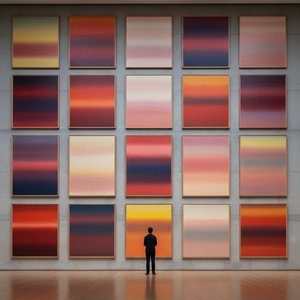
Thomson Red Sky
Ručne maľovaná olejová reprodukcia
Ručne maľovaný olej na plátne vo vašej zvolenej veľkosti a v ráme, vyrobený na mieru našimi umelcami.
P118B $10
P118H $10
P118W $10
P438Z $10
P508JH $12
P508YH $12
P805H $10
P805Z $10
P919BZ $10
P919G $10
P919XJ $10
P959ZH $10
P968JZ $12
W106C $8
W218G $10
W218JH $8
W218Y $10
W307PJ $10
W316G $10
W316PJ $8
W316Y $10
W398PJ $8
W4111J $10
W500HY $15
W500JH $15
W692G $12
W849H $8
W940BG $15
W953PJ $8
Vyberte si z našich preddefinovaných rozmerov, ktoré zodpovedajú pôvodným pomeroḿ diela.
Môžete zadať vlastné rozmery tak, aby sa hodili do konkrétneho rámu alebo priestoru. Ak sa váš zvolený rozmer nezhoduje s pôvodnými proporciami obrazu, dielo buď orezáme, alebo ho doplníme ručne maľovanými prvkami. Pred začiatkom výroby vám zašleme digitálny náhľad na schválenie.
Upozorňujeme, že ukážka na obrazovke neodráža skutočné orezanie alebo doplnenie. Skutočnú finálnu kompozíciu zobrazuje iba digitálny náhľad.
Hoci sú k dispozícii vlastné rozmery, odporúčame vybrať rozmer z preddefinovaného zoznamu, aby sme zachovali pôvodné proporcie.
Po odoslaní objednávky vám tím OriginalUniqueArt.com pošle e-mail s pokynmi a poskytne náhľad na návrh.
Celosvetová doprava () za 3 až 4 týždne namiesto štandardných 5 týždňov. (23 júl). Bez kompromisov v kvalite.
Bezplatná expresná doprava po celom svete
Prémiové lnianske plátno
Kompletné poistenie prepravy
Záruka vrátenia colného poplatku
Záruka presného farebného zhodnutia
60-dňá politika vrátenia (iba pri defektoch)
100% záruka vrátenia peňazí
Výhodná množstevná zľava
Thomson Red Sky
Technika reprodukcie
Veľkosť reprodukcie
-
Celková cena za vybrané možnosti
-
Popis diela
Thomson Red Sky: A Digital Echo of Canadian Landscape
Inspired by the iconic works of Emily Carr, the Group of Seven (G7) and Tom Thomson, Douglas Coupland’s “Thomson Red Sky” represents a fascinating intersection between artistic tradition and contemporary digital manipulation. The painting itself is deceptively simple—a vibrant expanse of crimson overlaid onto a flattened plane of textured linen—yet it encapsulates a profound meditation on Canadian identity and the evolving relationship between humanity and nature in the 21st century. Coupland’s approach wasn't merely replicating a familiar vista; he was actively interrogating its representation, questioning whether the very notion of “Canadianness” could still be anchored in the romanticized landscapes championed by earlier generations of artists.Conceptual Roots: Decoding the Geometric Language
Coupland’s artistic process began with sourcing degraded digital images of Canadian masterpieces—specifically landscapes painted by Tom Thomson and Emily Carr—from online archives. Recognizing the inherent limitations of capturing the essence of these artworks through traditional mediums, he adopted a bold strategy: employing a geometric language he had developed to reduce complex compositions into reductive planes of color. This technique deliberately distances itself from representational painting, prioritizing visual impact over literal accuracy. It’s a conscious decision to acknowledge that perception and memory are shaped by filters—the digital realm altering our understanding of the natural world just as it reshaped artistic expression.Color Palette & Texture: Crimson Resonance
The dominant hue—a rich, saturated crimson—is not chosen arbitrarily but carries significant symbolic weight. Crimson has historically been associated with passion, sacrifice, and spiritual fervor – themes frequently explored by Canadian artists grappling with questions of national heritage and cultural values. Coupland’s masterful use of acrylic paint on linen creates a tactile surface that contrasts sharply with the flatness of the color field. This textural element serves as a reminder of materiality—the tangible world against which the digital image is juxtaposed—further emphasizing the artwork's central concern: how we perceive and interpret our surroundings.Symbolism Beyond Representation
Beyond its chromatic considerations, “Thomson Red Sky” operates on multiple symbolic levels. The geometric shapes – particularly the prominent triangle – are deliberately abstracted, mirroring the fragmented nature of contemporary experience. They represent a deliberate rejection of illusionistic painting techniques, signaling Coupland’s desire to communicate ideas rather than simply depicting scenes. Furthermore, the artwork's title itself—a nod to Tom Thomson—references a pivotal figure in Canadian art history and embodies the enduring fascination with wilderness as a source of inspiration and identity.Emotional Impact & Artistic Legacy
Ultimately, “Thomson Red Sky” invites viewers to contemplate not just what we see but how we feel. The bold color palette evokes feelings of intensity and contemplation, prompting reflection on themes of heritage, memory, and the challenges facing Canada in an increasingly digitized world. Coupland’s work stands as a testament to the transformative potential of artistic innovation—demonstrating that even seemingly familiar subjects can be reimagined through new perspectives and techniques, ensuring their continued relevance for future generations.Biografia umelca
Douglas Coupland: Cartographer of Contemporary Culture
Douglas Coupland emerged onto the cultural landscape in the early 1990s, not simply as a novelist, but as a diagnostician of an era—a keen observer attuned to the subtle anxieties and contradictions simmering beneath the surface of Western society. Born on December 30, 1961, on a Canadian military base in Baden-Söllingen, Germany, his upbringing was marked by constant relocation, fostering within him a distinctive worldview shaped by exposure to diverse cultures and perspectives. This early experience instilled a profound sensitivity to change and an unwavering fascination with how individuals grapple with the complexities of their surroundings—a cornerstone of his artistic vision. While initially pursuing sculpture at Emily Carr College of Art and Design, Coupland swiftly realized that his true vocation lay not in crafting physical forms but in articulating the intangible textures of modern life through words and, subsequently, through a groundbreaking fusion of visual art and digital technology. He wasn’t merely reflecting culture; he was actively naming it, giving voice to unspoken feelings and anxieties—a mission that propelled him beyond literary pursuits into a prolific career spanning novels, short stories, non-fiction books, and screenplays.Early Life & Artistic Beginnings
Coupland's formative years instilled in him an inquisitive spirit and a fascination with visual storytelling. Growing up amidst military postings provided him with firsthand experience of displacement and adaptation—themes that would permeate his artistic output. His studies at Emily Carr College of Art and Design solidified his commitment to sculpture, honing his technical skills while nurturing his conceptual explorations. However, it was during his time in Hawaii studying Japanese business science that he encountered a transformative influence: the meticulous precision and aesthetic sensibilities of Zen Buddhism, which profoundly impacted his approach to composition and visual representation. This blend of influences—the restlessness of nomadic upbringing combined with Eastern philosophical contemplation—became an indelible mark on his artistic DNA.Generation X & Literary Breakthrough
Coupland’s literary debut arrived in 1991 with *Generation X: Tales for an Accelerated Culture*, a novel that instantly captured the zeitgeist of its time and cemented his reputation as a cultural commentator. More than just a narrative, it was a diagnostic tool—a carefully crafted portrait of young Americans navigating the disillusionment of late modernity. The term “McJob,” coined by Coupland, entered the lexicon, encapsulating the pervasive sense of precariousness and alienation characteristic of the era. Yet, *Generation X* wasn’t merely labeling a demographic; it was delving into the psychological landscape shaped by media saturation, consumerism, and technological advancement—a preoccupation that would define his subsequent work. The novel's stylistic innovation—incorporating cartoons and dictionary definitions alongside prose—demonstrated Coupland’s willingness to experiment with form and challenge conventional storytelling conventions.Visual Art: QR Codes & Beyond
Coupland swiftly transitioned into visual art, driven by a desire to express his ideas through alternative mediums. His artistic practice is remarkably diverse, encompassing painting, sculpture, photography, and design—all united by a consistent thematic thread: an interrogation of modern life’s contradictions and vulnerabilities. Perhaps most notably, he gained international acclaim for his series incorporating QR codes into paintings. These weren't merely decorative elements; they functioned as portals to hidden layers of meaning, inviting viewers to actively engage with the artwork through their smartphones—a testament to Coupland’s fascination with the intersection of art and technology. Beyond this innovative technique, his work frequently confronts profound themes of loss and mortality, exploring grief and remembrance with unflinching honesty. The Dead Grads Series, for example, is a poignant tribute to young lives tragically cut short, each painting bearing titles like “Gun,” “Car Crash,” and “Overdose”—powerful reminders of the fragility of existence.Sculptural Statements & Recognition
Coupland’s sculptural endeavors reflect his commitment to exploring form and materiality alongside conceptual ideas. *The Ice Storm*, a monumental steel structure commissioned for Vancouver International Airport, stands as a striking symbol of Canadian identity—a testament to resilience amidst environmental vulnerability. His mixed media collages, such as *God*, demonstrate his mastery of layering techniques and graphic design skills, incorporating symbolic elements like “Lord Jim” and a geometric “D” to create visually arresting compositions that invite multiple interpretations. These works are not simply aesthetic objects; they are intellectual puzzles—challenging viewers to contemplate complex issues surrounding memory, history, and the human condition. Coupland’s artistic vision has been recognized globally through exhibitions at prestigious venues like the Vancouver Art Gallery and the McMichael Canadian Art Collection, solidifying his position as one of Canada's most influential contemporary artists. He was appointed an Officer of the Order of Canada in 2013 and a member of the Order of British Columbia in 2014—honors reflecting his enduring contribution to Canadian culture and creativity.Dúglas Koupald
1961 - , Германия
Základné informácie
- Artistic Movement Or Style: Pop art, minimalism
- Artists Or Movements Influenced By This Artist: ['Žiadne']
- Artists Who Influenced This Artist:
- Pop Art
- Minimalism
- Date Of Birth: 30. december 1961
- Full Name: Douglas Campbell Coupland
- Nationality: Kanadský
- Notable Artworks:
- Generation X
- Shampoo Planet
- Life after God
- Place Of Birth: Baden-Söllingen, Nemecko


Možnosť skla je dostupná len pri rozmeroch pod 110 cm