

 Odoslať
 Zdieľať
 Podrobnosti o dielo

 Stiahnuť
 Podobné diela
 Prezentácia
 Stats
StatsSt George


 Zobraziť viac
Giclée / Umenotlač
Giclée tlač alebo plátno múzeálnej kvality s rýchlou výrobou a flexibilnými možnosťami povrchovej úpravy. ( Kúpiť ručne maľovaný obraz Switch to Digital Image)




































Vyberte si z našich preddefinovaných rozmerov, ktoré zodpovedajú pôvodným pomeroḿ diela.

Môžete zadať vlastné rozmery, aby sa reprodukcia prispôsobila konkrétnemu rámu alebo priestoru. Ak zvolená veľkosť nebude zodpovedať proporciám originálu, dielo buď orežeme, alebo obraz rozšírime pomocou zrkadlenia či farebného doplnenia okrajov. Pred začatím výroby vám pošleme digitálnu ukážku na schválenie.
Máte na vedomí, že náhľad na obrazovke neodzrkadľuje skutočné orezanie alebo rozšírenie. Len digitálna ukážka presne zobrazí finálnu kompozíciu.
Hoci sú k dispozícii vlastné rozmery, pre zachovanie pôvodných proporcií odporúčame vybrať si rozmer z vopred definovaného zoznamu.
Celosvetová doprava () do 2 týždňov namiesto štandardných 4/5 týždňov. (8 september)

Bezplatná expresná doprava po celom svete

Prémiové lnianske plátno

Kompletné poistenie prepravy

Záruka vrátenia colného poplatku

Záruka presného farebného zhodnutia

100-dená politika vrátenia tovaru (iba pri vadách)

100% záruka vrátenia peňazí

Výhodná množstevná zľava
 Možnosť skla je dostupná len pri rozmeroch pod 110 cm

St George
Giclée / Umenotlač
Veľkosť reprodukcie
-


Celková cena za vybrané možnosti
$ 80
A Testament to Faith and Form: Donatello’s *Saint George*
Donatello's *Saint George*, sculpted in 1416 during the nascent Renaissance, is more than just a marble statue; it’s a potent distillation of classical ideals interwoven with burgeoning humanist thought. Housed within the imposing niche of the Bargello Museum in Florence, this figure commands attention not merely through its scale – though its height is undeniably impressive – but through the profound sense of dignity and restrained power it embodies. The sculpture depicts Saint George slaying the dragon, a scene steeped in Christian symbolism and echoing the heroic narratives of antiquity. Donatello masterfully captures the moment of decisive action, yet avoids melodrama, presenting a portrait of resolute courage rather than outright violence.
The Sculptor’s Hand: Technique and Materials
Donatello's genius lies not just in his subject matter but in his unparalleled technical skill. Crafted from pristine white marble, the statue showcases an extraordinary command of material. The surface is remarkably smooth, achieved through meticulous polishing – a technique perfected by Donatello himself. Notice how he renders the folds of George’s drapery; they aren't simply decorative but sculpted with a deep understanding of fabric’s weight and movement. The musculature of the figure is rendered with anatomical precision, reflecting his study of classical sculpture and his commitment to representing the human form realistically. The subtle gradations in tone – achieved through careful carving and highlighting – create an illusion of volume and depth, bringing the statue to life. The choice of marble itself speaks volumes; its purity and luminosity enhance the sense of nobility and spiritual significance.
Symbolism and Narrative: A Medieval Icon
The story of Saint George is rich with symbolic meaning. He was martyred for his Christian faith, slaying a dragon that threatened the city of Silene in Egypt. This narrative resonated deeply within the medieval period, representing the triumph of good over evil, faith over heresy, and courage against overwhelming odds. Donatello’s depiction reinforces these themes. The dragon itself is not depicted as monstrous but rather as a formidable challenge to be overcome with unwavering resolve. George's stance – poised and determined – conveys a sense of righteous action. The inclusion of the lance and shield, symbols of Christian defense and faith, further solidifies the statue’s religious message. It’s important to note that this wasn’t simply a retelling of a biblical story; it was an embodiment of civic virtue and spiritual fortitude, values highly prized in Renaissance Florence.
A Bridge Between Eras: Donatello's Legacy
*Saint George* stands as a pivotal work in the transition from Gothic to Renaissance sculpture. While retaining elements of traditional Byzantine iconography – particularly in the stylized features and the emphasis on frontal presentation – it demonstrates a shift towards greater naturalism, anatomical accuracy, and psychological depth. Donatello’s influence can be seen in subsequent generations of sculptors, who drew inspiration from his innovative approach to depicting human form and emotion. His willingness to experiment with new techniques and subject matter paved the way for the High Renaissance masters. Studying *Saint George* offers a profound insight into the artistic currents shaping Florence during this transformative period – a moment when faith, classical ideals, and burgeoning humanist thought converged to create one of the most enduring legacies in Western art.
Biografia umelca
Early Life and Artistic Beginnings
Donato di Niccolò di Betto Bardi, universally known as Donatello, was born in Florence around 1386 – a date shrouded in some uncertainty, with records suggesting a range between 1382 and 1387. His origins were modest; his father, Niccolò, was a wool carder, a common profession within the burgeoning merchant class of Florence. This background, though not aristocratic, provided Donatello with an early exposure to the city’s vibrant artistic scene, as sculpture flourished alongside commerce. He received his initial training in stone carving, likely under the tutelage of a local sculptor – a typical path for young apprentices seeking their craft. Early influences were deeply rooted in the Gothic style prevalent at the time, but Donatello quickly demonstrated an innate desire to break free from its rigid conventions and explore new artistic horizons.Key Works and Innovative Techniques
Donatello’s most celebrated works represent a pivotal shift in Florentine sculpture, marking a transition towards the Renaissance ideals of humanism and naturalism. His *David*, initially commissioned by the Medici family, stands as a testament to this transformation. Unlike previous depictions of the biblical hero, which often portrayed him as an aged king, Donatello’s David is a youthful, muscular figure – a celebration of male beauty and strength. This daring departure from tradition immediately established Donatello's reputation for innovation. Other significant works include *St. Louis of Toulouse*, a bronze sculpture now housed in the Basilica di Santa Croce, showcasing his mastery of texture and detail; the dramatic *Sacrifice of Isaac*, created for the campanile of Santa Maria del Fiore, which features strikingly realistic portraiture within its narrative scene; and the poignant *Crucifix* (1425) for Santa Croce, a powerful depiction of Christ’s agony that resonated deeply with viewers. Donatello's artistic style evolved through distinct phases. Initially, his work reflected the expressive qualities and classical monumentality characteristic of the late Gothic period. However, he steadily developed a more personal and individualistic approach, characterized by heightened emotionality and a profound understanding of human anatomy. He pioneered techniques such as *rilievo schiacciato* – a flattened relief that created an illusion of depth – and employed meticulous detail to capture the nuances of human expression. His ability to imbue his sculptures with life and emotion was truly remarkable, setting him apart from his contemporaries.Influences and Artistic Connections
Donatello’s artistic development was shaped by a confluence of factors. The burgeoning humanist movement in Florence, which emphasized classical learning and secular values, profoundly influenced his thinking. He drew inspiration from ancient Roman sculpture, meticulously studying its forms and proportions. His collaboration with Filippo Brunelleschi, the architect of the Duomo, further broadened his artistic horizons. Brunelleschi’s innovative use of perspective and mathematical principles informed Donatello's approach to composition and spatial relationships. Furthermore, he was mentored by Lorenzo Ghiberti, a master sculptor whose workshop provided him with invaluable experience and exposure to diverse artistic styles.Legacy and Historical Significance
Donatello’s impact on the course of Western art is immeasurable. He is widely considered one of the most important sculptors of the Early Renaissance, and his innovations profoundly influenced generations of artists who followed. His *David* became a model for subsequent depictions of the biblical hero, while his emphasis on realism and emotional expression set a new standard for sculpture. Donatello’s work demonstrated that sculpture could be more than just decorative ornamentation; it could convey complex ideas, evoke powerful emotions, and celebrate the beauty and dignity of humanity. His legacy continues to inspire artists today, solidifying his place as one of the greatest sculptors in history.
Donatello
1386 - 1466 , Taliansko
Základné informácie
- Artistic Movement Or Style: Rána renesancia
- Artists Or Movements Influenced By This Artist: ['Taliansky renesans']
- Artists Who Influenced This Artist: ['Klasická socha']
- Date Of Birth: c. 1386
- Date Of Death: 1466
- Full Name: Donatello di Niccolò
- Nationality: Taliančania
- Notable Artworks:
- David
- St. Louis
- Sacríficio
- Place Of Birth: Florencia, Taliansko
Súvisiace články

Georges Seurat: Top 25 Majstrovských Diel pre Váš Domov | OriginalUniqueArt.com
Objavte top 25 diel Georges Seurata – majstra impresionizmu a pointilizmu. Prežite príbeh farieb, svetla a revolučného umenia s OriginalUniqueArt.com. Reprodukcie obrazov pre váš domov. Preskúmajte celú kolekciu online!

Georges Braque: Top 25 diel pre milovníkov umenia a luxusného interiéru
Ponorte sa do sveta Georges Braquea a jeho 25 ikonických diel! Objavte príbehy za kubistickými majstrovskými dielmi, impresionistické odtiene a revolučné techniky. Luxusné reprodukcie obrazov pre váš interiér na OriginalUniqueArt.com.
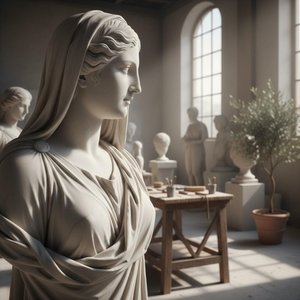
Timeless Elegance: A Complete Guide to the Sublime Beauty and Artistry of Marble Sculpture
Discover the sublime beauty of marble art through an expert exploration of Renaissance and Neoclassical masterpieces. From the delicate textures of Carpeaux to the grandeur of Sansovino, immerse yourself in a guide to timeless elegance and sculptural perfection.

The Enduring Allure of Marble in Art History: From Classical Sculpture to Modern Abstraction
Explore the captivating history of marble sculpture from ancient Greece to modern art. Discover renowned artists like Canova & Michelangelo, carving techniques, and investment insights at OriginalUniqueArt.

Top 10 Bronzových Sôch, ktoré Zmenili Umenie Navždy | OriginalUniqueArt
Objavte top 10 legendárnych bronzových sôch, ktoré zmenili umenie! Michelangelo, Rodin a ďalší majstri. História, techniky a nadčasová krása pre váš interiér. Reprodukcie múzejnej kvality na OriginalUniqueArt.com
