

 Odoslať
 Zdieľať
 Podrobnosti
 Príručka

 Stiahnuť
 Podobné položky
 Prehliadanie diapo\]
 Štatistiky
Old Sacristy


 Prečítať si viac
Ručne maľovaná olejová reprodukcia
Ručne maľovaný olej na plátne vo vašej zvolenej veľkosti a v ráme, vyrobený na mieru našimi umelcami. ( Prepnúť na tlač Prepnúť na digitálnu verziu obrazu)




































Vyberte si z našich preddefinovaných rozmerov, ktoré zodpovedajú pôvodným pomeroḿ diela.

Môžete zadať vlastné rozmery tak, aby sa hodili do konkrétneho rámu alebo priestoru. Ak sa váš zvolený rozmer nezhoduje s pôvodnými proporciami obrazu, dielo buď orezáme, alebo ho doplníme ručne maľovanými prvkami. Pred začiatkom výroby vám zašleme digitálny náhľad na schválenie.
Upozorňujeme, že ukážka na obrazovke neodráža skutočné orezanie ani doplnenie. Skutočnú finálnu kompozíciu zobrazuje iba digitálny náhľad.
Hoci sú k dispozícii vlastné rozmery, odporúčame vybrať rozmer z preddefinovaného zoznamu, aby sme zachovali pôvodné proporcie.
Po odoslaní objednávky vám tím OriginalUniqueArt.com pošle e-mail s pokynmi a poskytne náhľad na návrh
Celosvetová doprava () za 3 až 4 týždne namiesto štandardných 5 týždňov. (30 september). Bez kompromisov v kvalite.

Bezplatná expresná doprava po celom svete

Vysokokvalitné lnianske plátno

Úplné poistenie prepravy

Záruka vrátenia colného poplatku

Záruka presného farebného zhodnutia

100-dená politika vrátenia tovaru (iba pri vadách)

100% záruka vrátenia peňazí

Ponuka množstevnej zľavy
 Možnosť skla je dostupná len pri rozmeroch pod 110 cm

Old Sacristy
Spôsob reprodukcie
Veľkosť reprodukcie
-


Celková cena
€ 258
A Sanctuary of Geometric Grace
To step into the Old Sacristy within the Basilica of San Lorenzo is to leave the chaotic bustle of Florence behind and enter a realm of profound mathematical serenity. This sacred space, a masterpiece of the Early Renaissance, serves as a breathtaking dialogue between the architectural genius of Filippo Brunelleschi and the sculptural mastery of Donatello. It is not merely a chapel but a physical manifestation of humanist ideals, where the pursuit of divine truth is expressed through the perfection of geometry and the clarity of light. The atmosphere is one of quiet, ordered majesty, inviting both the devout worshiper and the modern admirer to contemplate the harmony between the earthly and the eternal.
The architectural soul of the sacristy is defined by a revolutionary rationalism. Moving away from the vertical, soaring complexities of the Gothic tradition, Brunelleschi utilized a square plan punctuated by a central dome to create a sense of grounded stability. Every element—from the ribs of the vaulted ceiling to the pilasters adorng the walls—follows precise mathematical ratios, specifically the 1:3 proportion. This deliberate use of symmetry creates a rhythmic visual flow that guides the eye upward, fostering a meditative state. The interplay of pietra serena, a muted grey stone, against the luminous white surfaces provides a sophisticated textural contrast that is as intellectually stimulating as it is visually soothing.
The Sculptural Narrative and Humanist Spirit
While Brunelleschi provided the rational skeleton of the space, Donatello breathed life into its very bones. The sacristy is adorned with sculptures that represent a pivotal moment in art history: the return to anatomical realism and classical dignity. His figures, such as St. Stephen and St. Lawrence, are not mere decorations but profound explorations of the human condition. Through painstaking observation, Donatello achieved a level of naturalism that allows the viewer to sense the weight, muscle, and spiritual gravity of each saint. These works embody the Renaissance spirit, where the study of the physical body became a way to honor the divine creation.
For the collector or interior designer, the Old Sacristy offers an unparalleled blueprint for creating spaces of prestige and contemplation. The aesthetic is characterized by a balanced palette of stone, light, and shadow, making it a timeless inspiration for high-end classical decor. A reproduction of this sacred interior brings with it a sense of historical weight and intellectual depth, perfect for those seeking to infuse their environments with the enduring elegance of the Florentine Renaissance. It is an invitation to surround oneself with the beauty of order, the strength of tradition, and the quiet power of sculptural excellence.
Biografia umelca
Early Life and Artistic Beginnings
Donato di Niccolò di Betto Bardi, universally known as Donatello, was born in Florence around 1386 – a date shrouded in some uncertainty, with records suggesting a range between 1382 and 1387. His origins were modest; his father, Niccolò, was a wool carder, a common profession within the burgeoning merchant class of Florence. This background, though not aristocratic, provided Donatello with an early exposure to the city’s vibrant artistic scene, as sculpture flourished alongside commerce. He received his initial training in stone carving, likely under the tutelage of a local sculptor – a typical path for young apprentices seeking their craft. Early influences were deeply rooted in the Gothic style prevalent at the time, but Donatello quickly demonstrated an innate desire to break free from its rigid conventions and explore new artistic horizons.Key Works and Innovative Techniques
Donatello’s most celebrated works represent a pivotal shift in Florentine sculpture, marking a transition towards the Renaissance ideals of humanism and naturalism. His *David*, initially commissioned by the Medici family, stands as a testament to this transformation. Unlike previous depictions of the biblical hero, which often portrayed him as an aged king, Donatello’s David is a youthful, muscular figure – a celebration of male beauty and strength. This daring departure from tradition immediately established Donatello's reputation for innovation. Other significant works include *St. Louis of Toulouse*, a bronze sculpture now housed in the Basilica di Santa Croce, showcasing his mastery of texture and detail; the dramatic *Sacrifice of Isaac*, created for the campanile of Santa Maria del Fiore, which features strikingly realistic portraiture within its narrative scene; and the poignant *Crucifix* (1425) for Santa Croce, a powerful depiction of Christ’s agony that resonated deeply with viewers. Donatello's artistic style evolved through distinct phases. Initially, his work reflected the expressive qualities and classical monumentality characteristic of the late Gothic period. However, he steadily developed a more personal and individualistic approach, characterized by heightened emotionality and a profound understanding of human anatomy. He pioneered techniques such as *rilievo schiacciato* – a flattened relief that created an illusion of depth – and employed meticulous detail to capture the nuances of human expression. His ability to imbue his sculptures with life and emotion was truly remarkable, setting him apart from his contemporaries.Influences and Artistic Connections
Donatello’s artistic development was shaped by a confluence of factors. The burgeoning humanist movement in Florence, which emphasized classical learning and secular values, profoundly influenced his thinking. He drew inspiration from ancient Roman sculpture, meticulously studying its forms and proportions. His collaboration with Filippo Brunelleschi, the architect of the Duomo, further broadened his artistic horizons. Brunelleschi’s innovative use of perspective and mathematical principles informed Donatello's approach to composition and spatial relationships. Furthermore, he was mentored by Lorenzo Ghiberti, a master sculptor whose workshop provided him with invaluable experience and exposure to diverse artistic styles.Legacy and Historical Significance
Donatello’s impact on the course of Western art is immeasurable. He is widely considered one of the most important sculptors of the Early Renaissance, and his innovations profoundly influenced generations of artists who followed. His *David* became a model for subsequent depictions of the biblical hero, while his emphasis on realism and emotional expression set a new standard for sculpture. Donatello’s work demonstrated that sculpture could be more than just decorative ornamentation; it could convey complex ideas, evoke powerful emotions, and celebrate the beauty and dignity of humanity. His legacy continues to inspire artists today, solidifying his place as one of the greatest sculptors in history.
Donatello
1386 - 1466 , Taliansko
Rýchle fakty
- Artistic Movement Or Style: Rána renesancia
- Artists Or Movements Influenced By This Artist: ['Taliansky renesans']
- Artists Who Influenced This Artist: ['Klasická socha']
- Date Of Birth: c. 1386
- Date Of Death: 1466
- Full Name: Donatello di Niccolò
- Nationality: Taliančania
- Notable Artworks:
- David
- St. Louis
- Sacríficio
- Place Of Birth: Florencia, Taliansko
Súvisiace články

Top 10 Bronzových Sôch, ktoré Zmenili Umenie Navždy | OriginalUniqueArt
Objavte top 10 legendárnych bronzových sôch, ktoré zmenili umenie! Michelangelo, Rodin a ďalší majstri. História, techniky a nadčasová krása pre váš interiér. Reprodukcie múzejnej kvality na OriginalUniqueArt.com

Top 10 Bronzových Majstrovských Diel, ktoré Zmenili Umění Navždy | OriginalUniqueArt
Objavte top 10 legendárnych bronzových majstrovských diel, ktoré zmenili umenie navždy! Rodin, Michelangelo a ďalší. Prežite príbehy slávnych sôch a nájdite inšpiráciu pre váš interiér na OriginalUniqueArt.com.

The Enduring Form: Sculpture Across History, Technique & Emotional Resonance
Explore the rich history of sculpture with OriginalUniqueArt. Discover key techniques, influential artists & investment potential for discerning collectors. Expert insights into valuing and collecting timeless masterpieces.

The Enduring Form: Exploring Themes & Techniques in Sculpture Across Historical Periods
Explore the rich history of sculpture from ancient masterpieces to contemporary innovations. Discover key techniques, influential artists & investment potential for discerning art collectors.
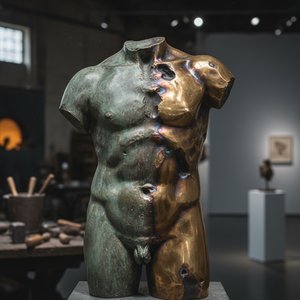
Trvalé dedičstvo bronzovej plastiky: História, techniky a súčasné interpretácie
Objavte trvalé dedičstvo bronzovej plastiky! História, techniky liatia, význam Kremnickej školy a súčasné trendy. Pre zberateľov a nadšencov umenia.
