
 Zobraziť v interiéri
 Odoslať
 Zdieľať
 Podrobnosti
 Príručka

 Stiahnuť
 Podobné položky
 RTG skúška
 Prehliadanie diapo\]
 Štatistiky
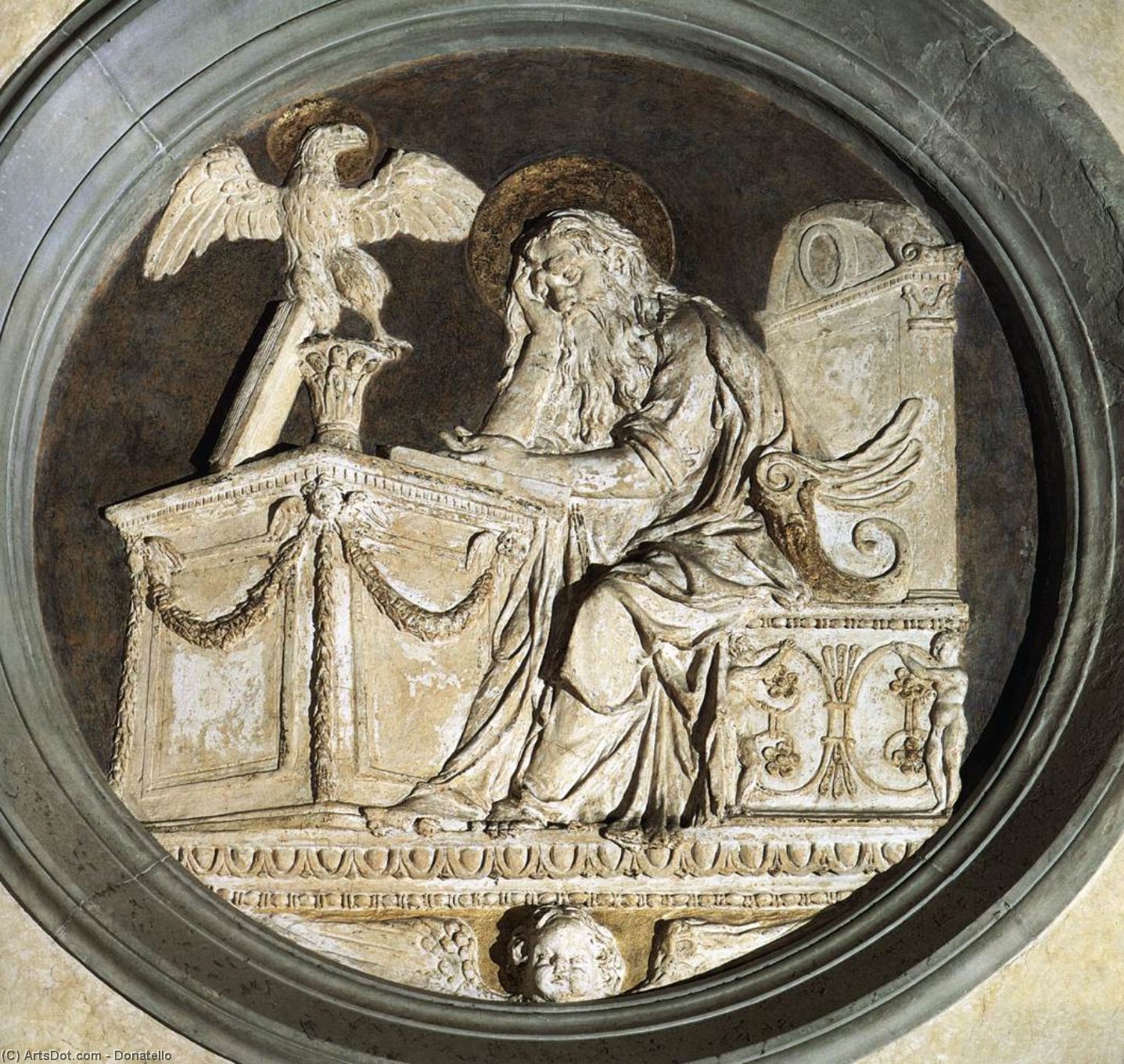
Evangelist John
 Painting
- Early Italian Renaissance
 1428
1428- Renaissance
 215.0 x 215.0 cm
 Prečítať si viac
Ručne maľovaná olejová reprodukcia
Ručne maľovaný olej na plátne vo vašej zvolenej veľkosti a v ráme, vyrobený na mieru našimi umelcami. ( Prepnúť na tlač Prepnúť na digitálnu verziu obrazu)




P118B €10

P118H €10

P118W €10

P438Z €10

P508JH €12

P508YH €12

P805H €10

P805Z €10

P919BZ €10

P919G €10

P919XJ €10

P959ZH €10

P968JZ €12

W106C €8

W218G €10

W218JH €8

W218Y €10

W307PJ €10

W316G €10

W316PJ €8

W316Y €10

W398PJ €8

W4111J €10

W500HY €15

W500JH €15

W692G €12

W849H €8

W940BG €15

W953PJ €8




Vyberte si z našich preddefinovaných rozmerov, ktoré zodpovedajú pôvodným pomeroḿ diela.

Zadajte šírku a výšku, ktoré potrebujete, aby sa dielo hodilo k vášmu rámu alebo stene. Keďže ide o ručnú maľbu, pri rozmeroch s odlišným pomerom strán môže umelec namalovať o niečo viac okolo obrázka alebo ho mierne orezatú — výber patrí vám. Pred začatím maľovania vám pošleme digitálnu ukážku na schválenie. Obrázok zobrazený na tejto stránke nenahrádza reálny výsledok — ten zobrazuje iba digitálna ukážka.
Po odoslaní objednávky vám tím OriginalUniqueArt.com pošle e-mail s pokynmi a poskytne náhľad na návrh
Celosvetová doprava () za 3 až 4 týždne namiesto štandardných 5 týždňov. (22 október). Bez kompromisov v kvalite.

Bezplatná expresná doprava po celom svete

Vysokokvalitné lnianske plátno

Úplné poistenie prepravy

Záruka vrátenia colného poplatku

Záruka presného farebného zhodnutia

100-dená politika vrátenia tovaru (iba pri vadách)

100% záruka vrátenia peňazí

Ponuka množstevnej zľavy
 Možnosť skla je dostupná len pri rozmeroch pod 110 cm

Evangelist John
Spôsob reprodukcie
Veľkosť reprodukcie
-


Celková cena
€ 262
The Painting's Significance
The Evangelist John painting is made from stucco and measures 215 x 215 cm. It is a significant work of art that showcases Donatello's exceptional skill and artistic vision. The painting depicts the story of John the Evangelist, one of the twelve apostles of Jesus Christ. The scene takes place in front of a window, which adds depth and lighting to the composition. Key elements of the painting include the old man sitting at a desk with a bird on his shoulder, the chair located near the desk, and another chair seen further back in the room. The presence of these birds adds a sense of life and movement to the otherwise static composition. For more information on Donatello's works, visit Donatello: Evangelist John.Artistic Style and Influence
Donatello's artistic style was influenced by the Early Italian Renaissance Art Movement. This movement marked the beginning of the Renaissance era, which saw a renewed interest in classical Greek and Roman culture. Donatello's works, including the Evangelist John painting, are characterized by their exceptional detail and precision.- The use of stucco as a medium adds a unique texture to the painting.
- The composition is well-balanced, with a clear focus on the main subject.
- The presence of birds adds a sense of life and movement to the scene.
The Evangelist John painting is a significant work of art that showcases Donatello's exceptional skill and artistic vision. Its unique composition, use of stucco, and attention to detail make it a masterpiece of Renaissance art.
Otázky a odpovede
Kedy bolo vytvorené dielo „Evangelist John“ od Donatello?
Vznik diela „Evangelist John“ od Donatello sa datuje do roku 1428.
Akú farebnú harmóniu predstavuje „Evangelist John“ od Donatello?
Farby diela „Evangelist John“ od Donatello vykazujú Strong Color Unity harmóniu. Harmónia popisuje vzájomný vzťah medzi farbami.
K ktorému umeleckému smeru patrí „Evangelist John“ od Donatello?
„Evangelist John“ od Donatello patrí do smeru Early Italian Renaissance. Tento smer poskytuje štylistický kontext diela.
Biografia umelca
Early Life and Artistic Beginnings
Donato di Niccolò di Betto Bardi, universally known as Donatello, was born in Florence around 1386 – a date shrouded in some uncertainty, with records suggesting a range between 1382 and 1387. His origins were modest; his father, Niccolò, was a wool carder, a common profession within the burgeoning merchant class of Florence. This background, though not aristocratic, provided Donatello with an early exposure to the city’s vibrant artistic scene, as sculpture flourished alongside commerce. He received his initial training in stone carving, likely under the tutelage of a local sculptor – a typical path for young apprentices seeking their craft. Early influences were deeply rooted in the Gothic style prevalent at the time, but Donatello quickly demonstrated an innate desire to break free from its rigid conventions and explore new artistic horizons.Key Works and Innovative Techniques
Donatello’s most celebrated works represent a pivotal shift in Florentine sculpture, marking a transition towards the Renaissance ideals of humanism and naturalism. His *David*, initially commissioned by the Medici family, stands as a testament to this transformation. Unlike previous depictions of the biblical hero, which often portrayed him as an aged king, Donatello’s David is a youthful, muscular figure – a celebration of male beauty and strength. This daring departure from tradition immediately established Donatello's reputation for innovation. Other significant works include *St. Louis of Toulouse*, a bronze sculpture now housed in the Basilica di Santa Croce, showcasing his mastery of texture and detail; the dramatic *Sacrifice of Isaac*, created for the campanile of Santa Maria del Fiore, which features strikingly realistic portraiture within its narrative scene; and the poignant *Crucifix* (1425) for Santa Croce, a powerful depiction of Christ’s agony that resonated deeply with viewers. Donatello's artistic style evolved through distinct phases. Initially, his work reflected the expressive qualities and classical monumentality characteristic of the late Gothic period. However, he steadily developed a more personal and individualistic approach, characterized by heightened emotionality and a profound understanding of human anatomy. He pioneered techniques such as *rilievo schiacciato* – a flattened relief that created an illusion of depth – and employed meticulous detail to capture the nuances of human expression. His ability to imbue his sculptures with life and emotion was truly remarkable, setting him apart from his contemporaries.Influences and Artistic Connections
Donatello’s artistic development was shaped by a confluence of factors. The burgeoning humanist movement in Florence, which emphasized classical learning and secular values, profoundly influenced his thinking. He drew inspiration from ancient Roman sculpture, meticulously studying its forms and proportions. His collaboration with Filippo Brunelleschi, the architect of the Duomo, further broadened his artistic horizons. Brunelleschi’s innovative use of perspective and mathematical principles informed Donatello's approach to composition and spatial relationships. Furthermore, he was mentored by Lorenzo Ghiberti, a master sculptor whose workshop provided him with invaluable experience and exposure to diverse artistic styles.Legacy and Historical Significance
Donatello’s impact on the course of Western art is immeasurable. He is widely considered one of the most important sculptors of the Early Renaissance, and his innovations profoundly influenced generations of artists who followed. His *David* became a model for subsequent depictions of the biblical hero, while his emphasis on realism and emotional expression set a new standard for sculpture. Donatello’s work demonstrated that sculpture could be more than just decorative ornamentation; it could convey complex ideas, evoke powerful emotions, and celebrate the beauty and dignity of humanity. His legacy continues to inspire artists today, solidifying his place as one of the greatest sculptors in history.
Donatello
1386 - 1466 , Taliansko
Rýchle fakty
- Artistic Movement Or Style: Rána renesancia
- Artists Or Movements Influenced By This Artist: ['Taliansky renesans']
- Artists Who Influenced This Artist: ['Klasická socha']
- Date Of Birth: c. 1386
- Date Of Death: 1466
- Full Name: Donatello di Niccolò
- Nationality: Taliančania
- Notable Artworks:
- David
- St. Louis
- Sacríficio
- Place Of Birth: Florencia, Taliansko
Súvisiace články

25 Majstrovských Diel z National Gallery v Londýne: Umění pre Váš Domov | OriginalUniqueArt.com
Objavte 25 ikonických diel z National Gallery v Londýne! Van Gogh, Monet, Rembrandt a ďalší majstri. Prežite príbehy umenia a nájdite dokonalé plátno pre váš interiér na OriginalUniqueArt.com – kvalita múzejnej úrovne.

John Constable: Top 25 Majstrovských Diel pre Váš Domov | OriginalUniqueArt.sk
Ponorte sa do sveta Johna Constabla s OriginalUniqueArt.sk! Objavte top 25 majstrovských diel anglického romantizmu – od ikonického Hay Wain až po krajinárske motívy Suffolku. Kvalitné reprodukcie obrazov pre váš domov. Preskúmajte celú kolekciu online!
The Tactile Canvas: Exploring Texture as Subject, Materiality & Meaning in Art History
Explore the rich history of texture in art! Discover how artists from Van Gogh to contemporary masters use materiality & technique to create captivating tactile experiences. Deepen your art appreciation with OriginalUniqueArt.

Textúrované Potlače na F.A.Q.: Dosiahnite Vzhľad a Dojem Originálneho Diela Umenia
Objavte textúrované potlače na a dosiahnite vzhľad originálneho umenia. Kvalitné reprodukcie, personalizácia a prvotriedne materiály pre náročných zberateľov.

John Singer Sargent's 25 Masterpieces: Portraits & Beyond | OriginalUniqueArt
Explore 25 iconic John Singer Sargent paintings – from dazzling portraits to Impressionist landscapes. Discover the stories behind Madame X, El Jaleo & more! Find museum-quality art reproductions and elevate your home decor with OriginalUniqueArt.com.
