

 Zobraziť v interiéri
 Odoslať
 Zdieľať
 Podrobnosti
 Guide
Guide

 Stiahnuť
 Podobné položky
 RTG skúška
 Prehliadanie diapo\]
 Štatistiky
Trinity (detail)


 Prečítať si viac
Ručne maľovaná olejová reprodukcia
Ručne maľovaný olej na plátne vo vašej zvolenej veľkosti a v ráme, vyrobený na mieru našimi umelcami. ( Prepnúť na tlač Prepnúť na digitálnu verziu obrazu)




P118B $10

P118H $10

P118W $10

P438Z $10

P508JH $12

P508YH $12

P805H $10

P805Z $10

P919BZ $10

P919G $10

P919XJ $10

P959ZH $10

P968JZ $12

W106C $8

W218G $10

W218JH $8

W218Y $10

W307PJ $10

W316G $10

W316PJ $8

W316Y $10

W398PJ $8

W4111J $10

W500HY $15

W500JH $15

W692G $12

W849H $8

W940BG $15

W953PJ $8




Vyberte si z našich preddefinovaných rozmerov, ktoré zodpovedajú pôvodným pomeroḿ diela.

Môžete zadať vlastné rozmery tak, aby sa hodili do konkrétneho rámu alebo priestoru. Ak sa váš zvolený rozmer nezhoduje s pôvodnými proporciami obrazu, dielo buď orezáme, alebo ho doplníme ručne maľovanými prvkami. Pred začiatkom výroby vám zašleme digitálny náhľad na schválenie.
Upozorňujeme, že ukážka na obrazovke neodráža skutočné orezanie ani doplnenie. Skutočnú finálnu kompozíciu zobrazuje iba digitálny náhľad.
Hoci sú k dispozícii vlastné rozmery, odporúčame vybrať rozmer z preddefinovaného zoznamu, aby sme zachovali pôvodné proporcie.
Po odoslaní objednávky vám tím OriginalUniqueArt.com pošle e-mail s pokynmi a poskytne náhľad na návrh
Celosvetová doprava () za 3 až 4 týždne namiesto štandardných 5 týždňov. (20 september). Bez kompromisov v kvalite.

Bezplatná expresná doprava po celom svete

Vysokokvalitné lnianske plátno

Úplné poistenie prepravy

Záruka vrátenia colného poplatku

Záruka presného farebného zhodnutia

100-dená politika vrátenia tovaru (iba pri vadách)

100% záruka vrátenia peňazí

Ponuka množstevnej zľavy
 Možnosť skla je dostupná len pri rozmeroch pod 110 cm

Trinity (detail)
Spôsob reprodukcie
Veľkosť reprodukcie
-


Celková cena
$ 300
The Genesis of a Vision: Domenico Beccafumi's Trinity
Domenico di Pace Beccafumi, a name often overshadowed by the titans of Florence, nevertheless stands as a crucial bridge between the High Renaissance and the burgeoning complexities of Mannerism. Born in the modest Tuscan town of Montaperto around 1486, his artistic journey was one defined not just by technical skill but by an intensely individual vision—a deeply rooted sensibility informed by the traditions of Siena yet boldly reaching towards new expressive possibilities. His story is a testament to how regional artistry could simultaneously embrace and subtly transform broader stylistic trends, culminating in works of profound emotional resonance.
The “Trinity,” painted circa 1513, offers an immediate glimpse into this unique perspective. Commissioned for the Cappella del Manto within the venerable Santa Maria della Scala hospital complex in Siena – a space steeped in history and dedicated to healing – the altarpiece transcends mere devotional representation; it becomes a carefully constructed meditation on faith, sacrifice, and divine presence. Beccafumi’s decision to depict Jesus Christ on the cross as a young man, rather than the more conventional aged figure, immediately establishes a dynamic tension within the composition, injecting a palpable sense of vulnerability and nascent power into the scene.
A Synthesis of Influences: Style and Technique
Beccafumi’s style is remarkably complex, a skillful synthesis of influences from Siena, Florence, and Rome. He inherited the Sienese tradition's emphasis on rich color palettes, dramatic lighting, and a heightened sense of emotional intensity – qualities evident in his masterful use of chiaroscuro to sculpt form and draw the viewer’s eye towards the central figure. Yet, he was also deeply influenced by the Florentine artists who had recently returned from Rome, absorbing their innovations in perspective, anatomical accuracy, and a more dynamic approach to composition. The subtle distortions of figures, particularly in the depiction of the angels, hint at the emerging Mannerist aesthetic – a deliberate departure from the idealized forms of the High Renaissance.
Technically, Beccafumi demonstrates remarkable control over his medium. The oil paint is applied with meticulous detail, creating a surface texture that is both luminous and tactile. The layering of colors—the deep blues and purples of the background contrasted against the vibrant reds and golds of the garments—further enhances the sense of depth and drama. Note also the intricate detailing in the drapery, which flows with an almost sculptural quality, adding to the overall dynamism of the scene.
Symbolism and Spiritual Depth
The “Trinity” is rich in symbolic meaning. The central image of Christ on the cross represents sacrifice and redemption—the core tenets of Christian theology. Above him, the figures of God the Father and the Holy Spirit are rendered with a subtle elegance, suggesting a divine hierarchy while simultaneously conveying a sense of profound unity. The inclusion of two cherubs in the foreground adds an element of innocence and hope, anchoring the scene within a narrative of salvation. The choice of saints flanking Christ—Cosmas and Damian, known for their healing abilities – further reinforces the altarpiece’s connection to the hospital complex where it was originally displayed.
Interestingly, the composition echoes elements found in Raphael's “Foligno Madonna,” suggesting a conscious engagement with contemporary artistic trends. However, Beccafumi transcends mere imitation; he imbues the scene with his own distinctive emotional intensity and spiritual depth. The restless movement of figures, the dramatic lighting, and the carefully orchestrated symbolism all contribute to a powerful and unforgettable visual experience.
A Legacy of Dramatic Emotion
Domenico Beccafumi’s “Trinity” is more than just a religious painting; it's a profound exploration of faith, sacrifice, and the human condition. It stands as a testament to his unique artistic vision—a synthesis of Sienese tradition, Florentine innovation, and personal expression. The work’s enduring appeal lies in its ability to evoke a powerful emotional response, inviting viewers to contemplate the mysteries of life, death, and redemption. Reproductions of this masterpiece capture not only its visual splendor but also the spirit of its creator—a true Sienese visionary who left an indelible mark on the history of Italian Renaissance art.
Biografia umelca
Giovanni da Milano
Giovanni da Milano (1346–1369), talianskeho maliara predrenesančnej éry, ovplyvneného Giottom. Pozrite si jeho emotívne náboženské diela vrátane Ognissanti Polyptych a Madony s dieťaťom. Giovanni da Milano’s artistic journey began in Milan during the tumultuous period of the Visconti dynasty, shaping his distinctive style and contributing to the vibrant cultural landscape of the era. While overshadowed by the towering figures of Leonardo da Vinci and Michelangelo, Giovanni nevertheless carved out a significant niche for himself as a painter whose work embodies the spirit of early Renaissance innovation—a synthesis of classical ideals with emerging humanist sensibilities. His formative years were spent under the tutelage of Giotto di Bondone, arguably the most influential artist of his time, who instilled in him a profound understanding of naturalism and expressive emotion. This influence is palpable throughout Giovanni’s oeuvre, evident in his meticulous attention to detail and his ability to convey psychological depth—qualities that distinguish him from many of his contemporaries.Early Career and Patronage
Giovanni’s early artistic activity centered on Milanese churches and civic buildings, where he executed frescoes depicting biblical narratives and allegorical scenes with remarkable skill and sensitivity. His commissions reflected the prevailing religious fervor of the period and showcased his mastery of fresco painting—a technique that demanded considerable technical expertise and artistic vision. Notably, Giovanni undertook a monumental project decorating the Cappella Maggiore della Basilica di Sant’Ambrogio in Milan, demonstrating his ambition and willingness to tackle ambitious undertakings. This chapel’s frescoes are considered among the finest examples of Milanese Renaissance art, embodying Giovanni’s distinctive style—characterized by luminous colors, graceful drapery, and expressive figures imbued with palpable emotion.Influences and Artistic Style
Giovanni’s artistic style was profoundly shaped by Giotto’s legacy but also absorbed elements from Florentine painting—particularly the influence of Masaccio and Brunelleschi—who were experimenting with linear perspective and anatomical realism. Unlike many artists of his time who adhered rigidly to classical conventions, Giovanni embraced a more dynamic approach to composition and form, prioritizing emotional impact over strict adherence to geometric precision. His paintings often depict scenes from biblical stories with dramatic intensity, capturing fleeting expressions of emotion and conveying spiritual contemplation. The use of color—particularly luminous hues—was paramount in Giovanni’s artistic practice, creating an atmosphere that is both ethereal and emotionally resonant. He skillfully blended classical ideals with humanist sensibilities, resulting in a style that is simultaneously elegant and psychologically astute.Notable Works
Giovanni da Milano's artistic output includes several significant paintings that continue to inspire admiration for their beauty and expressive power. Among his most celebrated achievements are the frescoes adorning the Museo Nazionale della Basilica di Sant’Ambrogio—a testament to his technical prowess and artistic vision. These murals depict scenes from the Old Testament, rendered with meticulous detail and imbued with profound spiritual significance. Furthermore, Giovanni produced a series of altarpieces that showcase his ability to convey religious devotion through evocative imagery and masterful composition. His paintings exemplify the Milanese Renaissance’s commitment to humanist ideals—a celebration of human dignity and emotion—solidifying Giovanni da Milano's place as one of the foremost artists of his era. ##Legacy: A Pioneer of Early Renaissance Expression Giovanni da Milano stands apart from many of his contemporaries as a painter who championed emotional expression alongside technical innovation—a hallmark of early Renaissance art. His work foreshadowed later developments in painting, influencing subsequent generations with its luminous colors, dynamic compositions, and profound psychological depth. Giovanni’s artistic legacy resides not merely in the beauty of his paintings but also in his pioneering role in shaping the aesthetic sensibilities of Milanese society—a testament to his enduring influence on Italian art history. He remains a compelling figure, embodying the spirit of humanist inquiry and artistic experimentation that defined the dawn of the Renaissance.
domenico di pace beccafumi
1486 - 1551 , Taliansko
Rýchle fakty
- Artistic Movement Or Style: Mannerism
- Artists Or Movements Influenced By This Artist: ['Mannerism']
- Artists Who Influenced This Artist:
- Raphael
- Michelangelo
- Date Of Birth: c. 1486
- Date Of Death: May 18, 1551
- Full Name: Domenico di Pace Beccafumi
- Nationality: Italian
- Notable Artworks:
- Trinity Triptych
- The Annunciation
- Place Of Birth: Montaperto, Italy
Súvisiace články

Freska ako rodinné dedičstvo: Zachovajte svoj pôvod v obrazoch na stenách
Objavte silu fresiek ako rodinného dedičstva! Ponúkame kvalitné reprodukcie a originálne maľby na mieru. Prepojte svoju históriu s umením a vytvorte jedinečný interiér.

The Enduring Legacy of Fresco Painting: Techniques, History & Contemporary Relevance
Explore the rich history & enduring artistry of fresco painting – from Giotto to Michelangelo! Discover techniques, conservation efforts, & modern applications. Learn how OriginalUniqueArt brings this timeless art form to your home.

The Enduring Legacy of Fresco: Technique, History & Artistic Expression Across Cultures
Explore the rich history & enduring legacy of fresco painting! Discover ancient techniques, Giotto's masterpieces, and modern applications. Expert insights for art lovers & professionals.
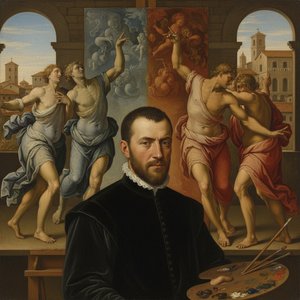
Domenico Beccafumi: A Sienese Master Between Mannerism & Baroque Anticipation
Explore the captivating world of Domenico Beccafumi, a pivotal figure bridging Mannerism & Baroque art. Discover his unique style, religious masterpieces, and lasting legacy with OriginalUniqueArt.

The Enduring Legacy of Fresco: Technique, History & Artistic Expression
Explore the rich history & enduring artistry of fresco painting. Discover techniques from Giotto to Michelangelo, conservation efforts, & modern applications. Learn how OriginalUniqueArt brings this timeless art form to your home.

