

 Zobraziť v interiéri
 Odoslať
 Zdieľať
 Podrobnosti
 Príručka

 Stiahnuť
 Podobné položky
 RTG skúška
 Prehliadanie diapo\]
 Štatistiky
Trinity
 Oil On Panel
- Mannerist
 1513
1513- Renaissance
 152.0 x 228.0 cm
 Pinacoteca Nazionale
 Prečítať si viac
Giclée / Umenotlač
Giclée tlač alebo plátno múzeálnej kvality s rýchlou výrobou a rôznymi možnosťami povrchovej úpravy. ( Objednať ručne maľovanú reprodukciu Prepnúť na digitálnu verziu obrazu)




P118B €10

P118H €10

P118W €10

P438Z €10

P508JH €12

P508YH €12

P805H €10

P805Z €10

P919BZ €10

P919G €10

P919XJ €10

P959ZH €10

P968JZ €12

W106C €8

W218G €10

W218JH €8

W218Y €10

W307PJ €10

W316G €10

W316PJ €8

W316Y €10

W398PJ €8

W4111J €10

W500HY €15

W500JH €15

W692G €12

W849H €8

W940BG €15

W953PJ €8




Vyberte si z našich preddefinovaných rozmerov, ktoré zodpovedajú pôvodným pomeroḿ diela.

Zadajte šírku a výšku, ktoré potrebujete, aby sa reprodukcia hodila k vášmu rámu alebo stene. Print možno len orezávať, nikdy však nemennú veľkosť zvětšiť oproti pôvodnému obrázku, preto pri inom formáte stráca časť obrazu. Pred samotným vytlačiacím procesom vám pošleme digitálny náhľad na schválenie. Obrázok zobrazený na tejto stránke nezobrazuje reálny rez — len digitálny náhľad ukazuje presný výsledok.
Celosvetová doprava () do 2 týždňov namiesto štandardných 4 až 5 týždňov. (23 október)

Bezplatná expresná doprava po celom svete

Vysokokvalitné lnianske plátno

Úplné poistenie prepravy

Záruka vrátenia colného poplatku

Záruka presného farebného zhodnutia

100-dená politika vrátenia tovaru (iba pri vadách)

100% záruka vrátenia peňazí

Ponuka množstevnej zľavy
 Možnosť skla je dostupná len pri rozmeroch pod 110 cm

Trinity
Giclée / Umenotlač
Veľkosť reprodukcie
-


Celková cena
€ 70
A Visionary Symphony of Faith and Light
In the heart of the Italian Renaissance, amidst the burgeoning humanism of the early sixteenth century, Domenico di Pace Beccafumi crafted a masterpiece that transcends the boundaries of mere religious iconography. His Trinity, completed in 1513, is not simply a depiction of divine figures but a profound exploration of the spiritual psyche. As a prominent figure of the Sienese school, Beccafumi moved away from the rigid, polished perfection found in Florentine works, opting instead for a more emotive and atmospheric approach. This monumental triptych serves as a window into a period where art began to grapple with the tension between classical harmony and the expressive, often distorted, beauty of the emerging Mannerist style.
The composition is a breathtaking tripartite journey, guiding the viewer through layers of celestial and earthly devotion. In the central panel, the Crucifixion takes center stage, anchored by the figure of Christ, flanked by the poignant presence of Mary Magdalene and John the Evangelist. The use of light here is nothing short of miraculous; Beccafumi employs a technique known as glazeware, applying thin, translucent layers of oil paint to create a luminous depth that seems to glow from within. This mastery of light and shadow—the dramatic chiaroscuro—imbues the figures with a weight and a soul, making their divine suffering and eternal grace feel tangibly present to the observer.
The Artistry of Sienese Mannerism
To behold this work is to witness the birth of a new aesthetic language. Beccafumi’s brushwork avoids the static nature of his predecessors, favoring elongated forms and a sense of rhythmic movement that anticipates the complexities of Mannerism. The left panel introduces us to an angelic presence, where soft, light-colored robes contrast against a deep, mysterious background, creating a sense of infinite space. Conversely, the right panel offers a more grounded, yet equally sacred, scene featuring the Virgin Mary and Joseph, wrapped in rich blues and warm earth tones that ground the divine narrative in human emotion.
For the discerning collector or interior designer, this piece offers an unparalleled opportunity to introduce a sense of historical grandeur and intellectual depth into a space. The intricate details—from the delicate folds of the drapery to the expressive, searching gazes of the saints—provide endless points of visual fascination. A high-quality reproduction of this triptych does more than decorate a wall; it anchors a room with a sense of timelessness and contemplative peace. It is an invitation to pause, to reflect, and to immerse oneself in the golden age of Siena, making it a profound centerpiece for any curated collection or sophisticated living environment.
Otázky a odpovede
Akú mieru kontrastu predstavuje „Trinity“ od Domenico Di Pace Beccafumi?
Úroveň kontrastu diela „Trinity“ od Domenico Di Pace Beccafumi je Statement.
Akú náladu vyjadruje „Trinity“ od Domenico Di Pace Beccafumi v rámci smeru Mannerist?
Mysterious emócia diela „Trinity“ dopĺňa jeho štýl, ktorý patrí do smeru Mannerist.
Existujú diela podobné ako „Trinity"]?
Diela podobné dielu „Trinity“ sú uvedené na stránke Podobné diela daného diela.
Biografia umelca
Giovanni da Milano
Giovanni da Milano (1346–1369), talianskeho maliara predrenesančnej éry, ovplyvneného Giottom. Pozrite si jeho emotívne náboženské diela vrátane Ognissanti Polyptych a Madony s dieťaťom. Giovanni da Milano’s artistic journey began in Milan during the tumultuous period of the Visconti dynasty, shaping his distinctive style and contributing to the vibrant cultural landscape of the era. While overshadowed by the towering figures of Leonardo da Vinci and Michelangelo, Giovanni nevertheless carved out a significant niche for himself as a painter whose work embodies the spirit of early Renaissance innovation—a synthesis of classical ideals with emerging humanist sensibilities. His formative years were spent under the tutelage of Giotto di Bondone, arguably the most influential artist of his time, who instilled in him a profound understanding of naturalism and expressive emotion. This influence is palpable throughout Giovanni’s oeuvre, evident in his meticulous attention to detail and his ability to convey psychological depth—qualities that distinguish him from many of his contemporaries.Early Career and Patronage
Giovanni’s early artistic activity centered on Milanese churches and civic buildings, where he executed frescoes depicting biblical narratives and allegorical scenes with remarkable skill and sensitivity. His commissions reflected the prevailing religious fervor of the period and showcased his mastery of fresco painting—a technique that demanded considerable technical expertise and artistic vision. Notably, Giovanni undertook a monumental project decorating the Cappella Maggiore della Basilica di Sant’Ambrogio in Milan, demonstrating his ambition and willingness to tackle ambitious undertakings. This chapel’s frescoes are considered among the finest examples of Milanese Renaissance art, embodying Giovanni’s distinctive style—characterized by luminous colors, graceful drapery, and expressive figures imbued with palpable emotion.Influences and Artistic Style
Giovanni’s artistic style was profoundly shaped by Giotto’s legacy but also absorbed elements from Florentine painting—particularly the influence of Masaccio and Brunelleschi—who were experimenting with linear perspective and anatomical realism. Unlike many artists of his time who adhered rigidly to classical conventions, Giovanni embraced a more dynamic approach to composition and form, prioritizing emotional impact over strict adherence to geometric precision. His paintings often depict scenes from biblical stories with dramatic intensity, capturing fleeting expressions of emotion and conveying spiritual contemplation. The use of color—particularly luminous hues—was paramount in Giovanni’s artistic practice, creating an atmosphere that is both ethereal and emotionally resonant. He skillfully blended classical ideals with humanist sensibilities, resulting in a style that is simultaneously elegant and psychologically astute.Notable Works
Giovanni da Milano's artistic output includes several significant paintings that continue to inspire admiration for their beauty and expressive power. Among his most celebrated achievements are the frescoes adorning the Museo Nazionale della Basilica di Sant’Ambrogio—a testament to his technical prowess and artistic vision. These murals depict scenes from the Old Testament, rendered with meticulous detail and imbued with profound spiritual significance. Furthermore, Giovanni produced a series of altarpieces that showcase his ability to convey religious devotion through evocative imagery and masterful composition. His paintings exemplify the Milanese Renaissance’s commitment to humanist ideals—a celebration of human dignity and emotion—solidifying Giovanni da Milano's place as one of the foremost artists of his era. ##Legacy: A Pioneer of Early Renaissance Expression Giovanni da Milano stands apart from many of his contemporaries as a painter who championed emotional expression alongside technical innovation—a hallmark of early Renaissance art. His work foreshadowed later developments in painting, influencing subsequent generations with its luminous colors, dynamic compositions, and profound psychological depth. Giovanni’s artistic legacy resides not merely in the beauty of his paintings but also in his pioneering role in shaping the aesthetic sensibilities of Milanese society—a testament to his enduring influence on Italian art history. He remains a compelling figure, embodying the spirit of humanist inquiry and artistic experimentation that defined the dawn of the Renaissance.
Domenico Di Pace Beccafumi
1486 - 1551 , Taliansko
Rýchle fakty
- Artistic Movement Or Style: Mannerism
- Artists Or Movements Influenced By This Artist: ['Mannerism']
- Artists Who Influenced This Artist:
- Raphael
- Michelangelo
- Date Of Birth: c. 1486
- Date Of Death: May 18, 1551
- Full Name: Domenico di Pace Beccafumi
- Nationality: Italian
- Notable Artworks:
- Trinity Triptych
- The Annunciation
- Place Of Birth: Montaperto, Italy
Súvisiace články

Mannerism: Bridging Renaissance Harmony & Baroque Drama – A Study of Style & Affectation
Explore the fascinating world of Mannerism! Discover its key characteristics, pioneering artists like Pontormo & Bronzino, and its pivotal role in bridging Renaissance harmony to Baroque drama. A comprehensive guide for art enthusiasts.
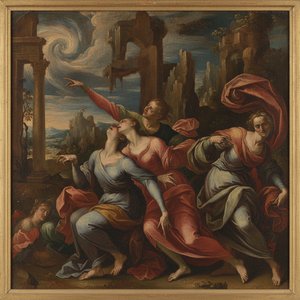
Drama & Distortion: A Journey Through the Captivating World of Baroque Mannerism
Explore the dramatic tension of Mannerism and the opulent grandeur of Baroque art. Discover how masters used light, shadow, and distortion to redefine European history through a captivating journey of emotional intensity and spiritual fervor.
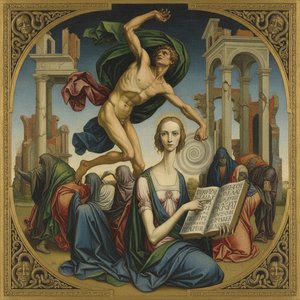
Beyond Perfection: The Dramatic Elegance and Intellectual Tension of Renaissance Mannerism
Explore the captivating world of Renaissance Mannerism. Discover how artists moved beyond High Renaissance harmony into a realm of elegant distortion, psychological tension, and dramatic beauty that bridged the gap to the Baroque era.

Northern Mannerism: The Dramatic Evolution of European Art through Elegant Distortion and Tension
Explore the dramatic evolution of Northern Mannerism. Discover how 16th-century artists moved from Renaissance harmony to elegant distortion, tension, and complex symbolism in European art history.
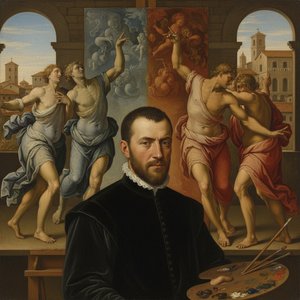
Domenico Beccafumi: A Sienese Master Between Mannerism & Baroque Anticipation
Explore the captivating world of Domenico Beccafumi, a pivotal figure bridging Mannerism & Baroque art. Discover his unique style, religious masterpieces, and lasting legacy with OriginalUniqueArt.

