

 Zobraziť v interiéri
 Odoslať
 Zdieľať
 Podrobnosti
 Príručka

 Stiahnuť
 Podobné položky
 RTG skúška
 Prehliadanie diapo\]
 Štatistiky
Sleeping Nymph
 Baroque
 1640
1640 44.0 x 52.0 cm
 Mauritshuis
 Prečítať si viac
Kúpte si digitálnu snímku vo vysokom rozlíšení s vylepšenými detailmi, ktorá je oveľa kvalitnejšia než online náhľad.
Každý súbor starostlivo pripravujú naši interní špecialisti pomocou pokročilých nástrojov a odborného manuálneho retušovania. Zabezpečujeme, aby každý obrázok disponoval výnimočnou čistotou, presnou farebnou vernosťou a jemnými detailmi.
Konečný súbor vám bude doručený e-mailom do 72 hodín, optimalizovaný pre okamžité použitie v profesionálnom, redakčnom aj tlačovom prostredí. Ponúkame rovnakú kvalitu, ktorej dôverujú špičkové dizajnérske štúdiá, vydavateľstvá a galérie.
Digitálny obraz
Stiahnite si vysokorozlíšený súbor na osobné zobrazovanie, tlačenie a kreatívne projekty. ( Prepnúť na tlač Objednať ručne maľovanú reprodukciu)
Súčasťou každej objednávky digitálneho obrazu
Profesionálne digitálne doručenie, garantované
Keď si vyberiete OriginalUniqueArt.com, nezískate len obyčajný obrázok – získate profesionálne upravené digitálne umenie, vytvorené s maximálnou precíznosťou a podložené zárukou vašej spokojnosti. Tu je všetko, čo je súčasťou vašej objednávky automaticky:

Rýchle doručenie e-mailom
Vaša vysokorozlíšená digitálna súprava obrázkov vám bude zaslaná e-mailom do 72 hodín od objednávky – pripravená na okamžité použitie.

Digitálny súbor s vylepšením AI
Vaše dielo je profesionálne optimalizované pomocou pokročilých nástrojov umelej inteligencie a manuálnej úpravy, čo zaručuje maximálnu mieru detailov, čistotu a presnosť farieb.

Bezplatné celoživotné opätovné doručenie
Súbor ste náhodou zmazali alebo ste ho stratili? Nebojte sa – kedykoľvek vám ho môžeme poslať znova, úplne bez poplatkov.

Bez poplatkov za dovoz – navždy
Užite si svoje umelodelo okamžite bez colných poplatkov, daní alebo nákladov na dopravu – digitálne stiahnutia sú vždy oslobodené od dane.

Garantovaná presnosť farieb
Pomocou profesionálnych nástrojov a farebného manažmentu zabezpečujeme, aby vaša digitálna fotografia čo najpresnejšie odrážala pôvodné farby.

Záruka spokojnosti 100 dní
Ak nebudete spokojní so svojím digitálnym obrázkom, upravíme ho alebo vám v priebehu 100 dní vrátime 100% – bez zbytočných otázok.

100% Záruka vrátenia peňazí
Nie ste spokojní? Získajte plnú náhradu platby do 100 dní od prijatia digitálneho súboru – bez zbytočných otázok.

Zľavy pri veľkom odbere
Pri kúpe 3 obrázkov získate zľavu 10% - Pri kúpe 5 obrázkov získate zľavu 15% - Pri kúpe 10+ obrázkov získate zľavu 20%. Ideálne pre kreatívne projekty, galérie a agentúry.
Biografia umelca
Hendrick Andriessen: The Silent Narrator of Vanitas
Hendrick Andriessen, known to the world as Mancken Heyn – a moniker reflecting a physical challenge he faced – was a remarkably subtle and observant painter who emerged from the bustling artistic landscape of Antwerp in the early 17th century. Born in 1607, his life remains shrouded in a gentle obscurity, yet his work speaks volumes about the fleeting nature of existence, earning him recognition as a pivotal figure in the development of Dutch still-life painting and a master of the ‘vanitas’ tradition. While not boasting the flamboyant theatricality of some of his contemporaries, Andriessen possessed an extraordinary ability to distill complex ideas – mortality, decay, and the transience of earthly pleasures – into deceptively simple compositions. His paintings aren't dramatic pronouncements; they are quiet meditations, offering a poignant reflection on the human condition.Early Life and Influences: A Dutch Connection
The precise details of Andriessen’s early life remain elusive, though he was baptized in Antwerp on October 23rd, 1607. His family background suggests a connection to Leiden, where his father, Lieven Hendricx, was an accomplished embroiderer – a craft that likely instilled in young Hendrick an appreciation for meticulous detail and the beauty of everyday objects. It’s believed he received his initial artistic training under Joris van Schooten in Leiden around 1617, followed by a period with Pieter Lastman in Amsterdam, a renowned history painter whose influence is undeniably present in Andriessen's early work. This formative period exposed him to the rich traditions of Flemish Baroque painting while simultaneously introducing him to the burgeoning artistic currents of the Dutch Republic. Crucially, his time in Leiden and Amsterdam seems to have fostered an affinity with the Utrecht Caravaggisti – a group of artists who had absorbed the dramatic lighting and dynamic compositions of Peter Paul Rubens’s work. This exposure is particularly evident in his early still lifes, characterized by their use of strong contrasts of light and shadow and a sense of immediacy.The Language of Vanitas: Objects as Symbols
Andriessen's most enduring legacy lies in his masterful exploration of the ‘vanitas’ genre – a tradition that sought to remind viewers of the inevitability of death and decay through the arrangement of symbolic objects. Unlike overtly morbid depictions, Andriessen’s vanitas paintings are remarkably restrained and subtly unsettling. He eschewed grand gestures or explicit references to mortality, instead focusing on carefully chosen items – skulls, extinguished candles, wilting flowers, hourglasses, musical instruments, and decaying fruit – each imbued with a specific meaning. A skull might represent the fragility of life; an extinguished candle, the passage of time; a broken lute, lost beauty and harmony. These objects aren’t merely decorative elements; they are carefully orchestrated symbols that invite contemplation on the ephemeral nature of earthly possessions and achievements. His compositions often feature a single, dominant object – a skull, for instance – surrounded by a collection of related items, creating a visual dialogue about mortality and the vanity of worldly pursuits.Style and Technique: A Quiet Mastery
Andriessen’s style is characterized by its understated elegance and remarkable technical skill. He was a meticulous painter, paying close attention to detail and employing a subtle palette of muted browns, grays, and ochres. His brushwork is smooth and refined, creating a sense of depth and realism that belies the symbolic nature of his subjects. While influenced by Caravaggio’s dramatic lighting, Andriessen never embraced the same theatrical intensity. Instead, he used light and shadow to create a mood of quiet contemplation and melancholy. His ‘smoker’ still lifes – often referred to as ‘toebackjes’ – are particularly noteworthy for their intimate scale and meticulous rendering of smoking paraphernalia: pipes, tobacco pouches, and snuff boxes. These small, evocative paintings offer a glimpse into the daily rituals of 17th-century life and serve as poignant reminders of the fleeting pleasures of the present moment.Legacy and Historical Significance
Despite the relative obscurity surrounding his life, Hendrick Andriessen’s contribution to the history of still-life painting is undeniable. He was a key figure in the development of the ‘vanitas’ tradition, refining its techniques and expanding its symbolic vocabulary. His paintings offer a profound meditation on mortality and the transience of earthly pleasures – themes that continue to resonate with viewers today. While his work may not be as widely celebrated as that of some of his contemporaries, it possesses a quiet power and enduring beauty that speaks volumes about the human condition. The few surviving examples of his art are treasured for their subtlety, insight, and remarkable technical skill, cementing Andriessen’s place as a significant, if often overlooked, master of the Dutch Baroque.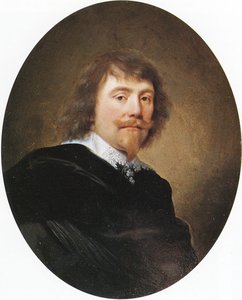
dirck van der lisse
1607 - 1669 , Netherlands
Rýchle fakty
- Artistic Movement Or Style: Vanitas still lifes, smoker still lifes
- Artists Or Movements Influenced By This Artist:
- Dirck van Baburen
- Rembrandt
- Artists Who Influenced This Artist:
- Pieter Lastman
- Caravaggio
- Date Of Birth: 1607
- Date Of Death: 1655
- Full Name: Hendrick Andriessen”, known as Mancken Heyn
- Nationality: Flemish
- Notable Artworks:
- Saint Jerome Writing
- The Flagellation of Christ
- Susanna and the Elders
- Place Of Birth: Antwerp, Belgium