
 Náhľad v interiéri
 Odoslať ako digitálnu kartu
 Zdieľať
 Podrobnosti o dielo
 Príručka

 Stiahnuť obraz
 Podobné položky
 RTG skúška
 Prehliadanie diapozoje
 Otázky a odpovede
 Štatistiky
Woman at a Well


 Zobraziť viac
Umelecké dielo zobrazené na tejto stránke je chránené autorským zákonom, čo znamená, že nemôžeme legálne vytvárať ani predávať jeho identickú reprodukciu. Táto ochrana je vymáhaná na základe medzinárodných dohôd, ako napríklad Bernská konvencia a národnými zákonmi, vrátane tých, ktoré sú stanovené v Autorské právo USA – Title 17. Všetky práva vyhradené.
Táto metóda plne dodržiava autorské práva, pretože nezahŕňa kopírovanie ani duplikovanie chráneného diela. Ide skôr o kreatívnu reinterpretáciu – nový obraz, ktorý je ovplybnený originálom, no nie je s ním identický.
Giclée / Umenotlač
Giclée tlač alebo plátno múzeálnej kvality s rýchlou výrobou a rôznymi možnosťami povrchovej úpravy. ( Kúpiť ručne maľovaný obraz Prepnúť na digitálny obraz)




P118B €10

P118H €10

P118W €10

P438Z €10

P508JH €12

P508YH €12

P805H €10

P805Z €10

P919BZ €10

P919G €10

P919XJ €10

P959ZH €10

P968JZ €12

W106C €8

W218G €10

W218JH €8

W218Y €10

W307PJ €10

W316G €10

W316PJ €8

W316Y €10

W398PJ €8

W4111J €10

W500HY €15

W500JH €15

W692G €12

W849H €8

W940BG €15

W953PJ €8




Vyberte si z našich preddefinovaných rozmerov, ktoré zodpovedajú pôvodným pomeroḿ diela.

Zadajte šírku a výšku, ktoré potrebujete, aby sa reprodukcia hodila k vášmu rámu alebo stene. Print možno len orezávať, nikdy však nemennú veľkosť zvětšiť oproti pôvodnému obrázku, preto pri inom formáte stráca časť obrazu. Pred samotným vytlačiacím procesom vám pošleme digitálny náhľad na schválenie. Obrázok zobrazený na tejto stránke nezobrazuje reálny rez — len digitálny náhľad ukazuje presný výsledok.
Celosvetová doprava () do 2 týždňov namiesto štandardných 4 až 5 týždňov. (8 november)

Bezplatná expresná doprava po celom svete

Vysokokvalitné lnianske plátno

Kompletné poistenie prepravy

Záruka vrátenia colného poplatku

Záruka presného farebného zhodnutia

100-dená politika vrátenia tovaru (iba pri vadách)

100% záruka vrátenia peňazí

Zľava pri väčšom množstve
 Možnosť skla je dostupná len pri rozmeroch pod 110 cm

Woman at a Well
Giclée / Umenotlač
Veľkosť reprodukcie
-


Celková cena
€ 72
The Cubist Vision of Daily Life
Diego Rivera’s Woman at a Well, dating from 1913, transports us into a moment suspended between the mundane and the profoundly symbolic. This piece is a fascinating confluence of Mexican muralist tradition meeting the radical intellectual currents of early Cubism. Rather than presenting a straightforward narrative scene, Rivera employs fragmented planes and geometric deconstruction to suggest form, inviting the viewer not just to look at the women and the well, but to actively participate in assembling the image within their own mind's eye. The composition is rich with life—two central female figures are depicted, one attending to a wheel while the other cradles a bird. These elements, set against an outdoor backdrop punctuated by the steady presence of a clock on the wall, speak to themes of cyclical time and domestic ritual.
A Dialogue Between Cultures and Styles
Rivera’s early engagement with Cubism is particularly telling. While his later work would become synonymous with monumental narrative frescoes celebrating Mexican history and labor, this piece shows him grappling with avant-garde European techniques. The cubist approach breaks down solid reality into intersecting facets, giving the figures a simultaneously present and disassembled quality. Yet, beneath this modernist veneer lies Rivera’s inherent commitment to storytelling and human dignity. The inclusion of scattered birds throughout the scene adds an organic counterpoint to the sharp angles of the geometry, suggesting the persistent, fluttering beauty that resists rigid categorization.
Symbolism Woven into Form
The symbolism within Woman at a Well is multilayered and deeply resonant. The well itself has historically been a potent symbol—a source of life, sustenance, and often, hidden knowledge. Paired with the wheel, which suggests cycles of time or perhaps agricultural labor, the scene speaks to enduring feminine roles and the passage of time. The bird, an ancient motif across global art, typically represents the soul, freedom, or the spirit itself. By placing these potent symbols—the source, the cycle, the spirit—within a cubist framework, Rivera suggests that even in moments of apparent stasis, life is constantly undergoing intellectual and structural transformation.
Bringing the Masterpiece Home
For collectors and designers seeking to infuse a space with the vibrant energy of early 20th-century modernism, this reproduction offers an unparalleled opportunity. The hand-painted quality ensures that the complexity of Rivera’s brushwork—the interplay between solid form and fractured plane—is faithfully captured. It is not merely a picture; it is an intellectual conversation piece. Imagine this artwork anchoring a room: its dynamic energy will challenge the eye while simultaneously inviting contemplation on time, nature, and the enduring strength found in human connection.
Otázky a odpovede
Aký pocit vyvolávajú farby diela „Woman at a Well“ od Diego Rivera?
V diele „Woman at a Well“ sprevádzajú Dark farby Mysterious pocit.
Aká veľkosť a orientácia sa odporúčajú pre tlač diela „Woman at a Well“ od Diego Rivera?
Pre dielo „Woman at a Well“ sa odporúča tlač vo veľkosti Medium v orientácii Portrait.
Patrí dielo „Woman at a Well“ medzi najznámejšie diela smeru Cubism?
„Woman at a Well“ od Diego Rivera je klasifikovaný ako Iconic a patrí do smeru Cubism.
Biografia umelca
Early Life and Artistic Awakening
Diego Rivera, narodil sa 8. decembra 1886 v Guanajuato, hlavnom meste štátu Guanajuato v Strednej Južnej Mexiku, a vstúpil do sveta už ladeného umeleckou citlivosťou. Od útleho veku, zhruba od troch rokov, sa v ňom rozvinul neodolateľný záujem o umenie, ktorý bol vychovávaný rodičmi, ktorí si všimli a povzbudzovali jeho burácajúci talent. Jeho rané roky boli poznačené formálnou edukáciou na Akadémii San Carlos v Mexických mestách, kde precízne zdokonaloval svoje zručnosti v tradičnom maľovaní a sochárstve. Dôležitý okamih nastal v roku 1907, keď Teodoro A. dehesa Méndez generózne sponzoroval štúdium Riveru za hranice, čím ho uvedul do srdca európskeho umeleckého rozmachu.
Jeho prvý pobyt tam sa niesol do Madridu, Španielska, kde študoval pod vedením Eduarda Chicharro, absorboval princípy Realizmu. No Paris bol skutočne zapálil jeho tvorivú evolúciu. Ponorený do živého Montparnasse komunity, Rivera stretol kaleidoskop umeleckých perspektív, najmä revolučných princípov Kubizmu po roku 1912. Vplyv Pabla Picassa a Georgea Seurat sa stal zjavným v jeho dielach, keď začal deštruktívne formy a skúmať prepletené plochy – odchýlenie od tradičnej reprezentácie, ktoré definovalo významný štádium jeho umeleckej cesty.
The Return to Mexico and the Mural Renaissance
Hlboká zmena nastala v roku 1921, keď sa Rivera vrátil do svojej vlasti, krajiny, ktorá zápasila s následkami revolúcie. Toto návratenie nebolo len geografické presunutie; bolo to ideologové probdzenie. Stal sa kľúčovou figúrkou burzajúceho Mexického murálového hnutia, silnej umeleckej reakcie na sociálne a politické nepokoje vtedenjša čias. Hnutie malo za cieľ demokratizovať umenie, priniesť ho z elítnych kruhov do verejne prístupných priestorov pre všetkých občanov.
Riverove murály neboli len dekoratívne; boli to silné príbehy mexickej histórie, kultúry a spoločenských ťažkostí. Jeho skoré maľby, ako napríklad “Creation” (1922), ukázali jeho inovatívnu techniku encaustic, zatiaľ čo monumentálne diela v Secretaría de Educación Pública v Mexických mestách prezentovali jedinečný štýl charakterizovaný veľkými, zjednodušenými postavami a výraznými farbami – úmyselne posvätné s aztekovským umením a predtkolumbijskou estetickou tradíciou. Tieto murály neboli len maľby; boli to vizuálne manifesty, vyhlasujúce nové národné identita vytvorené z jej pôvodných korienov a revolučného ducha.
A Style Forged in Social Consciousness
Diego Rivera’s artistic style is instantly recognizable—a monumental scale that commands attention, simplified forms that convey powerful messages, vibrant colors that evoke the richness of Mexican culture, and an unwavering focus on social and historical narratives. His work wasn’t confined to aesthetic concerns; it was deeply intertwined with his political beliefs, particularly his Marxist convictions.
The “Dreams of a Sunday in the Alameda” is perhaps one of his most iconic works, though also controversial for its depiction of atheism and historical figures. The Detroit Industry Murals (1933), commissioned for the Detroit Institute of Arts, stand as a testament to his ability to capture the dynamism and complexity of industrial life, portraying both the power of machinery and the dignity of the workers who operated it. He seamlessly blended elements of Mexican folk art with pre-Columbian imagery, creating a visual language that was uniquely his own—a powerful synthesis of tradition and modernity.
Notable Works
- Creation (1922): His first significant mural, utilizing the encaustic technique.
- Dreams of a Sunday in the Alameda: A controversial piece known for its depiction of atheism and historical figures.
- Secretaría de Educación Pública Murals: Showcasing his unique style with large, simplified forms and vibrant colors influenced by Aztec art.
- Detroit Industry Murals (1933): Commissioned for the Detroit Institute of Arts, depicting industrial processes and workers.
Legacy and Enduring Influence
Diego Rivera’s impact on 20th-century art is immeasurable. He isn't merely remembered as one of Mexico’s most important artists, but as a global icon whose work continues to resonate with audiences today. His murals are not just artistic achievements; they are significant examples of social realism and public art—powerful statements about the human condition and the struggle for social justice.
He played a pivotal role in establishing Mexican Muralism as an influential artistic movement, inspiring generations of artists to use their work as a vehicle for social commentary. His personal life, particularly his passionate and often tumultuous relationship with Frida Kahlo, has further cemented his place in popular culture, adding another layer of intrigue to his already captivating legacy.
Rivera’s commitment to portraying the lives and struggles of ordinary people, combined with his innovative artistic techniques, ensures that his work will continue to inspire and provoke thought for generations to come. He left behind a body of work that is not only visually stunning but also deeply meaningful—a testament to the power of art to shape our understanding of history, culture, and ourselves.

Diego Rivera
1886 - 1957 , Mexiko
Základné informácie
- Artistic Movement Or Style: Mexický muralizmus
- Artists Or Movements Influenced By This Artist: ['Mexický muralizmus']
- Artists Who Influenced This Artist:
- Pablo Picasso
- Georges Seurat
- Date Of Birth: 8. decembra 1886
- Date Of Death: 24. novembra 1957
- Full Name: Diego Rivera
- Nationality: Mexikánsky
- Notable Artworks:
- Vytvorenie
- Detroit Murály
- Sny v Alameda
- Place Of Birth: Guanajuato, Mexiko
Súvisiace články

The Enduring Legacy of Fine Art Prints: Technique, History & Aesthetic Impact
Explore the rich history & techniques of fine art prints. Discover investment potential, assess authenticity, and learn how to preserve your collection with expert guidance. Trusted insights for discerning collectors.
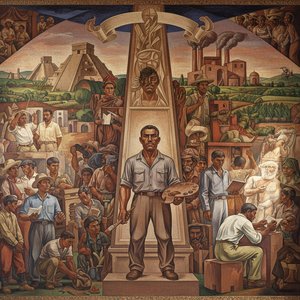
Diego Rivera: A Revolutionary Vision of Mexican Identity Through Muralism
Explore the revolutionary murals of Diego Rivera and his profound impact on Mexican art & identity. Discover his techniques, iconic works like 'Man at the Crossroads,' and lasting legacy with OriginalUniqueArt.

Echoes of Time: Exploring the Enduring Appeal & Historical Context of Vintage Art Prints
Explore the captivating world of vintage art prints! Discover their history, collecting tips & enduring appeal. Expert insights on chromolithography and building a legacy collection with OriginalUniqueArt.

Giclée Prints: Archival Quality & Aesthetic Nuances for the Discerning Collector
Explore the world of giclée prints with OriginalUniqueArt. Learn about archival quality, aesthetic nuances & investment potential. Expert guidance for discerning art collectors seeking museum-quality reproductions and lasting value.
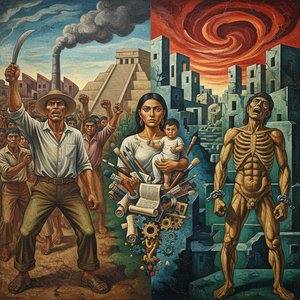
Revolution on Canvas: Exploring the Socio-Political Power & Artistic Legacy of Mexican Muralism
Explore the powerful world of Mexican muralism! Discover Diego Rivera, Frida Kahlo & Orozco's revolutionary art, social impact & lasting legacy. Expert insights & high-quality reproductions at OriginalUniqueArt.


