

 Náhľad
 Odoslať
 Zdieľať
 Podrobnosti o dielo

 Stiahnuť
 Podobné diela
 RTG skúška
 Prezentácia
Ofrenda II
 Acrylic On Canvas
- WallArt
- Mexican Mural Movement
 1954
1954 37.0 x 26.0 cm
 Museo Dolores Olmedo
 Zobraziť viac
Ručne maľovaná olejová reprodukcia
Ručne maľovaný olej na plátne vo vašej zvolenej veľkosti a v ráme, vyrobený na mieru našimi umelcami. ( Kúpiť tlač Kúpiť obrázok)




P118B $10

P118H $10

P118W $10

P438Z $10

P508JH $12

P508YH $12

P805H $10

P805Z $10

P919BZ $10

P919G $10

P919XJ $10

P959ZH $10

P968JZ $12

W106C $8

W218G $10

W218JH $8

W218Y $10

W307PJ $10

W316G $10

W316PJ $8

W316Y $10

W398PJ $8

W4111J $10

W500HY $15

W500JH $15

W692G $12

W849H $8

W940BG $15

W953PJ $8




Vyberte si z našich preddefinovaných rozmerov, ktoré zodpovedajú pôvodným pomeroḿ diela.

Môžete zadať vlastné rozmery tak, aby sa hodili do konkrétneho rámu alebo priestoru. Ak sa váš zvolený rozmer nezhoduje s pôvodnými proporciami obrazu, dielo buď orezáme, alebo ho doplníme ručne maľovanými prvkami. Pred začiatkom výroby vám zašleme digitálny náhľad na schválenie.
Upozorňujeme, že ukážka na obrazovke neodráža skutočné orezanie alebo doplnenie. Skutočnú finálnu kompozíciu zobrazuje iba digitálny náhľad.
Hoci sú k dispozícii vlastné rozmery, odporúčame vybrať rozmer z preddefinovaného zoznamu, aby sme zachovali pôvodné proporcie.
Po odoslaní objednávky vám tím OriginalUniqueArt.com pošle e-mail s pokynmi a poskytne náhľad na návrh.
Celosvetová doprava () za 3 až 4 týždne namiesto štandardných 5 týždňov. (4 september). Bez kompromisov v kvalite.

Bezplatná expresná doprava po celom svete

Prémiové lnianske plátno

Kompletné poistenie prepravy

Záruka vrátenia colného poplatku

Záruka presného farebného zhodnutia

60-dňá politika vrátenia (iba pri defektoch)

100% záruka vrátenia peňazí

Výhodná množstevná zľava
 Možnosť skla je dostupná len pri rozmeroch pod 110 cm

Ofrenda II
Technika reprodukcie
Veľkosť reprodukcie
-


Celková cena za vybrané možnosti
$ 300
Ofrenda II: A Tapestry of Remembrance – Diego Rivera’s Echoes of Tradition
Diego Rivera's “Ofrenda II,” painted in 1954, is more than just a depiction of the Day of the Dead; it’s a vibrant portal into the heart of Mexican cultural heritage. This striking black and white drawing captures a pivotal ritual – the elaborate preparations for honoring deceased loved ones on November 1st and 2nd – revealing a complex interplay of symbolism, artistic technique, and deeply rooted traditions. The scene unfolds within a modestly furnished room, dominated by a table laden with offerings, meticulously arranged upon a bed of crimson sawdust. This foundational element immediately establishes the artwork’s connection to ancient indigenous practices, where sawdust served as a sacred ground for honoring ancestors. The composition is anchored by two women engaged in a quiet, intimate exchange. Their postures and expressions suggest a shared reverence and perhaps even a moment of solace. While their identities remain ambiguous, they embody the spirit of community and familial bonds central to the Day of the Dead celebrations. Notice how Rivera masterfully uses light and shadow to draw attention to specific elements – the vibrant colors of the sugar skulls, the glistening fruits, and the carefully positioned candles. These aren’t merely decorative; they represent sustenance for the souls returning from the afterlife, a tangible expression of love and remembrance. The inclusion of a book and a vase adds a layer of domesticity, grounding the scene in everyday life while simultaneously elevating it to a sacred ritual.The Roots of Ritual: Pre-Hispanic Influences and Colonial Synthesis
“Ofrenda II” is deeply rooted in Mexico’s pre-Columbian past. The tradition of honoring the dead predates European colonization, with indigenous cultures constructing elaborate offerings to appease and nourish departed spirits. Rivera, keenly aware of this heritage, deliberately incorporated these ancient practices into his work. However, the painting isn't simply a nostalgic reproduction; it reflects a synthesis of traditions – a blending of pre-Hispanic symbolism with elements introduced during the colonial period. The use of purple, pink, or orange sawdust, for instance, is a direct continuation of indigenous customs, while the inclusion of items like sugar skulls and elaborate floral arrangements speaks to the influence of Catholic iconography prevalent in post-colonial Mexico. This careful juxtaposition highlights the dynamic evolution of Mexican identity – a testament to resilience and cultural adaptation.Rivera’s Technique: A Masterclass in Composition and Detail
Rivera's distinctive style is immediately recognizable in “Ofrenda II.” He employs a meticulous, almost photographic realism, capturing every detail with remarkable precision. The textures of the fruits, the folds of the fabric, and the intricate patterns on the sugar skulls are rendered with astonishing clarity. This attention to detail isn’t merely aesthetic; it serves to emphasize the sacredness of the ritual. Rivera's use of black and white further enhances this effect, creating a stark contrast that draws the viewer's eye to the central elements of the composition. The careful arrangement of objects – each chosen for its symbolic significance – demonstrates Rivera’s deep understanding of Mexican culture and his ability to translate complex traditions into a visually compelling narrative.Symbolism and Emotional Resonance: A Celebration of Life and Remembrance
Beyond its technical brilliance, “Ofrenda II” resonates with profound emotional depth. The painting is not simply about death; it’s about life – the enduring bonds between generations, the importance of memory, and the celebration of those who have passed on. The act of creating an offering is a powerful affirmation of love and connection, a way to keep the spirits of ancestors alive in the hearts and minds of the living. The quiet intimacy between the two women suggests a shared grief tempered by acceptance and gratitude. “Ofrenda II” invites us to contemplate our own relationships with those who have shaped our lives and to honor their memory through acts of remembrance and celebration. It’s a poignant reminder that death is not an ending, but rather a transition – a continuation of the cycle of life and love.This artwork is available as a high-quality reproduction by OriginalUniqueArt.
Biografia umelca
Early Life and Artistic Awakening
Diego Rivera, narodil sa 8. decembra 1886 v Guanajuato, hlavnom meste štátu Guanajuato v Strednej Južnej Mexiku, a vstúpil do sveta už ladeného umeleckou citlivosťou. Od útleho veku, zhruba od troch rokov, sa v ňom rozvinul neodolateľný záujem o umenie, ktorý bol vychovávaný rodičmi, ktorí si všimli a povzbudzovali jeho burácajúci talent. Jeho rané roky boli poznačené formálnou edukáciou na Akadémii San Carlos v Mexických mestách, kde precízne zdokonaloval svoje zručnosti v tradičnom maľovaní a sochárstve. Dôležitý okamih nastal v roku 1907, keď Teodoro A. dehesa Méndez generózne sponzoroval štúdium Riveru za hranice, čím ho uvedul do srdca európskeho umeleckého rozmachu.
Jeho prvý pobyt tam sa niesol do Madridu, Španielska, kde študoval pod vedením Eduarda Chicharro, absorboval princípy Realizmu. No Paris bol skutočne zapálil jeho tvorivú evolúciu. Ponorený do živého Montparnasse komunity, Rivera stretol kaleidoskop umeleckých perspektív, najmä revolučných princípov Kubizmu po roku 1912. Vplyv Pabla Picassa a Georgea Seurat sa stal zjavným v jeho dielach, keď začal deštruktívne formy a skúmať prepletené plochy – odchýlenie od tradičnej reprezentácie, ktoré definovalo významný štádium jeho umeleckej cesty.
The Return to Mexico and the Mural Renaissance
Hlboká zmena nastala v roku 1921, keď sa Rivera vrátil do svojej vlasti, krajiny, ktorá zápasila s následkami revolúcie. Toto návratenie nebolo len geografické presunutie; bolo to ideologové probdzenie. Stal sa kľúčovou figúrkou burzajúceho Mexického murálového hnutia, silnej umeleckej reakcie na sociálne a politické nepokoje vtedenjša čias. Hnutie malo za cieľ demokratizovať umenie, priniesť ho z elítnych kruhov do verejne prístupných priestorov pre všetkých občanov.
Riverove murály neboli len dekoratívne; boli to silné príbehy mexickej histórie, kultúry a spoločenských ťažkostí. Jeho skoré maľby, ako napríklad “Creation” (1922), ukázali jeho inovatívnu techniku encaustic, zatiaľ čo monumentálne diela v Secretaría de Educación Pública v Mexických mestách prezentovali jedinečný štýl charakterizovaný veľkými, zjednodušenými postavami a výraznými farbami – úmyselne posvätné s aztekovským umením a predtkolumbijskou estetickou tradíciou. Tieto murály neboli len maľby; boli to vizuálne manifesty, vyhlasujúce nové národné identita vytvorené z jej pôvodných korienov a revolučného ducha.
A Style Forged in Social Consciousness
Diego Rivera’s artistic style is instantly recognizable—a monumental scale that commands attention, simplified forms that convey powerful messages, vibrant colors that evoke the richness of Mexican culture, and an unwavering focus on social and historical narratives. His work wasn’t confined to aesthetic concerns; it was deeply intertwined with his political beliefs, particularly his Marxist convictions.
The “Dreams of a Sunday in the Alameda” is perhaps one of his most iconic works, though also controversial for its depiction of atheism and historical figures. The Detroit Industry Murals (1933), commissioned for the Detroit Institute of Arts, stand as a testament to his ability to capture the dynamism and complexity of industrial life, portraying both the power of machinery and the dignity of the workers who operated it. He seamlessly blended elements of Mexican folk art with pre-Columbian imagery, creating a visual language that was uniquely his own—a powerful synthesis of tradition and modernity.
Notable Works
- Creation (1922): His first significant mural, utilizing the encaustic technique.
- Dreams of a Sunday in the Alameda: A controversial piece known for its depiction of atheism and historical figures.
- Secretaría de Educación Pública Murals: Showcasing his unique style with large, simplified forms and vibrant colors influenced by Aztec art.
- Detroit Industry Murals (1933): Commissioned for the Detroit Institute of Arts, depicting industrial processes and workers.
Legacy and Enduring Influence
Diego Rivera’s impact on 20th-century art is immeasurable. He isn't merely remembered as one of Mexico’s most important artists, but as a global icon whose work continues to resonate with audiences today. His murals are not just artistic achievements; they are significant examples of social realism and public art—powerful statements about the human condition and the struggle for social justice.
He played a pivotal role in establishing Mexican Muralism as an influential artistic movement, inspiring generations of artists to use their work as a vehicle for social commentary. His personal life, particularly his passionate and often tumultuous relationship with Frida Kahlo, has further cemented his place in popular culture, adding another layer of intrigue to his already captivating legacy.
Rivera’s commitment to portraying the lives and struggles of ordinary people, combined with his innovative artistic techniques, ensures that his work will continue to inspire and provoke thought for generations to come. He left behind a body of work that is not only visually stunning but also deeply meaningful—a testament to the power of art to shape our understanding of history, culture, and ourselves.

Diego Rivera
1886 - 1957 , Mexiko
Základné informácie
- Artistic Movement Or Style: Mexický muralizmus
- Artists Or Movements Influenced By This Artist: ['Mexický muralizmus']
- Artists Who Influenced This Artist:
- Pablo Picasso
- Georges Seurat
- Date Of Birth: 8. decembra 1886
- Date Of Death: 24. novembra 1957
- Full Name: Diego Rivera
- Nationality: Mexikánsky
- Notable Artworks:
- Vytvorenie
- Detroit Murály
- Sny v Alameda
- Place Of Birth: Guanajuato, Mexiko
Súvisiace články
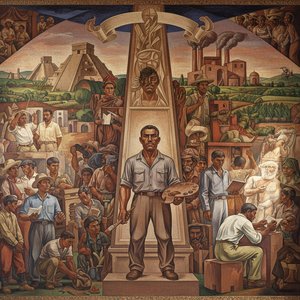
Diego Rivera: A Revolutionary Vision of Mexican Identity Through Muralism
Explore the revolutionary murals of Diego Rivera and his profound impact on Mexican art & identity. Discover his techniques, iconic works like 'Man at the Crossroads,' and lasting legacy with OriginalUniqueArt.
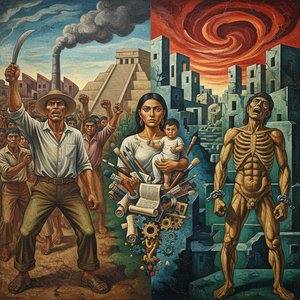
Revolution on Canvas: Exploring the Socio-Political Power & Artistic Legacy of Mexican Muralism
Explore the powerful world of Mexican muralism! Discover Diego Rivera, Frida Kahlo & Orozco's revolutionary art, social impact & lasting legacy. Expert insights & high-quality reproductions at OriginalUniqueArt.
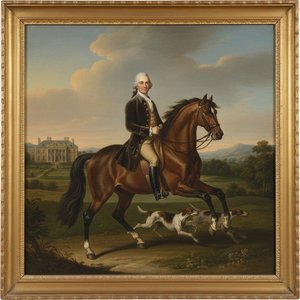
John Francis Sartorius II: Equestrian Elegance & the Rise of British Portraiture
Explore the captivating world of Francis Sartorius II (1734-1804), a leading British painter renowned for his exquisite equestrian portraits and hunting scenes. Discover his life, techniques & enduring legacy.
Timeless Valentine's Day Gifts: A Procurement Guide to Premium Hand-Painted Art Reproductions
Discover premium hand-painted art reproductions for unforgettable Valentine's Day gifts. From custom oil portraits to museum-quality classics, we provide professional procurement solutions with global shipping, bulk ordering, and guaranteed excellence for collectors and professionals.

Roy Lichtenstein: Top 25 diel pop artu pre váš domov | OriginalUniqueArt.sk
Objavte top 25 diel Roy Lichtensteina – ikony pop artu, ktoré zmenili svet umenia. Prežite príbeh farieb, techník a inšpirácie. Reprodukcie obrazov pre váš domov na OriginalUniqueArt.sk! Preskúmajte celú kolekciu online.



