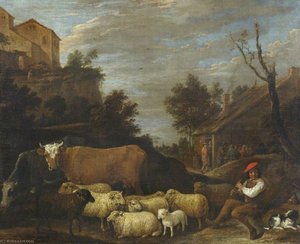
Náhľad v interiéri
 Odoslať ako digitálnu kartu
 Zdieľať
 Podrobnosti o dielo
 Príručka

 Stiahnuť obraz
 Podobné položky
 RTG skúška
 Prehliadanie diapozoje
 Otázky a odpovede
 Štatistiky
The Surgeon

- 57.0 x 73.0 cm


 Zobraziť viac
Giclée / Umenotlač
Giclée tlač alebo plátno múzeálnej kvality s rýchlou výrobou a rôznymi možnosťami povrchovej úpravy. ( Kúpiť ručne maľovaný obraz Prepnúť na digitálny obraz)




P118B €10

P118H €10

P118W €10

P438Z €10

P508JH €12

P508YH €12

P805H €10

P805Z €10

P919BZ €10

P919G €10

P919XJ €10

P959ZH €10

P968JZ €12

W106C €8

W218G €10

W218JH €8

W218Y €10

W307PJ €10

W316G €10

W316PJ €8

W316Y €10

W398PJ €8

W4111J €10

W500HY €15

W500JH €15

W692G €12

W849H €8

W940BG €15

W953PJ €8




Vyberte si z našich preddefinovaných rozmerov, ktoré zodpovedajú pôvodným pomeroḿ diela.

Zadajte šírku a výšku, ktoré potrebujete, aby sa reprodukcia hodila k vášmu rámu alebo stene. Print možno len orezávať, nikdy však nemennú veľkosť zvětšiť oproti pôvodnému obrázku, preto pri inom formáte stráca časť obrazu. Pred samotným vytlačiacím procesom vám pošleme digitálny náhľad na schválenie. Obrázok zobrazený na tejto stránke nezobrazuje reálny rez — len digitálny náhľad ukazuje presný výsledok.
Celosvetová doprava () do 2 týždňov namiesto štandardných 4 až 5 týždňov. (7 november)

Bezplatná expresná doprava po celom svete

Vysokokvalitné lnianske plátno

Kompletné poistenie prepravy

Záruka vrátenia colného poplatku

Záruka presného farebného zhodnutia

100-dená politika vrátenia tovaru (iba pri vadách)

100% záruka vrátenia peňazí

Zľava pri väčšom množstve
 Možnosť skla je dostupná len pri rozmeroch pod 110 cm

The Surgeon
Giclée / Umenotlač
Veľkosť reprodukcie
-


Celková cena
€ 72
A Glimpse into a World of Healing and Observation
David Teniers the Younger’s “The Surgeon,” painted around 1670, isn't merely a depiction of a medical scene; it’s a meticulously rendered snapshot of daily life within a bustling apothecary and surgical workshop. The painting immediately draws the eye into a crowded room filled with figures engaged in various activities – a surgeon intently focused on his patient, assistants tending to instruments, and onlookers observing the procedure. This isn't a grand portrait of heroic medicine; instead, it offers an intimate, almost voyeuristic view of the practical realities of medical practice during the Dutch Golden Age. The composition is deliberately dense, reflecting the organized chaos inherent in a working environment where life and death were intimately intertwined.
The scene unfolds within a space defined by earthy tones – browns, ochres, and muted greens dominate the palette, lending an air of realism and groundedness to the portrayal. Subtle touches of red appear in clothing and bandages, providing visual contrast and drawing attention to the act of healing itself. Teniers’ masterful use of hatching and cross-hatching creates a remarkable sense of texture, from the rough wool of garments to the smooth surfaces of porcelain jars filled with medicinal ingredients. The artist skillfully employs light – primarily emanating from a window on the left – to sculpt forms and cast shadows, adding depth and drama to the composition. The limited perspective, while somewhat flattened, effectively guides the viewer’s eye through the crowded room, emphasizing key figures and details.
The Artist's Hand: Technique and Style
“The Surgeon” is a prime example of David Teniers the Younger’s signature style – a blend of meticulous observation and genre painting. He was renowned for his ability to capture the nuances of everyday life, imbuing even mundane scenes with a sense of vitality and interest. The brushwork is visible yet controlled, contributing to the overall realism of the piece. Notice how Teniers renders the folds in clothing, the textures of skin, and the details of surgical instruments – each element meticulously rendered with careful attention to detail. The painting’s foundation lies in oil paints applied to canvas, a technique that allowed for layering and blending, creating rich colors and subtle gradations of tone.
Furthermore, Teniers' work reflects the influence of his mentor, Peter Paul Rubens, particularly in his use of vibrant color and dynamic composition. However, unlike Rubens’ grand historical scenes, Teniers focused on capturing the immediacy of a domestic setting. The painting is not just a record of events; it’s an invitation to step into a world where medicine was practiced within the familiar confines of a workshop, alongside the rhythms of daily life.
Symbolism and Context: A Window into 17th-Century Medicine
Beyond its immediate visual appeal, “The Surgeon” offers a fascinating glimpse into the cultural attitudes surrounding medicine during the 17th century. The presence of anatomical tools, surgical instruments, and even a monkey – often associated with alchemy and medical knowledge – hints at the prevailing fascination with the human body and the pursuit of healing. Skulls are also present, serving as stark reminders of mortality and the fragility of life. These elements collectively evoke a sense of both wonder and apprehension regarding the practice of medicine.
The painting’s historical context is crucial to understanding its significance. During this period, medical knowledge was still evolving, often blending traditional remedies with emerging scientific discoveries. The scene depicted reflects the collaborative nature of medical care, where surgeons relied on assistants and apprentices to aid in their procedures. “The Surgeon” isn't a celebration of surgical prowess; it’s a testament to the shared experience of healing within a community.
A Timeless Masterpiece: Reproduction and Legacy
David Teniers the Younger’s “The Surgeon” remains a captivating work of art, offering a rare glimpse into the world of 17th-century medicine. Reproductions capture the painting's rich detail and evocative atmosphere, making it an ideal addition to any home or office. Its enduring appeal lies in its ability to transport viewers back in time, inviting them to contemplate the complexities of human health, knowledge, and the ever-present pursuit of healing.
Otázky a odpovede
Ako si môžem pozrieť „The Surgeon“ od David Teniers Mladší v formie prezentácie?
Diaporama diela „The Surgeon“ si môžete pozrieť na jeho stránke Prehliadanie diela.
V akom médiu je vytvorené dielo „The Surgeon“ od David Teniers Mladší?
„The Surgeon“ je realizované v technike Oil On Canvas.
Kde môžem nájsť štatistiky k dielu „The Surgeon“ od David Teniers Mladší?
Štatistiky k dielu „The Surgeon“ od David Teniers Mladší nájdete na jeho stránke Štatistiky: zahŕňajú mesačné návštevy diela, návštevnosť prác daného umelca a rozdelenie nedávnych návštevníkov podľa krajín a jazykov.
Biografia umelca
Rané detstvo a rodinný pozadí
- Narodenie: Antverpy, vtedajšie Španielske Nemecko, pokrstený 15. decembra 1610.
- David Teniers Mladší pochádzal z rodiny hlboko zakorenenej v umeleckej tradícií Flanderska. Jeho otec, David Teniers Starší, bol tiež maliarom a jeho mladší bratia Juliaan, Theodoor a Abraham sa rovnako stali časťami tejto umeleckej línie.
- Výučba: Od roku 1626 študoval pod vedením svojho otca, kde získal svoje základné vzdelanie v oblasti maliarskych techník a štýlov.
- Keďže jeho otec bol často v dlhoch a niekedy za ne aj uväznený, mladý David vytváral kópie malieb starých majstrov, aby pomohol zabezpečiť existenciu rodiny.
- Antverpské cech: V rokoch 1632–1633 sa stal majstrom Antverpského cechu svätého Lukáša a v období 1644–1645 pôsobil ako jeho dekan.
Umelecký rozvoj a vplyvy
- Rané vplyvy: Jeho raná tvorba nadväzovala na malé kabinetné maľby jeho otca a prostredníctvom neho aj na príklady Adama Elsheimera. Do konca 30. rokov 19. storočia boli jeho diela v téme, technike, farbe aj kompozícii veľmi blízke tvorbe Adriena Brouwera.
- Rubensov kruh: V roku 1637 si oženil Annu Brueghel, dcéru Jana Brueghela Staršieho. Peter Paul Rubens, ktorý bol jej opatrovateľom po smrti otca, bol svedkom na svadbe, čím Teniersa priviedol do kruhu najvýznamnejších antverpských maliarov. etään
- Špecializácia na žánrové malby: Teniers sa postupne špecializoval na žánrové malby – znázorňovanie každodenného života – a získal slávu vďaka svojim živým scénam s ľudovými slávami (kermess), interiérom krčmí a dedinským krajinám.
Hlavné diela a umelecký štýl
- Žánrové scény: Jeho najslávnejšie diela sú jeho žánrové maľby. Tie často zobrazujú rušné scény zo života chudobných ľudí, plné radosti, tanca, pitia a hierok.
- Maľby kermess: Dedinské hostiny, ako napríklad Flemish Kermess, predstavujú vrchol jeho štýlu – živé farby, detailné kompozičné prvky a bystrú pozornosť venovanú ľudskému správaniu.
- Interiéry krčiem: Jeho scény v krčmách sú obzvlášť významné pre svoj realistický portrét každodenného života a živú atmosféru, ktorá v týchto priestoroch panuje.
- Mimo dedinu: Mal tiež krajiny, scény z kasární, alchymistov a lekárov pri práci, ako aj vtipné singeries, v ktorých małpky odohrávajú ľudské záležitosti.
- Maľby galérií: Jeho pohľady na obrazovú galériu arcduka, ktorých steny sú zaplnené rozpoznateľnými majstrovskými dielami, ho urobili vedúcou postavou tohto typicky flandroského žánru.
Court Painter a kurátor
- Služba arcdukovi Leopoldovi Wilhelmovi: Kolem roku 1650 sa Teniers presťahoval do Bruselu, aby slúžil arcdukovi Leopoldovi Wilhelmovi, guvernérovi Španielskych Nizín, ako dvorský maliar a správca jeho umeleckej zbierky.
- Správa zbierky: Pomáhal arcdukovi získavať majstrovské diela, vrátane malieb z rozptýlenej anglickej kráľovskej zbierky a Hamiltonovej zbierky. Zbierka vzrástla na približne 1300 diel a neskôr tvorila základ múzea Kunsthistorisches Museum vo Viedni. }\,\
- Theatrum Pictorium: Publikované v Bruseli v roku 1660, reprodukovalo 246 talianskych malieb z arcdukovskej zbierky formou gravírov – išlo o prvý ilustrovaný katalóg zbierky starých majstrov.
- Učedníci: Verí sa, že v Bruseli uňho vzdelával Gillis van Tilborgh, ktorý neskôr obsadil rovnakú funkciu správcu dvorského múzea.
- Neskorší život: Po smrti Anny sa v roku 1656 oženil s Isabellou de Fren. Žaloval španielskeho kráľa o šľachtický titul, ale vzdal sa ho, keď mu bolo povedané, že by musel prestať predávať svoje maľby.
- Antverpská akadémia: Teniers bol hlavnou hnoučou silou pri založení Académie krásnych umení v Antverpách, ktorej získal kráľovský listinu v roku 1663 s cieľom oživiť flandromske maliarstvo po smrti Rubensov a Van Dycka.
Historický význam a odkaz
- Vedúci žánrový maliar: David Teniers Mladší je považovaný za najvýznamnejšieho flandroského žánrového maliara svojej doby, ktorý s neuveriteľnou zručnosťou zachytil podstatu života v 17. storočí.
- Vplyv na neskorších umelcov: Jeho tvorba ovplyvnila nasledujúce generácie severoeurópskych maliarov a zasiahla dokonca aj francúzskych umelcov obdobia rokoka, ako bol Antoine Watteau.
- Produktivita: Teniers bol neuveriteľne produktívnym umelcom, ktorý vytvoril obrovské dielo, ktoré je dodnes obdivované pre svoj šarm, detail a historický vhľad.
- Smrť: V Bruseli zomrel 25. apríla 1690, pričom za sebou zanechal trvalý odkaz ako jeden z najdôležitejších barokných maliarov Flanderska.
David Teniers Mladší
1610 - 1690 , Belgysko
Súvisiace články
David Teniers II: Master of Flemish Genre & Social Commentary
Explore the captivating world of David Teniers II, a leading Flemish Baroque painter renowned for his lively genre scenes & insightful social commentary. Discover his masterpieces and legacy with OriginalUniqueArt.
Scenes of Daily Life: A Comprehensive Exploration of Genre Painting Through History
Explore the rich history of genre painting! Discover Dutch Masters & European artists who captured everyday life with stunning realism. Learn about symbolism, techniques & lasting influence.
Gerard David: Bridging Late Medieval Tradition with Early Renaissance Humanism
Explore the captivating world of Gerard David, a pivotal figure bridging late medieval artistry with the Early Renaissance. Discover his innovative techniques, religious masterpieces, and enduring legacy – a must-read for discerning art collectors.
David Teniers the Younger: Genre Painting & Social Commentary in Baroque Flanders
Explore the captivating world of David Teniers the Younger, a leading Flemish Baroque painter. Discover his genre scenes, social commentary, and lasting influence on 17th-century art. Learn about his life, techniques & legacy.

Sir David Wilkie: Narrative Detail & the Rise of Victorian Genre Painting
Explore the life & work of Sir David Wilkie, a pivotal figure in Victorian genre painting. Discover his narrative detail, social commentary, and lasting influence on 19th-century British art. Learn more at OriginalUniqueArt.