Zobraziť v interiéri
 Odoslať
 Zdieľať
 Podrobnosti
 Príručka

 Stiahnuť
 Podobné položky
 RTG skúška
 Prehliadanie diapo\]
 Štatistiky
The Kitchen
 Acrylic On Canvas
- WallArt
- Baroque
 1646
1646 171.0 x 237.0 cm
 Ermitáž
 Prečítať si viac
Giclée / Umenotlač
Giclée tlač alebo plátno múzeálnej kvality s rýchlou výrobou a rôznymi možnosťami povrchovej úpravy. ( Objednať ručne maľovanú reprodukciu Prepnúť na digitálnu verziu obrazu)




P118B €10

P118H €10

P118W €10

P438Z €10

P508JH €12

P508YH €12

P805H €10

P805Z €10

P919BZ €10

P919G €10

P919XJ €10

P959ZH €10

P968JZ €12

W106C €8

W218G €10

W218JH €8

W218Y €10

W307PJ €10

W316G €10

W316PJ €8

W316Y €10

W398PJ €8

W4111J €10

W500HY €15

W500JH €15

W692G €12

W849H €8

W940BG €15

W953PJ €8




Vyberte si z našich preddefinovaných rozmerov, ktoré zodpovedajú pôvodným pomeroḿ diela.

Zadajte šírku a výšku, ktoré potrebujete, aby sa reprodukcia hodila k vášmu rámu alebo stene. Print možno len orezávať, nikdy však nemennú veľkosť zvětšiť oproti pôvodnému obrázku, preto pri inom formáte stráca časť obrazu. Pred samotným vytlačiacím procesom vám pošleme digitálny náhľad na schválenie. Obrázok zobrazený na tejto stránke nezobrazuje reálny rez — len digitálny náhľad ukazuje presný výsledok.
Celosvetová doprava () do 2 týždňov namiesto štandardných 4 až 5 týždňov. (24 október)

Bezplatná expresná doprava po celom svete

Vysokokvalitné lnianske plátno

Úplné poistenie prepravy

Záruka vrátenia colného poplatku

Záruka presného farebného zhodnutia

100-dená politika vrátenia tovaru (iba pri vadách)

100% záruka vrátenia peňazí

Ponuka množstevnej zľavy
 Možnosť skla je dostupná len pri rozmeroch pod 110 cm

The Kitchen
Giclée / Umenotlač
Veľkosť reprodukcie
-


Celková cena
€ 70
A Snapshot of Everyday Life: David Teniers the Younger’s “The Kitchen”
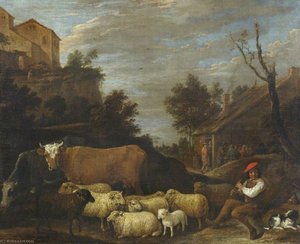
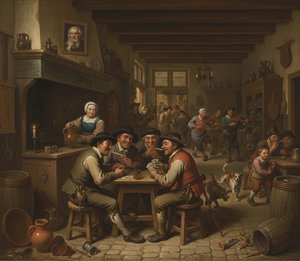
David Teniers the Younger's "The Kitchen," painted in 1646, isn’t merely a depiction of a domestic scene; it’s a vibrant tableau brimming with life, humor, and an astute observation of Flemish society. This remarkable work transcends simple genre painting, offering a glimpse into the heart of a bustling household—a microcosm reflecting the rhythms and relationships of everyday existence. Measuring 171 x 237 cm, the canvas explodes with activity, populated by thirteen individuals engaged in various tasks within a richly detailed kitchen environment. The sheer number of figures, coupled with their diverse interactions – from children playfully chasing birds to adults tending hearths and tables – immediately draws the viewer into this immersive world.
The painting’s Baroque style is evident in its dynamic composition, dramatic lighting, and meticulous attention to detail. Teniers masterfully employs a technique of *alla prima*, working directly onto the wet canvas without underdrawing, resulting in a sense of immediacy and spontaneity. Notice how he captures the textures of rough-hewn wooden furniture, the glint of metal tools, and the folds of fabric with remarkable precision. The artist’s use of color is equally noteworthy – warm earth tones dominate, punctuated by brighter accents that draw attention to key elements within the scene, such as a vibrant red tablecloth or the gleam of copper pots.
A Window into 17th-Century Flanders
To understand “The Kitchen,” it’s crucial to situate it within its historical context. The painting was created during a period of significant artistic and social change in the Netherlands, following the decline of the High Renaissance and the rise of Baroque styles. David Teniers the Younger emerged as a leading figure in this transition, skillfully blending influences from his father's earlier work with contemporary trends. His subject matter often revolved around scenes of rural life, domestic interiors, and tavern gatherings – themes that resonated deeply with the burgeoning middle class.
The inclusion of numerous animals—a dog, two cats, and a flock of birds—adds another layer of interest to the composition. Animals were frequently depicted in Flemish art, often serving as symbols of fertility, abundance, or domesticity. In “The Kitchen,” they seamlessly integrate into the human drama, contributing to the overall sense of lively chaos. The presence of books suggests an appreciation for learning and intellectual pursuits within the household, while the scattered bottles and bowls hint at a life filled with simple pleasures and convivial gatherings.
Symbolism and Social Commentary
Beyond its immediate visual appeal, “The Kitchen” offers subtle insights into 17th-century Flemish society. The scene’s bustling energy reflects the importance of family and community in this era. The various activities taking place—cooking, eating, cleaning, and socializing—highlighted the central role of the home as a focal point for social interaction. The inclusion of both adults and children underscores the multi-generational nature of Flemish households. Furthermore, the painting’s depiction of everyday life provides a valuable glimpse into the material culture and social customs of the time.
Interestingly, Teniers' career was marked by a remarkable versatility. He served as a court painter, a printmaker, and even a curator for Archduke Leopold Wilhelm, demonstrating a broad range of artistic skills and interests. His ability to capture both the grandeur of formal portraits and the intimacy of genre scenes cemented his reputation as one of the most prolific and influential artists of his generation. “The Kitchen” stands as a testament to this remarkable talent, offering a captivating window into a bygone era.
Otázky a odpovede
Kto vytvoril „The Kitchen“ a v ktorom roku?
Autorom diela „The Kitchen“ je David Teniers mládejší a vzniklo v roku 1646.
Aká podkladová farba prechádza dielom „The Kitchen“ od David Teniers mládejší?
Dominantným odtieňom diela „The Kitchen“ od David Teniers mládejší je Golden Yellow Range. Tento odtieň predstavuje základný tón palety.
Patrí „The Kitchen“ od David Teniers mládejší medzi známe umelecké diela?
„The Kitchen“ je klasifikované ako Recognized.
Biografia umelca
David Teniers mladší: Život a odkaz
Raný život a rodinné prostredie
- Narodenie: Antverpy, Belgicko, 15. decembra 1610.
- David Teniers mladší pochádzal z rodiny, ktorá bola hlboko zakorenená v umeleckej tradíencii Flándska. Jeho otec, David Teniers starší, bol tiež maliarom a niekoľko jeho súrodencov sa rozhodlo nasledovať túto umeleckú cestu.
- Školenie: Pôvodne študoval pod vedením svojho otca, kde získal základné vzdelanie v oblasti maliarskych techník a štýlov.
- Rodina sa v niektorých obdobiach potýkala s finančnými deťmi, čo mladého Davida donútilo vytvárať kopie starších majstrovských diel, aby pomohol prispieť k domácemu rozpočtu.
Umelecký rozvoj a vplyvy
- Rané vplyvy: Jeho raná tvorba bola silne ovplyvnená štýlom jeho otca, pričom sa zameriavala skôr na menšie kabinetné malby. Do svojej tvorby si však neskor začal osvojovať vplyvy aj iných flámskych majstrov, ako bol napríklad Pieter Bruegel starší. Rubensov dopad:
- Zlomovým momentom v Teniersovom vývoji bola jeho spolupráca s Peterom Paulom Rubensom. Oženil sa pre Annu Brueghel, dcéru Jana Brueghela staršieho, a Rubens bol pri ich svadbe dokonca svadobným svedkom, čo medzi nimi vytvorilo blízky vzťah.
- Špecializácia na žáner: Teniers sa postupne špecializoval na žánrové malbas – zachytávanie každodenného života – a získal slávu vďaka svojim živým scénam z ľudových veselíc (kermess), interiérom krčiem a dedinskej krajine.
Hlavné diela a umelecký štýl
- Žánrové scény: Jeho najslávnejšie diela sú práve jeho žánrové obrazy. Tie často zobrazujú rušné scény zo života prostého ľudia, plné radosti, tanca, pitia a zábavy.
- Maľby kermess: Séria „Flemish Kermess“ je dokonalým príkladom jeho štýlu – plného živých farieb, detailných kompozícií a bystrej pozorování ľudského správania.
- Tvorba krajin
- Teniers vytváral aj očarujúce krajinárske maľby, ktoré často dopĺňali postavy zapojené do vidieckych činností.
- Interiéry krčiem: Jeho scény v krčmách sú obzvlášť významné pre svoj realistický portrét každodenného života a živú atmosféru, ktorá v týchto priestoroch panuje.
Dvorský maliar a kurátor
- Služba arcipadukovi Leopoldovi Wilhelmovi: Teniersovo nadanie si získalo uznanie na habsburskom dvore. Stal sa dvorským maliarom a kurátorom pre arcipaduka Leopolda Wilhelma, generálneho guvernéra Španielskeho Nizozemí.
- Správa zbierky: Ako kurátor bol zodpovedný za správu rozsiahlej umeleckej zbierky arcipaduka, čo zahŕňalo vytváraním inventárov a katalogizáciu jednotlivých diel.
- Založenie akadémie v Antverpách: Teniers zohral kľúčovú úlohu pri založení Antverpskej akadémie krásnych umení, pričom jeho cieľom bolo oživiť flámske maľby po období úpadku, ktoré nastalo po smrti Rubensov a Van Dycka.
Historický význam a odkaz
- Predná žánrová maliarka: David Teniers mladší je považovaný za najvýznamnejšieho flámskeho žánrového maliara svojej doby, ktorý dokázal s neuveriteľnou zručnosťou zachytiť podstatu života v 17. storočí.
- Vplyv na neskorších umelcov: Jeho tvorba ovplyvnila nasledujúce generácie severoeurópskych maliarov a zasiahla dokonca aj francúzskych umelcov obdobia rokoka, ako bol napríklad Antoine Watteau.
- Produktivita: Teniers bol nesmierne produktívnym umelcom, ktorý vytvoril obrovské dielo, ktoré je dodnes obdivované pre svoj šarm, detailnosť a historický vhľad.
- Smrť: V Antverpách zomrel 25. apríla 1690, pričom za sebou zanechal trvalý odkaz ako jeden z najdôležitejších barokných maliarov Flándska.
David Teniers mládejší
1610 - 1690 , Belgicko
Rýchle fakty
- Artistic Movement Or Style: Barok
- Artists Or Movements Influenced By This Artist: ['Antoine Watteau']
- Artists Who Influenced This Artist: Petr Pavel Rubens
- Date Of Birth: 1610
- Date Of Death: 1690
- Full Name: David Teniers the Younger
- Nationality: Flámsky
- Notable Artworks:
- Dve opitanci
- Osídlenie
- Kuchynná
- Fliamský kermess
- Place Of Birth: Antverpy, Belgicko
Súvisiace články
Jacob Jordaens: Baroque Dynamism & Genre Innovation of the Antwerp School
Discover Jacob Jordaens, a leading Flemish Baroque painter renowned for his dynamic compositions & realistic genre scenes. Explore his life, art, and lasting influence with OriginalUniqueArt.
David Teniers the Younger: Genre Painting & Social Commentary in Baroque Flanders
Explore the captivating world of David Teniers the Younger, a leading Flemish Baroque painter. Discover his genre scenes, social commentary, and lasting influence on 17th-century art. Learn about his life, techniques & legacy.
David Teniers II: Master of Flemish Genre & Social Commentary
Explore the captivating world of David Teniers II, a leading Flemish Baroque painter renowned for his lively genre scenes & insightful social commentary. Discover his masterpieces and legacy with OriginalUniqueArt.

The Visceral Stage: Exploring Dramatic Narratives & Emotional Intensity in Baroque Art
Explore the dramatic world of Baroque art! Discover iconic masters like Caravaggio & Rembrandt, their techniques, and the movement's lasting impact. Expert insights for collectors & enthusiasts at OriginalUniqueArt.

Mastering Drama and Light: A Definitive Guide to the Flemish Baroque Art Movement
Explore the dramatic brilliance of the Flemish Baroque movement. Discover how masters like Peter Paul Rubens utilized chiaroscuro and dynamic composition to redefine art history through light, shadow, and unparalleled emotion.