

 Zobraziť v interiéri
 Odoslať
 Zdieľať
 Podrobnosti
 Príručka

 Stiahnuť
 Podobné položky
 RTG skúška
 Prehliadanie diapo\]
 Štatistiky
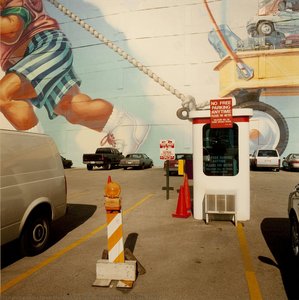
Maine Rock
 1980
1980 38.0 x 48.0 cm
 Prečítať si viac
Ručne maľovaná olejová reprodukcia
Ručne maľovaný olej na plátne vo vašej zvolenej veľkosti a v ráme, vyrobený na mieru našimi umelcami. ( Prepnúť na tlač Prepnúť na digitálnu verziu obrazu)




































Vyberte si z našich preddefinovaných rozmerov, ktoré zodpovedajú pôvodným pomeroḿ diela.

Môžete zadať vlastné rozmery tak, aby sa hodili do konkrétneho rámu alebo priestoru. Ak sa váš zvolený rozmer nezhoduje s pôvodnými proporciami obrazu, dielo buď orezáme, alebo ho doplníme ručne maľovanými prvkami. Pred začiatkom výroby vám zašleme digitálny náhľad na schválenie.
Upozorňujeme, že ukážka na obrazovke neodráža skutočné orezanie ani doplnenie. Skutočnú finálnu kompozíciu zobrazuje iba digitálny náhľad.
Hoci sú k dispozícii vlastné rozmery, odporúčame vybrať rozmer z preddefinovaného zoznamu, aby sme zachovali pôvodné proporcie.
Po odoslaní objednávky vám tím OriginalUniqueArt.com pošle e-mail s pokynmi a poskytne náhľad na návrh
Celosvetová doprava () za 3 až 4 týždne namiesto štandardných 5 týždňov. (26 september). Bez kompromisov v kvalite.

Bezplatná expresná doprava po celom svete

Vysokokvalitné lnianske plátno

Úplné poistenie prepravy

Záruka vrátenia colného poplatku

Záruka presného farebného zhodnutia

100-dená politika vrátenia tovaru (iba pri vadách)

100% záruka vrátenia peňazí

Ponuka množstevnej zľavy
 Možnosť skla je dostupná len pri rozmeroch pod 110 cm

Maine Rock
Spôsob reprodukcie
Veľkosť reprodukcie
-


Celková cena
$ 300
Biografia umelca
The Soul of the American Landscape: The Artistry of David Marshall Graham
To encounter the work of David Marshall Graham is to step into a realm where the rugged reality of the American landscape meets the ethereal whispers of the subconscious. Born in 1947, Graham has spent a lifetime translating the quiet majesty of Maine’s coastline and its verdant, rural interiors into a visual language that is both deeply grounded and hauntingly dreamlike. His journey began in Feasterville, Pennsylvania, within a household where the creative spirit was a constant companion. Raised by a father who was a sculptor, Graham developed an early, profound sensitivity to form, texture, and the way light interacts with the physical world—elements that would later become the cornerstone of his celebrated oil paintings.
His formal education at the Pratt Institute in Brooklyn provided the technical crucible necessary to refine his burgeoning talent. It was here that he mastered the intricate art of color layering, a technique that allows his canvases to possess an inner luminosity, as if the light were emanating from within the paint itself rather than merely reflecting off its surface. This mastery of medium allowed him to move beyond simple representation, enabling him to capture the atmospheric weight of a misty morning on the Atlantic or the sun-drenched stillness of a woodland clearing with unparalleled precision.
A Synthesis of Realism and Surrealism
The true brilliance of Graham’s oeuvre lies in his ability to blend meticulous realism with subtle, often unsettling, surrealist undertones. While his subjects—the windswept pines, the jagged Maine rocks, and the solitary figures of Americana—are instantly recognizable, there is an emotional depth that transcends mere topography. He does not simply paint a landscape; he paints the feeling of a landscape. His compositions often utilize symbolic elements such as birds in flight or isolated trees to evoke themes of resilience, solitude, and the profound connection between humanity and the natural world.
This stylistic duality draws inevitable comparisons to masters of American art. One can sense the quiet, psychological tension of Edward Hopper in his depictions of solitude, paired with the sweeping, dramatic grandeur found in the works of Albert Bierstadt. By weaving these influences together, Graham creates a unique aesthetic that captures the "Americana" spirit—a nostalgic yet piercingly modern reflection on the beauty and the loneliness of the American wilderness.
Evolution and Lasting Legacy
As his career progressed through the 1970s and 80s, Graham’s work underwent a fascinating metamorphosis. While his early successes were rooted in the breathtaking landscapes of the Northeast, he began to experiment with more psychological and introspective imagery. This period of development saw him moving toward a style that incorporated dreamlike elements, where the boundaries between the physical world and the internal psyche became increasingly blurred. His paintings from this era serve as poignant narratives, inviting the viewer to contemplate their own place within the vast, often mysterious, cycles of nature.
Today, the significance of David Marshall Graham’s contribution to American landscape painting remains profound. His ability to capture the "soul" of a region—specifically the rugged, enduring spirit of Maine—has earned him a lasting place in the hearts of collectors and art enthusiasts alike. Through his evocative use of color, light, and symbolism, he continues to remind us that the landscapes we inhabit are not merely scenery, but mirrors reflecting our deepest human experiences.
Rýchle fakty
- Artistic Movement Or Style: Photorealism
- Artists Or Movements Influenced By This Artist: ['Photorealism']
- Artists Who Influenced This Artist:
- Edward Hopper
- Richard Estes
- Date Of Birth: 1947
- Full Name: David Marshall Graham
- Nationality: American
- Notable Artworks: ['Robin, Feasterville']
- Place Of Birth: Feasterville, Pennsylvania, USA