
 Náhľad v interiéri
 Odoslať ako digitálnu kartu
 Zdieľať
 Podrobnosti o dielo
 Príručka

 Stiahnuť obraz
 Podobné položky
 RTG skúška
 Prehliadanie diapozoje
 Otázky a odpovede
 Štatistiky
The twelfth


 Zobraziť viac
Umelecké dielo zobrazené na tejto stránke je chránené autorským zákonom, čo znamená, že nemôžeme legálne vytvárať ani predávať jeho identickú reprodukciu. Táto ochrana je vymáhaná na základe medzinárodných dohôd, ako napríklad Bernská konvencia a národnými zákonmi, vrátane tých, ktoré sú stanovené v Autorské právo USA – Title 17. Všetky práva vyhradené.
Táto metóda plne dodržiava autorské práva, pretože nezahŕňa kopírovanie ani duplikovanie chráneného diela. Ide skôr o kreatívnu reinterpretáciu – nový obraz, ktorý je ovplybnený originálom, no nie je s ním identický.
Giclée / Umenotlač
Giclée tlač alebo plátno múzeálnej kvality s rýchlou výrobou a rôznymi možnosťami povrchovej úpravy. ( Kúpiť ručne maľovaný obraz Prepnúť na digitálny obraz)




P118B €10

P118H €10

P118W €10

P438Z €10

P508JH €12

P508YH €12

P805H €10

P805Z €10

P919BZ €10

P919G €10

P919XJ €10

P959ZH €10

P968JZ €12

W106C €8

W218G €10

W218JH €8

W218Y €10

W307PJ €10

W316G €10

W316PJ €8

W316Y €10

W398PJ €8

W4111J €10

W500HY €15

W500JH €15

W692G €12

W849H €8

W940BG €15

W953PJ €8




Vyberte si z našich preddefinovaných rozmerov, ktoré zodpovedajú pôvodným pomeroḿ diela.

Zadajte šírku a výšku, ktoré potrebujete, aby sa reprodukcia hodila k vášmu rámu alebo stene. Print možno len orezávať, nikdy však nemennú veľkosť zvětšiť oproti pôvodnému obrázku, preto pri inom formáte stráca časť obrazu. Pred samotným vytlačiacím procesom vám pošleme digitálny náhľad na schválenie. Obrázok zobrazený na tejto stránke nezobrazuje reálny rez — len digitálny náhľad ukazuje presný výsledok.
Celosvetová doprava () do 2 týždňov namiesto štandardných 4 až 5 týždňov. (15 november)

Bezplatná expresná doprava po celom svete

Vysokokvalitné lnianske plátno

Kompletné poistenie prepravy

Záruka vrátenia colného poplatku

Záruka presného farebného zhodnutia

100-dená politika vrátenia tovaru (iba pri vadách)

100% záruka vrátenia peňazí

Zľava pri väčšom množstve
 Možnosť skla je dostupná len pri rozmeroch pod 110 cm

The twelfth
Giclée / Umenotlač
Veľkosť reprodukcie
-


Celková cena
€ 72
A Symphony of Color and Perception
In the vibrant tapestry of twentieth-century art, few works capture the sheer joy of visual discovery quite like David Hockney’s “The Twelfth.” Painted in 1973, this masterpiece serves as a profound testament to the artist's lifelong commitment to capturing the essence of experience through a lens of brilliant color and simplified form. To gaze upon this composition is to enter a world where the boundaries between reality and abstraction dissolve into a rhythmic dance of shapes. Hockney does not merely seek to replicate the world; he seeks to translate the very feeling of sight itself, inviting the viewer to participate in a sensory celebration that mirrors the immediacy of human perception.
The painting presents an enchanting arrangement of geometric elements, where large, sweeping circles and smaller, scattered discs create a sense of celestial movement across the canvas. A central, vase-like silhouette anchors the composition, providing a structural heartbeat amidst the swirling blues and energetic accents of orange and yellow. This deliberate reduction of detail—a technique Hockney famously referred to as “joinery”—allows the viewer to focus on the pure emotional resonance of color. By stripping away the clutter of meticulous realism, Hockney achieves an uncanny sense of presence, evoking the warmth of sunlight filtering through a garden or the tranquil stillness of a summer afternoon.
The Legacy of British Pop and Modern Vision
Emerging from the burgeoning energy of the British Pop Art movement, “The Twelfth” embodies a pivotal moment in art history when creators began to reject the heavy intellectualism of Abstract Expressionism in favor of something more democratic and accessible. Drawing inspiration from the visual language of popular culture—from advertising to the bold graphics of comic books—Hockney infused his work with a vitality that felt both modern and deeply personal. This piece stands as a bridge between the structured traditions of his training at the Royal College of Art and the liberated, experimental spirit of the 1970s.
For the discerning collector or interior designer, this artwork offers much more than mere decoration; it provides a focal point of intellectual and aesthetic depth. The painting’s ability to harmonize cool, tranquil blues with sudden bursts of warmth makes it an incredibly versatile piece for sophisticated modern interiors. Whether placed in a sun-drenched gallery or a contemporary living space, “The Twelfth” radiates an aura of optimism and clarity. It is a work that does not demand attention through complexity, but rather commands it through its profound ability to inspire wonder and a renewed appreciation for the beauty found in simple, observed truths.
Otázky a odpovede
Aká podkladová farba prechádza dielom „The twelfth“ od David Hockney?
„The twelfth“ skloní sa k Warm Sunset Tones odtieňu.
Kde by sa odporúčalo vystaviť dielo "The twelfth", vzhľadom na jeho farebnú paletu?
Dark farebná paleta diela „The twelfth“ od David Hockney dokonale ladí s jeho odporúčaným priestorom: Living Room.
Aké farby dominujú v diele „The twelfth“ od David Hockney?
„The twelfth“ od David Hockney využíva paletu v odtieňoch Dark, pričom dominantnou farbou je Mahogany (#ae5817).
Biografia umelca
Život a rané roky Davida Hockneya
David Hockney sa narodil 9. júla 1937 v Bradforde v West Yorkshire, v Anglicku. Vyrastal v rodine s piatimi deťmi, v ktorej bol štvrtým členom. Jeho otec, Kenneth Hockney, pracoval ako účtovný úradník a počas druhej svetovej vojny bol nesvedomnostným odmietateľom vojenskej služby. Jeho matka, Laura, bola metodistkou a prísnou vegetariánkou. Tieto rané roky strávil v priemyselnej krajine Yorkshire, v mieste domovov z tehál a rušných trhov.
Základná škola ho priviedla na Wellington Primary School, odkiaľ pokračoval na Bradford Grammar School. Počas tohto obdobia ho okolie Bradfordu hlboko formovalo a ovplyvnilo jeho spôsob vnímania sveta. Drsnosť priemyselného srdca krajiny a špecifické svetlo tohto regiónu tvorili kulisu jeho formujúcich sa rokov. Bol dieťaťom rodiny, ktorá si vážila nezávislé myslenie, čo bolo silným odrazom otcových presvedčení počas vojny.
Umelecká príprava a vzdelávanie v Británii
Základy jeho tvorby sa budovali počas celých rokov pozorného pozorovania sveta. V období od roku 1953 do roku 1957 študoval na Škole umeleckého remesla v Bradfordi. Tento čas bol venuvaný pochopeniu mechaniky vnímania. Trávil čas tréningom kreslenia z modelu a portrétovania, pričom si precvičoval tradičné zručnosti pozorovania, ktoré zostali centrálnym pilierom jeho tvorby po celé desiatky rokov. Kľúčový dôraz bol kladený na precíznosť čiary a spôsob, akým sa subjekt usadzuje v priestore.
Prechodom z priemyselnej krajiny Yorkshire do Londýna vstúpil na Royal College of Art. Bol to čas intenzívneho technického rozvoja. Študoval učebné osnovy so zameraním na základy formy a jemné odtiene svetla. V roku 1962 ukončil štúdium na Royal College of Art s vynikajúcim výsledkom a získal Zlatú medailu. Toto uznanie znamenalo koniec jeho formálneho vzdelávania v Británii a začiatok kariéry, ktorú definovala neustálá, nekončiacia sa zvedavosť o to, ako najlepšie vykresliť veci, ktoré vidí.
Pohyb Pop Art a Los Angeles
Roky 60. predstavovali obdobie, v ktorom sa David Hockney stal kľúčovou postavou hnutia Pop Art. Zatiaľ čo iní predstavitelia tohto smeru sa orientovali smerom k komerčnej estetike americkej masovej kultúry, jeho prístup zostal hlboko osobný. V roku 1964 sa presťahoval z Londýna do Los Angeles, čo bol zásadný zlom, ktorý navždy zmenil jeho vnímanie farby a svetla. Intenzívne kalifornské svetlo sa stalo stálou prítomnou v jeho tvorbe a postupne odnášalo tlmené tóny jeho skorších rokov. Začal dokumentovať čaro mesta z perspektívy outsidera, pričom sa sústredil na to, ako svetlo dopadá na povrchy a na tie charakteristické, sýte modré odlesky v bazéne.
Toto obdobie definuje jeho fascinácia voľným časom a geometriou suburbanného života. Väčšinu času trávil pozorovaním toho, ako sa voda pohybuje a odráža, čo bol náročný úkol, ktorý dokázal vyjadriť prostredníctvom svojej oslavenej série obrazov s bazénmi. Tieto maľby zachytávali hedonistický pokoj života pri bazéne pomocou ostrých, jasných línií. Odklonom od vtedajších abstraktných trendov si vybral malovať ľudí a rozpoznateľné objekty. Jeho diela z tejto éry často skúmali tichú intimitu vzťahov a spôsob, akým je priestor vnímaný cez objektív jasného, priameho svetla.
- A Bigger Splash (1967)
- Beverly Hills Housewife (1966)
- Portrait of an Artist (Pool with Two Figures) (1972)
Technika a neustále sa vyvíjajúci vizuálny jazyk
Hockneyho tvorba predstavuje neustály pohyb medzi rôznymi spôsobmi vnímania reality. Nikdy sa nezastavil v rámci jedného média, ale voľne kráča medzi maľbou, kresbou, grafikou a fotografiou. Jeho prístup často začína priamou pozorovnosťou a kresbou z prírody, kde využíva portrét ako nástroj na štúdium podoby ľudskej tváre, no zároveň experimentuje so samotnou štruktúrou priestoru. Použitím reverznej perspektívy narúša tradičný spôsob, akým vnímame scénu, čím vytvára pocit hĺbky, ktorý sa líši od klasickej fotografie. Často využíva fotografiu ako prípravnú metódu, pričom kamerou zachytí okamih, ktorý následne premení do živého obrazu.
Spôsob, akým pracuje s farbou a svetlom, sa vyvíja spolu s jeho nástrojmi. V mladosti pracoval s akrylátmi, aby dosiahol sýte a intenzívne odtlačky, čo bolo obzvistočivé najmä pri zachytávaní pohybu vody v bazénoch. S postupom času sa však jeho záujmy presunuli k digitálnym médiám. Pomocou iPadov začal reinterpretovať krajinu a našiel nový spôsob, ako zachytiť meniace sa svetlo a farby prírodného sveta. Tento prechod od fyzickej farby k digitálnym obrazovkám odzrkadľuje jeho trvalý záujem o to, ako technológia dokáže transformovať našu vnímavosť miesta. Jeho diela tak slúžia ako záznam týchto technických premen
Kľúčové diela a ikonické obrazy
Spôsob, akým svetlo dopadá na povrch, často určuje smer a naliehavosť celého obrazu. V roku 1961 dielo We Two Boys Together Clinging preskúmalo intimitu ľudského spojenia prostredníctvom symbolizmu a textu. Toto rané díelo odzrkadľuje hlboký záujem o vzťahy medzi ľuďmi a stopy, ktoré po sebe ich prítomnosť zanecháva v priestore. Neskôr však prechod k jasným, sýtym farbám Kalifornie zásadne zmenil spôsob, akým Hockney pracoval s vodou na plátne. Obraz A Bigger Splash, vytvorený v roku 1967, zachytáva moment pohybu v bazéne, pričom využíva ostré línie na definovanie interakcie medzi svetlom a tekutinou.
Umyselnosť tvorby sa často osciluje medzi krajinou a ľuďmi, ktorí v nej žijú. V roku 1971 dielo Mr and Mrs Clark and Percy spojilo pocit spoločníctva s hlbokým charakterom postáv. Tento prístup k portrétovaniu pokračoval aj v roku 1972 pri diele Portrait of an Artist (Pool with Two Figures), kde využitie fotografie ako prípravného prostriedka pomohlo definovať komplexné priestorové usadenie. Tieto diela svedčia o jeho neustále sa vyvíjajúcom záujme o to, ako vnímame priestor a ako ho ľudská prítomnosť obsadzuje.
- We Two Boys Together Clinging (1961)
- A Bigger Splash (1967)
- Mr and Mrs Clark and Percy (1971)
- Portrait of an Artist (Pool with Two Figures) (1972)
Scénografia a operné zamestnania
Vizuálny jazyk, ktorý David Hockney vypracoval na plátne, našiel v divadle úplne iný rytmus. Jeho prácu v oblasti scenografie sprevádzali dlhé obdobia hlbokej koncentrácie, ktoré niekedy trvali viac ako rok pre jednu jedinú produkciu. Prešao od plochého povrchu obrazu k trojrozmernému priestoru pódia, pričom vytvoril scenografiu k Mozartovej Čarodajnej flautre. Tento prechod si vyžadoval zásadnú zmenu v jeho chápaní svetla a pohybu, čím premenil svoj záujem o perspektívu do prostredia, ktoré dokázalo niesť živé divadelné vystupovanie.
Jeho angažovanosť v opernej scéne zahŕňala v roku 1975 divadelné pôvodie k dielu Igora Stravinského Postup žebráka. Neskôr, v roku 1990, vytvoril návrhy pre operu Giacomo Pucciniego Turandot. Tieto projekty ho prinúdili uvažovať o tom, ako sa postava pohybuje priestorom a ako sa môže scenografia meniť spolu s rytmom hudby. Svoj vyvinutý zmysel pre kompožiu aplikoval aj do sveta módy, keď navrhol obal a strany decembrového vydania francúzskeho titulu Vogue z roku 1985. V týchto prípadoch sa stredníkom ostal spôsob, akým je subjekt rámovaný a ako farba interaguje s vnímaním diváka.
Odkaz a celosvetové uznanie
Hmotnosť dlhej umeleckej kariéry sa často odzrkadľuje v poctivých vzdoroch a vyznamenaniach, ktoré mu udelili prestížne inštitúcie. V roku 2000 získal prestížné ocenenie Laureate of the Praemium Imperiale v kategórii maľby. Následne, v roku 2003, bol zvolený za člena Kráľovskej spoločnosti. Tieto uznania prišli spolu so stálymi vystupovaním v celosvetovom limelight, kde sa jeho cesta od raných dní hnutia Pop Art až po pozíciu jedného z najvplyvnejších britských umelcov 20. a 21. storočia stala legendárnou.
Jeho význam v kultúrnej krajine bol ešte jasnejšie potvrdený v roku 2018, keď bol ocenený v rámci Order of the Companion of Honour. Toto uznanie nasleduje po desaťročia práce, ktorá sa vyvinula od drsnej reality Yorkshire až po jasné svetlo Kalifornie a nakoniec do digitálneho sveta kresieb na tablete iPad. Jeho vplyv je cítiť nielen v galériách, ale aj v tom, ako prostredníctvom svojich rôznych médií zásadne zmenil spôsob, akým vnímame priestor a perspektívu.
- A bigger splash (1967)
- American Collectors (Fred and Marcia Weisman) (1968)
- Portrait of an artist pool with two figures (1971)
- A bigger grand canyon (1998)
Kde dnes uvidieť jeho diela
Ak si chcete jeho tvorbu vychutnať na vlastné oči, môžete vybrať cestu do galérie 1853 v Salts Mill v Saltaire. Tento priestor v sebe uchováva mnoho jeho diel a udržiava živú väzbu na priemyselnou krajinou jeho mladosti. Nadobudnúť veľkú skupinu jeho tvorby, ktorá slúži na štúdia aj pre verejné vnímanie, sa podarilo aj Nadácii David Hockney.
Jeho obrazy a kresby sú rozptýlené v najvýznamnejších inštitúciách na rôznych kontinentoch. V Spojenom kráľovstve patria jeho diela do kolekcie Tate. Na druhej strane Atlantiku je jeho prítomnosť cítiť v Metropolitan Museum of Art a v Museu moderného umenia. Tieto kolekcie zachytávajú rôzne etapy jeho umeleckej dráhy, od jeho raných figuratívnych prác až po neskoršie fascinácie svetlom a farbou.
- A bigger splash
- American Collectors (Fred and Marcia Weisman)
- Portrait of an artist pool with two figures
- A bigger grand canyon
- Place furstenberg, paris
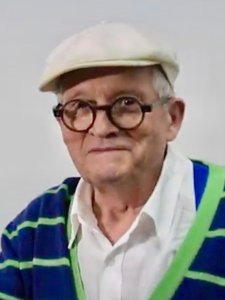
David Hockney
1937 - , Spojené kráľovstvo
Základné informácie
- Artists Who Influenced This Artist: ['Frank Lisle']
- Date Of Birth: 1937
- Full Name: David Hockney
- Nationality: Britská
- Notable Artworks:
- A Bigger Splash
- American Collectors
- We Two Boys Together Clinging
- Portrait of an Artist
- The Arrival of Spring in Woldgate
- Place Of Birth: Bradford, Spojené kráľovstvo
Súvisiace články

Mastering Abstraction: The Top 25 Essential Works by Wassily Kandinsky
Journey through the soul of abstraction with our curated guide to the top 25 Wassily Kandinsky masterpieces. Explore the vibrant colors and spiritual forms that defined modern art. Find museum-quality reproductions and decor inspiration. Discover all masterpieces on OriginalUniqueArt.com.
Dots & Screens: The Industrial Secrets Behind 1960s Pop Art Masterpieces
Explore the industrial secrets of 1960s Pop Art. Discover how Ben-Day dots and silk screening transformed mass media into masterpieces by Roy Lichtenstein. An in-depth look at the intersection of mechanical printing and fine art history for students and collectors.
Top 10 slávnych obrazov v kamenných tónoch: Majstri umenia a dekorácia pre váš domov
Objavte top 10 slávnych obrazov v kamenných tónoch od Picassa po Van Gogha. Prežite príbehy majstrov umenia a inšpirujte sa pre dekoráciu interiéru s OriginalUniqueArt.com – reprodukcie obrazov múzejnej kvality online.
David Hockney: A Retrospective on Pop Art's Chronicler of Light, Space, and the Everyday
Explore the life & work of David Hockney, Pop Art's master chronicler. Discover his iconic paintings, Californian landscapes, and lasting influence on modern art. Expert analysis for collectors.

Masterpieces of Abstraction: The Top 25 Wassily Kandinsky Artworks
Explore 25 iconic Wassily Kandinsky masterpieces and the birth of abstraction. Discover the full collection online at OriginalUniqueArt.com.


