

 Náhľad
 Odoslať
 Zdieľať
 Podrobnosti o dielo

 Stiahnuť
 Podobné diela
 RTG skúška
 Prezentácia
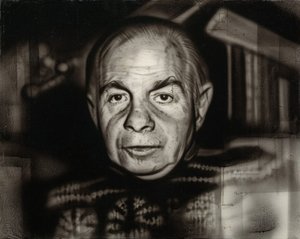
Herb Vogel (study portrait)

 Zobraziť viac
Ručne maľovaná olejová reprodukcia
Ručne maľovaný olej na plátne vo vašej zvolenej veľkosti a v ráme, vyrobený na mieru našimi umelcami. ( Kúpiť tlač Kúpiť obrázok)




































Vyberte si z našich preddefinovaných rozmerov, ktoré zodpovedajú pôvodným pomeroḿ diela.

Môžete zadať vlastné rozmery tak, aby sa hodili do konkrétneho rámu alebo priestoru. Ak sa váš zvolený rozmer nezhoduje s pôvodnými proporciami obrazu, dielo buď orezáme, alebo ho doplníme ručne maľovanými prvkami. Pred začiatkom výroby vám zašleme digitálny náhľad na schválenie.
Upozorňujeme, že ukážka na obrazovke neodráža skutočné orezanie alebo doplnenie. Skutočnú finálnu kompozíciu zobrazuje iba digitálny náhľad.
Hoci sú k dispozícii vlastné rozmery, odporúčame vybrať rozmer z preddefinovaného zoznamu, aby sme zachovali pôvodné proporcie.
Po odoslaní objednávky vám tím OriginalUniqueArt.com pošle e-mail s pokynmi a poskytne náhľad na návrh.
Celosvetová doprava () za 3 až 4 týždne namiesto štandardných 5 týždňov. (29 august). Bez kompromisov v kvalite.

Bezplatná expresná doprava po celom svete

Prémiové lnianske plátno

Kompletné poistenie prepravy

Záruka vrátenia colného poplatku

Záruka presného farebného zhodnutia

60-dňá politika vrátenia (iba pri defektoch)

100% záruka vrátenia peňazí

Výhodná množstevná zľava
 Možnosť skla je dostupná len pri rozmeroch pod 110 cm

Herb Vogel (study portrait)
Technika reprodukcie
Veľkosť reprodukcie
-


Celková cena za vybrané možnosti
$ 300
Biografia umelca
Early Life and Artistic Foundations
Daryl Trivieri, born in Utica, New York, in 1957, emerged as a significant voice within the vibrant post-war and contemporary art landscape. His formative years were steeped in artistic training at both Munson-Williams-Proctor Arts Institute and Mohawk Valley Community College, institutions that provided him with a solid technical base before his pivotal move to New York City in the late 1970s. This relocation marked not merely a geographical shift but a complete immersion into the burgeoning art scene of the East Village—a crucible of creativity where experimentation flourished and new artistic identities were forged.
The East Village Years and Conceptual Development
Upon arriving in New York, Trivieri quickly became integrated within a network of fellow artists, most notably forming a close friendship with Mark Kostabi. This connection is documented in the 1985 Vogel Collection drawing, *My First Visit With Mark Kostabi*, now held by the Portland Museum of Art—a testament to the collaborative spirit and intellectual exchange that characterized the era. However, while both artists were part of the same milieu, Trivieri charted a distinctly individual path. Where Kostabi leaned towards cartoonish outlines, Trivieri gravitated toward a minimalist and conceptual aesthetic, rooted in photorealism yet driven by an ambition to transcend its limitations.
His early work—airbrush paintings and meticulously rendered pen or pencil drawings—demonstrated a fascination with scientific illustrations and 19th-century photography. This interest wasn’t simply about replicating visual detail; it was a means of exploring the boundaries between representation and abstraction, reality and perception. Heather Campbell Coyle of the Delaware Art Museum aptly notes that Trivieri's “highly personal style reflects his desire to push past the photorealism of the 1970s.”
Exhibitions, Recognition, and Critical Reception
The early 1980s saw Trivieri’s work gain visibility through exhibitions at galleries like Semaphore East, Cote' Gallery, and Nolo Contendere. A significant turning point came with his inclusion in the 1985 traveling exhibition *Psycho Pueblo*, curated by Robert Hagenberg. This show was instrumental in introducing a wider audience to the diverse artistic energies of the East Village, bringing Trivieri’s work—alongside that of Kostabi and others—to Spain.
Critical responses during this period were often nuanced. While his two-dimensional works garnered attention, some commentators also noted his sculptural endeavors, describing them as “goofy paper mache monsters” – a playful observation highlighting the unexpected dimensions of his artistic practice. Alan G. Artner, writing for the *Chicago Tribune* in 1987, observed a connection between Trivieri’s aesthetic and the campy photographs of William Mortensen, suggesting a complex interplay of influences and stylistic choices.
Influences and Artistic Legacy
Trivieri's work is characterized by an intriguing blend of seemingly disparate elements. The influence of scientific illustration lends a precision and clarity to his imagery, while the echoes of 19th-century photography evoke a sense of nostalgia and historical awareness. His exploration of “escapist fantasy” and the “psyche of Romanticism,” as noted by Carlo MacCormick, reveals a deeper engagement with psychological themes and the power of imagination.
The artist’s impact extends beyond his individual creations. His work has been recognized by prominent collectors such as Herbert and Dorothy Vogel, whose extensive holdings have played a crucial role in shaping our understanding of post-war American art. Furthermore, inclusion in the collection of the National Gallery of Art solidifies Trivieri's position within the canon of contemporary artistic achievement.
- Key Influences: Scientific Illustration, 19th Century Photography, Romanticism
- Notable Collections: Herbert and Dorothy Vogel Collection, National Gallery of Art
- Artistic Style: Minimalist, Conceptual, Photorealistic with Abstract Tendencies
Daryl Trivieri continues to live and work, leaving behind a legacy that challenges conventional boundaries and invites viewers to contemplate the intricate relationship between perception, representation, and the human psyche.
daryl trivieri
1957 - , United States of America
Základné informácie
- Artistic Movement Or Style: Minimalist & Conceptual Art
- Date Of Birth: 1957
- Full Name: Daryl Trivieri
- Nationality: American
- Place Of Birth: Utica, USA

