

 Zobraziť v interiéri
 Odoslať
 Zdieľať
 Podrobnosti
 Príručka

 Stiahnuť
 Podobné položky
 RTG skúška
 Prehliadanie diapo\]
 Štatistiky
Columbus Circle


 Prečítať si viac
Ručne maľovaná olejová reprodukcia
Ručne maľovaný olej na plátne vo vašej zvolenej veľkosti a v ráme, vyrobený na mieru našimi umelcami. ( Prepnúť na tlač Prepnúť na digitálnu verziu obrazu)




P118B €10

P118H €10

P118W €10

P438Z €10

P508JH €12

P508YH €12

P805H €10

P805Z €10

P919BZ €10

P919G €10

P919XJ €10

P959ZH €10

P968JZ €12

W106C €8

W218G €10

W218JH €8

W218Y €10

W307PJ €10

W316G €10

W316PJ €8

W316Y €10

W398PJ €8

W4111J €10

W500HY €15

W500JH €15

W692G €12

W849H €8

W940BG €15

W953PJ €8




Vyberte si z našich preddefinovaných rozmerov, ktoré zodpovedajú pôvodným pomeroḿ diela.

Zadajte šírku a výšku, ktoré potrebujete, aby sa dielo hodilo k vášmu rámu alebo stene. Keďže ide o ručnú maľbu, pri rozmeroch s odlišným pomerom strán môže umelec namalovať o niečo viac okolo obrázka alebo ho mierne orezatú — výber patrí vám. Pred začatím maľovania vám pošleme digitálnu ukážku na schválenie. Obrázok zobrazený na tejto stránke nenahrádza reálny výsledok — ten zobrazuje iba digitálna ukážka.
Po odoslaní objednávky vám tím OriginalUniqueArt.com pošle e-mail s pokynmi a poskytne náhľad na návrh
Celosvetová doprava () za 3 až 4 týždne namiesto štandardných 5 týždňov. (27 október). Bez kompromisov v kvalite.

Bezplatná expresná doprava po celom svete

Vysokokvalitné lnianske plátno

Úplné poistenie prepravy

Záruka vrátenia colného poplatku

Záruka presného farebného zhodnutia

100-dená politika vrátenia tovaru (iba pri vadách)

100% záruka vrátenia peňazí

Ponuka množstevnej zľavy
 Možnosť skla je dostupná len pri rozmeroch pod 110 cm

Columbus Circle
Spôsob reprodukcie
Veľkosť reprodukcie
-


Celková cena
€ 264
A Glimpse of Urban Life: Colin Campbell Cooper’s “Columbus Circle”
Colin Campbell Cooper's "Columbus Circle," painted in 1923, isn’t merely a cityscape; it’s a vibrant snapshot of early 20th-century New York City – a moment frozen in time where the energy of a burgeoning metropolis collides with the stately presence of Christopher Columbus’ monument. The painting captures a bustling intersection at the heart of Manhattan, a microcosm of urban life teeming with activity and reflecting the city's rapid transformation during an era of immense growth and technological advancement. Cooper masterfully utilizes Impressionistic techniques to convey not just what he *saw*, but also the feeling of being immersed in that dynamic scene – the hurried pace, the cacophony of sounds, and the sheer density of human presence.
The composition is immediately engaging, drawing the eye into a carefully orchestrated chaos. The foreground explodes with figures: pedestrians navigating the crowded sidewalks, horse-drawn carriages jostling for space alongside early automobiles, and street vendors adding to the lively tableau. Cooper’s brushstrokes are loose and visible, creating an immediate sense of movement and immediacy. He doesn't strive for photographic realism; instead, he prioritizes capturing the *impression* of the scene – the fleeting moments of interaction, the play of light on surfaces, and the overall atmosphere of urban excitement. The color palette is rich and warm, dominated by earthy tones punctuated by brighter accents—the reds and yellows of the vehicles, the blues and greens of the buildings, and the vibrant hues of the clothing worn by the passersby. This careful use of color contributes significantly to the painting’s dynamic energy.
The Painter's Perspective: Style and Technique
Cooper was a key figure in the American Impressionist movement, deeply influenced by his time studying in Paris alongside masters like Monet and Renoir. His style is characterized by a focus on capturing fleeting moments of light and color, often depicting urban landscapes with an emphasis on atmosphere and mood. “Columbus Circle” exemplifies this approach perfectly. Notice how he uses broken brushstrokes to suggest depth and texture – the rough surface of the buildings, the swirling motion of the traffic, and the blurred outlines of distant figures. He employs a technique known as *plein air* painting, working directly from observation outdoors, which allowed him to accurately capture the nuances of light and shadow. This commitment to direct observation is evident in the meticulous detail with which he renders the architectural elements – the intricate facades of the buildings, the ornate details of the monument, and the reflections on the street surfaces.
Furthermore, Cooper’s background as an architect profoundly shaped his artistic vision. He possessed a keen eye for structure and form, translating this understanding into his paintings by carefully arranging the elements within each composition to create a sense of balance and harmony. The painting's diagonal lines—created by the streets and buildings—add dynamism and visual interest, while the central monument serves as a focal point, anchoring the scene and providing a sense of stability amidst the surrounding chaos.
A Historical Window: Context and Symbolism
“Columbus Circle” offers a fascinating glimpse into New York City’s rapidly evolving urban landscape in the early 20th century. The painting was created during a period of unprecedented growth, as the city transformed from a predominantly European settlement to a global center of commerce, finance, and culture. The presence of both horse-drawn carriages and automobiles reflects this transition – a visual representation of the clash between traditional modes of transportation and emerging technologies. The monument itself—a towering bronze statue honoring Christopher Columbus—symbolizes the city’s historical roots and its aspirations for future greatness.
Interestingly, the painting was created in 1923, just a few years after the completion of the subway system that dramatically reshaped the city's transportation network. The inclusion of the elevated train tracks in the background subtly alludes to this transformative development, highlighting the city’s embrace of modernity and its relentless pursuit of progress. The painting also captures the spirit of New York City as a melting pot of cultures—a place where people from all walks of life converged to pursue their dreams and build new lives.
Capturing Emotion: The Painting's Impact
Beyond its historical significance, “Columbus Circle” possesses a remarkable emotional resonance. Cooper’s masterful use of light and color evokes a sense of energy, excitement, and perhaps even a touch of urban anxiety. The painting doesn’t simply depict a street scene; it captures the *feeling* of being immersed in the heart of a vibrant metropolis—the hustle and bustle, the constant flow of people, and the overwhelming sensory experience of city life. It's a testament to Cooper's ability to translate his observations into powerful and evocative works of art that continue to resonate with viewers today. Reproductions of this piece offer a beautiful way to bring a slice of New York’s past into your home or office, serving as a reminder of the city’s enduring dynamism and its remarkable capacity for transformation.
Otázky a odpovede
Má dielo „Columbus Circle“ náhľad v rozšírenej realite?
Stránka AR náhľad diela „Columbus Circle“ od Colin Campbell Cooper využíva rozšírenú realitu na zobrazenie umelackého diela vo vašom vlastnom priestore pomocou kompatibilného zariadenia.
Aký druh diela predstavuje „Columbus Circle"]?
„Columbus Circle“ od Colin Campbell Cooper je klasifikovaný ako WallArt. Táto kategória určuje druh diela, ktorým je originál.
Ktorá farba dominuje v diele „Columbus Circle“?
Dominantnou farbou diela „Columbus Circle“ od Colin Campbell Cooper je White (#dfe7ee).
Biografia umelca
A Philadelphia Beginning and European Foundations
Colin Campbell Cooper Jr., narodený v roku 1856 do prosperujúcej filadelfskej rodiny s anglicko-irským pôvodom, sa vydal na umeleckú cestu, ktorá bola formovaná ako rigoróznej akademickým výcvikom, tak aj životnú váľkosťou cestovania. Jeho otec, chirurg a právnik sýkajúci umením, a jeho matka, amatérska vodfarbárka, v mladom Colinovi vzbudzovali rané sklony k maľovaniu. Dôležitým okamihom sa stala návšteva Philadelphie z roku 1876, kde sa stretol s umením, ktoré v ňom rozžiarlilo túžbu po tvorivej vyjadrovacej činnosti. Tento prvý iskierok ho doviedol k štúdiu v roku 1879 na prestížnej Philadelphijskej akadémii umenia, kde učil pod vplyvom realistického maľára Thomasa Eakinsa po dobu troch formovaných rokov. Eakins dôraz na anatomickú presnosť a priamu pozornosť by nepochopiteľne nezmenil Cooperov prístup k forme a štruktúre, hoci jeho štýl sa vyvíjal. Hľadajúc ďalšiu precítenosť, Cooper cestoval do Paríža v roku 1886, kde sa ponoril do umeleckého prostredia Académie Julian a Académie Delacluse, kde učil pod vedením luminárnych osobností ako Bouguereau a Lefebvre. Tieto roky boli kľúčové pre zdokonalenie jeho technických zručností a predloženie mu širších prúhov európskeho maľovania, najmä Barbizonskej školy tradície krajiny, ktorá na začiatku ovplyvnila jeho skoré diela.The Rise of an American Impressionist
Cooperov umelecký rozvoj nebol lineárnym postupom, ale dynamickým vzťahom vplyvov a skúseností. Zatiaľ čo jeho skoršie maľby odrážali Barbizonský štýl v zameraní na prírodné krajiny, jeho rozsiahle cestovanie po Európe a ďalej – kreslenie a maľovanie scén z celého kontinentu aj do Ázie – rozšírilo jeho perspektívu a poháňalo stylistickú zmenu. V roku 1896 sa stala ničivá požiareň, ktorá zničila mnohé z týchto skorých diel, ironicky vytvárajúc priestor pre nový umelecký smer. Približne vtedy Cooper začal sústrediť sa na architektonické motívy, špecificky burzujúce skyliny amerických miest. Toto označilo začiatok jeho podsignatného štýlu: Americký impresionizmus, ktorý jedinečne vyjadruje dynamiku a modernitu mesta. On nebol len dokumentátor budov; on interpretoval ich prostredníctvom svetla, atmosféry a živých farieb. Jeho technika, hoci zakorenená v impresionistických princípoch, mala osobitný architektonický cit, ktorý ho odlišoval od súčasníkov ako Childe Hassam, ktorí sa venovali tradičnejším krajinským alebo figuratívnym témam. Vplyv Eakinsa zostal jemne prítomný, ovplyvňujúc jeho porozumenie štruktúre, ale teraz bol spájaný s atmosféristickými efektmi a rozbitými štetcami charakteristickými pre impresionizmus.Skyscrapers and Urban Symphonies
Colin Campbell Cooper stal sa známym svojimi reprezentáciami veží v New Yorku, Philadelфии a Chicagu – motívom, ktorý rezonoval s dušou skorého 20. storočia v Amerike. On nebol len maľovateľ budov; on mal maľovať *skúsenosť* byť vnútri a pozorovať tieto rýchlo sa meniace mestské krajiny. Jeho plátna pulzovali energiou, zachytávali hru svetla na skle a oceani, ruchy ulíc pod nimi a samotnú vertikalitu, ktorá definovala novú éru architektonickej ambície. Broad Street, New York (1902), ktorý mu priniesol cenu W. T. Evansa od Philadelphijskej Watercolor Club, je príkladom tejto maštre – živé mesto maľované impresionistickým dotykom, ktorý vyjadruje nielen pompéznosť, ale aj plynúce momenty mestského života. Francúzska vláda kúpila Fifth Avenue, New York na počesť pre Musée du Luxembourg, čím posilnila jeho medzinárodné uznanie. Cooperov jedinečný zameranie na architektonické motívy ho odlišoval od mnohých jeho súčasníkov; on sa nezaujímal o idylické vidiecke scény alebo portréty spoločenských osobností – on bol fascinovaný moderným mestom a jeho potenciálom pre umelecký výraz. Videl krásu nie len *v* budovách, ale aj v ich odrazu meniaceho sa sveta.Legacy and Enduring Influence
Okrem maľby sa Cooper venoval vzdelávaniu, učil watercolor kurzy a architektonické kreslenie na Drexel Institute of Art, Science and Industry (teraz Drexel University). V roku 1895 – 1898 bol Deanom. On ženobrazil Emma Lampert Coopera v roku 1897, čím vytvorili umeleckú partnerstvo, ktoré obohatilo ich životy. Presun do New Yorku v roku 1904 zabezpečil mu jeho pozíciu v americkom umennom svete, nasledovaný presunom do Santa Bárbara, Kalifornie, v roku 1921, kde slúžil ako dekan Santa Bárbara School for the Arts. Cooperovo dielo je dnes uznávané nielen pre svoje estetické kvality, ale aj pre svoju historickú dôležitosť. On zachytil kľúčový moment americkej histórie – vzostup veže a transformáciu mestských krajín – s umeleckým videním, ktoré bolo inovatívne a zároveň hlboko zakorenené v tradícii. The New York Times opodstatňujúco vyhlásil ho za „maľiteľa veže par excellence v Amerike“. Jeho maľby stále rezonancia dnes, ponúkajú divákom pohľad do zapamätateľnej minulosti a oslavujú trvalú silu modernej architektúry a krásu nájdenú v mestskom prostredí. On definoval vizuálny jazyk pre reprezentáciu rýchlo sa meniaceho mesta na začiatku 20. storočia, ovplyvňujúc ďalšie generácie umelcov, ktorí hľadali spôsob, ako zachytiť energiu a dynamiku modernej jari.
Colin Campbell Cooper
1856 - 1937 , USA
Rýchle fakty
- Artistic Movement Or Style: Americký impresionizmus
- Artists Or Movements Influenced By This Artist: ['Barbizon']
- Artists Who Influenced This Artist: ['Thomas Eakins']
- Date Of Birth: 8. marec 1856
- Date Of Death: 6. november 1937
- Full Name: Colin Campbell Cooper Jr.
- Nationality: Američan
- Notable Artworks:
- Štvorákrovná budova Flatiron
- Ulice Broad Street
- Place Of Birth: Philadelphia, USA
Súvisiace články

The Ashcan School: Capturing the Raw Spirit and Urban Realism of New York City Life
Explore the raw, evocative beauty of the Ashcan School. Discover how masters like Bellows and Glackens captured New York's urban soul through American Realism, and learn to bring this gritty, historical elegance into your modern art collection.
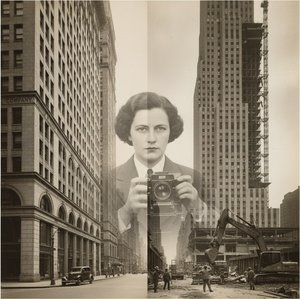
Berenice Abbott: Documenting a Changing America Through Photographic Vision
Explore the groundbreaking work of Berenice Abbott, a pioneer of documentary photography. Discover her iconic images of New York City, portraits, and scientific studies. Learn about her unique style & lasting legacy at OriginalUniqueArt.

American Modernism: Redefining the Canvas of a New Era through Abstract Expressionism and Geometric Innovation
Explore the profound legacy of American Modernism. From Geometric Abstraction to Abstract Expressionism, discover how this era redefined art history. Expert insights for elite collectors seeking to curate timeless, museum-quality masterpieces for their private collections.
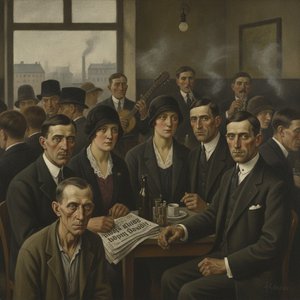
Neue Sachlichkeit: The Unflinching Realism and Social Critique of German New Objectivity
Explore the raw realism of Neue Sachlichkeit. Discover how German New Objectivity artists like Otto Dix and George Grosz captured the turbulent Weimar Republic through unflinching social critique and precise detail. A definitive guide for art historians and collectors.

Grahame Sydney: Evoking Otago's Soul Through Light & Landscape
Explore the captivating landscapes of Sir Grahame Sydney, a leading New Zealand artist renowned for his magic realism & evocative depictions of Otago's beauty. Discover key works and delve into his artistic legacy.