Prepnúť na tlač
 Zobraziť viac







































 V prípade umeleckých diel alebo reprodukcií, ktorých ktorákoľvek strana je väčšia ako 105 cm (cca 41 palcov), sa rám dodáva v rozloženom stave ako sada. Táto metóda zabezpečuje bezpečnú доставu a chráni pred poškodením počas prepravy.


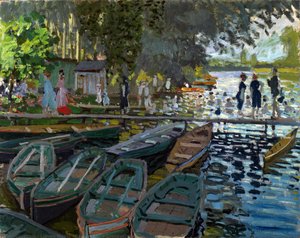
Claude Monet: A Life Immersed in Light – Exploring ‘Water Lilies’
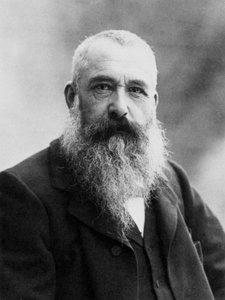
Oscar-Claude Monet, a name synonymous with Impressionism, wasn't merely a painter of landscapes; he was a chronicler of fleeting moments, a poet of light and color. Born in Paris on November 14, 1840, his early life took an unexpected turn when his family relocated to Le Havre, Normandy, at the age of five. While initially destined for a commercial career by his father, young Claude’s innate artistic talent quickly surfaced, manifesting first in charcoal caricatures sold locally – a testament to both his skill and entrepreneurial spirit. However, it was his encounter with Eugène Boudin that proved pivotal. Boudin didn't just teach Monet *how* to paint; he instilled within him the revolutionary idea of painting en plein air—directly from nature—a practice that would define his entire artistic journey.
Monet’s formal training began in Paris, briefly at the Acadéemie Beaux-Arts, where he was initially rejected several times due to his unconventional approach. Despite these setbacks, he persevered and eventually gained acceptance, honing his skills under Jean-Auguste Ingres, a staunch defender of academic tradition. This contrasting influence shaped Monet’s artistic vision—a blend of observation and experimentation that would become the hallmark of Impressionism.
The pivotal moment arrived with Boudin's encouragement to abandon studio painting for outdoor sessions. Boudin recognized Monet’s potential and championed his belief in capturing the ephemeral beauty of nature, a radical departure from the prevailing artistic conventions of the time. This mentorship profoundly impacted Monet’s technique and worldview, fostering an unwavering dedication to portraying light and atmosphere as perceived by the human eye.
Monet's obsession with Giverny—the estate he purchased in 1883—became the epicenter of his artistic output during his later years. He meticulously cultivated a pond filled with water lilies, transforming it into a living canvas that served as inspiration for hundreds of paintings. This garden wasn’t simply a subject matter; it was an embodiment of Monet's philosophical quest to capture the essence of existence – the fleeting interplay between light and color.
The *Water Lilies* series represents the culmination of Monet’s lifelong pursuit of Impressionist ideals. Beginning in 1896, he embarked on a monumental project—creating approximately 250 oil paintings depicting his Giverny pond under varying conditions throughout the seasons. This ambitious undertaking demanded immense patience and dedication, reflecting Monet's unwavering commitment to his artistic vision.
Monet’s technique involved layering thin glazes of paint onto canvas, capturing subtle shifts in light and color with remarkable precision. He employed loose brushstrokes—often applying paint directly from the tube—creating textured surfaces that conveyed the fluidity and vibrancy of nature. The resulting paintings are characterized by a luminous quality, achieved through careful manipulation of pigments and glazing techniques.
Beyond its aesthetic beauty, *Water Lilies* holds profound symbolic significance. The water lilies themselves symbolize purity, renewal, and tranquility—qualities that resonate deeply with viewers seeking solace and contemplation. Monet’s meticulous observation of the pond's environment—the reflections on the water surface, the interplay of sunlight and shadow—served as a conduit for conveying his philosophical ideas about perception and experience.
Today, reproductions of *Water Lilies* adorn homes and galleries worldwide, offering art enthusiasts an opportunity to immerse themselves in Monet’s artistic legacy. Its serene palette and evocative brushwork continue to inspire admiration and contemplation, cementing its place as one of the most iconic artworks of the Impressionist movement.
Otázky a odpovede
Môžem si pozrieť "Vodné lízie" ako celovoobrazovkovú diapozitívu?
Diaporama diela „Vodné lízie“ si môžete pozrieť na jeho stránke Prehliadanie diela.
Na čo sa odporúča použiť tlač obrazu „Vodné lízie"?
Reprodukcia diela „Vodné lízie“ od Claude Monet je vhodná pre Relaxácia. Toto odporúčanie vychádza z témy, nálady a farebnej skladby tohto diela.
Akou technikou bolo dielo „Vodné lízie“ vytvorené a aké je jeho veľkosť?
„Vodné lízie“ bola vytvorená v technike Olej na plátne a vo svojej pôvodnej podobe má rozmery 200 x 213 cm.
 Náhľad v interiéri
 Odoslať ako digitálnu kartu
 Zdieľať
 Podrobnosti o dielo
 Príručka

 Stiahnuť obraz
 Podobné položky
 RTG skúška
 Prehliadanie diapozoje
 Otázky a odpovede
 Štatistiky