

 Náhľad
 Odoslať
 Zdieľať
 Podrobnosti o dielo

 Stiahnuť
 Podobné diela
 RTG skúška
 Prezentácia
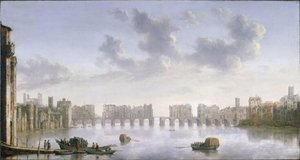
Landscape, Claude de Jongh, 1633


 Zobraziť viac
Ručne maľovaná olejová reprodukcia
Ručne maľovaný olej na plátne vo vašej zvolenej veľkosti a v ráme, vyrobený na mieru našimi umelcami. ( Kúpiť tlač Kúpiť obrázok)




































Vyberte si z našich preddefinovaných rozmerov, ktoré zodpovedajú pôvodným pomeroḿ diela.

Môžete zadať vlastné rozmery tak, aby sa hodili do konkrétneho rámu alebo priestoru. Ak sa váš zvolený rozmer nezhoduje s pôvodnými proporciami obrazu, dielo buď orezáme, alebo ho doplníme ručne maľovanými prvkami. Pred začiatkom výroby vám zašleme digitálny náhľad na schválenie.
Upozorňujeme, že ukážka na obrazovke neodráža skutočné orezanie alebo doplnenie. Skutočnú finálnu kompozíciu zobrazuje iba digitálny náhľad.
Hoci sú k dispozícii vlastné rozmery, odporúčame vybrať rozmer z preddefinovaného zoznamu, aby sme zachovali pôvodné proporcie.
Po odoslaní objednávky vám tím OriginalUniqueArt.com pošle e-mail s pokynmi a poskytne náhľad na návrh.
Celosvetová doprava () za 3 až 4 týždne namiesto štandardných 5 týždňov. (22 august). Bez kompromisov v kvalite.

Bezplatná expresná doprava po celom svete

Prémiové lnianske plátno

Kompletné poistenie prepravy

Záruka vrátenia colného poplatku

Záruka presného farebného zhodnutia

60-dňá politika vrátenia (iba pri defektoch)

100% záruka vrátenia peňazí

Výhodná množstevná zľava
 Možnosť skla je dostupná len pri rozmeroch pod 110 cm

Landscape, Claude de Jongh, 1633
Technika reprodukcie
Veľkosť reprodukcie
-


Celková cena za vybrané možnosti
$ 325
Popis diela
Biografia umelca
Claude de Jongh: A Dutch Master of the English Landscape
Born in Utrecht, Netherlands, in 1605, Claude de Jongh emerged as a significant figure within the vibrant landscape painting tradition of the Dutch Golden Age. While his early life remains somewhat shrouded in historical detail – information is scarce beyond his birth and death dates – what’s known paints a picture of an artist deeply influenced by both the classical ideals of Italianate landscapes and the burgeoning interest in depicting the natural world with increasing scientific accuracy. De Jongh's career was notably marked by extensive travels, particularly to England during the mid-17th century (1625-1650), a period that profoundly shaped his artistic vision and subject matter.
The Netherlands Institute for Art History highlights de Jongh’s journey as a pivotal element in understanding his work. His presence in England wasn't merely a fleeting visit; he was registered there multiple times, suggesting a sustained engagement with the English countryside. This immersion undoubtedly exposed him to new artistic approaches and perspectives, influencing his style and broadening his repertoire beyond purely Dutch motifs. The English landscapes – characterized by rolling hills, dramatic skies, and often incorporating elements of Roman ruins or medieval structures – became a central focus of his oeuvre.
A Painter of Light and Atmosphere
De Jongh’s artistic technique is immediately recognizable for its masterful handling of light and atmosphere. He possessed an exceptional ability to capture the subtle shifts in illumination across a scene, creating a sense of depth and realism rarely seen in contemporary landscape painting. His compositions are often characterized by a balanced arrangement of elements – trees, water, buildings – all rendered with meticulous detail and a keen eye for color. He frequently employed atmospheric perspective, utilizing lighter tones and softer edges to suggest distance, further enhancing the illusion of space.
His use of oil paint was particularly noteworthy. De Jongh layered thin glazes upon each other, building up complex textures and luminous effects. This technique allowed him to achieve a remarkable level of detail while maintaining a sense of fluidity and spontaneity. The influence of Italianate landscape painters like Leonardo da Vinci and Andrea Palladio is evident in his careful observation of nature and his commitment to portraying it with intellectual rigor.
Key Works and Themes
Among de Jongh’s most celebrated works are paintings such as “Landscape” (1633), a dramatic depiction of a medieval castle nestled beside a winding river. This piece exemplifies his ability to combine topographical accuracy with an expressive use of color and light, creating a scene that is both visually stunning and emotionally evocative. Other notable works include scenes featuring English ruins – a testament to his time spent in the country – alongside depictions of pastoral landscapes teeming with wildlife.
Recurring themes in de Jongh’s work often explore the relationship between humanity and nature. He frequently depicted figures within the landscape, suggesting a sense of harmony and connection between people and their surroundings. However, he also conveyed a subtle awareness of the power and unpredictability of the natural world, reminding viewers of its inherent beauty and potential for both wonder and danger.
Legacy and Historical Significance
Claude de Jongh’s contribution to Dutch landscape painting is significant, though perhaps less widely recognized than some of his contemporaries. His travels to England proved transformative, expanding his artistic horizons and influencing the development of a distinctly English style within the broader context of Dutch art. His meticulous observation of nature, combined with his masterful technique, cemented his place as a skilled and insightful artist.
While biographical details remain limited, de Jongh’s work continues to resonate today, offering viewers a glimpse into a bygone era and a profound appreciation for the beauty and complexity of the natural world. His paintings serve as a valuable record of 17th-century England and a testament to the enduring power of landscape art.
claude de jongh
1605 - 1663 , Netherlands
Základné informácie
- Artistic Movement Or Style: Landscape painter
- Date Of Birth: 1605, Utrecht
- Date Of Death: 1663, Utrecht
- Full Name: Claude de Jongh
- Nationality: Dutch
- Notable Artworks:
- Saint Lawrence crowned
- Landscape
- Place Of Birth: Utrecht, Netherlands
Súvisiace články

Golden Light & Dutch Skies: The Timeless Magic of Dutch Golden Age Landscapes
Discover the breathtaking beauty of Dutch Golden Age landscapes. Explore the mastery of light, chiaroscuro, and 17th-century realism through an expert art history lens, celebrating the enduring legacy of the Dutch Masters for discerning collectors and art lovers.

Masterpieces of Light: A Definitive Guide to the Landscapes of the Dutch Golden Age
Discover the luminous mastery of Dutch Golden Age landscapes. Our expert guide explores the atmospheric realism of masters like Van Goyen and Cuyp. Elevate your space with museum-quality, hand-painted oil reproductions from OriginalUniqueArt.com. Art history, beautifully realized.

Top 10 majstrovských diel holandskej Zlatej éry: Umění pre váš domov s OriginalUniqueArt.com
Ponorte sa do sveta holandskej Zlatej éry s OriginalUniqueArt.com! Objavte príbehy Rembrandta, Vermeera a ďalších majstrov baroka. Reprodukcie obrazov pre váš domov – inšpirujte sa nadčasnými dielami. Preskúmajte kolekciu online!

Golden Light & Dutch Skies: Bringing the Magic of Dutch Golden Age Landscapes into Your Home
Transform your home with the breathtaking light of Dutch Golden Age landscapes. Discover how hand-painted oil reproductions of masterworks like Ruisdael and Vermeer bring timeless elegance, atmosphere, and soulful texture to modern interiors. Elevate your space with museum-quality art.
Nicolaes Berchem: Dutch Golden Age Pastoralism & the Evolution of Landscape Painting
Explore the captivating world of Nicolaes Berchem, a leading Dutch Golden Age painter. Discover his idyllic landscapes, masterful technique & lasting influence on art history. Learn more at OriginalUniqueArt.

