Život a identita Cimabueho
V rušných uliciach taliánskej Florencie sa okolo roku 1240 začal písať príbeh muža menom Giovanni Cimabue. Mnohí ho poznali pod menami Cenni di Pepo alebo Cenni di Pepi – menami, ktoré patrili človeku predurčenému formovať vizuálny jazyk svojej éry. Bol to maliar a návrhár mozaík, remeselník, ktorého ruky pracovali tak s jemným štetcom, ako i s trvácim kameňom. O jeho nepolamiteľnom duchu sa hovorilo, že je silný, možno až vzbuntovanský, čo mu viedlo k prezývavke naznačujúcej tvrdohlavú, byčiu odhodlanosť. Táto neústupnosť však nebola chybou, ale skôr hnacím motorom, ktorý mu umožnil pozrieť sa na rigidné tradície byzantského štýlu a hľadať v ňom niečo ľudskejšie.
Jeho cesta bola povahou neustálého pohybu a neustále sa vyvíjajúceho poslania. Hoci jeho korene zostali pevne zakorenené vo florentinskej tradícii, jeho tvorba ho niesla cez celú krajinu Toskánska. Nechcel len tak kopírovať ikony minulosti; jeho cieľom bolo vdochniť pocit života do postav, ktoré maloval. Táto ambícia ho viedla k experimentovom s tým, ako svetlo dopadá na tvár alebo ako telo zapĺňa priestor. Bol mužom uväzneným medzi dvoma svetmi – spomínal duchovnú formálnosť starých spôsobov, no zároveň sa snažil dosiahnuť nový spôsob vnímania sveta prostredníctvom prirodzenejšej optiky.
Posledné roky jeho života ho odtrhli od rodného mesta a niesli ho smer k pobrežiu. Nakoniec skonal v Pisách v roku 1302. Hoci jeho život bol definovaný tichou prácou v ateliéri aj veľkolepými návrhmi mozaík, jeho prítomnosť zanechala trvalú stopu v histórii taliánskeho umenia. Žil v dobe hlbokých zmien a pôsobil ako most pre tých, ktorí po ňom kráčali v jeho stopách.
Raný život a umelecké vzdelanie
Narodený vo Florencii v Itálii okolo roku 1240, mladý muž, ktorý sa neskôr stal známy ako Cimabue, vstúpil do sveta, kde tradície Bizantínu stále pevne držali v náručí ducha umenia. Bol dieťaťom florentinských ulíc, vyrastajúcim v krajine, kde sa ťažká, zlatá formalita Východu stretávala s novou, neviazanejšou túžobou po niečom ľudskejšom. Hoci presné detaily jeho detstva zostávajú skryté v zábalie storočí, jeho rané roky boli jasne formované prísnym rídom florentinských dielní. Práve tu sa naučil ovládať jemné médium tempery z vajčiek a náročné umenie návrhu mozaík, zručnosti, ktoré definovali jeho dlhú kariéru ako maliara aj návrhára mozaík.
Jeho výcvik nebol len otázkou učenia sa nanášania pigmentu na drevo, ale hlbokou imersiou do posvätného jazyka ikonografie. Nasal si spôsoby, akými sa svetlo využívalo na vyjadrenie božstva, často prostredníctvom nanášania blikavého zlatého listu, ktorý sa zdal vyžarovať priamo z panela. Napriek tomu, už aj v týchto formujúcich rokoch sa začala prejavovať určitá sila jeho vôle. Cítilo sa, že sa nespokojí s jednoduchým replikovaním plochých, symbolických figúr minulosti. Namiesto toho začal experimentovať so spôsobom, akým môže telo zapĺňať priestor, snažiac sa dodať svojim postavám pocit hmotnosti a prítomnosti, ktorý v dielach jeho predchádzajúcich majstrov chýbal. Tento raný boj medzi upevnenou náboženskou tradíciou a rodiacym sa záujmom o prirodzený svet sa stal rozhodujúcim znakom jeho umeleckého rukopisu.
Umelecká technika a evolúcia štýlu
V tichom trvaniu svojej dielne Cimabue usiloval o to, aby do svätých postav svojej éry vdechol nový druh života. Vo svojej tvorbe sa primárne venoval temperačnému spôsobu na drevených paneloch, čo bol prostredok vyžadujúci trpezlivú a disciplinovanú ruku. Aby dosiahol nebiesky jas potrebný pre svoje náboženské motívy, často nanášal pigment na pozadie zo žiarivého zlatého listu. V iných prípadoch využíval temperu so zlatom na vytvorenie pocitu božského svetla. Jeho ruky boli rovnako zdatné pri monumentálnych freskách aj pri zložitých, trvácavých vzoroch mozaík, čo dokazovalo jeho všestrannosť, ktorá mu umožnila pohybovať sa od stien katedrál až po intímne rozmery devóčných panelov.
S dozrievaním jeho umeleckej vízie sa v spôsobe, akým pracoval s ľudskou formou, začal prejavovať jemný zmeny. Odklonoval sa od plochých, dvojrozmerných siluet byzantskej tradície a namiesto toho sa snažil zachytiť váhu a prítomnosť skutočného tela. Dosiahol to prostredníctvom sofistikovanejšieho využitia tieňovania na naznačenie objemu, čím nechal tvár alebo končatinu pôsobiť zaokக்lene a trojrozmerne, namiesto toho, aby boli len obkreslené čiarami. Tento rastúci záujem o realistické proporcie postav znamenal, že jeho svätí a Madonny získali fyzickú realitu, ktorá pôsobila blíž ľuďom, ktorí pred nimi klonili kolená. Už nebol spokojný len s prácou ako symbolmi; chcel ukázať telo ako nádobu skutočnej váhy a emócií.
Hlavné zamówrenia a kľúčové diela
Prvé roky jeho kariéry odhaľujú muža, ktorý už vtedy zápasil s ťažkopádnosťou tradície. Kolem roku 1268 vytvoril Križovníka, dielo, ktoré bolo neskôr predmetom štúdií pre svoju hlbokú meditáciu nad utrpením. Následoval Križovník v San Domenico v Arezzo, datovaný okolo roku 1270, kde sa zdá, že telo Krista pod ťažkou váhou vlastnej agónie poklesá. V tom istom období namaloval Panien s Detským Ježišom v Majestáti obklopených šiestimi anjelmi, dielo z roku 1270, ktoré ukazuje jeho umelecký rukopis pracujúci v rámci vtedajších ustálených vzorov. Už aj v týchto raných pokusoch možno vnímať ducha, ktorý sa snaží prekročiť ploché, vzdialené postavy minulosti.
S upúšťaním dekád sa jeho štetec stával odvážnejším. Do roku 1278 dokončil Madonnu na tróne s Detským Ježišom, svätým Franciskom a štyrmi anjelmi, kompozíciu, ktorá dodala posvätným postavám nový pocit prítomnosti. Tento vývoj pokračoval aj do nasledujúceho desaťročia. Kolem roku 1280 vytvoril Maestà, ktorú dnes uchovávajú v Louvri, a Bičovanie Krista, komplexnú scénu naznačujúcu narastajúci záujem o priestorové vzťahy. Bol to muž mnohostranných schopností, ktorý pracoval aj v mozaike a zanechal svoju stopu priamo v kameňoch florentinskej krstnej baptistérium.
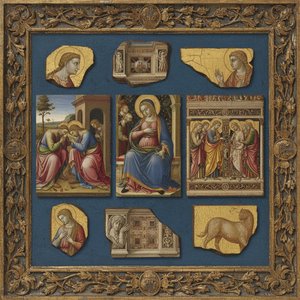
Jeho neskoršie diela vykazujú vypracovanú schopnosť naznačovať objem a ľudské emócie. Detail z jeho Madonny v Majestáti, namalovanej v roku 1285, odhaľuje jemné použitie tieňovania, ktoré naznačuje fyzickú realitu Panny Mária. Aj v menších, intímnejších díloch, ako je pochádzajúce z 13. storočia Bičovanie Krista, zostáva jeho schopnosť zachytiť pocit ľudskej skúsenosti zjavná. Jeho tvorba bola nesmierne bohatá, od veľkých oltárov až po malé, devócionálne panely.
- Bičovanie Krista (13. storočie)
Majster a jeho slávny žiak
Odkaz Cimabue pokračoval v živote prostredníctvom r hands tých, ktorí sedeli po jeho boku vo florentinských dielniach. Medzi jeho najvýznamnejších učedníkov patril Giotto di Bondone, ktorý pod Cimabueho vedením získal zásadné umelecké vzdelanie. Ich vzťah bol poznačený dynamikou, ktorá posúvala hranice toho, čo mohol maliar dosiahnuť. Hovorí sa, že počas svojej apprenticeskácej doby mladý Giotto raz vtipne namaloval mušku na portrét, na ktorom Cimabue práve pracoval – malý žart, ktorý odhalil ducha rovnako vášnivého ako u samotného majstra. Hoci sa Giotto nakoniec vydal cestou radikálnejšieho naturalizmu, jeho základy boli vybudované na lekciách, ktoré pochopil vďaka Cimabueho neustále sa vyvíjajúcemu prístupu k forme a vyjadreniu.
Okrem tohto slávneho spojenia sa Cimabueho vplyv rozšíril aj na iné talentované ruky, ktoré pôsobili v jeho umeleckej orbite. Jednou z takýchto postav je umelec známy ako Majster z Varlunga, ktorý bol identifikovaný ako jeden z hlavných Cimabueho žiakov. Tento maliar pôsobil v rovnakom transformatívnom období a pohlcoval štýlové zmeny, ktoré Cimabue pomohol odštartovať. Práve prostredníctvom týchto študentov bol nesienaný prechod od rigidných byzantských tradícií k ľudskejšiemu štýlu, čím sa zabezpečilo, že inovácie majstra sa šírili vlnami až k celým generáciám talianskych maliarov.
Kde dnes uvidíte jeho majstrovské diela
Sledovať stopu jeho štetky znamená putovať cez veľké mestá Európy a ďaleko za jej hranice. V Paríži uchováva Louvre Maestà, dielo, ktoré kedysi zdobilo kostol San Francesco v Pisii. Múzeum nedávno prijalo aj Mocking of Christ, ktoré bolo zakúpené v roku 2023. Tieto diela nám umožňujú vidieť, ako sa jeho rukopis niesol chodbami takých veľkolepých inštitúcií a ako premostil vzdialenosť medzi posvätnými priestormi minulosti a verejnými galériami súčasnosti.
Duch jeho tvorby zostáva hlboko zakorenený v talianskej krajine. Vo Florencii si Galleria degli Uffizi uchováva detail Madonny v મહિástnosti, ktorý ponúka intímny pohľad na jeho neustále sa vyvíjajúci štýl. V blízkosti, v Pisii, si Museo dell'Opera del Duomo ponecháva detail Christa na tróne medzi Pannou Mária a svätým Evanjelistom Jánom. Ak človek cestuje do Assisi, stále tam môže nájsť Madonnu s Dieťaťom na tróne so štyrmi anjelmi a svätým Franciskom, zatiaľ čo bazilika San Domenico v Arezzo uchováva Kríž, ktorý jasne demonštruje jeho odklon od starších tradícií.
Jeho pôsobenie sa doter bolo aj za moria, kde jeho diela našli domov v zbirkách ďaleko od jeho florentských ciest. Frick Collection v New Yorku uchováva The Flagellation of Christ a Národná galéria v Londýne vlastní detail Kríža. Tieto roztrúsené poklady nám pripomínajú nekonečné množstvo rúk, ktoré sa po stáročia starali o jeho odmietnuťe a umelecké oddedičenie.

 Prepnúť na tlač
 Zobraziť viac







































 V prípade umeleckých diel alebo reprodukcií, ktorých ktorákoľvek strana je väčšia ako 105 cm (cca 41 palcov), sa rám dodáva v rozloženom stave ako sada. Táto metóda zabezpečuje bezpečnú доставu a chráni pred poškodením počas prepravy.


 Náhľad v interiéri
 Odoslať ako digitálnu kartu
 Zdieľať
 Podrobnosti o dielo
 Príručka

 Stiahnuť obraz
 Podobné položky
 RTG skúška
 Prehliadanie diapozoje
 Otázky a odpovede
 Štatistiky