
 Náhľad
 Odoslať
 Zdieľať
 Podrobnosti o dielo

 Stiahnuť
 Podobné diela
 RTG skúška
 Prezentácia
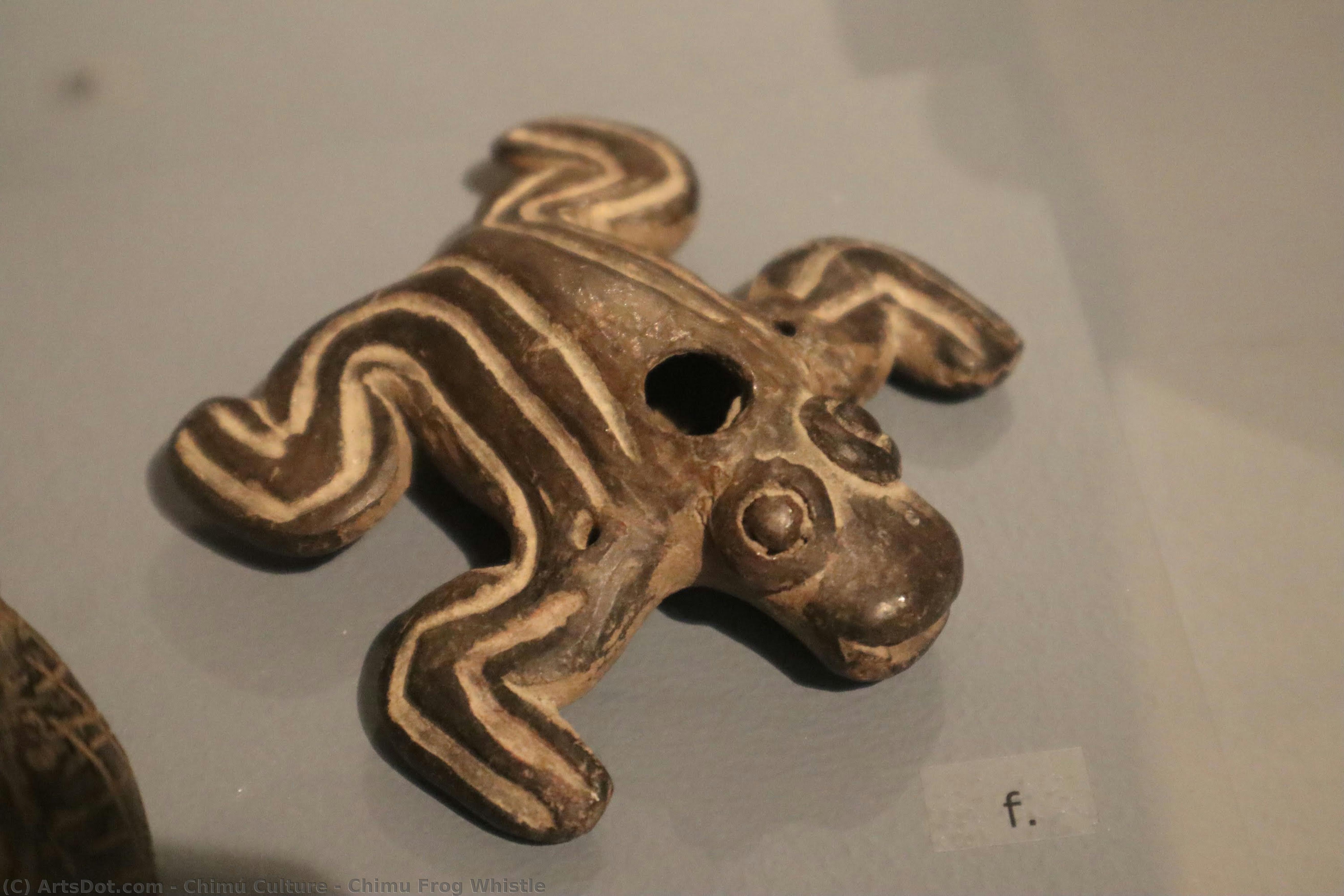
Chimu Frog Whistle


 Zobraziť viac
Kúpte si digitálnu snímku vo vysokom rozlíšení s vylepšenými detailmi, ktorá je oveľa kvalitnejšia než online náhľad.
Každý súbor starostlivo pripravujú naši interní špecialisti pomocou pokročilých nástrojov a odborného manuálneho retušovania. Zabezpečujeme, aby každý obrázok disponoval výnimočnou čistotou, presnou farebnou vernosťou a jemnými detailmi.
Konečný súbor vám bude doručený e-mailom do 72 hodín, optimalizovaný pre okamžité použitie v profesionálnom, redakčnom aj tlačovom prostredí. Ide o rovnakú kvalitu, ktorej dôverajú špičkové dizajnérske štúdiá, vydavateľstvá a galérie.
Digitálny obraz
Stiahnite si vysokorozlíšený súbor na osobné zobrazovanie, tlačenie a kreatívne projekty. ( Kúpiť tlač Kúpiť ručne maľovaný obraz)
Súčasťou každej objednávky digitálneho obrazu
Expetórne digitálne doručenie, garantované
Keď si vyberiete OriginalUniqueArt.com, nedostávate len obrázok – získate profesionálne upravené digitálne umenie, vytvorené s precíznosťou a so zárukou vašej maximálnej spokojnosti. Tu je všetko, čo je súčasťou vašej objednávky automaticky:

Rýchle doručenie e-mailom
Vaša vysokorozlíšená digitálna súprava obrázkov vám bude zaslaná e-mailom do 72 hodín od objednávky – pripravená na okamžité použitie.

Digitálny súbor s vylepšením AI
Vaše dielo je profesionálne optimalizované pomocou pokročilých nástrojov umelej inteligencie a manuálnej editácie, čo zaručuje maximálnu úroveň detailov, čistotu a presnosť farieb.

Bezplatné celoživotné opätovné doručenie
Náhodou ste zmazali alebo ste stratili svoj súbor? Nebavžte sa – pošleme vám ho kedykoľvek znova, úplne bez poplatkov.

Bez poplatkov za dovoz – navždy
Užite si svoje umelodelo okamžite bez colných poplatkov, daní alebo nákladov na dopravu – digitálne stiahnutia sú vždy oslobodené od dane.

Garantovaná presnosť farieb
Pomocou profesionálnych nástrojov a farebného manažmentu zabezpečujeme, aby vaša digitálna fotografia čo najpresnejšie odrážala pôvodné farby.

60-dňová záruka spokojnosti
Ak nebudete spokojní so svojou digitálnou fotografiou, upravíme ju alebo vám vrátime 100% v priebehu 60 dní – bez zbytočných otázok.

100% Záruka vrátenia peňazí
Nie ste spokojní? Získajte plnú náhradu peňazí do 60 dní od prijatia vášho digitálneho súboru – bez zbytočných otázok.

Zľavy pri veľkom odbere
Kúpte si 3 obrazy, ušetrite 10% - Kúpte si 5, ušetrite 15% - Kúpte si 10+, ušetrite 20%. Ideálne pre kreatívne projekty, galérie a agentúry.
Životopis umelca
The Echoes of Monochrome: Exploring the Legacy of Chimú Art
The Chimú culture, flourishing on Peru’s northern coast between 12th and 15th centuries CE, remains an enigma to historians and artists alike. Unlike its contemporaries like the Moche civilization, which embraced vibrant polychromy, the Chimú aesthetic prioritized a singular palette—primarily shades of beige and ochre—resulting in ceramics and metalwork that possess a haunting beauty and unparalleled sophistication. This distinctive style wasn’t merely decorative; it reflected a profound worldview rooted in lunar worship and an elaborate system of ritual offerings intended to appease celestial deities. Understanding this artistic tradition requires delving into its origins, techniques, and enduring impact on Andean art history.Origins and Context: A Lunar Pantheon
Emerging from the arid landscapes of Peru’s Lambayeque region, the Chimú civilization arose as a successor to earlier cultures like Chavín de Huántar, inheriting a complex cosmology centered around the moon god Inti Watana. This deity wasn't viewed as benevolent but rather as demanding respect and appeasement—a concept powerfully conveyed through Chimú art. The monochromatic glaze technique itself is believed to have been influenced by astronomical observations, specifically tracking lunar cycles during crucial agricultural seasons. Artists meticulously prepared clay mixtures incorporating pigments derived from minerals like cinnabar and hematite, painstakingly applying thin layers of glaze that achieved astonishing consistency across vast surfaces.Technique and Innovation: Mastering the Monochrome Glaze
The Chimú mastery of monochrome glazing represents a monumental achievement in ceramic technology. Unlike other cultures who utilized temperamental oxides to create color, Chimú artisans perfected a method utilizing finely ground quartz sand mixed with clay—a process that yielded remarkably stable results. This technique demanded exceptional skill and patience, requiring multiple firings at carefully controlled temperatures to ensure uniform glaze coverage and prevent cracking. Furthermore, Chimú metallurgists skillfully manipulated gold and silver ores, employing techniques like granulation and repoussé to produce exquisite decorative panels adorned with stylized flora and fauna—often mirroring motifs found in their ceramics. The resulting artworks are characterized by an astonishing level of detail and textural variation achieved without resorting to color.Iconography and Symbolism: Representations of Lunar Ritual
Chimú art is replete with symbolic imagery reflecting the civilization’s religious beliefs. Recurring motifs include stylized representations of the moon, often depicted as a radiant disc surrounded by concentric circles—a deliberate allusion to lunar cycles and their importance in agricultural productivity. Animals—particularly llamas and birds—appear frequently, symbolizing fertility and spiritual ascension. The Chimú penchant for geometric patterns—spirals, zigzags, and interlocking squares—further underscores the civilization’s preoccupation with cosmic order. These symbols weren't merely decorative; they functioned as mnemonic devices aiding in ritual performances and conveying profound cosmological ideas.Legacy and Influence: Chan Chan and Beyond
The Chimú capital city of Chan Chan stands as a testament to their architectural prowess and artistic sophistication. Constructed entirely from adobe bricks—a remarkable feat considering the logistical challenges involved—Chan Chan encompassed an area exceeding 30 square kilometers, housing tens of thousands of inhabitants. The city’s monumental plazas and elaborate palaces were adorned with monumental sculptures and decorative panels showcasing Chimú artistic excellence. Though the Chimú civilization ultimately succumbed to Inca expansion in the mid-15th century CE, their distinctive monochrome glaze technique continued to inspire Andean artists for centuries afterward. Today, Chan Chan remains a UNESCO World Heritage Site, inviting visitors to contemplate the enduring legacy of this singular cultural expression—a haunting reminder of Peru’s rich artistic past and its profound connection to the celestial realm.
chimú culture
Peru
Základné informácie
- Artistic Movement Or Style: Monochromatic Pottery
- Full Name: Chimú Culture
- Nationality: Indigenous Peruvian
- Notable Artworks:
- Frog Whistle
- Hanging Pot
- Place Of Birth: Peru

