

 Zobraziť v interiéri
 Odoslať
 Zdieľať
 Podrobnosti
 Príručkovo

 Stiahnuť
 Podobné položky
 RTG skúška
 Prehliadanie diapo\]
 Štatistiky
George Washington (Last Bust Portrait type)
 Oil On Canvas
- WallArt
- Neoclassicism
 1795
1795- Early Modern
 30.0 x 22.0 cm
 Prečítať si viac
Ručne maľovaná olejová reprodukcia
Ručne maľovaný olej na plátne vo vašej zvolenej veľkosti a v ráme, vyrobený na mieru našimi umelcami. ( Prepnúť na tlač Prepnúť na digitálnu verziu obrazu)




P118B $10

P118H $10

P118W $10

P438Z $10

P508JH $12

P508YH $12

P805H $10

P805Z $10

P919BZ $10

P919G $10

P919XJ $10

P959ZH $10

P968JZ $12

W106C $8

W218G $10

W218JH $8

W218Y $10

W307PJ $10

W316G $10

W316PJ $8

W316Y $10

W398PJ $8

W4111J $10

W500HY $15

W500JH $15

W692G $12

W849H $8

W940BG $15

W953PJ $8




Vyberte si z našich preddefinovaných rozmerov, ktoré zodpovedajú pôvodným pomeroḿ diela.

Môžete zadať vlastné rozmery tak, aby sa hodili do konkrétneho rámu alebo priestoru. Ak sa váš zvolený rozmer nezhoduje s pôvodnými proporciami obrazu, dielo buď orezáme, alebo ho doplníme ručne maľovanými prvkami. Pred začiatkom výroby vám zašleme digitálny náhľad na schválenie.
Upozorňujeme, že ukážka na obrazovke neodráža skutočné orezanie ani doplnenie. Skutočnú finálnu kompozíciu zobrazuje iba digitálny náhľad.
Hoci sú k dispozícii vlastné rozmery, odporúčame vybrať rozmer z preddefinovaného zoznamu, aby sme zachovali pôvodné proporcie.
Po odoslaní objednávky vám tím OriginalUniqueArt.com pošle e-mail s pokynmi a poskytne náhľad na návrh
Celosvetová doprava () za 3 až 4 týždne namiesto štandardných 5 týždňov. (21 september). Bez kompromisov v kvalite.

Bezplatná expresná doprava po celom svete

Vysokokvalitné lnianske plátno

Úplné poistenie prepravy

Záruka vrátenia colného poplatku

Záruka presného farebného zhodnutia

100-dená politika vrátenia tovaru (iba pri vadách)

100% záruka vrátenia peňazí

Ponuka množstevnej zľavy
 Možnosť skla je dostupná len pri rozmeroch pod 110 cm

George Washington (Last Bust Portrait type)
Spôsob reprodukcie
Veľkosť reprodukcie
-


Celková cena
$ 300
The Soul of a Nascent Republic
In the quiet, commanding presence of Charles Willson Peale’s 1795 portrait, George Washington, one finds far more than a mere likeness of a man; one encounters the very soul of a nascent republic. This particular rendition, belonging to the "Last Bust Portrait" type, captures the first President of the United States with a profound sense of Neoclassical grace. The composition is masterfully centered, focusing our gaze upon Washington’s head and shoulders, creating an intimate yet monumental encounter. Through soft, diffused lighting, Peale breathes life into the subtle contours of the face, allowing shadows to dance gently across the features, lending a weight of wisdom and gravity to the subject. It is a piece that does not merely depict a historical figure but invites the viewer into a moment of silent, dignified reflection.
Beyond its aesthetic brilliance, the painting serves as a vital historical document, capturing the essence of an era defined by revolution and the birth of American identity. As a master of his craft, Peale utilized his deep connection to the figures of the American Revolution to create works that are both personal and political. In this portrait, the subject is rendered with a resolute expression in his eyes, suggesting a leader who has weathered the storms of war and is now anchored by the heavy responsibility of peace. For the discerning collector, owning such a piece is akin to holding a fragment of history, a window into the foundational spirit of a nation.
Technical Mastery and Neoclassical Elegance
The technical mastery displayed in this oil on canvas is nothing short of breathtaking, making it an exquisite choice for those who appreciate the meticulous traditions of classical painting. Peale utilizes a sophisticated layering of colors to achieve a lifelike texture, where the smoothness of skin contrasts beautifully with the structured folds of period clothing. The palette is intentionally restrained, dominated by deep, somber tones of brown and black that evoke a sense of timelessness and authority. These dark hues are punctuated by delicate highlights of grey and white, which catch the light to define the fine details of Washington’s hair and the dignified structure of his features.
The style leans heavily towards Neoclassicism, characterized by realistic representation and an emphasis on order and balance. The lines are predominantly smooth and controlled, defining the contours of the face and clothing with surgical precision. This sense of stability is further reinforced by a deep, muted brown background, which provides a neutral anchor for the figure. Such a composition allows the portrait to command attention in any sophisticated setting without overwhelming the surrounding decor, making it an ideal centerpiece for a study, library, or formal living space.
A Timeless Addition to the Sophisticated Interior
For the interior designer or art enthusiast, this portrait offers a unique opportunity to introduce a sense of heritage and gravitas into a room. The neutral, muted tones of the work allow it to integrate seamlessly into various design aesthetics, from traditional colonial styles to modern minimalist environments. Because the painting relies on subtle tonal shifts rather than jarring colors, it provides a calming, intellectual energy to a space.
When considering a high-quality reproduction of this masterpiece, one is not just selecting a decoration, but an atmospheric element that can transform a room's character. It serves as:
- A Focal Point: The centered, monumental composition naturally draws the eye, creating a sense of importance within a gallery wall or standalone placement.
- An Anchor of Sophistication: The dark, classical palette provides a grounding effect that complements rich woods, leather, and metallic accents.
- A Conversation Piece: The historical significance of Peale’s depiction of Washington offers endless depth for storytelling and intellectual engagement with guests.
Ultimately, this portrait is an invitation to contemplate the virtues of leadership, resilience, and dignity. It remains a breathtaking testament to the power of portraiture to transcend time, offering a lasting legacy of beauty and strength to any collection.
Biografia umelca
Charles Willson Peale: A Life of Art, Science, and Patriotism
Born April 15, 1741, Chester, Queen Anne’s County, Maryland; Died February 22, 1827, Philadelphia, Pennsylvania Peale's life unfolded against a backdrop of considerable hardship following the untimely demise of his father. Determined to forge his own path, he embarked on an apprenticeship as a saddler – a craft that instilled in him meticulous attention to detail and precision – before discovering his profound passion for artistic expression. This early fascination would propel him toward remarkable accomplishments spanning both art and science. He received formative training from John Hesselius, honing his skills in classical portraiture, and briefly collaborated with John Singleton Copley, absorbing the stylistic nuances of Boston’s vibrant artistic milieu. However, it was his time studying under Benjamin West in London (1767-1770) that truly cemented his artistic vision. Exposure to European Neoclassical ideals profoundly impacted Peale's style, shaping him into a master of capturing idealized beauty and conveying intellectual depth.Artistic Career and Major Works
Peale’s fame rests primarily upon his portraits of luminaries from the American Revolution – an endeavor that yielded nearly sixty depictions of George Washington alone. These canvases transcend mere likeness; they serve as invaluable historical documents, meticulously documenting the personalities and aspirations of pivotal figures who shaped the nation's destiny. Peale’s artistic style evolved gracefully over time, initially mirroring West’s restrained elegance but subsequently embracing a more assertive realism, driven by an unwavering commitment to accurately portraying his subjects. Among his most celebrated works are:- George Washington (1772): This monumental portrait marked the genesis of Peale's enduring partnership with Washington – a relationship that would solidify his reputation as America’s foremost portraitist and historian.
- The Staircase Group (c. 1795): A breathtaking feat of trompe l'oeil artistry, this tableau depicts Peale’s sons Raphael and Titian as if seamlessly integrated into the architectural grandeur of their father’s Philadelphia home. It exemplifies Peale’s masterful manipulation of perspective and illusionistic technique.
Scientific Pursuits and Peale’s American Museum
Beyond his artistic endeavors, Charles Willson Peale possessed an ardent devotion to natural history – a passion that fueled his tireless exploration of the natural world. Recognizing the transformative potential of scientific observation and experimentation, he established Peale's American Museum in Philadelphia (1784), arguably the inaugural museum within the United States. This ambitious institution housed an astonishing array of botanical specimens, zoological specimens, and archaeological artifacts – representing a daring attempt to cultivate intellectual curiosity and disseminate knowledge amongst the burgeoning American populace. Notably, Peale captivated public imagination with his captivating displays of mastodon bones—a monumental discovery resulting from an expedition undertaken in 1801—demonstrating his unwavering commitment to scientific advancement and securing his place as a pioneer in paleontological research. He meticulously documented his findings, furthering the understanding of prehistoric life and inspiring generations of scientists to follow in his footsteps.Legacy and Historical Significance
Peale’s artistic legacy extends far beyond the canvases he created; it embodies the spirit of Enlightenment thought – prioritizing reason and observation alongside aesthetic beauty. His portraits stand as enduring symbols of American leadership and intellectual prowess, offering invaluable insights into the personalities and convictions of those who steered the nation toward independence. The establishment of Peale's American Museum represents a bold step forward in fostering scientific literacy and cultivating an appreciation for the natural world—a contribution that continues to resonate within the annals of American cultural history. His influence permeated subsequent artistic circles, shaping stylistic trends and inspiring artists to embrace both meticulous realism and imaginative storytelling. Furthermore, his family lineage endured through his sons James Peale and Rubens Peale – accomplished artists who enriched the museum’s collection and perpetuated Peale's enduring legacy as a champion of art and science alike.
Charles Willson Peale
1741 - 1827 , Spojené kráľovskства
Rýchle fakty
- Artistic Movement Or Style: Neoklasicistické maľovanie
- Artists Who Influenced This Artist:
- John Hesselius
- John Singleton Copley
- Benjamin West
- Date Of Birth: 15 apríl 1741
- Date Of Death: 22 feb. 1827
- Full Name: Charles Willson Peale
- Nationality: Američan
- Notable Artworks:
- Stairská skupina
- Portréty George Washingtona
- Place Of Birth: Čester, Veľké Británie
Súvisiace články

Georges Seurat: Top 25 Majstrovských Diel pre Váš Domov | OriginalUniqueArt.com
Objavte top 25 diel Georges Seurata – majstra impresionizmu a pointilizmu. Prežite príbeh farieb, svetla a revolučného umenia s OriginalUniqueArt.com. Reprodukcie obrazov pre váš domov. Preskúmajte celú kolekciu online!

Georges Braque: Top 25 diel pre milovníkov umenia a luxusného interiéru
Ponorte sa do sveta Georges Braquea a jeho 25 ikonických diel! Objavte príbehy za kubistickými majstrovskými dielmi, impresionistické odtiene a revolučné techniky. Luxusné reprodukcie obrazov pre váš interiér na OriginalUniqueArt.com.

Neoclassical Portraiture: The Timeless Elegance of Order, Grace, and Academic Mastery
Explore the refined world of Neoclassical portraiture. Discover the mastery of line, light, and order through an expert exploration of academic art history, from Jacques-Louis David to Jean-Antoine Houdon. Immerse yourself in the timeless elegance of classical realism.
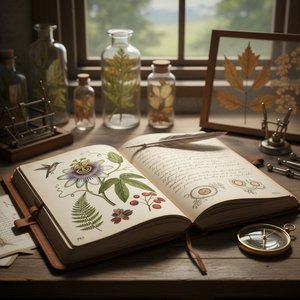
Titian Ramsay Peale II: A Legacy of Botanical Precision & Artistic Innovation
Explore the life & art of Titian Ramsay Peale II, a master of botanical precision and wildlife painting. Discover his legacy bridging art & natural history at OriginalUniqueArt.

Charles Willson Peale: Portraiture, Enlightenment Ideals & Shaping American Identity
Explore the life & art of Charles Willson Peale – Revolutionary portraitist, scientist, and founder of America’s first museum. Discover his iconic paintings of Washington & the Enlightenment ideals that shaped a nation.

