
 Odoslať ako digitálnu kartu
 Zdieľať
 Podrobnosti o dielo
 Príručka

 Stiahnuť obraz
 Podobné položky
 Prehliadanie diapozoje
 Otázky a odpovede
 Štatistiky
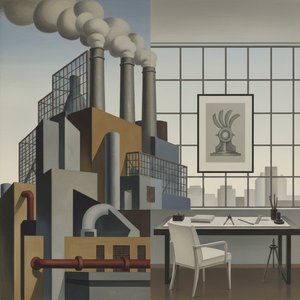
Industrial Architecture

- 26.0 x 36.0 cm


 Zobraziť viac
Umelecké dielo zobrazené na tejto stránke je chránené autorským zákonom, čo znamená, že nemôžeme legálne vytvárať ani predávať jeho identickú reprodukciu. Táto ochrana je vymáhaná na základe medzinárodných dohôd, ako napríklad Bernská konvencia a národnými zákonmi, vrátane tých, ktoré sú stanovené v Autorské právo USA – Title 17. Všetky práva vyhradené.
Táto metóda plne dodržiava autorské práva, pretože nezahŕňa kopírovanie ani duplikovanie chráneného diela. Ide skôr o kreatívnu reinterpretáciu – nový obraz, ktorý je ovplybnený originálom, no nie je s ním identický.
Giclée / Umenotlač
Giclée tlač alebo plátno múzeálnej kvality s rýchlou výrobou a rôznymi možnosťami povrchovej úpravy. ( Kúpiť ručne maľovaný obraz Prepnúť na digitálny obraz)




































Vyberte si z našich preddefinovaných rozmerov, ktoré zodpovedajú pôvodným pomeroḿ diela.

Zadajte šírku a výšku, ktoré potrebujete, aby sa reprodukcia hodila k vášmu rámu alebo stene. Print možno len orezávať, nikdy však nemennú veľkosť zvětšiť oproti pôvodnému obrázku, preto pri inom formáte stráca časť obrazu. Pred samotným vytlačiacím procesom vám pošleme digitálny náhľad na schválenie. Obrázok zobrazený na tejto stránke nezobrazuje reálny rez — len digitálny náhľad ukazuje presný výsledok.
Celosvetová doprava () do 2 týždňov namiesto štandardných 4 až 5 týždňov. (6 november)

Bezplatná expresná doprava po celom svete

Vysokokvalitné lnianske plátno

Kompletné poistenie prepravy

Záruka vrátenia colného poplatku

Záruka presného farebného zhodnutia

100-dená politika vrátenia tovaru (iba pri vadách)

100% záruka vrátenia peňazí

Zľava pri väčšom množstve
 Možnosť skla je dostupná len pri rozmeroch pod 110 cm

Industrial Architecture
Giclée / Umenotlač
Veľkosť reprodukcie
-


Celková cena
€ 72
Charles Sheeler's "Industrial Architecture": A Precisionist Masterpiece
This meticulously crafted hand-painted reproduction captures Charles Sheeler’s seminal work, “Industrial Architecture,” a pivotal piece in the development of American Precisionism. Executed in 1931, this image transcends a simple depiction of an industrial site; it's a carefully constructed meditation on modernity, industry, and the burgeoning relationship between humanity and machine. The photograph, originally taken by Sheeler himself, serves as the foundation for this stunning artistic interpretation, showcasing his keen eye for geometric forms and stark contrasts that would become hallmarks of his style.
The Precisionist Vision
Born in Philadelphia in 1883, Charles Sheeler’s artistic journey was shaped by a rigorous education – initially at the Pennsylvania Museum School of Industrial Art and subsequently at the Pennsylvania Academy of Fine Arts. This training instilled within him a disciplined approach to observation and representation, culminating in his development of Precisionism. Unlike Impressionism's focus on fleeting moments, or Post-Impressionism’s emotional expression, Sheeler sought to depict subjects with an almost photographic clarity, emphasizing precise lines, sharp angles, and the inherent order found within industrial landscapes. The influence of European masters like Giotto, Masaccio, and Piero della Francesca is subtly present in his work, particularly in the careful rendering of form and space – a testament to his deep understanding of classical composition.
- Geometric Forms: The dominant motif is the precise arrangement of rectilinear shapes—the building’s walls, windows, and the imposing crane—creating a dynamic visual rhythm.
- Monochromatic Palette: The use of black and white amplifies the starkness and emphasizes the industrial subject matter, mirroring the austerity often associated with early 20th-century factories and urban environments.
- Sharp Detail: Sheeler’s meticulous attention to detail is evident in every element, from the texture of the metal crane to the reflections on the building's surface.
Symbolism and Context – A Reflection of Modernity
“Industrial Architecture” was created during a period of rapid industrialization and urbanization in America. The image powerfully reflects this era, capturing the rise of factories, railroads, and other technological advancements that were transforming American society. The crane itself is a potent symbol—representing progress, power, and the relentless drive for efficiency. The presence of the human figure, a solitary observer within the vast industrial landscape, adds another layer of interpretation, suggesting humanity’s role as both participant and witness to this transformative period. Sheeler's interest in architecture stemmed from his work documenting buildings for architects, demonstrating a fascination with structure and form.
Artistic Technique & Reproduction Details
This hand-painted reproduction is created using traditional techniques, meticulously replicating Sheeler’s original vision. Skilled artisans have painstakingly recreated the image, capturing not only the visual elements but also the subtle nuances of light and shadow that define his style. The resulting artwork boasts exceptional detail and color fidelity, ensuring a faithful representation of the original photograph. The size of 26 x 36 cm makes it ideal for a variety of interior design settings – from modern apartments to corporate offices. This reproduction is more than just an image; it’s a tangible connection to a significant moment in American art history.
Size: 26 x 36 cm
Date: 1931
Artist: Charles Sheeler Junior
Otázky a odpovede
Akou technikou bolo dielo „Industrial Architecture“ vytvorené a aké je jeho veľkosť?
Originál diela „Industrial Architecture“ od Charles Rettew Sheeler Junior je práca v technike Giclée Print s rozmerami 26 x 36 cm. Technika a veľkosť popisujú originálny objekt.
Akú atmosféru by do miestnosti priniesla reprodukcia diela „Industrial Architecture“ od Charles Rettew Sheeler Junior?
Vďaka svojej Industrial nálade je dielo „Industrial Architecture“ vhodné do Office.
Z ktorej éry pochádza "Industrial Architecture"?
Dielo „Industrial Architecture“ od Charles Rettew Sheeler Junior pochádza z obdobia 19th Century. Toto obdobie poskytuje historický kontext diela.
Biografia umelca
skýme život a vzdelanie
charles rettew sheeler junior, americký maliar a fotograf, sa narodil v philadelphii v roku 1883. jeho umelecká cesta začala v pennsylvania museum school of industrial art, ktorú študoval v rokoch 1900 až 1903, a pokračovala klasickým trvanlým tréningom kreslenia a maľby na pennsylvania academy of fine arts v období 1903–1906. Táto pevná vzdelávacia základňa sa neskôr stala kľúčovým pilierom pre jeho budúcich úspechov ako pioniera precizionizmu.kariéra a vplyvy
Sheelerova raná tvorba bola hlboko formovaná jeho cestami do Európy, kde si v sebe vybudoval fascináciu talianskych maliarov neskorošej stredovekej éry, predovšetkým majstrami ako giotto, masaccio a piero della francesca. V roku 1909 navštívil parížsky dom michael a sarah stein, ktorí boli vtedajnými ranými patronmi picassa a braqueho, čo ho inšpirovalo k experimentov s kubistickým štýlom. Práve táto konfrontácia s rôznymi umeleckými smermi pretvorila jeho vizualný jazyk do jedinečnej precizionistickej prístupu.fotografia a precizionizmus
Sheeler sa fotografii naučil sám, pričom svoje prvé kroky robil dokumentovaním miestnych budov pre architektov. Neskôr sa jeho objektív zameral aj na interiér jeho vlastného domu, kde hľadal spôsob, ako formovať surové priestory pomocou hry svetla a tieňa. Práve táto skúsenosť s fotografiou priamo viedla k rozvoju precizionizmu – štýlu, ktorý sa vyznačuje nekompromisnou presnosťou a dôrazom na detail.významné diela a odkaz
Medzi najvýznamnejšie diela Sheelerovej tvorby patrí napríklad stairway at the farm, doylestown, ktoré demonštruje jeho majstrovstvo v práci so svetlom a kompozíciou, či fotografie miestnej ľudovej architektúry, ktoré odkrývajú skrytú krásu funkčného dizajnu. Jeho práce získali uznanie v prestížnych galériách, vrátane museum of modern art (moma) a metropolitan museum of art. Sheelerov odkaz presahuje hranice jeho vlastnej tvorby a neustále inšpiruje nové generácie umelcov aj fotografov.objavte viac na OriginalUniqueArt.com
- prezerajte si diela charles sheeler: https://OriginalUniqueArt.com/@/charles-rettew-sheeler-junior
- objavte ďalších precizionistických umelcov: /sk/art/show/art-93pvdx-sk/
- 16. júl 1883: narodenie v philadelphii, pennsylvania
- 7. máj 1965: úmrtie v dobbs ferry, new york
referencie
- the metropolitan museum of art: charles sheeler (1883–1965)
- wikipedia: charles sheeler ### odkazy z OriginalUniqueArt.com: - /sk/art/list/ - https://All

Charles Rettew Sheeler Junior
1883 - 1965 , USA
Základné informácie
- Artistic Movement Or Style: Precisionizmus
- Artists Or Movements Influenced By This Artist: ['Kubizmus']
- Artists Who Influenced This Artist:
- Giotto
- Masaccio
- Piero della Francesca
- Date Of Birth: 16. júla 1883
- Date Of Death: 7. mája 1965
- Full Name: Charles Rettew Sheeler Jr.
- Nationality: Američan
- Notable Artworks:
- Schodisko na farme, Doylestown
- Sply (Stacks in Celebration)
- Na téme farmárskych budov -2
- Place Of Birth: Philadelphia, Pennsylvania
Súvisiace články

Giclée Prints: Archival Quality & Aesthetic Nuances for the Discerning Collector
Explore the world of giclée prints with OriginalUniqueArt. Learn about archival quality, aesthetic nuances & investment potential. Expert guidance for discerning art collectors seeking museum-quality reproductions and lasting value.

Beyond Color: The Timeless Power and Artistry of Black and White Photography
Explore the profound artistry of black and white photography. From the chemistry of gelatin silver to the chiaroscuro of the Old Masters, discover how monochrome captures the eternal essence of light, form, and emotion for the discerning art collector.

Top 10 slávnych obrazov v odtieňoch bielej: Krása, história a dekor pre váš domov
Objavte top 10 slávnych obrazov v odtieňoch bielej – Monet, Renoir a ďalší majstri. História umenia, techniky a inšpirácia pre váš interiér. Reprodukcie obrazov najvyššej kvality na OriginalUniqueArt.com.

Top 10 slávnych obrazov s dominantnou čiernou farbou | OriginalUniqueArt.sk
Objavte top 10 slávnych obrazov s dominantnou čiernou farbou od Rembrandta, Goya a ďalších majstrov. Prežite príbehy umenia, techniky a nadčasovej krásy. Reprodukcie obrazov pre váš interiér na OriginalUniqueArt.sk – múzejná kvalita!
Charles Sheeler Jr.: Precisionism, Industrial Aesthetics & the American Modernist Vision
Explore the groundbreaking work of Charles Sheeler Jr., a pivotal figure in American Precisionism. Discover his iconic industrial landscapes, photographic studies & lasting influence on modernist art. Expert insights for collectors.