

 Zobraziť v interiéri
 Odoslať
 Zdieľať
 Podrobnosti
 Príručka

 Stiahnuť
 Podobné položky
 RTG skúška
 Prehliadanie diapo\]
 Štatistiky
Venus and Amor
 Oil
Oil- WallArt
- Rococo Style
 1740
1740- Early Modern
 40.0 x 31.0 cm
 Kunsthalle Bremen
 Prečítať si viac
Ručne maľovaná olejová reprodukcia
Ručne maľovaný olej na plátne vo vašej zvolenej veľkosti a v ráme, vyrobený na mieru našimi umelcami. ( Prepnúť na tlač Prepnúť na digitálnu verziu obrazu)




P118B €10

P118H €10

P118W €10

P438Z €10

P508JH €12

P508YH €12

P805H €10

P805Z €10

P919BZ €10

P919G €10

P919XJ €10

P959ZH €10

P968JZ €12

W106C €8

W218G €10

W218JH €8

W218Y €10

W307PJ €10

W316G €10

W316PJ €8

W316Y €10

W398PJ €8

W4111J €10

W500HY €15

W500JH €15

W692G €12

W849H €8

W940BG €15

W953PJ €8




Vyberte si z našich preddefinovaných rozmerov, ktoré zodpovedajú pôvodným pomeroḿ diela.

Zadajte šírku a výšku, ktoré potrebujete, aby sa dielo hodilo k vášmu rámu alebo stene. Keďže ide o ručnú maľbu, pri rozmeroch s odlišným pomerom strán môže umelec namalovať o niečo viac okolo obrázka alebo ho mierne orezatú — výber patrí vám. Pred začatím maľovania vám pošleme digitálnu ukážku na schválenie. Obrázok zobrazený na tejto stránke nenahrádza reálny výsledok — ten zobrazuje iba digitálna ukážka.
Po odoslaní objednávky vám tím OriginalUniqueArt.com pošle e-mail s pokynmi a poskytne náhľad na návrh
Celosvetová doprava () za 3 až 4 týždne namiesto štandardných 5 týždňov. (21 október). Bez kompromisov v kvalite.

Bezplatná expresná doprava po celom svete

Vysokokvalitné lnianske plátno

Úplné poistenie prepravy

Záruka vrátenia colného poplatku

Záruka presného farebného zhodnutia

100-dená politika vrátenia tovaru (iba pri vadách)

100% záruka vrátenia peňazí

Ponuka množstevnej zľavy
 Možnosť skla je dostupná len pri rozmeroch pod 110 cm

Venus and Amor
Spôsob reprodukcie
Veľkosť reprodukcie
-


Celková cena
€ 262
A Symphony of Tenderness: The Rococo Grace of Venus and Amor
In the soft, luminous glow of Charles André van Loo’s 1740 masterpiece, Venus and Amor, we are invited into a realm where divinity meets the most intimate of human emotions. This exquisite painting serves as a quintessential emblem of the Rococo era, a period defined by its departure from the heavy, dramatic shadows of the Baroque in favor of light, air, and an almost ethereal elegance. As the eye wanders across the canvas, it is immediately captured by the serene interaction between the goddess of love and her young cherub. Van Loo does not merely depict a mythological scene; he captures a profound moment of maternal reverence, where the celestial and the terrestrial dissolve into a single, breathless heartbeat of affection.
The composition is a masterclass in the Rococo aesthetic, characterized by its delicate balance and flowing, curvilinear lines. Venus rests upon a rugged yet soft-edged rocky outcrop, her posture suggesting a quiet, contemplative stillness. Her gaze, directed downward toward the infant Amor, radiates a protective warmth that transcends her divine status. This tender connection is mirrored in the surrounding landscape, where scattered birds flit through the air, adding a subtle sense of movement and life to the otherwise tranquil scene. The artist’s use of a pastel-driven palette—dominated by creamy whites, blush pinks, and muted, mossy greens—creates an atmosphere of dreamlike tranquility, making the artwork feel less like a static image and more like a fleeting, beautiful memory.
Masterful Technique and Symbolic Resonance
Beyond its surface beauty, Venus and Amor reveals a sophisticated technical prowess that continues to inspire collectors and decorators alike. Van Loo employs advanced glazing techniques, layering thin, translucent veils of paint to achieve a luminous, pearlescent quality on the skin of the figures. This method allows light to appear as if it is emanating from within the canvas itself, highlighting the soft textures of drapery and the delicate features of the cherub. Every brushstroke is intentional, contributing to an overall sense of refinement and luxury that was highly prized in the French courts of Louis XV.
Symbolically, the painting is rich with layers of meaning that resonate deeply with the themes of renewal and innocence. The presence of the birds serves as a metaphor for freedom and the cyclical nature of life, while the very choice of subject matter—the goddess of love nurturing her offspring—speaks to the universal sanctity of the maternal bond. For the discerning interior designer or art enthusiast, this piece offers more than just visual appeal; it provides an emotional anchor. Whether placed in a sun-drenched morning room or a sophisticated gallery space, a high-quality reproduction of this work brings with it an aura of classical sophistication and a timeless sense of peace, making it an incomparable centerpiece for any curated collection.
Otázky a odpovede
Patrí dielo „Venus and Amor“ od Charles André van Loo do verejnej vlastnícky sféry a prečo?
Dielo „Venus and Amor“ od Charles André van Loo patrí do v verejnom vlastníctve – autorské práva vypršali. Autorské práva sa vypočítavajú od roku úmrtia umelca a Charles André van Loo zomrel v roku 1765.
Koľko rokov mal/a Charles André van Loo, keď vytvoril/a „Venus and Amor“ v roku 1740?
Keď bolo dielo „Venus and Amor“ vytvorené v roku 1740, umelec Charles André van Loo – narodený v roku 1705 – mal 35 rokov.
Ako môžem objaviť diela podobné „Venus and Amor“ od Charles André van Loo?
Stránka Podobné diela diela „Venus and Amor“ od Charles André van Loo predstavuje súvisiace umelecké diela.
Biografia umelca
Raný život a vzdelanie
- Narodenie: 15. februára 1705, Nice, Francúzsko
- Rodinné prostredie: Syn Louisa-Abrahama van Looho a mladší brat Jean-Baptiste van Looho. Člen úspešnej dynastie holandských maliarov.
- Rané vzdelanie: Počiatočné školenie v Turíne, po ktorom nasledovaly štúdie v Ríme (1712) pod vedením Benedetta Lutiho a Pierre Legrosa.
- Parížske štúdie: Študoval na Académie royale, kde v roku 1723 získal prvú cenu za kreslenie a v roku 1727 za historické maliarstvo.
Umelecká kariéra a významné diela
- Štýl: Predovšetkým známy ako maliar rokoká, ktorý je charakteristický eleganciou, gráciou a bohatými detailmi.
- Témika: Široký rozsah vrátane portrétov, mytologických scén, historických malieb, alegórií a žánrových scén.
- Významné diela:
- Venuša a Amor (Kunsthalle Bremen) – Demonštruje majstrovstvo rokokového štýlu.
- Zastavenie poľovníkov (The Metropolitan Museum of Art) – Zachytáva aristokratické aktivity.
- Portrét Marie Leszczynskej, kráľovnej Francúzska – Významný kráľovský portrét.
- Jupiter a Antiope – Predstavuje mytologické témy.
- Autoportrét – Poskytuje pohľad na umeleckú sebavedomosť autora.
- Perseus a Andromeda (viaceré verzie) – Ilustruje schopnosť zobrazovať klasickú mytológiu.
- Mademoiselle Clairon ako Medea (malá verzia) – Pútavý rokokový portrét z roku 1760.
Protektorát a kráľovské uznanie
- Kráľovský protektorát: Užíval si podporu Madame de Pompadour a francúzskeho dvora.
- Vymenovanie na dvore: V roku 1762 sa stal prvým maliarom kráľa Louisa XV, čo bola veľmi prestížna pozícia.
- Rad svätého Michala: Bol vyznamenaný Radom svätého Michala, čo bolo symbolom kráľovskej priazne.
Vplyvy a odkaz
- Rodinný vplyv: Silne ovplyvnený svojím otcom a bratom, ktorí boli obaja uznávaní maliari.
- Sútenie: Súťažil s Françoisom Boucherom, ďalším významným predstaviteľom rokoká.
- Moderná francúzska škola: Jeho „jednoduchosť štýlu a správnosť kompozície“ zásadne ovplyvnili modernú francúzsku školu maliarstva.
- Kritický osud: Hoci jeho umelecké postavenie v čase kolísalo, jeho zručnosť a šírka jeho tvorby si vyžadujú úctu.
Múzejne kolekcie a ďalšie objavovanie
- Prítomnosť v múzeách: Jeho diela sú zastavené v prominentných múzeách, vrátane Louvru (Svadba Panny Mária), Kunsthalle Bremen a The Metropolitan Museum of Art.
- Ďalšie zdroje:
- Stránka Charles-André van Loo na OriginalUniqueArt: https://www.OriginalUniqueArt.com/artists/charles-andre-van-loo/
- Stránka Najväčších umelcov všetkých čias na OriginalUniqueArt: https://www.OriginalUniqueArt.com/greatest-artists
- Virtuálne múzeum OriginalUniqueArt: https://www.OriginalUniqueArt.com/
- Článok na Wikipedia: https://en.wikipedia.org/wiki/Charles-Andr%C3%A9_van_Loo
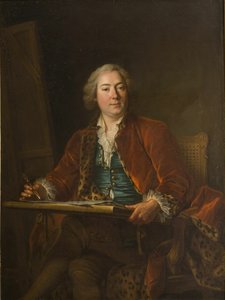
Charles André van Loo
1705 - 1765 , Francúzsko
Rýchle fakty
- Artistic Movement Or Style: Rokoko
- Artists Or Movements Influenced By This Artist: ['Modern French school']
- Artists Who Influenced This Artist:
- Benedetto Luti
- Pierre Le Gros
- Date Of Birth: Feb 15, 1705
- Full Name: Charles André van Loo
- Nationality: Francúzsky
- Notable Artworks:
- Venus and Amor
- Halt of the Hunt
- Portrait of Marie Leszczynska
- Jupiter and Antiope
- Place Of Birth: Nice, France
Súvisiace články

Top 10 majstrovských diel rokokového umenia pre váš domov | OriginalUniqueArt.com
Ponorte sa do sveta rokokového umenia! Objavte top 10 majstrovských diel od Watteaua, Bouchera a ďalších. Luxusné reprodukcie obrazov pre váš domov na OriginalUniqueArt.com – inšpirujte sa pastelovými farbami a elegantnou výzdobou.
Sir Anthony van Dyck: Courtly Portraiture & the Shaping of Baroque Identity
Explore the life & legacy of Sir Anthony van Dyck, the leading court painter of his era. Discover his innovative portraiture, Baroque masterpieces, and investment potential for discerning collectors. Learn more at OriginalUniqueArt.

Top 10 majstrov raného nizozemského maliarstva: Diela, ktoré zmenili dejiny umenia | OriginalUniqueArt
Objavte 10 majstrov raného nizozemského maliarstva – Jan van Eyck, Rogier van der Weyden a ďalší. Prežite príbehy ikonických diel renesancie a inšpirujte sa pre váš interiér s kvalitnými reprodukciami na OriginalUniqueArt.com.

Rembrandt van Rijn: Top 25 Majstrovských Diel pre Váš Domov | OriginalUniqueArt
Ponorte sa do sveta Rembrandta van Rijna s OriginalUniqueArt.com! Objavte 25 majstrovských diel holandského baroka, portrétov a ikonických obrazov plných svetla a tieňa. Kúpiť kvalitné reprodukcie pre váš interiér. Preskúmajte celú kolekciu online!

Charles-André van Loo: A Study in Rococo Portraiture & the French Court's Artistic Dynamics
Explore the elegant world of Charles-André van Loo, a master of Rococo portraiture at the French court. Discover his life, techniques, and enduring influence on 18th-century art. Hand-painted reproductions available.


