Rococo · 1762
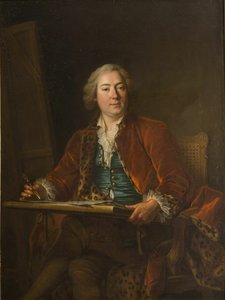
Self-Portrait (Carle van Loo, 1762)
Carle van Loo (1705–1765) vytvoril Self-Portrait. Pochádza z roku 1762. Patrí k umeleckému smeru Rococo. Je vyrobené z Oil On Canvas. Nachádza sa v Hermitáž v Petrohrad, Rusko. Rozmery sú 88 × 72 cm.
- 1762
- Oil On Canvas
- 88 × 72 cm
- Hermitáž, Petrohrad

 Náhľad v interiéri

 Ručne maľovaná olejná reprodukcia
 Odoslať ako digitálnu kartu
 Zdieľať
 Informačný list


 Stiahnuť obraz
 Podobné položky
 RTG skúška
 Prehliadanie diapozoje
 Otázky a odpovede

 Štatistiky
Self-Portrait v krátkosti
- Názov
- Self-Portrait
- Umelec
- Carle van Loo (1705–1765)
- Narodený v roku
- Nice, Francúzsko
- Dátum
- 1762
- Technika
- Oil On Canvas
- Rozmery
- 88 × 72 cm
- Kde si ho pozrieť
- Hermitáž, Petrohrad, Rusko
- Pohyb
- Rococo
- Motív
- portrait, self-portrait, rococo, dutch painting, 18th century, charles van loo
Čo zobrazuje Self-Portrait?
A Portrait of Inner Reflection: Charles-André van Loo’s “Self-Portrait”
The year 1762 witnessed a pivotal moment in the artistic landscape of France – the creation of Charles-André van Loo's "Self-Portrait." More than simply a likeness, this painting is a carefully constructed meditation on identity, status, and the burgeoning Rococo aesthetic. Van Loo, a key figure within his family’s esteemed dynasty of painters, presents himself not as a flamboyant courtier or a heroic warrior, but as a thoughtful observer, subtly imbued with an air of quiet contemplation. The portrait immediately draws the eye to the artist's direct gaze, a deliberate act of engagement that invites the viewer into a private moment.
Van Loo’s style is quintessential Rococo – characterized by its delicate brushwork, pastel hues, and an emphasis on elegant ornamentation. He employs a loose, almost impressionistic technique, favoring soft transitions between light and shadow to create a sense of atmospheric depth. The rich fabrics of his suit—a deep burgundy velvet accented with gold embroidery—speak volumes about his position within the French court, while the subtle details – the meticulously rendered lace collar, the gleaming sword on his side – reinforce this image of refined authority. Yet, it’s not merely a display of wealth; these elements are presented with an understated grace that suggests a considered awareness of their symbolic weight.
The Context of 18th-Century Portraiture
To fully appreciate “Self-Portrait,” one must understand the evolving context of portraiture during the mid-18th century. Following the grandeur of the Baroque period, artists began to shift towards a more intimate and psychologically nuanced approach. The rise of the middle class fueled demand for portraits, but royal patronage continued to shape artistic trends. Artists like Van Loo were tasked with capturing not just physical likenesses, but also conveying an individual’s character and social standing. Van Loo's self-portrait reflects this trend – it is a carefully crafted statement about his identity as both artist and member of the elite.
Interestingly, the portrait predates the widespread popularity of the self-portrait as a genre. While artists had occasionally depicted themselves in various roles throughout history, Van Loo’s work stands out for its directness and lack of theatricality. He avoids overtly dramatic poses or elaborate settings, opting instead for a simple, uncluttered composition that focuses entirely on his own image. This deliberate restraint speaks to the artist's confidence and self-awareness – he is not seeking to impress, but rather to present himself honestly.
Symbolism and Emotional Resonance
Beyond its technical merits, “Self-Portrait” is rich in symbolic detail. The sword, a traditional emblem of power and authority, suggests Van Loo’s role as a court painter – a position that demanded both artistic skill and political savvy. However, the sword is not brandished aggressively; it rests calmly on his hip, hinting at a measured approach to wielding influence. The background—a plain wall—further emphasizes the artist's focus on himself, creating an aura of introspection.
Perhaps most powerfully, the painting evokes a sense of quiet contemplation. Van Loo’s gaze is direct and unwavering, yet there is also a hint of melancholy in his expression. It’s as if he is reflecting on his own life, his work, and the complexities of his position within society. The subtle shading around his eyes and mouth contributes to this feeling of emotional depth, inviting the viewer to share in his private thoughts. The painting isn't merely a representation of a man; it’s an invitation into his inner world.
A Timeless Masterpiece: Reproduction Possibilities
Charles-André van Loo’s “Self-Portrait” remains a captivating work of art, offering a rare glimpse into the mind and soul of a prominent 18th-century artist. High-quality reproductions capture the delicate brushwork and nuanced color palette that define this masterpiece. Whether displayed in a formal salon or a contemporary living space, this portrait continues to resonate with viewers today, reminding us of the enduring power of self-reflection and artistic expression. OriginalUniqueArt offers meticulously crafted hand-painted reproductions, allowing you to bring this timeless work into your home.
V ktorom múzeu sa nachádza Self-Portrait?
Hermitáž
Petrohrad, Rusko
Zimný palác a poklady Hermitáže: Cesta časom a umením Hermitáž v Petrohrade nie je len múzeum; je to ohromujúci komplex, ktorý sa rozprestiera cez šesť historických budov, vrátane ikonického Zimného paláca. Jeho história sa začína v roku 1764, keď ho založila cárovná Mária Terézia ako súkromnú zbierku západnoeurópskeho umenia. Postupne sa rozrastala prostredníctvom nákupov a darov, až sa stala jedným z najväčších a najrozsiahlejších múzeí sveta, uchovávajúc viac ako tri milióny artefaktov od staroveku po súčasnosť.


Vysoko rozlíšené fotografie diela Self-Portrait
Carle van Loo, Self-Portrait (1762), Hermitáž. Verejné vlastníctvo
Otázky k dielu Self-Portrait, odpovede
Kde je dnes vystavené dielo „Self-Portrait“ od Carle van Loo?
Originál diela „Self-Portrait“ od Carle van Loo sa nachádza v múzeu Hermitáž, Petrohrad, Rusko. Reprodukcia vám umožňuje toto dielo vystaviť priamo vo vašom domove.
Kedy bolo vytvorené dielo „Self-Portrait“ od Carle van Loo?
Vznik diela „Self-Portrait“ od Carle van Loo sa datuje do roku 1762.
Aká technika bola použitá pre „Self-Portrait“ od Carle van Loo?
Technikou diela „Self-Portrait“ od Carle van Loo je Oil On Canvas. Reprodukcie majú za cieľ verné odovzdanie vzhľadu tejto techniky.
Aké sú rozmery originálu „Self-Portrait"?
Pôvodné rozmery diela "Self-Portrait" sú 88 x 72 cm. Pôvodné rozmery sú užitočným vodidlom pri výbere veľkosti reprodukcie.
Čo zobrazuje dielo „Self-Portrait“ od Carle van Loo?
„Self-Portrait“ od Carle van Loo zobrazuje: portrait, self-portrait, rococo, dutch painting, 18th century, charles van loo, mustache.
Možno voľne reprodukovať obraz diela „Self-Portrait“ od Carle van Loo?
Stav autorských práv pre „Self-Portrait“ od Carle van Loo: dielo je v stave v slobodnom prostredí – autorské práva vypršali. To určuje, či je možné voľne vytvárať reprodukcie tohto obrazu.
K ktorému umelcovi sa pripisuje dielo "Self-Portrait"?
Dielo „Self-Portrait“ vytvoril/a Carle van Loo. Informácie na tejto stránke opisujú originálne dielo umelca/ky Carle van Loo.
Do ktorého umeleckého smeru patrí „Self-Portrait“ od Carle van Loo?
„Self-Portrait“ od Carle van Loo patrí do smeru Rococo. Tento smer poskytuje štylistický kontext diela.
Do ktorej obdobia tvorby Carle van Loo spadá dielo "Self-Portrait"?
Dielo „Self-Portrait“ pochádza z obdobia Mature Period v tvorbe umelca Carle van Loo. Táto klasifikácia spája toto dielo s vývojom umeleckej dráhy autora.
O umelcovi, Carle van Loo
1705–1765, Francúzsko
Carle van Loo
Raný život a vzdelanie Narodenie: 15. februára 1705, Nice, Francúzsko Rodinné prostredie: Syn Louisa-Abrahama van Looho a mladší brat Jean-Baptiste van Looho. Člen úspešnej dynastie holandských maliarov. Rané vzdelanie: Počiatočné školenie v Turíne, po ktorom nasledovaly štúdie v Ríme (1712) pod vedením Benedetta Lutiho a Pierre Legrosa.
Aj od Carle van Loo
 Spanish Concert (Spanish Сonversation)1754
 Aeneas Carrying Anchises1729
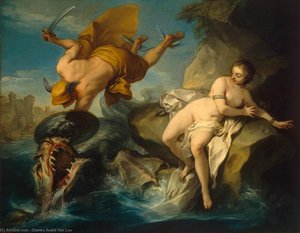 Perseus and Andromeda1735
 The sultana1747
Eseje k dielu Self-Portrait
 Charles-André van Loo: A Study in Rococo Portraiture & the French Court's Artistic DynamicsExplore the elegant world of Charles-André van Loo, a master of Rococo portraiture at the French court. Discover his life, techniques, and …
 Tri plátna, tri emócie: Vplyv voľby na subjektívnu interpretáciu umeleckého dielaObjavte hlboký vplyv voľby na subjektívnu interpretáciu umenia! Preskúmajte psychológiu farieb, kompozície a kontext diela. Získajte odborn…
 Reflecting the Self: A History of Portraiture & Psychological InsightExplore the fascinating history of self-portraiture from Renaissance masters like Dürer & Rembrandt to modern interpretations. Discover the…