

 Zobraziť v interiéri
 Odoslať
 Zdieľať
 Podrobnosti
 Príručka

 Stiahnuť
 Podobné položky
 RTG skúška
 Prehliadanie diapo\]
 Štatistiky
Aeneas Carrying Anchises
 Oil On Canvas
- WallArt
- Rococo
 1729
1729 110.0 x 105.0 cm
 Louvre
 Prečítať si viac
Giclée / Umenotlač
Giclée tlač alebo plátno múzeálnej kvality s rýchlou výrobou a rôznymi možnosťami povrchovej úpravy. ( Objednať ručne maľovanú reprodukciu Prepnúť na digitálnu verziu obrazu)




P118B €10

P118H €10

P118W €10

P438Z €10

P508JH €12

P508YH €12

P805H €10

P805Z €10

P919BZ €10

P919G €10

P919XJ €10

P959ZH €10

P968JZ €12

W106C €8

W218G €10

W218JH €8

W218Y €10

W307PJ €10

W316G €10

W316PJ €8

W316Y €10

W398PJ €8

W4111J €10

W500HY €15

W500JH €15

W692G €12

W849H €8

W940BG €15

W953PJ €8




Vyberte si z našich preddefinovaných rozmerov, ktoré zodpovedajú pôvodným pomeroḿ diela.

Zadajte šírku a výšku, ktoré potrebujete, aby sa reprodukcia hodila k vášmu rámu alebo stene. Print možno len orezávať, nikdy však nemennú veľkosť zvětšiť oproti pôvodnému obrázku, preto pri inom formáte stráca časť obrazu. Pred samotným vytlačiacím procesom vám pošleme digitálny náhľad na schválenie. Obrázok zobrazený na tejto stránke nezobrazuje reálny rez — len digitálny náhľad ukazuje presný výsledok.
Celosvetová doprava () do 2 týždňov namiesto štandardných 4 až 5 týždňov. (21 október)

Bezplatná expresná doprava po celom svete

Vysokokvalitné lnianske plátno

Úplné poistenie prepravy

Záruka vrátenia colného poplatku

Záruka presného farebného zhodnutia

100-dená politika vrátenia tovaru (iba pri vadách)

100% záruka vrátenia peňazí

Ponuka množstevnej zľavy
 Možnosť skla je dostupná len pri rozmeroch pod 110 cm

Aeneas Carrying Anchises
Giclée / Umenotlač
Veľkosť reprodukcie
-


Celková cena
€ 70
Aeneas Carrying Anchises: A Testament to Roman Heroism and Rococo Elegance
Charles-André van Loo’s “Aeneas Carrying Anchises,” painted in 1729, is more than just a depiction of a pivotal moment from Virgil's *Aeneid*; it’s a masterful distillation of the Rococo style, imbued with a profound sense of drama and classical gravitas. This artwork, now meticulously reproduced on hand-painted canvas by OriginalUniqueArt, offers a captivating glimpse into 18th-century French artistic sensibilities – a world where mythological narratives intertwined seamlessly with aristocratic life and an exquisite attention to detail reigned supreme.
The scene unfolds within a classically inspired architectural setting, reminiscent of the Temple of Venus or perhaps even the Parthenon, lending an air of timeless grandeur. Van Loo skillfully employs atmospheric perspective – the subtle blurring of details in the background – to draw the viewer’s eye towards the central figures: Aeneas, the Trojan hero, and his aged father, Anchises. The composition is carefully balanced, utilizing a pyramidal structure that reinforces the importance of these two patriarchs. Note the deliberate use of light; it illuminates Aeneas's determined face and the weight of responsibility he carries, while casting a softer glow upon Anchises, suggesting both vulnerability and profound wisdom.
The Rococo Palette: Color, Texture, and Ornamentation
As a leading figure in the Rococo movement, Van Loo’s signature style is immediately recognizable. The painting bursts with rich, layered colors – deep reds, blues, and golds dominate the palette, creating an opulent and luxurious atmosphere. The artist's meticulous brushwork reveals a remarkable attention to texture; from the folds of Aeneas’s cloak to the weathered skin of Anchises, every surface is rendered with incredible realism. Observe how he uses shimmering highlights to capture the light reflecting off polished marble columns and the fabric of their garments – a hallmark of Rococo technique.
The decorative elements are equally noteworthy. The architectural details, while rooted in classical forms, are embellished with intricate moldings, garlands, and subtle flourishes characteristic of the era. Van Loo’s mastery extends to portraying the human form; Aeneas and Anchises are depicted with a graceful elegance that reflects the ideals of beauty prevalent during the Rococo period. The inclusion of other figures in the background – soldiers, attendants, and perhaps even a veiled woman – adds depth and narrative complexity to the scene, hinting at the broader context of the Trojan War and its aftermath.
Symbolism and Narrative Resonance
Beyond its aesthetic beauty, “Aeneas Carrying Anchises” is rich in symbolic meaning. The act of Aeneas carrying his father represents not only filial devotion but also the burden of leadership and the transmission of legacy. Anchises, a descendant of Aeneas and the rightful heir to Troy, embodies the continuity of Roman civilization. The setting itself – a temple or monumental structure – elevates the scene to a realm of mythic importance, suggesting that Aeneas’s journey is not merely a personal quest but a destiny ordained by the gods.
Furthermore, the presence of the woman in the background has been interpreted as representing Fides (Faith) or perhaps even Venus herself, subtly reinforcing the themes of duty, honor, and divine guidance. The painting's overall mood is one of solemn determination tempered with a poignant sense of loss – a reminder of the sacrifices required to fulfill a noble purpose. OriginalUniqueArt’s faithful reproduction captures this nuanced emotional depth, allowing viewers to fully appreciate the artistry and storytelling embedded within Van Loo’s masterpiece.
Bringing “Aeneas Carrying Anchises” Home
Whether you're an art enthusiast, a collector seeking to enrich your collection, or simply someone looking for a stunning addition to your interior décor, OriginalUniqueArt’s hand-painted reproduction of “Aeneas Carrying Anchises” offers the perfect opportunity to own a piece of 18th-century artistic history. The meticulous detail and vibrant colors faithfully recreate Van Loo's original vision, while the canvas medium provides a timeless quality that will endure for generations to come. Explore our selection of sizes and framing options to find the ideal representation for your space – and experience the enduring power of this iconic artwork.
Otázky a odpovede
Kde môžem nájsť diela podobné ako „Aeneas Carrying Anchises“ od Charles André van Loo?
Stránka Podobné diela diela „Aeneas Carrying Anchises“ od Charles André van Loo predstavuje súvisiace umelecké diela.
Ako sa dielo „Aeneas Carrying Anchises“ zapísalo do tém a štýlu umelca Charles André van Loo?
„Aeneas Carrying Anchises“ patrí k dielu Charles André van Loo v rámci smeru Rococo, ktorého zachytané témy zahŕňajú italian baroque influence, mythological, roman themes, courtly patronage, luxury, dynasty’s artistic legacy, classical narrative depiction.
Aký emocionálny tón sprevádza štýl Rococo diela „Aeneas Carrying Anchises"?
„Aeneas Carrying Anchises“ nesie Melancholic emocionálny tón v rámci smeru Rococo.
Biografia umelca
Raný život a vzdelanie
- Narodenie: 15. februára 1705, Nice, Francúzsko
- Rodinné prostredie: Syn Louisa-Abrahama van Looho a mladší brat Jean-Baptiste van Looho. Člen úspešnej dynastie holandských maliarov.
- Rané vzdelanie: Počiatočné školenie v Turíne, po ktorom nasledovaly štúdie v Ríme (1712) pod vedením Benedetta Lutiho a Pierre Legrosa.
- Parížske štúdie: Študoval na Académie royale, kde v roku 1723 získal prvú cenu za kreslenie a v roku 1727 za historické maliarstvo.
Umelecká kariéra a významné diela
- Štýl: Predovšetkým známy ako maliar rokoká, ktorý je charakteristický eleganciou, gráciou a bohatými detailmi.
- Témika: Široký rozsah vrátane portrétov, mytologických scén, historických malieb, alegórií a žánrových scén.
- Významné diela:
- Venuša a Amor (Kunsthalle Bremen) – Demonštruje majstrovstvo rokokového štýlu.
- Zastavenie poľovníkov (The Metropolitan Museum of Art) – Zachytáva aristokratické aktivity.
- Portrét Marie Leszczynskej, kráľovnej Francúzska – Významný kráľovský portrét.
- Jupiter a Antiope – Predstavuje mytologické témy.
- Autoportrét – Poskytuje pohľad na umeleckú sebavedomosť autora.
- Perseus a Andromeda (viaceré verzie) – Ilustruje schopnosť zobrazovať klasickú mytológiu.
- Mademoiselle Clairon ako Medea (malá verzia) – Pútavý rokokový portrét z roku 1760.
Protektorát a kráľovské uznanie
- Kráľovský protektorát: Užíval si podporu Madame de Pompadour a francúzskeho dvora.
- Vymenovanie na dvore: V roku 1762 sa stal prvým maliarom kráľa Louisa XV, čo bola veľmi prestížna pozícia.
- Rad svätého Michala: Bol vyznamenaný Radom svätého Michala, čo bolo symbolom kráľovskej priazne.
Vplyvy a odkaz
- Rodinný vplyv: Silne ovplyvnený svojím otcom a bratom, ktorí boli obaja uznávaní maliari.
- Sútenie: Súťažil s Françoisom Boucherom, ďalším významným predstaviteľom rokoká.
- Moderná francúzska škola: Jeho „jednoduchosť štýlu a správnosť kompozície“ zásadne ovplyvnili modernú francúzsku školu maliarstva.
- Kritický osud: Hoci jeho umelecké postavenie v čase kolísalo, jeho zručnosť a šírka jeho tvorby si vyžadujú úctu.
Múzejne kolekcie a ďalšie objavovanie
- Prítomnosť v múzeách: Jeho diela sú zastavené v prominentných múzeách, vrátane Louvru (Svadba Panny Mária), Kunsthalle Bremen a The Metropolitan Museum of Art.
- Ďalšie zdroje:
- Stránka Charles-André van Loo na OriginalUniqueArt: https://www.OriginalUniqueArt.com/artists/charles-andre-van-loo/
- Stránka Najväčších umelcov všetkých čias na OriginalUniqueArt: https://www.OriginalUniqueArt.com/greatest-artists
- Virtuálne múzeum OriginalUniqueArt: https://www.OriginalUniqueArt.com/
- Článok na Wikipedia: https://en.wikipedia.org/wiki/Charles-Andr%C3%A9_van_Loo
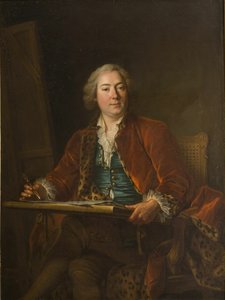
Charles André van Loo
1705 - 1765 , Francúzsko
Rýchle fakty
- Artistic Movement Or Style: Rokoko
- Artists Or Movements Influenced By This Artist: ['Modern French school']
- Artists Who Influenced This Artist:
- Benedetto Luti
- Pierre Le Gros
- Date Of Birth: Feb 15, 1705
- Full Name: Charles André van Loo
- Nationality: Francúzsky
- Notable Artworks:
- Venus and Amor
- Halt of the Hunt
- Portrait of Marie Leszczynska
- Jupiter and Antiope
- Place Of Birth: Nice, France
Súvisiace články

Top 10 majstrovských diel rokokového umenia pre váš domov | OriginalUniqueArt.com
Ponorte sa do sveta rokokového umenia! Objavte top 10 majstrovských diel od Watteaua, Bouchera a ďalších. Luxusné reprodukcie obrazov pre váš domov na OriginalUniqueArt.com – inšpirujte sa pastelovými farbami a elegantnou výzdobou.
Top 10 majstrov ranej holandskej renesancie: Obrazy, ktoré zmenili umenie | OriginalUniqueArt
Objavte 10 ikonických majstrov raného holandskej renesancie – Jan van Eyck, Rogier van der Weyden a ďalší. Prežite príbehy umenia, techniky a symbolizmu. Reprodukcie obrazov pre váš interiér na OriginalUniqueArt.com.

Charles-André van Loo: A Study in Rococo Portraiture & the French Court's Artistic Dynamics
Explore the elegant world of Charles-André van Loo, a master of Rococo portraiture at the French court. Discover his life, techniques, and enduring influence on 18th-century art. Hand-painted reproductions available.

Top 10 majstrov raného nizozemského maliarstva: Diela, ktoré zmenili dejiny umenia | OriginalUniqueArt
Objavte 10 majstrov raného nizozemského maliarstva – Jan van Eyck, Rogier van der Weyden a ďalší. Prežite príbehy ikonických diel renesancie a inšpirujte sa pre váš interiér s kvalitnými reprodukciami na OriginalUniqueArt.com.

Rembrandt van Rijn: Top 25 Majstrovských Diel pre Váš Domov | OriginalUniqueArt
Ponorte sa do sveta Rembrandta van Rijna s OriginalUniqueArt.com! Objavte 25 majstrovských diel holandského baroka, portrétov a ikonických obrazov plných svetla a tieňa. Kúpiť kvalitné reprodukcie pre váš interiér. Preskúmajte celú kolekciu online!


