

 Náhľad v interiéri
 Odoslať ako digitálnu kartu
 Zdieľať
 Podrobnosti o dielo
 Príručka

 Stiahnuť obraz
 Podobné položky
 RTG skúška
 Prehliadanie diapozoje
 Q&A
Q&A Štatistiky
Sem título


 Zobraziť viac
Umelecké dielo zobrazené na tejto stránke je chránené autorským zákonom, čo znamená, že nemôžeme legálne vytvárať ani predávať jeho identickú reprodukciu. Táto ochrana je vymáhaná na základe medzinárodných dohôd, ako napríklad Bernská konvencia a národnými zákonmi, vrátane tých, ktoré sú stanovené v Autorské právo USA – Title 17. Všetky práva vyhradené.
Táto metóda plne dodržiava autorské práva, pretože nezahŕňa kopírovanie ani duplikovanie chráneného diela. Ide skôr o kreatívnu reinterpretáciu – nový obraz, ktorý je ovplybnený originálom, no nie je s ním identický.
Giclée / Umenotlač
Giclée tlač alebo plátno múzeálnej kvality s rýchlou výrobou a rôznymi možnosťami povrchovej úpravy. ( Kúpiť ručne maľovaný obraz Prepnúť na digitálny obraz)




P118B €10

P118H €10

P118W €10

P438Z €10

P508JH €12

P508YH €12

P805H €10

P805Z €10

P919BZ €10

P919G €10

P919XJ €10

P959ZH €10

P968JZ €12

W106C €8

W218G €10

W218JH €8

W218Y €10

W307PJ €10

W316G €10

W316PJ €8

W316Y €10

W398PJ €8

W4111J €10

W500HY €15

W500JH €15

W692G €12

W849H €8

W940BG €15

W953PJ €8




Vyberte si z našich preddefinovaných rozmerov, ktoré zodpovedajú pôvodným pomeroḿ diela.

Zadajte šírku a výšku, ktoré potrebujete, aby sa reprodukcia hodila k vášmu rámu alebo stene. Print možno len orezávať, nikdy však nemennú veľkosť zvětšiť oproti pôvodnému obrázku, preto pri inom formáte stráca časť obrazu. Pred samotným vytlačiacím procesom vám pošleme digitálny náhľad na schválenie. Obrázok zobrazený na tejto stránke nezobrazuje reálny rez — len digitálny náhľad ukazuje presný výsledok.
Celosvetová doprava () do 2 týždňov namiesto štandardných 4 až 5 týždňov. (30 október)

Bezplatná expresná doprava po celom svete

Vysokokvalitné lnianske plátno

Kompletné poistenie prepravy

Záruka vrátenia colného poplatku

Záruka presného farebného zhodnutia

100-dená politika vrátenia tovaru (iba pri vadách)

100% záruka vrátenia peňazí

Zľava pri väčšom množstve
 Možnosť skla je dostupná len pri rozmeroch pod 110 cm

Sem título
Giclée / Umenotlač
Veľkosť reprodukcie
-


Celková cena
€ 71
A Symphony of Shadow and Texture
In the quiet, profound depths of "Sem título," created in 2002 by the Brazilian master Célia Euvaldo de Oliveira, we encounter a world where language fails and only the visceral reality of paint remains. This abstract masterpiece does not seek to represent the external world; instead, it invites the viewer into an internal landscape of shadow and light. The composition is dominated by a powerful interplay of dark gray and black blocks, creating a rhythmic, almost architectural weight upon the canvas. There is no horizon line to ground us, nor a vanishing point to guide our eyes, leaving the spectator to wander through an ambiguous, atmospheric space that feels both infinite and intimately enclosed.
The true soul of this work lies in its extraordinary tactile presence. Through the masterful use of impasto, Oliveira transforms the flat surface of the canvas into a sculptural relief. Each stroke is thick, heavy, and deliberate, leaving behind ridges and valleys that catch the light in unexpected ways. This rugged texture creates a sense of geological depth, as if we are peering into the stratified layers of ancient stone or the charred remains of a forgotten memory. The way the paint overlaps and fragments suggests a continuous process of creation and erosion, making the artwork feel less like a finished object and indeed more like a living, breathing entity.
The Legacy of Brazilian Abstraction
To understand the emotional gravity of "Sem título," one must look to the artistic lineage of Célia Euvaldo de Oliveira. Emerging from the vibrant, experimental pulse of São Paulo, Oliveira was a vital participant in the Grupo Riso, a collective that sought to dismantle the rigid boundaries of traditional art. Her work embodies the spirit of Abstract Expressionism, where the act of painting is an emotional release—a direct engagement with the materiality of the medium. In this piece, we see the culmination of a lifetime spent exploring how color and gesture can evoke profound psychological states without the need for recognizable figures.
The somber palette of blacks and grays evokes a sense of quiet contemplation and a touch of melancholy, making it an ideal centerpiece for spaces designed for reflection. For the discerning collector or interior designer, this painting offers a sophisticated anchor for modern environments. Its monochromatic intensity provides a dramatic contrast to lighter textures in a room, while its heavy, physical presence commands attention in minimalist settings. Owning a reproduction of such a significant work is not merely about decorating a wall; it is about bringing a piece of Brazilian art history and the raw, unbridled emotion of the 20th-century avant-garde into the sanctuary of the home.
Otázky a odpovede
Ako "Sem título" vyvažuje svetlo a tieň?
Zaznamenané hodnoty pre „Sem título“ od Célia Euvaldo De Oliveira sú: jas deep_shadow, luminancia Soft Shadow.
V ktorom roku bolo vytvorené dielo „Sem título“ od Célia Euvaldo De Oliveira?
Dielo „Sem título“ pochádza z roku 2002, čo umožňuje zaradiť ho do tvorby umelca Célia Euvaldo De Oliveira aj do jeho éry.
Využíva „Sem título“ od Célia Euvaldo De Oliveira silné kontrasty alebo jemné harmónie?
V diele „Sem título“ sa Statement kontrast spája s Discordant Palette harmóniou.
Biografia umelca
Célia Euvaldo de Oliveira: A Bold Voice of Brazilian Abstraction
Célia Euvaldo de Oliveira (1934-2017) stands as a significant, yet often underappreciated, figure in the landscape of 20th and 21st-century Brazilian art. Born in São Paulo, Brazil, her artistic journey began in the early 1960s, marked by a deliberate rejection of prevailing artistic norms and an embrace of abstract expressionism. Euvaldo’s work wasn't simply about creating images; it was a visceral exploration of color, texture, and gesture – a direct engagement with the materiality of paint itself. She belonged to the Grupo Riso (The Group of Laughter), a collective of Brazilian artists who sought to dismantle traditional artistic conventions and forge new paths for creative expression, injecting a vital dose of irreverence into the Brazilian art scene. Her legacy resides not just in individual works but within the spirit of experimentation and challenging established boundaries that she embodied.Early Years and Influences: A São Paulo Foundation
Euvaldo’s formative years were deeply rooted in the vibrant cultural atmosphere of São Paulo. While details about her early artistic training are somewhat sparse, it's clear that she developed a strong foundation through observation and independent study. The city itself – with its blend of European influences and burgeoning modernism – undoubtedly played a role in shaping her aesthetic sensibilities. The Grupo Riso, formed in the mid-1960s, provided a crucial context for her artistic development. This group, comprised of artists like Antonio Dias and Lygia Clark, shared a commitment to challenging conventional art practices and exploring new forms of interaction between artist and viewer. The emphasis on process over product, and the blurring of lines between art and life, were central tenets of Grupo Riso’s philosophy – principles that profoundly influenced Euvaldo's approach. Early influences likely included the European abstract expressionists—particularly those who prioritized gesture and emotional intensity—but she quickly developed a distinctly Brazilian voice, informed by her unique cultural background and experiences.A Distinctive Style: Layered Abstraction and Impasto
Euvaldo’s artistic style is immediately recognizable for its bold use of color and dynamic gestural brushstrokes. Her paintings are characterized by layered application of paint – often employing a technique known as *impasto*, where thick layers of pigment create a tactile, three-dimensional surface. This layering isn't merely decorative; it’s integral to the expressive power of her work. Dark tones frequently dominate her palette, creating a sense of depth and contemplation. She wasn’t interested in representational accuracy but rather in conveying emotional states through color and texture. Her compositions are often fragmented and asymmetrical, avoiding traditional notions of balance or harmony. The works evoke a feeling of raw emotion, as if the paint itself is struggling to contain the energy within. A particularly compelling example of this style can be seen in “Sem título” (2002), where layered dark tones and impasto texture create an atmosphere of profound introspection – a testament to her ability to imbue abstract forms with emotional resonance.Exhibitions and Recognition: A Growing Presence
Throughout the 1970s, 80s, and 90s, Euvaldo’s work steadily gained recognition within Brazil. She participated in numerous group exhibitions across the country, including those at the Museu da Gravura da Cidade de Curitiba, the Centro Universitário Maria Antônia, and the Estação Pinacoteca de São Paulo. Her commitment to challenging artistic conventions also led her to participate in international events, notably the 7th Biennial International of Painting of Cuenca (Spain) and the 5th Mercosul Biennial. These engagements broadened her visibility and cemented her position as a leading figure in contemporary Brazilian art. While she may not have achieved widespread international fame during her lifetime, her work is now increasingly appreciated for its originality and emotional depth.Legacy and Significance: A Quiet Revolutionary
Célia Euvaldo de Oliveira’s contribution to Brazilian art lies not in grand pronouncements or sensational exhibitions, but in a consistent dedication to exploring the expressive potential of abstraction. She was a quiet revolutionary—a painter who refused to be defined by conventional categories and instead forged her own path through experimentation and unwavering commitment to her artistic vision. Her work serves as a powerful reminder that art can be a vehicle for profound emotional expression, independent of representational concerns. Her influence continues to resonate within the Brazilian art community, inspiring artists to push boundaries and challenge established norms. Today, her paintings are exhibited in galleries and museums throughout Brazil, and her legacy is being increasingly recognized as an essential part of the country’s artistic heritage.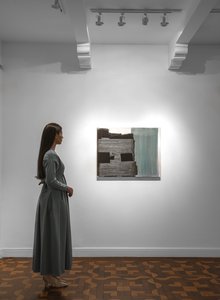
Célia Euvaldo De Oliveira
1934 - 2017 , Brazil
Základné informácie
- Full Name: Célia Euvaldo de Oliveira
- Nationality: Brazilian
- Date Of Birth: 1934
- Date Of Death: 2017
- Place Of Birth: São Paulo, Brazil
- Notable Artworks:
- Sem título (2002)
- Sem título
- Artistic Movement Or Style: Abstract & Expressionist
- Artists Who Influenced This Artist: ['Grupo Riso']
- Artists Or Movements Influenced By This Artist: ['Modern Brazilian Art']
Súvisiace články
The Soul of Color: A Journey into the Emotional Resonance of Lyrical Abstraction
Embark on a cultural journey through Lyrical Abstraction. Explore how masters like Kandinsky used color and motion to translate emotion into visual poetry. Discover the profound beauty of abstract expressionism and learn to curate emotional resonance in your own art collection.

Top 10 majstrov geometrickej abstrakcie: Umění pre váš domov s OriginalUniqueArt.com
Ponorte sa do sveta geometrickej abstrakcie! Objavte 10 majstrovských diel od Mondriana, Kandinského a ďalších. História umenia, techniky a farebné kompozície na OriginalUniqueArt.com – reprodukcie obrazov pre váš domov.

Top 10 majstrovských diel abstraktného expresionizmu pre váš domov | OriginalUniqueArt.com
Ponorte sa do sveta abstraktného expresionizmu s Pollockom, Rothkom a ďalšími majstrami. Objavte príbehy za 10 ikonických diel, techniky a farby, ktoré definovali toto revolučné umenie. Kvalitné reprodukcie na OriginalUniqueArt.com.
Beyond the Lines: Mastering the High-Impact World of Contemporary Abstraction
Master the high-impact world of contemporary abstraction. Discover how bold colors, textures, and modern movements like Abstract Expressionism can transform your space with premium, high-energy art curated for the design-conscious professional.
Top 10 slávnych obrazov vládnutých sivou farbou: Umění pre váš domov s OriginalUniqueArt
Objavte top 10 slávnych obrazov vládnutých sivou farbou – od Van Gogha po Rembrandta. Umenie, história a inšpirácia pre váš interiér s OriginalUniqueArt.com. Reprodukcie múzejnej kvality online.