

 Zobraziť v interiéri
 Odoslať
 Zdieľať
 Podrobnosti
 Príručka

 Stiahnuť
 Podobné položky
 RTG skúška
 Prehliadanie diapo\]
 Štatistiky
Self Portrait as Henri Christophe


 Prečítať si viac
Umelecké dielo zobrazené na tejto stránke je chránené autorským zákonom, čo znamená, že nemôžeme legálne vytvárať ani predávať jeho identickú reprodukciu. Táto ochrana je vymáhaná na základe medzinárodných dohôd, ako napríklad Bernská konvencia a národnými zákonmi, vrátane tých, ktoré sú stanovené v Autorské právo USA – Title 17. Všetky práva vyhradené.
Táto metóda plne dodržiava autorské práva, pretože nezahŕňa kopírovanie ani duplikovanie chráneného diela. Ide skôr o kreatívnu reinterpretáciu – nový obraz, ktorý je ovplybnený originálom, no nie je s ním identický.
Giclée / Umenotlač
Giclée tlač alebo plátno múzeálnej kvality s rýchlou výrobou a rôznymi možnosťami povrchovej úpravy. ( Objednať ručne maľovanú reprodukciu Prepnúť na digitálnu verziu obrazu)




P118B €10

P118H €10

P118W €10

P438Z €10

P508JH €12

P508YH €12

P805H €10

P805Z €10

P919BZ €10

P919G €10

P919XJ €10

P959ZH €10

P968JZ €12

W106C €8

W218G €10

W218JH €8

W218Y €10

W307PJ €10

W316G €10

W316PJ €8

W316Y €10

W398PJ €8

W4111J €10

W500HY €15

W500JH €15

W692G €12

W849H €8

W940BG €15

W953PJ €8




Vyberte si z našich preddefinovaných rozmerov, ktoré zodpovedajú pôvodným pomeroḿ diela.

Môžete zadať vlastné rozmery, aby sa reprodukcia prispôsobila konkrétnemu rámu alebo priestoru. Ak zvolená veľkosť nebude zodpovedať proporciám originálu, dielo buď orežeme, alebo obraz rozšírime pomocou zrkadlenia či farebného doplnenia okrajov. Pred začatím výroby vám pošleme digitálnu ukážku na schválenie.
Máte na vedomí, že náhľad na obrazovke neodzrkadľuje skutočné orezanie alebo rozšírenie. Len digitálna ukážka presne zobrazí finálnu kompozíciu.
Hoci sú k dispozícii vlastné rozmery, pre zachovanie pôvodných proporcií odporúčame vybrať si rozmer z vopred definovaného zoznamu.
Celosvetová doprava () do 2 týždňov namiesto štandardných 4 až 5 týždňov. (13 október)

Bezplatná expresná doprava po celom svete

Vysokokvalitné lnianske plátno

Úplné poistenie prepravy

Záruka vrátenia colného poplatku

Záruka presného farebného zhodnutia

100-dená politika vrátenia tovaru (iba pri vadách)

100% záruka vrátenia peňazí

Ponuka množstevnej zľavy
 Možnosť skla je dostupná len pri rozmeroch pod 110 cm

Self Portrait as Henri Christophe
Giclée / Umenotlač
Veľkosť reprodukcie
-


Celková cena
€ 69
A Visionary Encounter with Haitian Majesty
In the evocative strokes of Castera Bazile’s 1958 masterpiece, Self Portrait as Henri Christophe, we are transported into a realm where personal identity and national myth collide. This profound oil on board painting serves as more than a mere likeness; it is a theatrical reclamation of power and heritage. Through the lens of Bazile’s brush, the artist does not simply depict himself, but rather inhabits the persona of one of Haiti's most formidable historical figures. The composition captures a moment of intense, commanding presence, where the subject stands draped in the regalia of military authority, his gaze steady and resolute, inviting the viewer to witness a resurrection of Haitian sovereignty.
The technical execution of the piece reveals the raw, expressive energy characteristic of Bazile’s mid-century style. Utilizing the rich, tactile medium of oil, the artist employs a palette that balances the starkness of military whites and blacks with the symbolic weight of ceremonial elements. The texture of the paint lends a physical dimension to the uniform, making the heavy fabric and the glint of the sword feel almost tangible. Every stroke contributes to a sense of movement—from the raised arm suggesting an oratorical gesture to the delicate flutter of the white feather in his black hat. This mastery of light and shadow creates a dramatic chiaroscuro effect that heightens the painting's psychological depth, making it a captivating centerpiece for any collection focused on historical narrative or fine portraiture.
Symbolism and the Spirit of Resistance
Beyond its visual splendor, the painting is steeped in the complex symbolism of Haitian history and Vodou spirituality. By adopting the guise of Henri Christophe, the former King of Haiti, Bazile weaves a tapestry of resistance and pride. The presence of the flags flanking the figure serves as a powerful reminder of national identity and the struggle for independence. The sword, held with a firm yet poised hand, is not merely a weapon of war but a symbol of the strength required to protect one's culture and autonomy. For the discerning collector or interior designer, this work offers a profound layer of meaning, acting as a conversation piece that speaks to themes of leadership, legacy, and the enduring spirit of the Caribbean.
To possess a reproduction of this work is to bring a fragment of Haiti's vibrant artistic soul into one's space. The emotional impact of Self Portrait as Henri Christophe lies in its ability to evoke both awe and introspection. It is an artwork that demands attention, commanding the walls of a sophisticated gallery or a curated home library with its regal intensity. Whether used to anchor a room with historical gravity or to provide a bold, cultural focal point in a modern interior, Bazile’s vision remains as potent today as it was when first captured on board in 1958.
Otázky a odpovede
Ktorý národný pôvod stojí za smerom Contemporary Realism diela „Self Portrait as Henri Christophe"?
Dielo v štýle Contemporary Realism s názvom „Self Portrait as Henri Christophe“ vytvoril umelec, ktorý sa narodil v krajine Haiti.
Existujú diela podobné ako „Self Portrait as Henri Christophe"]?
Stránka Podobné diela diela „Self Portrait as Henri Christophe“ od Castera Bazile predstavuje súvisiace umelecké diela.
Sú farby diela „Self Portrait as Henri Christophe“ od Castera Bazile sýte alebo tlmené?
Farby diela „Self Portrait as Henri Christophe“ od Castera Bazile majú Subtle Color saturáciu. Saturácia určuje, ako sú farby živé alebo tlmené.
Aký typ umeleckého diela predstavuje „Self Portrait as Henri Christophe“ od Castera Bazile?
„Self Portrait as Henri Christophe“ je wall art dielo.
Kde si môžem stiahnuť „Self Portrait as Henri Christophe“ od Castera Bazile?
„Self Portrait as Henri Christophe“ od Castera Bazile si môžete stiahnuť na stránke Stiahnuť pre dané dielo ako stiahnutie digitálneho obrázka vo vysokom rozlíšení.
Kedy bolo vytvorené dielo „Self Portrait as Henri Christophe“ od Castera Bazile?
Vznik diela „Self Portrait as Henri Christophe“ od Castera Bazile sa datuje do roku 1958.
Aký pocit vyvoláva „Self Portrait as Henri Christophe“ od Castera Bazile?
V diele „Self Portrait as Henri Christophe“ sprevádza Dramatic nálada Powerful emóciu.
Existuje sprievodca k dielu „Self Portrait as Henri Christophe“ od Castera Bazile?
Sprievodca k dielu „Self Portrait as Henri Christophe“ je stránka Sprievodca pre dané dielo – to je vytlačiteľná informačná listina, ktorá zobrazuje umelecké dielo spolu s jeho popisom, uvedením autorstva a identifikačnou tabuľkou (umelec, dátumy, médium, pôvodná veľkosť, kolekcia).
Biografia umelca
A Visionary Voice of Haitian Vodou Art
Castera Bazile (1923-1966) remains an enigmatic figure in Haitian art history, a painter whose oeuvre speaks volumes about the spiritual heart of Haiti and its enduring connection to African traditions. Born in Jacmel, Haiti, Bazile’s life was tragically cut short at the age of forty-three, leaving behind a relatively small but profoundly impactful body of work that continues to fascinate scholars and collectors alike. Despite limited biographical information—primarily gleaned from scattered references—his paintings offer an unparalleled glimpse into the vibrant world of Vodou ceremonies and the heroic narratives surrounding Henri Christophe and Bwa Kayiman.- Early Life & Artistic Beginnings: Little is known about Bazile’s formative years. He emerged as a painter in the mid-1950s, largely self-taught, driven by an unwavering devotion to Vodou and its artistic expressions. His initial subjects were often landscapes depicting Haiti's lush Caribbean environment—a deliberate choice reflecting his deep appreciation for the land and its cultural heritage. However, it was his portraits of Vodou figures, particularly Henri Christophe – the exiled Haitian leader who spearheaded a rebellion against French colonial rule – that cemented his reputation as a unique artistic voice.
The Power of Vodou Imagery
Bazile’s distinctive style is characterized by bold color palettes and expressive brushstrokes, reflecting the dynamism and fervor inherent in Vodou rituals. He eschewed academic conventions, prioritizing emotional impact over meticulous realism. His canvases pulsate with energy, capturing not just likenesses but also the spiritual essence of his subjects—the solemn faces of priests, the vibrant costumes of initiates, and the dramatic choreography of ceremonies. The artist’s masterful use of pigment creates a palpable sense of atmosphere, transporting viewers into the sacred space of Bwa Kayiman – a powerful Haitian Vodou shrine known for its elaborate rituals and symbolic representations.- Notable Subjects & Techniques: Henri Christophe: Bazile’s portrait of Christophe is arguably his most celebrated work. It transcends mere representation, conveying the leader's dignity and resilience—a testament to Haitian resistance against oppression. The painting utilizes a rich tapestry of colors – reds, yellows, and blues – to depict Christophe’s regal attire and gaze, emphasizing his unwavering determination.
- Bwa Kayiman: Bazile’s depictions of Bwa Kayiman are particularly noteworthy for their symbolic depth. He meticulously rendered the shrine's architecture and ceremonial paraphernalia, capturing the ritualistic fervor with meticulous detail. The artist’s technique—characterized by thick impasto—adds textural richness to the canvases, mirroring the physicality of Vodou ceremonies.
Influence & Legacy
Bazile’s artistic vision drew inspiration from Haitian folklore and ancestral traditions, aligning him squarely within the broader context of African Diaspora art. While he lacked formal training, his profound understanding of Vodou iconography and ritual practice informed every aspect of his oeuvre. His work stands apart from many contemporary Haitian artists who focused on documenting social realities—Bazile sought to capture something far more elusive: the intangible spirit of Haiti’s spiritual life.- Concluding Thoughts: Despite the paucity of biographical details, Castera Bazile's paintings endure as powerful emblems of Haitian identity and Vodou spirituality. They serve as a reminder that art can transcend mere visual representation to convey profound emotional and symbolic meaning. His legacy continues to inspire artists exploring themes of faith, resilience, and cultural heritage—solidifying his place as one of Haiti’s most distinctive artistic voices.

Castera Bazile
1923 - 1966 , Haiti
Rýchle fakty
- Full Name: Jacmel Bazile
- Nationality: Haitian
- Date Of Birth: 1923
- Date Of Death: 1966
- Place Of Birth: Jacmel, Haiti
- Notable Artworks:
- Self Portrait as Henri Christophe
- Petwo Ceremony Commemorating Bwa Kayiman
- Artistic Movement Or Style: Vodou Art
Súvisiace články
Robert Henri & the Spirit of American Realism: A Legacy of Urban Life and Artistic Independence
Explore the life & legacy of Robert Henri, a pivotal figure in American Realism. Discover his captivating portraits, influence on the Ashcan School, and enduring impact on art history. Learn more at OriginalUniqueArt.
Beyond the Fabric: Decoding Identity, Authority, and Symbolism in the Art of Military Uniforms
Explore the profound symbolism of military uniforms in art history. From Victorian portraits to realistic lithographs, discover how artists capture power, identity, and historical legacy through the intricate details of martial regalia and command.
Henry Moore: Sculpting Modernity – Form, Emotion & the Human Condition
Explore the revolutionary sculptures of Henry Moore – abstract forms, reclining figures & powerful expressions of the human condition. Discover his legacy & artistic process with OriginalUniqueArt.
Top 10 majstrovských diel fauvizmu: Výrazná umenie pre váš domov | OriginalUniqueArt
Objavte 10 majstrovských diel fauvizmu od Matissea, Deraina a ďalších. Prežite intenzívne farby a expresívny štýl tohto revolučného umenia. Reprodukcie obrazov pre váš domov na OriginalUniqueArt.com.
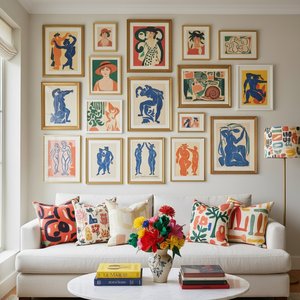
Henri Matisse: Top 25 diel pre milovníkov umenia a luxusného interiéru
Ponorte sa do sveta Henriho Matissea s našou exkluzívnou kolekciou 25 ikonických diel. Objavte príbehy za fauvizmom, farebnými kompozíciami a moderným umením. Reprodukcie obrazov pre luxusný interiér na OriginalUniqueArt.com – preskúmajte celý katalóg online!