

 Náhľad v interiéri
 Odoslať ako digitálnu kartu
 Zdieľať
 Podrobnosti o dielo
 Príručka

 Stiahnuť obraz
 Podobné položky
 RTG skúška
 Prehliadanie diapozoje
 Štatistiky
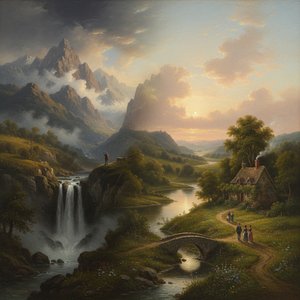
Večer
 Akryl na plátne
- WallArt
- Romantický krajinový maľba
 1824
1824 20.0 x 27.0 cm
 Kunsthalle Mannheim
 Zobraziť viac
Giclée / Umenotlač
Giclée tlač alebo plátno múzeálnej kvality s rýchlou výrobou a rôznymi možnosťami povrchovej úpravy. ( Kúpiť ručne maľovaný obraz Prepnúť na digitálny obraz)




P118B €10

P118H €10

P118W €10

P438Z €10

P508JH €12

P508YH €12

P805H €10

P805Z €10

P919BZ €10

P919G €10

P919XJ €10

P959ZH €10

P968JZ €12

W106C €8

W218G €10

W218JH €8

W218Y €10

W307PJ €10

W316G €10

W316PJ €8

W316Y €10

W398PJ €8

W4111J €10

W500HY €15

W500JH €15

W692G €12

W849H €8

W940BG €15

W953PJ €8




Vyberte si z našich preddefinovaných rozmerov, ktoré zodpovedajú pôvodným pomeroḿ diela.

Zadajte šírku a výšku, ktoré potrebujete, aby sa reprodukcia hodila k vášmu rámu alebo stene. Print možno len orezávať, nikdy však nemennú veľkosť zvětšiť oproti pôvodnému obrázku, preto pri inom formáte stráca časť obrazu. Pred samotným vytlačiacím procesom vám pošleme digitálny náhľad na schválenie. Obrázok zobrazený na tejto stránke nezobrazuje reálny rez — len digitálny náhľad ukazuje presný výsledok.
Celosvetová doprava () do 2 týždňov namiesto štandardných 4 až 5 týždňov. (28 október)

Bezplatná expresná doprava po celom svete

Vysokokvalitné lnianske plátno

Kompletné poistenie prepravy

Záruka vrátenia colného poplatku

Záruka presného farebného zhodnutia

100-dená politika vrátenia tovaru (iba pri vadách)

100% záruka vrátenia peňazí

Zľava pri väčšom množstve
 Možnosť skla je dostupná len pri rozmeroch pod 110 cm

Večer
Giclée / Umenotlač
Veľkosť reprodukcie
-


Celková cena
€ 70
Caspar David Friedrichov večerná krajina – Symfónia pokojného stavu
Friedrichova „Večer“, namalovaná v roku 1824, nie je len znázornením západu slnka; je to embodiment romantického idealizmu destilovaného na plátno. Zachytená s láskavou detailnosťou a ošetrená teplým žiarom súmraku, táto olejová maľba na tvrdom dreve prekračuje jednoduché pozorovanie a prenáša hlbokú duchovnú kontempláciu – znak podpisovej vizuálnej vize Friedricha. Scéna sa odvíja cez pokojné rozloha vody pod neba dominované plávajúcimi oblakmi, ktorých textúry sú vykreslené majstrovskými maľovacím štúdiom, ktoré zachytáva efemérnu krásu prechodu prírody medzi dňom a nocou.- Kompozícia a technika: Friedrich použil pyramídovú kompoziciálnu štruktúru, ktorá prikuvá oko k vzdialenému obzori, pričom ho navádza nahor cez vrstvené oblaky. Jeho technika – charakterizovaná jemnými glazúrovými umyvkami – vytvára atmosféranu mlžstvo, ktoré zmäkçuje hrany a naplní krajinu eterickou kvalitou. Vyčerpávajúca pozornosť umelca detailu je viditeľná v každom maľovacím puknutí, zachytáva jemné variácie farby a svetla, ktoré prispievajú k pohlcujúcej skúsenosti maľby.
- Symbolika a emócia: Okrem svojej vizuálnej nádhery rezonuje „Večer“ hlboko s romantickými témami samotnosti, kontemplácie a spojenectva s Bohom. Samotné maľovanie plávajúce cez vodu symbolizuje ľudskú zraniteľnosť voči obrovskej mohutnosti prírody – pripomienku našej nevýznamnosti, ale zároveň aj pozvánku nájsť útočisko v nádhernej veštobe stvorení.
- Historický kontext: Dielo Friedricha vzniklo počas obdobia intenzívneho intelektuálneho fermentu v nemeckom romantizme, ktoré bolo pohánené filozofickými výskummi metafyziky a epistemológie. Vplyvnený myslitelmi ako Kant a Hegel, Friedrich sa snažil vyjadriť vnútorné skúsenosti úživu – „sublime“ – ktoré vznikajú pri konfrontácii s premädzačnymi prírodnými silami. Táto maľba odráža romantickú zaujatosť pre prenášanie emócie namiesto len reprezentácie reality.
- Reprodukcia z Metropolitan Museum of Art: Je dostupná nádherná reprodukcia vysokej kvality v Metropolitan Museum of Art, ktorá vám umožní priniesť Friedrichovú vyvolávajúcu viziu do vášho domova alebo ateliéra. Jeho živé farby a textúрный detail spoľahlivo odtvoria pôvodný majstrovský diel, zachytávajúc esenciu romantickej krajinovej maľby.
Vyčikanie zdedenia Friedricha – Za hranice scény západu slnka
Vplyv Friedricha sa neobmedzuje len na túto jednu obrazovú plochu. Jeho skúmanie sublime – skúsenosti úživu napomenutého nádherou prírody – sa stalo kameňom náročného romantického umelí a stále inšpiruje umelcov dnes. Zvažujte „Walter Launt Palmera“ Robertaho M. Pennieho, ďalšiu impozantnú krajînovú maľbu demonštrujúcu podobné štýlistické zváženia. Prestudovanie takýchto diel osvetľuje širšie umelecké záujmy Friedricha: ako znázorniť nielen to, čo vidíme, ale aj to, čo cítime, keď sa konfrontujeme s majestátom prírodného sveta.Objavte viac o Friedrichovi a romantickej krajinovej maľbe
Ak chcete hroutednúť hlbšie do umeleckej cesty Friedricha, navštívte Galerie Neue Meister v Dresdene – múzeum uchovávajúce výnimočné kolekcie z romantického obdobia. Alternatívne sa ponořte do histórie európskeho umelí v Neue Pinakothek vo Münichu, kde môžete admirovať majstrovské diela Rembrandtových, Moneta, Klimta a ďalších. Nakoniecne uvažujte o návšteve Muzea Behnhaus Drägerhaus v Lübecku, aby ste zažili jedinečné kultúrne stretnutie v historických paláciách.Prinesieľe Friedrichovú viziu domov – Dostupné prémiové reprodukcie
OriginalUniqueArt ponúka výnimočné reprodukcie „Večera“, ktoré vám umožnia oceniť umelecký geniál Friedricha v ohromujúcom detailu. Prejdite sa našou kolekciou a objavte dokonalé dielo, ktoré zvýši váš interiérový dizajn – časovo nezmeniteľné vyjadrenie romantického idealizmu a trvajúceho krásy prírody.Otázky a odpovede
Kde môžem kúpiť ručne maľovanú reprodukciu diela „Večer“ od Caspar David Friedrich?
Ručne maľované kópie diela „Večer“ od Caspar David Friedrich sú dostupné na stránke táto webstránka: ručne maľovaná olejná reprodukcia na ľanovom plátne, pričom objednať ich môžete priamo cez ich podstránku Ručne maľovaná reprodukcia.
Akú luminanciu má „Večer“ od Caspar David Friedrich?
Dielo „Večer“ od Caspar David Friedrich má luminanciu na úrovni Bright Balance. Luminancia určuje, koľko svetla sa farbám podmieňuje odrážať.
Kde si môžem kúpiť digitálnu podobu diela „Večer“ od Caspar David Friedrich?
Digitálnu podobu diela „Večer“ od Caspar David Friedrich si môžete zakúpiť na jeho stránke Digitálna fotografia: stiahnutie digitálneho obrázka vo vysokom rozlíšení.
Biografia umelca
A Solitary Vision: The Life and Art of Caspar David Friedrich
Born in the Baltic port city of Greifswald in 1774, Caspar David Friedrich’s life was steeped in a melancholic atmosphere that would profoundly shape his artistic vision. His early years were marked by loss – the deaths of his mother and siblings cast a long shadow, fostering a sensitivity to mortality and transience that became central themes in his work. Initially educated by his older brother Christian in drawing, Friedrich’s formal training began at the University of Leipzig, where he pursued both art and theology, though neither degree was completed. This dual interest – a fascination with the visual world alongside a deep spiritual questioning – would prove crucial to his development as an artist. Further studies in Copenhagen honed his technical skills, exposing him to landscape painting traditions that would serve as a foundation for his unique style, yet it was not imitation he sought but rather expression—a means of conveying inner emotional states through the language of nature.The Birth of Romantic Landscape
Friedrich’s artistic journey wasn't merely about depicting scenery; it was about imbuing landscapes with profound symbolic meaning. He moved away from the meticulous detail favored by earlier artists, embracing a more personal and expressive approach. His paintings are characterized by an emphasis on the sublime – evoking feelings of awe, terror, and spiritual connection in the face of nature’s grandeur. The use of *Rückenfiguren*, figures seen from behind, became a signature element, inviting viewers to step into the scene and share in the contemplative experience. Natural elements like ancient trees, towering mountains, swirling fog, and crumbling ruins weren't simply picturesque details; they were potent symbols representing life’s cycles, spiritual longing, and the weight of history. His palette, often muted with blues, grays, and browns, further enhanced the mood of introspection and solemnity that pervades his work. He pioneered a way to depict landscapes not as mere views but as reflections of the human soul—a revolutionary concept for its time.Iconic Works and Enduring Themes
Several paintings stand out as defining examples of Friedrich’s artistic achievement. “Abbey in the Oakwood” (1809-1810), a haunting image of a ruined churchyard enveloped by bare trees, speaks powerfully to themes of mortality and spiritual decay. This artwork exemplifies the Romantic preoccupation with ruins and decay as symbols of time's passage and the inevitable decline of earthly existence. “Wanderer Above the Sea of Fog” (c. 1818), perhaps his most famous work, encapsulates the Romantic ideal of the individual confronting the vastness and mystery of existence. The figure, silhouetted against a swirling sea of mist, embodies both human aspiration and insignificance—a poignant reminder of our vulnerability in the face of overwhelming natural forces. “Chalk Cliffs on Rügen” (1818) demonstrates his mastery of atmospheric effects and subtly conveys a sense of national identity—a growing concern in the fragmented political landscape of early 19th-century Germany. The dramatic interplay of light and shadow contributes to the painting's mood of contemplation and grandeur. “The Sea of Ice” (1824), a chilling depiction of an Arctic wasteland, represents nature’s immense power and indifference to human fate—a powerful visual statement about the insignificance of humankind compared to the forces of geological time.Influences and Artistic Style
Friedrich's artistic style was profoundly influenced by Dutch Golden Age landscape painters like Jacob van Ruisdael and Rembrandt, whose masterful use of chiaroscuro – dramatic contrasts between light and dark – established a precedent for expressive painting. He also drew inspiration from the philosophical writings of Immanuel Kant, which explored the limits of human perception and championed subjective experience—a cornerstone of Romantic thought. Friedrich’s technique involved meticulous observation of nature combined with an intuitive understanding of how to convey emotion through color and composition. His distinctive *Rückenfiguren* motif – figures viewed from behind – served as a deliberate device for inviting viewers into the scene and encouraging them to contemplate the spiritual significance of their surroundings.Legacy and Rediscovery
Friedrich’s art captured the very spirit of the Romantic era—a period defined by a rejection of Enlightenment rationalism in favor of emotion, imagination, and individualism. His landscapes served as powerful symbols of German national identity during a time of political fragmentation, fostering a sense of shared cultural heritage. Though he died in Dresden in 1840, his legacy extends far beyond the confines of 19th-century Germany. He didn’t simply paint what he saw; he painted what he *felt*, and it is this emotional honesty that continues to captivate and inspire. His work stands as a testament to the enduring power of art to explore the deepest questions of human existence, reminding us of our place within the vastness of nature and the mysteries of the universe. He remains a pivotal figure whose influence resonates throughout subsequent artistic movements—particularly Symbolism and Surrealism—demonstrating his lasting contribution to the history of Western art.
Caspar David Friedrich
1774 - 1840 , Nemecko
Základné informácie
- Artistic Movement Or Style: Romantizmus
- Artists Or Movements Influenced By This Artist:
- Symbolisti
- Surrealisti
- Artists Who Influenced This Artist:
- Holandské majstrovské diel
- J.C. Dahl
- Date Of Birth: 5. september 1774
- Date Of Death: 7. máj 1840
- Full Name: Caspar David Friedrich
- Nationality: Nemecký
- Notable Artworks:
- Kostolík v Dubove
- Turista nad morskou mlžou
- Slnečné útesy na Rúžňanskej
- Ľadové more
- Place Of Birth: Greifswald, Nemecko
Súvisiace články

John Constable: Top 25 Majstrovských Diel pre Váš Domov | OriginalUniqueArt.sk
Ponorte sa do sveta Johna Constabla s OriginalUniqueArt.sk! Objavte top 25 majstrovských diel anglického romantizmu – od ikonického Hay Wain až po krajinárske motívy Suffolku. Kvalitné reprodukcie obrazov pre váš domov. Preskúmajte celú kolekciu online!

Top 10 Majstrov Romantickej Krajinomaľby: Obrazy, ktoré zmenili svet umenia
Ponorte sa do sveta romantickej krajinomaľby! Objavte top 10 majstrovských diel od Friedricha, Turnera a ďalších. Historické obrazy prírody s nádychom emócií. Reprodukcie obrazov pre váš interiér na OriginalUniqueArt.com.
The Sublime and the Picturesque: Exploring Emotion & Nature in Romantic Landscape Painting
Explore the emotional power of Romantic landscape painting! Discover the sublime & picturesque aesthetics, key artists like Friedrich & Cole, and lasting influence on art history. Find your perfect piece at OriginalUniqueArt.

The Sublime and the Picturesque: Exploring Emotion & Nature in Romantic Landscape Painting
Explore the emotional power of Romantic landscape painting! Discover the sublime & picturesque traditions, key artists like Friedrich & Cole, and find your perfect artwork at OriginalUniqueArt.

Caspar David Friedrich: Romanticism's Master of Landscape & the Sublimity of Inner Experience
Explore the profound landscapes of Caspar David Friedrich, a master of German Romanticism. Discover the symbolism, themes & enduring influence of this iconic artist. A deep dive into his life and work.


