
 Náhľad v interiéri
 Odoslať ako digitálnu kartu
 Zdieľať
 Podrobnosti o dielo
 Príručka

 Stiahnuť obraz
 Podobné položky
 RTG skúška
 Prehliadanie diapozoje
 Q&A
Q&A Štatistiky
Greifwald Harbour

- 90.0 x 70.0 cm


 Zobraziť viac
Giclée / Umenotlač
Giclée tlač alebo plátno múzeálnej kvality s rýchlou výrobou a rôznymi možnosťami povrchovej úpravy. ( Kúpiť ručne maľovaný obraz Prepnúť na digitálny obraz)




P118B €10

P118H €10

P118W €10

P438Z €10

P508JH €12

P508YH €12

P805H €10

P805Z €10

P919BZ €10

P919G €10

P919XJ €10

P959ZH €10

P968JZ €12

W106C €8

W218G €10

W218JH €8

W218Y €10

W307PJ €10

W316G €10

W316PJ €8

W316Y €10

W398PJ €8

W4111J €10

W500HY €15

W500JH €15

W692G €12

W849H €8

W940BG €15

W953PJ €8




Vyberte si z našich preddefinovaných rozmerov, ktoré zodpovedajú pôvodným pomeroḿ diela.

Zadajte šírku a výšku, ktoré potrebujete, aby sa reprodukcia hodila k vášmu rámu alebo stene. Print možno len orezávať, nikdy však nemennú veľkosť zvětšiť oproti pôvodnému obrázku, preto pri inom formáte stráca časť obrazu. Pred samotným vytlačiacím procesom vám pošleme digitálny náhľad na schválenie. Obrázok zobrazený na tejto stránke nezobrazuje reálny rez — len digitálny náhľad ukazuje presný výsledok.
Celosvetová doprava () do 2 týždňov namiesto štandardných 4 až 5 týždňov. (1 november)

Bezplatná expresná doprava po celom svete

Vysokokvalitné lnianske plátno

Kompletné poistenie prepravy

Záruka vrátenia colného poplatku

Záruka presného farebného zhodnutia

100-dená politika vrátenia tovaru (iba pri vadách)

100% záruka vrátenia peňazí

Zľava pri väčšom množstve
 Možnosť skla je dostupná len pri rozmeroch pod 110 cm

Greifwald Harbour
Giclée / Umenotlač
Veľkosť reprodukcie
-


Celková cena
€ 71
Greifswald Harbour: A Symphony of Tranquility
Caspar David Friedrich’s *Greifwald Harbour*, completed in 1818, transcends mere depiction; it embodies the very essence of Romantic landscape painting—a profound meditation on solitude, beauty, and the sublime. Measuring 90 x 70 cm and currently residing within the Nationalgalerie in Berlin, Germany, this canvas isn’t simply a record of a coastal scene; it's an invitation to contemplate the grandeur of nature alongside the quiet contemplation of human existence.
Composition and Technique: Capturing Light and Atmosphere
Friedrich meticulously crafted *Greifwald Harbour* using oil paint on canvas, employing a technique characterized by subtle gradations of color and meticulous attention to detail. The artist’s masterful use of chiaroscuro—the interplay between light and shadow—creates an immersive experience for the viewer. Notice how Friedrich skillfully captures the ethereal glow of dawn or dusk, bathing the harbor in warm hues that diffuse across the water surface and illuminate the silhouettes of boats and figures.
A Scene Steeped in Symbolism: Harmony Between Man and Nature
More than just a picturesque vista, *Greifwald Harbour* speaks to Friedrich’s core artistic philosophy—the belief that art should convey emotion rather than merely represent reality. The harbor itself symbolizes the passage of time and the cyclical nature of life, mirroring the artist's own preoccupation with mortality. The solitary fisherman casting his net represents humanity’s humble engagement with the natural world, acknowledging its power while simultaneously finding solace in its tranquility. The distant lighthouse serves as a beacon of hope amidst the darkness, symbolizing guidance and resilience.
Historical Context: Romanticism at Its Finest
Painted during the height of the Romantic movement—a period marked by an intense fascination with emotion, imagination, and individualism—*Greifwald Harbour* reflects the prevailing artistic sensibilities of its time. Friedrich’s work aligns perfectly with the Romantic ideal of “sublime”—that awe-inspiring experience of confronting something vast and powerful that transcends human comprehension. It stands in contrast to the Neoclassical emphasis on reason and order, prioritizing instead a visceral response to the beauty and majesty of the natural world.
OriginalUniqueArt.com: Bringing Friedrich’s Vision Home
For art enthusiasts seeking to infuse their homes with inspiration and serenity, OriginalUniqueArt.com offers exceptional reproductions of *Greifwald Harbour*. Crafted by skilled artisans using archival pigments and meticulous attention to detail, these prints faithfully preserve the original artwork's luminous palette and textural nuances—allowing you to experience Friedrich’s masterpiece in stunning clarity.
- Size: 90 x 70 cm
- Date: 1818
Otázky a odpovede
Aká veľkosť a orientácia sa odporúčajú pre tlač diela „Greifwald Harbour“ od Caspar David Friedrich?
Pre dielo „Greifwald Harbour“ sa odporúča tlač vo veľkosti Medium v orientácii Portrait.
Môžem si pozrieť RTG pohľad diela „Greifwald Harbour“ od Caspar David Friedrich?
Dielo „Greifwald Harbour“ je možné skúmať vrstvu po vrstve na jeho stránke RTG skenovanie, ktorá funguje ako interaktívny prehliadač inšpirovaný konzervačným svetelným stolom a ponúka jedenaásť optických náhľadov na obraz.
Koľko ľudí si prezría "Greifwald Harbour"?
Pre dielo „Greifwald Harbour“ je k dispozícii stránka Štatistiky. Zobrazuje mesačnú návštevnosť tohto diela a ďalších prác daného umelca s rozdelením podľa krajín a jazykov.
Biografia umelca
A Solitary Vision: The Life and Art of Caspar David Friedrich
Born in the Baltic port city of Greifswald in 1774, Caspar David Friedrich’s life was steeped in a melancholic atmosphere that would profoundly shape his artistic vision. His early years were marked by loss – the deaths of his mother and siblings cast a long shadow, fostering a sensitivity to mortality and transience that became central themes in his work. Initially educated by his older brother Christian in drawing, Friedrich’s formal training began at the University of Leipzig, where he pursued both art and theology, though neither degree was completed. This dual interest – a fascination with the visual world alongside a deep spiritual questioning – would prove crucial to his development as an artist. Further studies in Copenhagen honed his technical skills, exposing him to landscape painting traditions that would serve as a foundation for his unique style, yet it was not imitation he sought but rather expression—a means of conveying inner emotional states through the language of nature.The Birth of Romantic Landscape
Friedrich’s artistic journey wasn't merely about depicting scenery; it was about imbuing landscapes with profound symbolic meaning. He moved away from the meticulous detail favored by earlier artists, embracing a more personal and expressive approach. His paintings are characterized by an emphasis on the sublime – evoking feelings of awe, terror, and spiritual connection in the face of nature’s grandeur. The use of *Rückenfiguren*, figures seen from behind, became a signature element, inviting viewers to step into the scene and share in the contemplative experience. Natural elements like ancient trees, towering mountains, swirling fog, and crumbling ruins weren't simply picturesque details; they were potent symbols representing life’s cycles, spiritual longing, and the weight of history. His palette, often muted with blues, grays, and browns, further enhanced the mood of introspection and solemnity that pervades his work. He pioneered a way to depict landscapes not as mere views but as reflections of the human soul—a revolutionary concept for its time.Iconic Works and Enduring Themes
Several paintings stand out as defining examples of Friedrich’s artistic achievement. “Abbey in the Oakwood” (1809-1810), a haunting image of a ruined churchyard enveloped by bare trees, speaks powerfully to themes of mortality and spiritual decay. This artwork exemplifies the Romantic preoccupation with ruins and decay as symbols of time's passage and the inevitable decline of earthly existence. “Wanderer Above the Sea of Fog” (c. 1818), perhaps his most famous work, encapsulates the Romantic ideal of the individual confronting the vastness and mystery of existence. The figure, silhouetted against a swirling sea of mist, embodies both human aspiration and insignificance—a poignant reminder of our vulnerability in the face of overwhelming natural forces. “Chalk Cliffs on Rügen” (1818) demonstrates his mastery of atmospheric effects and subtly conveys a sense of national identity—a growing concern in the fragmented political landscape of early 19th-century Germany. The dramatic interplay of light and shadow contributes to the painting's mood of contemplation and grandeur. “The Sea of Ice” (1824), a chilling depiction of an Arctic wasteland, represents nature’s immense power and indifference to human fate—a powerful visual statement about the insignificance of humankind compared to the forces of geological time.Influences and Artistic Style
Friedrich's artistic style was profoundly influenced by Dutch Golden Age landscape painters like Jacob van Ruisdael and Rembrandt, whose masterful use of chiaroscuro – dramatic contrasts between light and dark – established a precedent for expressive painting. He also drew inspiration from the philosophical writings of Immanuel Kant, which explored the limits of human perception and championed subjective experience—a cornerstone of Romantic thought. Friedrich’s technique involved meticulous observation of nature combined with an intuitive understanding of how to convey emotion through color and composition. His distinctive *Rückenfiguren* motif – figures viewed from behind – served as a deliberate device for inviting viewers into the scene and encouraging them to contemplate the spiritual significance of their surroundings.Legacy and Rediscovery
Friedrich’s art captured the very spirit of the Romantic era—a period defined by a rejection of Enlightenment rationalism in favor of emotion, imagination, and individualism. His landscapes served as powerful symbols of German national identity during a time of political fragmentation, fostering a sense of shared cultural heritage. Though he died in Dresden in 1840, his legacy extends far beyond the confines of 19th-century Germany. He didn’t simply paint what he saw; he painted what he *felt*, and it is this emotional honesty that continues to captivate and inspire. His work stands as a testament to the enduring power of art to explore the deepest questions of human existence, reminding us of our place within the vastness of nature and the mysteries of the universe. He remains a pivotal figure whose influence resonates throughout subsequent artistic movements—particularly Symbolism and Surrealism—demonstrating his lasting contribution to the history of Western art.
Caspar David Friedrich
1774 - 1840 , Nemecko
Základné informácie
- Artistic Movement Or Style: Romantizmus
- Artists Or Movements Influenced By This Artist:
- Symbolisti
- Surrealisti
- Artists Who Influenced This Artist:
- Holandské majstrovské diel
- J.C. Dahl
- Date Of Birth: 5. september 1774
- Date Of Death: 7. máj 1840
- Full Name: Caspar David Friedrich
- Nationality: Nemecký
- Notable Artworks:
- Kostolík v Dubove
- Turista nad morskou mlžou
- Slnečné útesy na Rúžňanskej
- Ľadové more
- Place Of Birth: Greifswald, Nemecko
Súvisiace články

10 Iconic Masterpieces That Defined Romantic Landscape Painting
Journey through the sublime beauty of Romantic landscape paintings. Explore 10 iconic masterpieces by legends like Turner and Friedrich that capture nature's raw emotion. Find museum-quality art reproductions for your decor. Discover all masterpieces on OriginalUniqueArt.com.

10 Iconic Masterpieces That Defined Romantic Landscape Painting
Experience the sublime power of Romanticism. From Caspar David Friedrich to J.M.W. Turner, explore 10 iconic landscape masterpieces and their stories. Find museum-quality art reproductions and decor inspiration at OriginalUniqueArt.com. Discover all masterpieces on OriginalUniqueArt.com.

10 Iconic Masterpieces That Defined Romantic Landscape Painting
Journey through the sublime beauty of Romantic landscape paintings. Explore 10 iconic masterpieces by legends like Turner and Friedrich that capture nature's raw emotion. Find museum-quality art reproductions for your decor. Discover all masterpieces on OriginalUniqueArt.com.
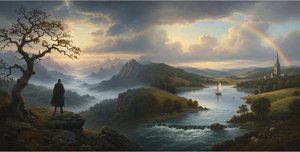
10 Iconic Masterpieces That Defined Romantic Landscape Painting
Journey through the sublime beauty of Romantic landscape paintings. Explore 10 iconic masterpieces, from Caspar David Friedrich to dramatic nature scenes, perfect for museum-quality decor. Discover the stories and techniques behind these timeless works on OriginalUniqueArt.com.

10 Iconic Masterpieces That Defined Romantic Landscape Painting
Journey through the sublime beauty of Romantic landscape paintings. Explore 10 iconic masterpieces by legends like Turner and Friedrich. Find inspiration for your decor with museum-quality art reproductions. Discover all masterpieces on OriginalUniqueArt.com.


