

 Náhľad
 Odoslať
 Zdieľať
 Podrobnosti o dielo

 Stiahnuť
 Podobné diela
 RTG skúška
 Prezentácia
 Štatistiky
Brána cintorína


 Zobraziť viac
Giclée / Umenotlač
Giclée tlač alebo plátno múzeálnej kvality s rýchlou výrobou a flexibilnými možnosťami povrchovej úpravy. ( Kúpiť ručne maľovaný obraz Prepnúť na digitálny obraz)




P118B $10

P118H $10

P118W $10

P438Z $10

P508JH $12

P508YH $12

P805H $10

P805Z $10

P919BZ $10

P919G $10

P919XJ $10

P959ZH $10

P968JZ $12

W106C $8

W218G $10

W218JH $8

W218Y $10

W307PJ $10

W316G $10

W316PJ $8

W316Y $10

W398PJ $8

W4111J $10

W500HY $15

W500JH $15

W692G $12

W849H $8

W940BG $15

W953PJ $8




Vyberte si z našich preddefinovaných rozmerov, ktoré zodpovedajú pôvodným pomeroḿ diela.

Môžete zadať vlastné rozmery, aby sa reprodukcia prispôsobila konkrétnemu rámu alebo priestoru. Ak zvolená veľkosť nebude zodpovedať proporciám originálu, dielo buď orežeme, alebo obraz rozšírime pomocou zrkadlenia či farebného doplnenia okrajov. Pred začatím výroby vám pošleme digitálnu ukážku na schválenie.
Máte na vedomí, že náhľad na obrazovke neodzrkadľuje skutočné orezanie alebo rozšírenie. Len digitálna ukážka presne zobrazí finálnu kompozíciu.
Hoci sú k dispozícii vlastné rozmery, pre zachovanie pôvodných proporcií odporúčame vybrať si rozmer z vopred definovaného zoznamu.
Celosvetová doprava () do 2 týždňov namiesto štandardných 4/5 týždňov. (18 september)

Bezplatná expresná doprava po celom svete

Prémiové lnianske plátno

Kompletné poistenie prepravy

Záruka vrátenia colného poplatku

Záruka presného farebného zhodnutia

100-dená politika vrátenia tovaru (iba pri vadách)

100% záruka vrátenia peňazí

Výhodná množstevná zľava
 Možnosť skla je dostupná len pri rozmeroch pod 110 cm

Brána cintorína
Giclée / Umenotlač
Veľkosť reprodukcie
-


Celková cena za vybrané možnosti
$ 80
Úchvatná téma a pokojná atmosféra
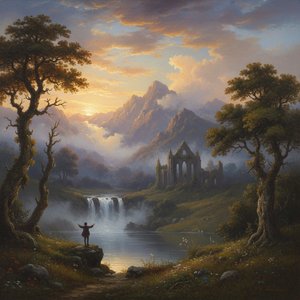
Toto evokatívne umelecké dielo majstrovsky zachytáva tichú, kontemplatívnu scénu brány kostecného cintorína za západu slnka. Scéna pozýva divákov do pokojného sveta, kde sa prepletajú prírodné a architektonické prvky, vyvolávajúc témy prechodu, pamätes a duchovnej reflexie. Starobylá kamenná cesta a naprčité tehlové múry rámujú vchod a vedú oko dopred do jemne osvetlenej nádvoria, ktoré naznačuje miesto úcty a nadčasovosti. Bezlisté, krivé stromy dopĺňajú nádych melancholickej krásy a zdôrazňujú plynutie času i trvajúcu prítomnosť histórie v tomto pokojnom prostredí.Bezchybný štýl a technika
V roku 1822 vytvorené dielo je príkladom realistického štýlu charakteristického pre ranú romantizmus 19. storočia. Umelec využíva precízne ťahy štetca na vykreslenie textúr s neuveriteľnou presnosťou – od drsnosti kameňa a tehly až po pokrivú kôru stromov. Jemné tónové variácie a nuansované osvetlenie vytvárajajú vrstvenú hĺbku, ktorá umocňuje atmosférický charakter scény. Rozptýlené svetlo, pripomínajúce skoré ráno alebo neskoré popoludnie, vrhá jemné tiene, ktoré prohlbujú pocit perspektívy a pozývajú divákov, aby preskúmali to, čo sa nachádza za bránou, do tajomného nádvoria.Historický kontext a umelecký význam
Vzniknuté v období, kedy romantickí umelci usilovali o vyvolanie emócií a skúmanie sublimity v prírode, toto dielo odráža fascináciu danej éry spiritualitou, rozpadom a plynutím času. Rané 19. storočie bolo poznačené obnoveným záujmom o gotickú architektúru a témy smrti, ktoré sú do scény jemne vpletené. Umelecká pozornosť venovaná detailu a atmosférickým efektom sa zhoduje s širším dôrazom romantického hnutia na emóciu, individuálnu vnímavosť a úžasnú silu prírody.Symbolizmus a emocionálna rezonancia
Brána kostecného cintorína symbolizuje prechod – medzi životom a smrťou, medzi pozemským a duchovným. Neplodné stromy a starobylé múry vyvolávajú pocit rozpadu a nostalgie, čo povzbudzuje k zamysleniu nad smrteľnosťou a trvácou povahou pamäte. Vzdialená kostolná veža a kríže slúžia ako duchovné kotvy, ktoré posilňujú témy viery a spomienok. Celkový tón je kontemplatívny a pokojný, inšpirujúci divákov k zastaveniu sa a uváženiu tichej krásy pomíjavých okamihov života.Ideálne pre inšpiráciu a interiérovú eleganciu
Táto vysokokvalitná reprodukcia je ideálnou voľbou pre milovníkov umenia, zberateľov a interiérových dizajnérov, ktorí chcú svoj priestor doplniť pocitom histórie, spirituality a pokoja. Jej realistický detail a atmosférická hĺbka z nej robia pútavý ohnisný bod v akomkoľvek prostredí – či už ide o rafinovaný obývačku, kontemplatívnu pracovňu alebo sofistikovanú galériovú stenu. Nadčasová príťažlivosť a hlboký symbolizmus tohto diela z neho robia nielen vizuálnu pochúbu, ale aj významný prínos, ktorý povzbudzuje k refleksii a emocionálnemu spojeniu.Biografia umelca
A Solitary Vision: The Life and Art of Caspar David Friedrich
Born in the Baltic port city of Greifswald in 1774, Caspar David Friedrich’s life was steeped in a melancholic atmosphere that would profoundly shape his artistic vision. His early years were marked by loss – the deaths of his mother and siblings cast a long shadow, fostering a sensitivity to mortality and transience that became central themes in his work. Initially educated by his older brother Christian in drawing, Friedrich’s formal training began at the University of Leipzig, where he pursued both art and theology, though neither degree was completed. This dual interest – a fascination with the visual world alongside a deep spiritual questioning – would prove crucial to his development as an artist. Further studies in Copenhagen honed his technical skills, exposing him to landscape painting traditions that would serve as a foundation for his unique style, yet it was not imitation he sought but rather expression—a means of conveying inner emotional states through the language of nature.The Birth of Romantic Landscape
Friedrich’s artistic journey wasn't merely about depicting scenery; it was about imbuing landscapes with profound symbolic meaning. He moved away from the meticulous detail favored by earlier artists, embracing a more personal and expressive approach. His paintings are characterized by an emphasis on the sublime – evoking feelings of awe, terror, and spiritual connection in the face of nature’s grandeur. The use of *Rückenfiguren*, figures seen from behind, became a signature element, inviting viewers to step into the scene and share in the contemplative experience. Natural elements like ancient trees, towering mountains, swirling fog, and crumbling ruins weren't simply picturesque details; they were potent symbols representing life’s cycles, spiritual longing, and the weight of history. His palette, often muted with blues, grays, and browns, further enhanced the mood of introspection and solemnity that pervades his work. He pioneered a way to depict landscapes not as mere views but as reflections of the human soul—a revolutionary concept for its time.Iconic Works and Enduring Themes
Several paintings stand out as defining examples of Friedrich’s artistic achievement. “Abbey in the Oakwood” (1809-1810), a haunting image of a ruined churchyard enveloped by bare trees, speaks powerfully to themes of mortality and spiritual decay. This artwork exemplifies the Romantic preoccupation with ruins and decay as symbols of time's passage and the inevitable decline of earthly existence. “Wanderer Above the Sea of Fog” (c. 1818), perhaps his most famous work, encapsulates the Romantic ideal of the individual confronting the vastness and mystery of existence. The figure, silhouetted against a swirling sea of mist, embodies both human aspiration and insignificance—a poignant reminder of our vulnerability in the face of overwhelming natural forces. “Chalk Cliffs on Rügen” (1818) demonstrates his mastery of atmospheric effects and subtly conveys a sense of national identity—a growing concern in the fragmented political landscape of early 19th-century Germany. The dramatic interplay of light and shadow contributes to the painting's mood of contemplation and grandeur. “The Sea of Ice” (1824), a chilling depiction of an Arctic wasteland, represents nature’s immense power and indifference to human fate—a powerful visual statement about the insignificance of humankind compared to the forces of geological time.Influences and Artistic Style
Friedrich's artistic style was profoundly influenced by Dutch Golden Age landscape painters like Jacob van Ruisdael and Rembrandt, whose masterful use of chiaroscuro – dramatic contrasts between light and dark – established a precedent for expressive painting. He also drew inspiration from the philosophical writings of Immanuel Kant, which explored the limits of human perception and championed subjective experience—a cornerstone of Romantic thought. Friedrich’s technique involved meticulous observation of nature combined with an intuitive understanding of how to convey emotion through color and composition. His distinctive *Rückenfiguren* motif – figures viewed from behind – served as a deliberate device for inviting viewers into the scene and encouraging them to contemplate the spiritual significance of their surroundings.Legacy and Rediscovery
Friedrich’s art captured the very spirit of the Romantic era—a period defined by a rejection of Enlightenment rationalism in favor of emotion, imagination, and individualism. His landscapes served as powerful symbols of German national identity during a time of political fragmentation, fostering a sense of shared cultural heritage. Though he died in Dresden in 1840, his legacy extends far beyond the confines of 19th-century Germany. He didn’t simply paint what he saw; he painted what he *felt*, and it is this emotional honesty that continues to captivate and inspire. His work stands as a testament to the enduring power of art to explore the deepest questions of human existence, reminding us of our place within the vastness of nature and the mysteries of the universe. He remains a pivotal figure whose influence resonates throughout subsequent artistic movements—particularly Symbolism and Surrealism—demonstrating his lasting contribution to the history of Western art.
Caspar David Friedrich
1774 - 1840 , Nemecko
Základné informácie
- Artistic Movement Or Style: Romantizmus
- Artists Or Movements Influenced By This Artist:
- Symbolisti
- Surrealisti
- Artists Who Influenced This Artist:
- Holandské majstrovské diel
- J.C. Dahl
- Date Of Birth: 5. september 1774
- Date Of Death: 7. máj 1840
- Full Name: Caspar David Friedrich
- Nationality: Nemecký
- Notable Artworks:
- Kostolík v Dubove
- Turista nad morskou mlžou
- Slnečné útesy na Rúžňanskej
- Ľadové more
- Place Of Birth: Greifswald, Nemecko
Súvisiace články

The Sublime and the Picturesque: Exploring Emotion & Nature in Romantic Landscape Painting
Explore the emotional power of Romantic landscape painting! Discover the sublime & picturesque traditions, key artists like Friedrich & Cole, and find your perfect artwork at OriginalUniqueArt.
Evoking Emotion & Transcendence: Romantic Landscape Painting (18th-19th Century)
Explore the emotional depth of Romantic landscape painting (18th-19th century). Discover key artists like Friedrich & Cole, and the concepts of the sublime. Expert insights for art lovers & collectors.

Caspar David Friedrich: Romanticism's Master of Landscape & the Sublimity of Inner Experience
Explore the profound landscapes of Caspar David Friedrich, a master of German Romanticism. Discover the symbolism, themes & enduring influence of this iconic artist. A deep dive into his life and work.

Romantic Realism's Finest: 10 Masterpieces for Your Home | OriginalUniqueArt
Explore 10 defining masterpieces of Romantic Realism! Discover Courbet, Millet & Daumier's powerful paintings—capturing emotion and social realities. Find museum-quality reproductions for your home at OriginalUniqueArt.com.

Top 10 Majstrov Romantickej Krajinomaľby: Obrazy, ktoré zmenili svet umenia
Ponorte sa do sveta romantickej krajinomaľby! Objavte top 10 majstrovských diel od Friedricha, Turnera a ďalších. Historické obrazy prírody s nádychom emócií. Reprodukcie obrazov pre váš interiér na OriginalUniqueArt.com.


