
 Náhľad
 Odoslať
 Zdieľať
 Podrobnosti o dielo

 Stiahnuť
 Podobné diela
 RTG skúška
 Prezentácia
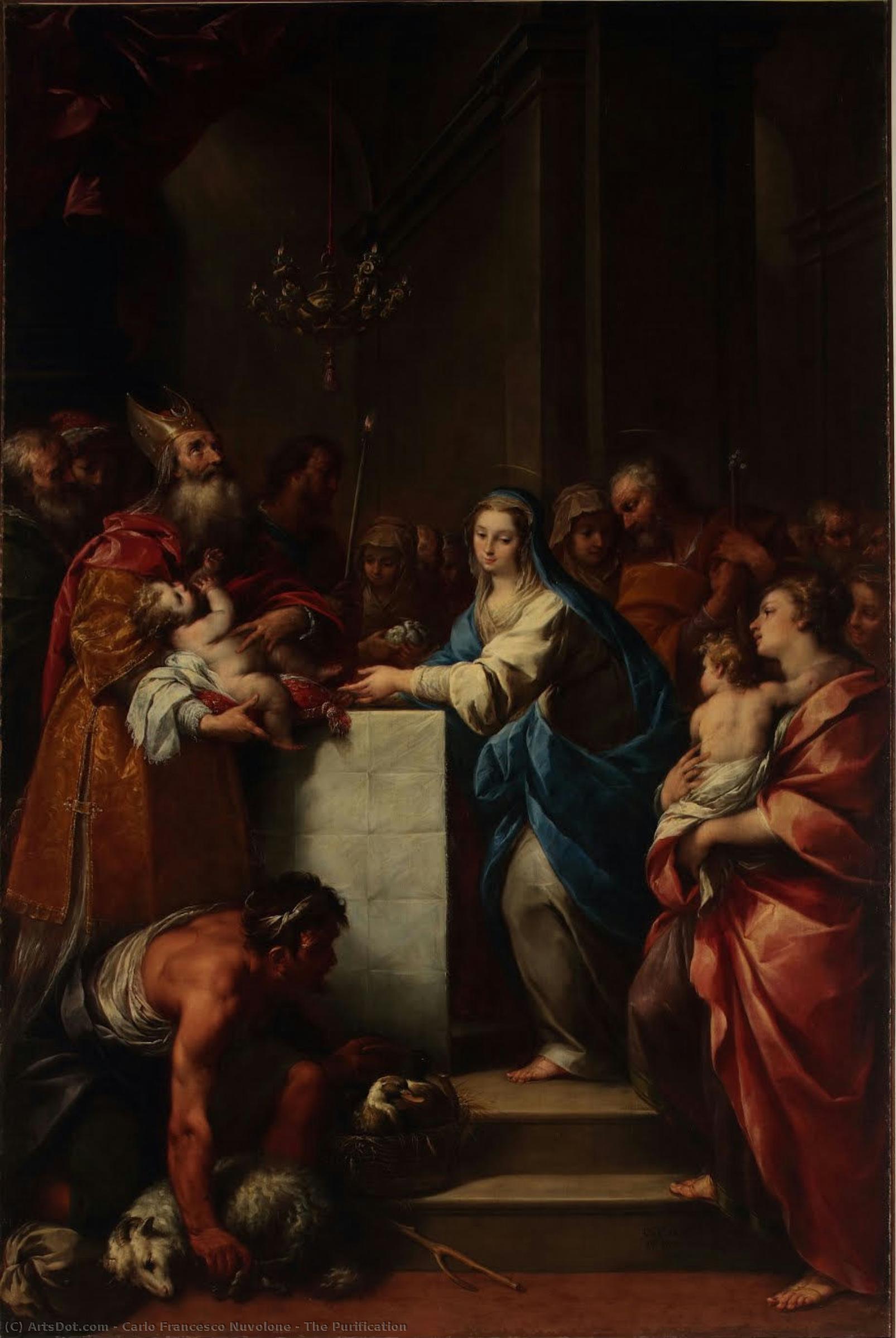
The Purification
 5.0 x 386.0 cm
 Musei Civici di Palazzo Farnese
 Zobraziť viac
Kúpte si digitálnu snímku vo vysokom rozlíšení s vylepšenými detailmi, ktorá je oveľa kvalitnejšia než online náhľad.
Každý súbor starostlivo pripravujú naši interní špecialisti pomocou pokročilých nástrojov a odborného manuálneho retušovania. Zabezpečujeme, aby každý obrázok disponoval výnimočnou čistotou, presnou farebnou vernosťou a jemnými detailmi.
Konečný súbor vám bude doručený e-mailom do 72 hodín, optimalizovaný pre okamžité použitie v profesionálnom, redakčnom aj tlačovom prostredí. Ide o rovnakú kvalitu, ktorej dôverajú špičkové dizajnérske štúdiá, vydavateľstvá a galérie.
Digitálny obraz
Stiahnite si vysokorozlíšený súbor na osobné zobrazovanie, tlačenie a kreatívne projekty. ( Kúpiť tlač Kúpiť ručne maľovaný obraz)
Súčasťou každej objednávky digitálneho obrazu
Expetórne digitálne doručenie, garantované
Keď si vyberiete OriginalUniqueArt.com, nedostávate len obrázok – získate profesionálne upravené digitálne umenie, vytvorené s precíznosťou a so zárukou vašej maximálnej spokojnosti. Tu je všetko, čo je súčasťou vašej objednávky automaticky:

Rýchle doručenie e-mailom
Vaša vysokorozlíšená digitálna súprava obrázkov vám bude zaslaná e-mailom do 72 hodín od objednávky – pripravená na okamžité použitie.

Digitálny súbor s vylepšením AI
Vaše dielo je profesionálne optimalizované pomocou pokročilých nástrojov umelej inteligencie a manuálnej editácie, čo zaručuje maximálnu úroveň detailov, čistotu a presnosť farieb.

Bezplatné celoživotné opätovné doručenie
Náhodou ste zmazali alebo ste stratili svoj súbor? Nebavžte sa – pošleme vám ho kedykoľvek znova, úplne bez poplatkov.

Bez poplatkov za dovoz – navždy
Užite si svoje umelodelo okamžite bez colných poplatkov, daní alebo nákladov na dopravu – digitálne stiahnutia sú vždy oslobodené od dane.

Garantovaná presnosť farieb
Pomocou profesionálnych nástrojov a farebného manažmentu zabezpečujeme, aby vaša digitálna fotografia čo najpresnejšie odrážala pôvodné farby.

60-dňová záruka spokojnosti
Ak nebudete spokojní so svojou digitálnou fotografiou, upravíme ju alebo vám vrátime 100% v priebehu 60 dní – bez zbytočných otázok.

100% Záruka vrátenia peňazí
Nie ste spokojní? Získajte plnú náhradu peňazí do 60 dní od prijatia vášho digitálneho súboru – bez zbytočných otázok.

Zľavy pri veľkom odbere
Kúpte si 3 obrazy, ušetrite 10% - Kúpte si 5, ušetrite 15% - Kúpte si 10+, ušetrite 20%. Ideálne pre kreatívne projekty, galérie a agentúry.
Popis zberateľského predmetu
Životopis umelca
The Guido of Lombardy: The Luminous Legacy of Carlo Francesco Nuvolone
In the heart of the seventeenth century, amidst the swirling shadows and dramatic light of the Italian Baroque, one name emerged to define the aesthetic soul of Milan: Carlo Francesco Nuvolone. Often whispered of in art circles as "the Guido of Lombardy," Nuvolone possessed a rare ability to marry the profound emotional gravity of his era with a distinctive, silvery sweetness that set him apart from his contemporaries. Born in Milan in 1609 into a family deeply rooted in the artistic traditions of late Mannerism, his very existence was intertwined with the brush and pigment. His father, Panfilo Nuvolone, had already established a reputation for frescoes and altarpieces characterized by a certain melancholic beauty, providing Carlo with a foundational language of devotion and grace that he would later expand into a much more dynamic, theatrical vocabulary.
Nuvolone’s artistic evolution was not merely an inheritance but a rigorous pursuit of mastery. His formative years were spent within the hallowed halls of the Accademia Ambrosiana in Milan, where he studied under the esteemed Giovanni Battista Crespi, known as Il Cerano. This period of intense apprenticeship placed him at the epicenter of Lombard artistic innovation. Surrounded by the works and teachings of masters like Daniele Crespi and Giulio Cesare Procaccini, Nuvol nuvolone absorbed the essential elements of the Lombard style: a striking use of chiaroscuro and an acute sensitivity to human expression. As his talent blossomed, he also drew inspiration from the dramatic vision of Francesco Cairo, blending these diverse influences into a cohesive style that balanced intense, dramatic lighting with a refined, almost ethereal elegance.
A Master of Sacred Grandeur and Intimate Emotion
The breadth of Nuvolone’s oeuvre reflects a painter capable of navigating both the monumental and the deeply personal. His career was marked by significant ecclesiastical commissions that transformed the sacred spaces of Lombardy into theaters of divine encounter. During the 1650s, his hand could be seen decorating the Cappella di San Michele in the Certosa di Pavia, and he contributed significantly to the elaborate spiritual landscapes of the Sacro Monte at Varese. His involvement with the Sacro Monte di Orta further solidified his status as a premier decorator of pilgrimage sites, where his ability to capture spiritual grandeur through sweeping frescoes helped guide the faithful through moments of profound contemplation.
Yet, beyond the vast scale of his frescoes, Nuvolone found equal success in the intimate realm of oil painting. His works often feature a captivating interplay of light and shadow that breathes life into biblical narratives and mythological scenes alike. Consider the following hallmarks of his painted repertoire:
- Religious Narratives: In works such as Rahel verbirgt die Götzenbilder, he utilizes rich colors and dynamic compositions to bring the dramatic tension of Joseph’s story to life.
- Mythological Drama: His Creation of Eve showcases a masterful command of intense emotion and chiaroscuro, turning ancient myth into a visceral human experience.
- Devotional Portraits: Nuvolone excelled in portraying saints, such as St. Aloysius Gonzaga, where the distinctive sweetness of his figures evokes a sense of divine grace.
- Secular Elegance: His portraits, including works like Portrait of a Lady, demonstrate a sophisticated handling of texture and light, reflecting the refined tastes of the Milanese nobility.
Historical Significance and Artistic Enduring Spirit
As the mid-seventeenth century progressed, Nuvolone’s influence permeated the Lombard landscape, bridging the gap between the fading echoes of Mannerism and the full-throated expression of the Baroque. His ability to synthesize the dramatic intensity of Guido Reni with the local traditions of Milan allowed him to create a visual language that was both internationally resonant and deeply regional. Even when working alongside his brother, Giuseppe, he maintained a singular voice—one characterized by a luminous, silvery quality that could make even the darkest shadows feel permeated with light.
Though his life was cut short in 1662, the impact of Carlo Francesco Nuvolone remains etched in the architectural and artistic fabric of Northern Italy. He did not merely record history; he painted the emotional atmosphere of an age. Through his mastery of the brush, he transformed the heavy textures of Lombard oil painting into something fluid, emotive, and eternally graceful, ensuring that his title as the Guido of Lombardy would remain a well-deserved tribute for centuries to come.

Carlo Francesco Nuvolone
1609 - 1662 , Italy
Základné informácie
- Artistic Movement Or Style: Baroque
- Artists Or Movements Influenced By This Artist: ['Guido Reni']
- Artists Who Influenced This Artist:
- Giulio Cesare Procaccini
- Danièle Crespi
- Francesco Cairo
- Date Of Birth: Milan, Italy (1609)
- Date Of Death: 1662
- Full Name: Carlo Francesco Nuvolone
- Nationality: Italian
- Notable Artworks:
- A Female Martyr Saint
- Creation of Eve
- Portrait of a Lady
- Place Of Birth: Milan

