
 Náhľad
 Odoslať
 Zdieľať
 Podrobnosti o dielo

 Stiahnuť
 Podobné diela
 RTG skúška
 Prezentácia
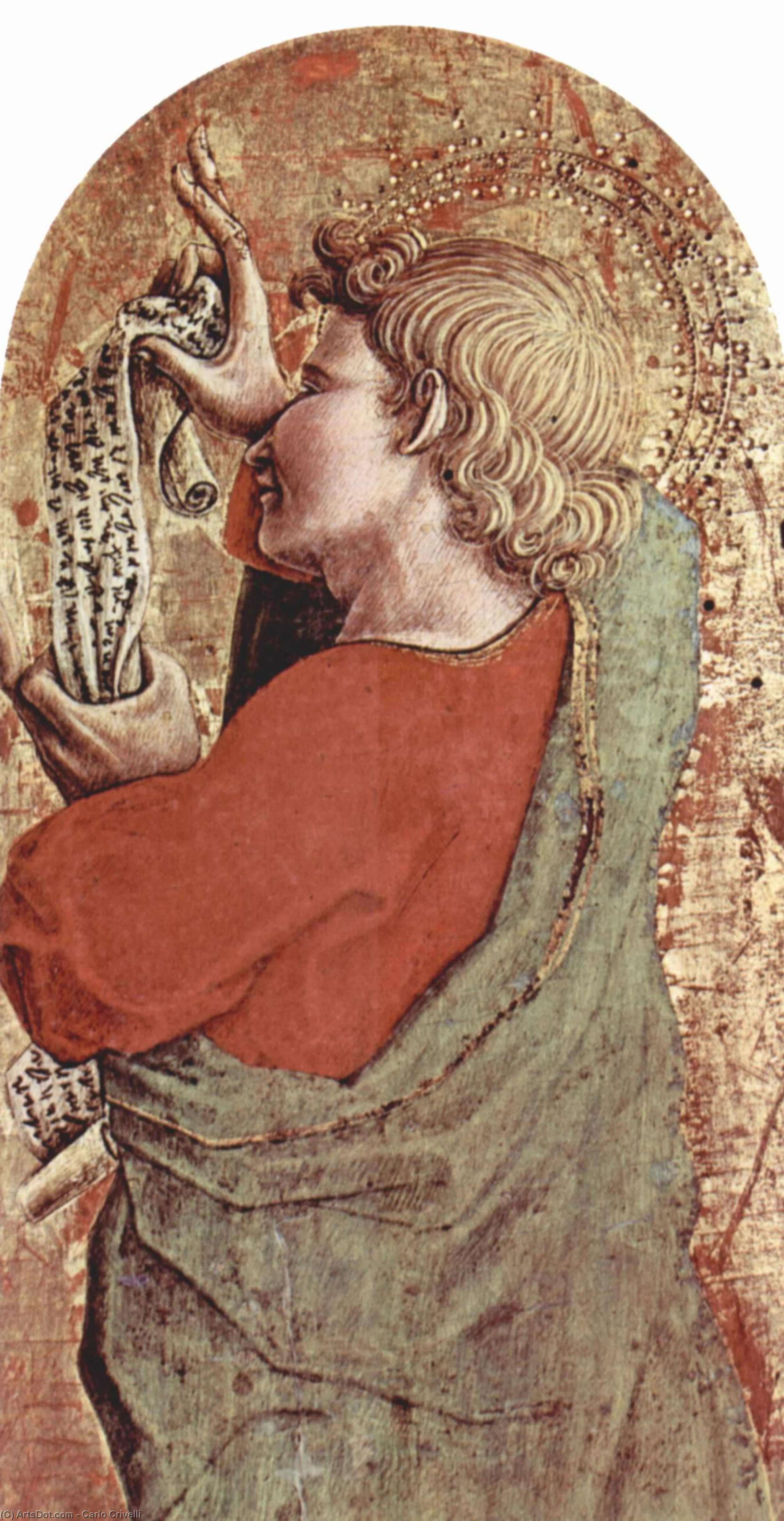
Saint James
 Oil On Panel
- Early Renaissance
 1473
1473- Renaissance
 29.0 x 17.0 cm
 Zobraziť viac
Giclée / Umenotlač
Giclée tlač alebo plátno múzeálnej kvality s rýchlou výrobou a flexibilnými možnosťami povrchovej úpravy. ( Prejsť na ručne maľovanú reprodukciu Prepnúť na obrázok)




P118B $10

P118H $10

P118W $10

P438Z $10

P508JH $12

P508YH $12

P805H $10

P805Z $10

P919BZ $10

P919G $10

P919XJ $10

P959ZH $10

P968JZ $12

W106C $8

W218G $10

W218JH $8

W218Y $10

W307PJ $10

W316G $10

W316PJ $8

W316Y $10

W398PJ $8

W4111J $10

W500HY $15

W500JH $15

W692G $12

W849H $8

W940BG $15

W953PJ $8




Vyberte si z našich preddefinovaných rozmerov, ktoré zodpovedajú pôvodným pomeroḿ diela.

Môžete zadať vlastné rozmery, aby sa reprodukcia prispôsobila konkrétnemu rámu alebo priestoru. Ak zvolená veľkosť nebude zodpovedať proporciám originálu, dielo buď orežeme, alebo obraz rozšírime pomocou zrkadlenia či farebného doplnenia okrajov. Pred začatím výroby vám pošleme digitálnu ukážku na schválenie.
Máte na vedomí, že náhľad na obrazovke neodzrkadľuje skutočné orezanie alebo rozšírenie. Len digitálna ukážka presne zobrazí finálnu kompozíciu.
Hoci sú k dispozícii vlastné rozmery, pre zachovanie pôvodných proporcií odporúčame vybrať si rozmer z vopred definovaného zoznamu.
Celosvetová doprava () do 2 týždňov namiesto štandardných 4/5 týždňov. (10 august)

Bezplatná expresná doprava po celom svete

Prémiové lnianske plátno

Kompletné poistenie prepravy

Záruka vrátenia colného poplatku

Záruka presného farebného zhodnutia

60-dňá politika vrátenia (iba pri defektoch)

100% záruka vrátenia peňazí

Výhodná množstevná zľava
 Možnosť skla je dostupná len pri rozmeroch pod 110 cm

Saint James
Giclée / Umenotlač
Veľkosť reprodukcie
-


Celková cena za vybrané možnosti
$ 81
Popis predmetu
A Divine Encounter in Oil
In the quiet, textured depths of Carlo Crivelli’s Saint James, painted in 1473, viewers are transported to the dawn of the Italian Renaissance. This intimate masterpiece, rendered on a delicate wood panel, captures a moment of profound spiritual connection. The composition centers on a noble male figure—often identified through his attributes as a saintly presence—who rests his hand with gentle authority upon the head of a winged lion. There is an immediate, palpable sense of reverence in the way the figure holds his book, a symbol of divine wisdom and sacred scripture, while the lion gazals outward, bridging the gap between the earthly and the celestial. The painting does not merely depict a scene; it invites the observer into a meditative state, where the weight of history and the lightness of grace coexist.
The artistry of Crivelli is nothing short of mesmerizing, characterized by a meticulous attention to detail that defines his unique Venetian-influenced style. As an expert in the nuances of the Early Renaissance, one cannot help but admire the way the artist utilizes impasto techniques to breathe life into the fabric of the saint's crimson robes. The red pigments are layered with such richness that they seem to catch the light even in shadow, creating a tactile sensation of heavy, luxurious drapery. Crivelli’s mastery of trompe l'oeil—the art of optical illusion—is evident in the way the organic shapes of the lion’s wings and the anatomical precision of the figure’s hands emerge from a mottled, earthy background. This textured backdrop, far from being a mere void, acts as a weathered tapestry of time, lending the work an ancient, venerable soul.
Symbolism and the Renaissance Spirit
Beyond its aesthetic splendor, Saint James serves as a profound vessel for religious and civic symbolism. The presence of the winged lion is particularly evocative; while it serves as a companion to the saint, it also carries the heavy weight of Venetian identity, representing strength, majesty, and the watchful eye of the Republic. The interplay between the human form and the beast suggests a harmony between man’s intellect—represented by the book—and the untamed power of nature and divinity. For the discerning collector or interior designer, this piece offers more than just decoration; it provides a focal point of intellectual depth. The subtle lighting, descending from above to cast soft shadows across the musculature of the figure, creates a three-dimensional presence that commands attention in any curated space.
Integrating a reproduction of such historical significance into a modern environment allows for a sophisticated dialogue between the past and the present. Whether placed in a sunlit study or a grand, classical hallway, the work’s muted, earthy tones and dramatic highlights provide a sense of permanence and prestige. It is an artwork that rewards prolonged contemplation, offering new layers of meaning with every glance at its fine lines and masterful brushwork. To possess such a piece is to hold a fragment of the 15th century, a testament to the enduring power of Crivelli’s vision and the timeless beauty of the Renaissance spirit.
Biografia umelca
raný život a vzdelanie
Tento taliansky renesančný maliar, Carlo Crivelli, sa narodil vo Venecii niekde okolo rokov 1430 až 1435. Pochádzal z umeleckej rodiny a svoju umeleckú formáciu si získal v mestách Venezia a Padua. Verí sa, že jeho rané výučbu vedl Jacobello del Fiore, ktorý bol aktívny ešte v roku 1436. Svoje vedomosti však dopĺňal aj štúdiom v škole rodiny Vivarini vo Venecii.
kariéra a štýl
Svoje rané roky strávil v regióne Veneto, kde neskoršie svedomie vstrebával vplyvy od majstrov ako Vivarini, Squarcione a Mantegna. Už v roku 1458 opustil Veneto a väčšinu svojej umeleckej dráhy zasvetil oblasti Marche di Ancona, kde si vypracoval nezamiteľný osobitý štýl, ktorý sa výrazne odlišuje od tvorby jeho vénetského súčasníka, Giovanna Belliniho. Crivelliho dielo je charakteristické konzervatívnym dekoračným citom neskej gotiky, ktorý vyniká lineárnou kvalitou, nevírodnou pozornosťou k detailu a majstrovským využívaním techniky „trompe l'oeil“, ktorá dokáže okom podrieti realitu.
významné diela a spolupráce
* Maľba od Carla Crivelliho s názvom „。Madonna a dieťa na tróne“ (106 x 55 cm, múzeum krásnych umení, Budapešť, Maďarsko) predstavuje najlepší príklad jeho umeleckého štýlu. * Na viacerých projektoch spolupracoval so svojím mladším bratom, Vittoriom Crivellim. * Jeho žiacom a spolupracovníkom bol aj Pietro Alemanno, maliar, ktorý emigroval do oblasti Marche di Ancona z oblasti dnešného Nemecka alebo Rakúska.
múzeá a kolekcie
* Galéria Pinacoteca di Brera v Miláne vo Taliansku predstavuje niekoľko Crivelliho diel, vrátane monumentálnej „Piety“ (128 x 241 cm). * Múzeum San Giovanni in Bragora vo Venecii v Taliansku uchováva zbierku umeleckých diel z rôznych období a štýlov, pričom niektoré z nich sú pripisované práve Crivellimu.
- Pozrite si diela Carla Crivelliho na OriginalUniqueArt.com
- Preskúmajte diela Jacopa Robustího na OriginalUniqueArt.com
- Dočítajte si viac o Carlo Crivellim na Wikipedia
Crivelliho odkaz pokračuje v inšpirovaní milovníkov umenia aj odborníkov, pričom jeho tvorba zostáva trvým svedectvom nezničiteľnej sily konzervatívneho dekoračného citu neskej gotiky.

Carlo Crivelli
1435 - 1495 , Taliansko
Základné informácie
- Artistic Movement Or Style: Neskorá gotika/Renesancia
- Artists Or Movements Influenced By This Artist: ['Giovanni Bellini']
- Artists Who Influenced This Artist:
- Jacobello del Fiore
- Vivarini
- Squarcione
- Mantegna
- Date Of Birth: ok. 1430-35 Benátky
- Date Of Death: ok. 1495 Taliansko
- Full Name: Carlo Crivelli
- Nationality: Talianska
- Notable Artworks:
- Madona s dieťaťom
- Svätý Bartolomej
- Svätý Roch
- Place Of Birth: Benátky, Taliansko
Súvisiace články

James Abbott McNeill Whistler: Top 25 diel pre milovníkov umenia a luxusného interiéru
Ponorte sa do sveta Jamesa Abbotta McNeilla Whistlera! Objavte 25 ikonických diel amerického impresionistu – portréty, Nocturnes a farebné harmónie. Kúpiť reprodukcie obrazov pre luxusný interiér na OriginalUniqueArt.com.

Sir Alfred James Munnings: Top 25 Majstrovských Diel pre Kolekcionárov a Milovníkov Umenia
Objavte top 25 majstrovských diel Alfreda Jamesa Munninga – britského impresionistu oslávujúceho kone a krajinu. Historické maľby, portréty koní a vojnové scény v múzejnej kvalite. Nájdite perfektnú dekoráciu interiéru na OriginalUniqueArt.com
Oil on Board: A Historical Survey of Technique, Aesthetic Qualities & Enduring Appeal
Explore the rich history of oil on board painting! Discover techniques, aesthetic qualities & enduring appeal from early masters to modern practice. Expert insights for collectors and art enthusiasts.

The Enduring Legacy of Oil on Canvas: Technique, History & Aesthetic Impact
Explore the rich history & techniques of oil painting – from Renaissance masters to Impressionism. Discover pigments, layering methods, and why this timeless medium endures. Expert insights for artists & art enthusiasts.

Oil on Canvas: A Historical & Technical Exploration of a Timeless Artistic Medium
Explore the rich history & enduring techniques of oil painting on canvas. Discover the science behind its longevity, conservation practices, and contemporary relevance. Expert insights for art enthusiasts.



