
 Náhľad v interiéri
 Odoslať ako digitálnu kartu
 Zdieľať
 Podrobnosti o dielo
 Príručka

 Stiahnuť obraz
 Podobné položky
 RTG skúška
 Prehliadanie diapozoje
 Q&A
Q&A Štatistiky
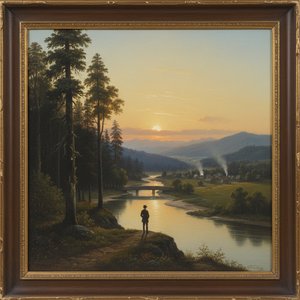
Castle Rock, Columbia River

- 39.0 x 52.0 cm


 Zobraziť viac
Giclée / Umenotlač
Giclée tlač alebo plátno múzeálnej kvality s rýchlou výrobou a rôznymi možnosťami povrchovej úpravy. ( Kúpiť ručne maľovaný obraz Prepnúť na digitálny obraz)




P118B €10

P118H €10

P118W €10

P438Z €10

P508JH €12

P508YH €12

P805H €10

P805Z €10

P919BZ €10

P919G €10

P919XJ €10

P959ZH €10

P968JZ €12

W106C €8

W218G €10

W218JH €8

W218Y €10

W307PJ €10

W316G €10

W316PJ €8

W316Y €10

W398PJ €8

W4111J €10

W500HY €15

W500JH €15

W692G €12

W849H €8

W940BG €15

W953PJ €8




Vyberte si z našich preddefinovaných rozmerov, ktoré zodpovedajú pôvodným pomeroḿ diela.

Zadajte šírku a výšku, ktoré potrebujete, aby sa reprodukcia hodila k vášmu rámu alebo stene. Print možno len orezávať, nikdy však nemennú veľkosť zvětšiť oproti pôvodnému obrázku, preto pri inom formáte stráca časť obrazu. Pred samotným vytlačiacím procesom vám pošleme digitálny náhľad na schválenie. Obrázok zobrazený na tejto stránke nezobrazuje reálny rez — len digitálny náhľad ukazuje presný výsledok.
Celosvetová doprava () do 2 týždňov namiesto štandardných 4 až 5 týždňov. (1 november)

Bezplatná expresná doprava po celom svete

Vysokokvalitné lnianske plátno

Kompletné poistenie prepravy

Záruka vrátenia colného poplatku

Záruka presného farebného zhodnutia

100-dená politika vrátenia tovaru (iba pri vadách)

100% záruka vrátenia peňazí

Zľava pri väčšom množstve
 Možnosť skla je dostupná len pri rozmeroch pod 110 cm

Castle Rock, Columbia River
Giclée / Umenotlač
Veľkosť reprodukcie
-


Celková cena
€ 71
A Vista of Majesty: Carleton Watkins’ “Castle Rock, Columbia River”
Carleton Watkins' "Castle Rock, Columbia River," painted in 1867, isn’t merely a landscape photograph; it’s a portal to the American West as it was perceived and captured during a pivotal moment of national identity. This albumen print, rendered in the muted tones characteristic of mid-19th century photographic processes, transports us to the heart of the Columbia River Valley – a region simultaneously rugged and profoundly beautiful. The scene unfolds with an almost overwhelming sense of scale; towering basalt cliffs, sculpted by millennia of glacial activity and relentless river currents, dominate the horizon, their jagged edges softened by atmospheric haze. Below, the broad expanse of the Columbia River snakes its way through a verdant valley, reflecting the sky in shimmering bands of light and shadow. It’s a vista that speaks to both the grandeur of nature and the nascent spirit of exploration that defined America at the time.
Watkins, a pioneer of American landscape photography, wasn't simply documenting scenery; he was actively shaping how Americans understood their vast territory. His work, particularly his images of Yosemite Valley, played a crucial role in galvanizing support for its preservation as a national park – a testament to the power of visual representation to influence public opinion and policy. “Castle Rock” embodies this mission, presenting a carefully composed scene that emphasizes the sublime qualities of the wilderness, aligning with the tenets of the American Romantic movement. The composition itself is deliberate: the strong horizontal format underscores the breadth of the landscape, while the prominent tree on the right acts as a grounding vertical element, drawing the eye into the immense depth of the image.
The Alchemy of Wet Plate Collodion
To truly appreciate “Castle Rock,” one must understand the technical process behind its creation. Watkins utilized the wet plate collodion method – a demanding and intricate photographic technique that required immediate execution. The photographer had to coat a glass plate with a light-sensitive emulsion, expose it within minutes, and develop it while the plate was still wet, all before the chemicals dried. This meant working outdoors in challenging conditions, often battling inclement weather and limited time. The resulting image is characterized by its fine grain, subtle tonal variations, and a remarkable level of detail – qualities that are particularly evident in the textures of the rock formations and the foliage along the riverbank.
The albumen printing process further contributes to the photograph’s distinctive aesthetic. Albumen prints utilize egg whites as a binder for silver salts, creating a richly textured surface with deep blacks and luminous whites. This technique lends a painterly quality to Watkins' work, enhancing the sense of depth and atmosphere. The sepia tones – achieved through the addition of iron salts during development – add a layer of nostalgia and timelessness, evoking the spirit of the American frontier.
Symbolism in Stone and Water
Beyond its technical brilliance, “Castle Rock” is rich in symbolic meaning. The imposing basalt cliffs represent both strength and resilience—a visual metaphor for the enduring power of nature. Their sheer scale dwarfs the human presence within the frame, reminding us of our relative insignificance in the face of geological time. The Columbia River itself symbolizes movement, change, and the relentless forces that shape the landscape. Its winding course reflects the journey of westward expansion, connecting disparate communities and cultures.
The lone tree on the right side of the composition adds a subtle element of human presence—a reminder of the settlers who were beginning to stake their claims in this wild land. However, it’s positioned at the edge of the frame, suggesting a respectful distance from the overwhelming power of nature. The photograph doesn't depict conquest or domination; instead, it celebrates the beauty and majesty of the wilderness – inviting contemplation and fostering a sense of awe.
A Legacy in Reproduction
Reproductions of “Castle Rock” capture much of the original’s evocative quality, offering a tangible connection to this pivotal moment in American art history. OriginalUniqueArt's meticulous hand-painted reproductions strive to faithfully recreate Watkins’ masterful composition and tonal range, ensuring that the photograph’s emotional impact is preserved for contemporary audiences. The choice of materials – archival paper and pigments – guarantees the longevity of these reproductions, allowing them to be enjoyed for generations to come. “Castle Rock” isn't just a beautiful image; it’s a window into the past—a testament to the power of photography to shape our understanding of America’s wild spaces.
Otázky a odpovede
Čo zobrazuje dielo "Castle Rock, Columbia River"?
„Castle Rock, Columbia River“ od Carleton Watkins zobrazuje: american west, river valley landscape, mountain photography, 19th century art, vast wilderness, sepia tone image, early photography.
Aká je odporúčaná veľkosť a orientácia tlače pre dielo "Castle Rock, Columbia River"?
Pre dielo „Castle Rock, Columbia River“ sa odporúča tlač vo veľkosti Medium v orientácii Landscape.
Aká je technika a rozmer diela „Castle Rock, Columbia River“ od Carleton Watkins?
Originál diela „Castle Rock, Columbia River“ od Carleton Watkins je práca v technike Acrylic On Canvas s rozmerami 39 x 52 cm. Technika a veľkosť popisujú originálny objekt.
Biografia umelca
Carleton Watkins: Pionier krajinárskej fotografie
Raný život a pôvod (1829–1851)
- Narodený: 11. novembra 1829 v meste Oneonta, štát New York.
- Carleton E. Watkins bol najstarším z osem si bratov a sestier, ktoré porodili John a Julia Watkins, pričom otec bol tesárom a matka majiteľkou hostinca.
- Vyrastal v prostredí, ktoré mu doprial kontakt s prírodou; nadobudol zručnosti lovca a rybára a aktívne sa zapojoval do miestneho života, od sólových spevových kompánii až po presbyteriánsky kostolný chor.
- V roku 1851, poháňaný lákadlom rýchleho zárobku, sa Watkins vydal na cestu do San Francisca spolu so svojím priateľom z detstva, Collisom Huntingtonom.
Raná kariéra a fotografické začiatky (1851–1861)
- Hoci sa im hľadanie zlata spočalo v neúspechu, Watkins aj Huntington našli svoje šťastie v úplne iných oblastiach.
- Watkins pôvodne pracoval ako dodávateľ zásob pre banícke operácie, skôr než sa stal predajcom v kníhkupectve Georgea Murraya.
- Zlomový moment: Nečakane vzniknuté voľné miesto v ateliéri daguerreotypistu Roberta H. Vancea viedlo Watkinsa k učňovstvu, hoci predtým nemal žiadne skúsenosti s fotografiou.
- Toto nové umenie si rýchlo osvojil a svojím nadladením dokonca prevýšil aj svojho učiteľa, čím si vybudoval reputáciu tvorca špičkovej kvality.
- Do roku 1858 už Watkins vedel viesť vlastné fotografické podnikanie, pričom realizoval významné zakázky, ako napríklad ilustrovanie Kalifornie pre Jamesa Masona Hutchingsa či dokumentovanie baníckych paností
Yosemite a éra obrovských platných (1861–1867)
- Zlom v kariére: V júli 1861 odcestoval Watkins do doliny Yosemite, vybavený svojím aparátom na výrobu obrovských snímok (používajúc sklenené platne o rozmeroch 18x22 palca) a stereoskopickou kamerou.
- Podarilo sa mu zachytiť niektoré z prvých detailných fotografií Yosemite, čím jeho majestátnosť predstavil divákom na východnom pobreží.
- Tieto obrazy boli kľúčovým nástrojom pri presvedčovaní Kongresu k vyčleneniu doliny Yosemite ako národného parku – čo je nesmierny dôkaz sily vizuálnej dokumentácie.
- V roku 1864 dostal od Kalifornskej štátnej geologickej prieskumnej komisie задание fotografovať krajinu Yosemite.
- Svoju prvú verejnú galériu otvoril v roku 186mt a vystavoval aj na Univerzitnej expozícii v Paríži, kde za svoju prácu získal ocenenie v podobe medaily.
Úspechy, setbacks a neskorý život (1867–1916)
- Watkinsova „Yosemite Art Gallery“ ponúkala viac ako sto veľkých pohľadov na Pacifické nabrežie a tisíce stereoskopických snímok.
- Obchodné výzvy: Napriek umeleckému úspechu Watkins bojoval s vedením podnikania a stratil svoju galériu v prospech veriteľa J.J. Cooka, ktorý následne reprodukoval jeho diela bez uvedenia autorstva, čo bolo možné vďaka vtedajšiemu nedostatku autorských zákonov pre fotografie.
- Na túto nespravodlivosť reagoval vytvorením „Novej série“ snímok v snahe obnoviť svoju umeleckú víziu.
- V roku 1879 sa Watkins oženil vo Frances Sneed, s ktorou mal dve deti: Julii (narodenú v roku 1881) a Collisa (narodeného v roku 1883).
- Postupná strata zraku mu v 90. rokoch 20. storočia znemožnila pokračovať v práci, čo vyvrcholilo neschopnosť dokončiť zakázku pre Phoebe Hearst.
Posledné roky a odkaz
- Finančné ťažkosti priniesli Watkinsovej rodine obdobie, kedy museli žiť v železničnom vagónu počas osiemnástich mesiacov.
- Zemetrasenie a požiar v San Franciske v roku 1906 zničili jeho ateliér spolu s nesčítačnymi fotografiami a negatívami.
- Watkins sa neskôr odobral do Capay Ranch, no v roku 1ov1 bol vyhlásený za neschopného právneho úkonov a bol umiestnený do štátnej nemocnice pre duševne chorých v Napa.
- Smrť: Zomrel v roku 1916 a bol pohoden do bezmennej hrobky na území nemocnice.
- Watkinsov odkaz žije ako odkaz pioniera krajinárskej fotografie, ktorého snímky nielen zachytili krásu amerického Západu, ale zohrali aj kľúčovú úlohu v jeho ochrane.

Carleton Watkins
1829 - 1916 , USA
Základné informácie
- Birth Date: 11. november 1829
- Birth Place: Oneonta, New York
- Death Date: 1916
- Influenced: úsilie o ochranu prírody v Spojených štátoch
- Influenced By: Robert H. Vance
- Movement: americká krajinná fotografia
- Name: Carleton Watkins
- Nationality: Američan
- Notable Works:
- The Devil
- Pohono, Bridal Veil, 900 Feet, Yosemite
- Castle Rock, Columbia River
Súvisiace články
Asher Brown Durand: Luminism, Landscape & the American Ideal – A Comprehensive Exploration
Explore the life & art of Asher Brown Durand, a founding member of the Hudson River School. Discover his masterful landscapes, Luminist techniques, and lasting impact on American painting. Learn about key works like 'Kindred Spirits' & collecting Durand today.
Capturing the American Spirit: A Journey Through Iconic Landscapes and the Legacy of the Hudson River School
Explore the profound beauty of American art history. From the Hudson River School to iconic landscapes, discover a curated journey through the masterpieces that defined a nation's spirit and the enduring legacy of American Romanticism.
Top 10 majstrovských diel Hudson River School: Umění, príroda a dekor pre váš domov
Objavte top 10 majstrovských diel Hudson River School – Cole, Church, Bierstadt a ďalší. Ponorte sa do americkej krajinomaľby 19. storočia a nájdite dokonalý obraz pre váš domov na OriginalUniqueArt.com! Prehliadnite si reprodukcie obrazov.
The Sublime Landscape: Exploring the Hudson River School Movement
Explore the captivating world of the Hudson River School! Discover the history, artists, and defining characteristics of this iconic American art movement. Learn about Romanticism's influence & find inspiration for your collection.
Robert Spencer: Luminism, Narrative & the American Landscape Tradition
Explore the captivating world of Luminism & the Hudson River School with our expert analysis. Discover the history, artists, and enduring beauty of 19th-century American landscape painting. Find museum-quality reproductions at OriginalUniqueArt.