
 Náhľad v interiéri
 Odoslať ako digitálnu kartu
 Zdieľať
 Podrobnosti o dielo
 Príručka

 Stiahnuť obraz
 Podobné položky
 RTG skúška
 Prehliadanie diapozoje
 Q&A
Q&A Štatistiky
Wicker chair

- 12.0 x 22.0 cm


 Zobraziť viac
Umelecké dielo zobrazené na tejto stránke je chránené autorským zákonom, čo znamená, že nemôžeme legálne vytvárať ani predávať jeho identickú reprodukciu. Táto ochrana je vymáhaná na základe medzinárodných dohôd, ako napríklad Bernská konvencia a národnými zákonmi, vrátane tých, ktoré sú stanovené v Autorské právo USA – Title 17. Všetky práva vyhradené.
Táto metóda plne dodržiava autorské práva, pretože nezahŕňa kopírovanie ani duplikovanie chráneného diela. Ide skôr o kreatívnu reinterpretáciu – nový obraz, ktorý je ovplybnený originálom, no nie je s ním identický.
Giclée / Umenotlač
Giclée tlač alebo plátno múzeálnej kvality s rýchlou výrobou a rôznymi možnosťami povrchovej úpravy. ( Kúpiť ručne maľovaný obraz Prepnúť na digitálny obraz)




P118B €10

P118H €10

P118W €10

P438Z €10

P508JH €12

P508YH €12

P805H €10

P805Z €10

P919BZ €10

P919G €10

P919XJ €10

P959ZH €10

P968JZ €12

W106C €8

W218G €10

W218JH €8

W218Y €10

W307PJ €10

W316G €10

W316PJ €8

W316Y €10

W398PJ €8

W4111J €10

W500HY €15

W500JH €15

W692G €12

W849H €8

W940BG €15

W953PJ €8




Vyberte si z našich preddefinovaných rozmerov, ktoré zodpovedajú pôvodným pomeroḿ diela.

Zadajte šírku a výšku, ktoré potrebujete, aby sa reprodukcia hodila k vášmu rámu alebo stene. Print možno len orezávať, nikdy však nemennú veľkosť zvětšiť oproti pôvodnému obrázku, preto pri inom formáte stráca časť obrazu. Pred samotným vytlačiacím procesom vám pošleme digitálny náhľad na schválenie. Obrázok zobrazený na tejto stránke nezobrazuje reálny rez — len digitálny náhľad ukazuje presný výsledok.
Celosvetová doprava () do 2 týždňov namiesto štandardných 4 až 5 týždňov. (31 október)

Bezplatná expresná doprava po celom svete

Vysokokvalitné lnianske plátno

Kompletné poistenie prepravy

Záruka vrátenia colného poplatku

Záruka presného farebného zhodnutia

100-dená politika vrátenia tovaru (iba pri vadách)

100% záruka vrátenia peňazí

Zľava pri väčšom množstve
 Možnosť skla je dostupná len pri rozmeroch pod 110 cm

Wicker chair
Giclée / Umenotlač
Veľkosť reprodukcie
-


Celková cena
€ 71
A Study in Form and Light: The Wicker Chair by Carl Fieger
Carl Fieger’s 1921 drawing of a wicker chair transcends mere depiction; it's a distilled essence of the Bauhaus philosophy, capturing a fleeting moment of elegant functionality. Rendered in stark black and white, the image possesses an immediate intimacy, inviting us into a domestic space defined by clean lines and considered design. The composition is deceptively simple – two chairs, one a vibrant red, the other a calming green – yet within this restrained palette lies a wealth of visual interest. The subtle variations in shading suggest the texture of the wicker itself, hinting at the intricate weaving process that brought these forms to life. It’s not simply a chair; it's an embodiment of the Bauhaus ideal: form following function, prioritizing honest materials and unadorned beauty.
Fieger’s work is inextricably linked to the revolutionary Bauhaus school in Weimar, where he served as a draftsman under Walter Gropius. This formative period instilled within him a deep appreciation for geometric precision and an understanding of how design could elevate everyday objects. The chair's design reflects this influence – its proportions are carefully balanced, its lines are clean and direct, and its overall aesthetic is one of understated sophistication. The choice of red and green isn’t arbitrary; it creates a dynamic visual contrast that draws the eye and adds a touch of warmth to the otherwise cool composition. It's a deliberate attempt to infuse functionality with a subtle emotional resonance.
Technique and Materiality: A Dance of Lines
The drawing itself is executed with remarkable skill, showcasing Fieger’s mastery of line and shading. The artist employs a delicate hand, capturing the intricate details of the wicker weave with astonishing accuracy. Notice how the lines subtly vary in thickness to suggest the different textures and densities within the material. This attention to detail elevates the image beyond a simple sketch; it becomes a study in materiality – an exploration of how light interacts with form and how line can be used to convey depth and texture. The use of black ink on paper creates a sense of immediacy, as if we’ve stumbled upon a quick study or preliminary drawing.
The choice of wicker as the subject matter is significant in itself. Wicker, derived from pliable plant materials like rattan and cane, represented a shift away from heavier, more ornate furniture styles prevalent at the time. It embodied lightness, flexibility, and a connection to nature – values that aligned perfectly with the Bauhaus ethos. The chair’s wheels further emphasize its intended function: mobility and adaptability, reflecting the school's commitment to designing objects for modern living.
Symbolism and Legacy
Beyond its technical merits, Fieger’s wicker chair carries a potent symbolic weight. It represents the promise of a new era in design – an era defined by functionality, simplicity, and social responsibility. The Bauhaus movement sought to break down traditional hierarchies and democratize access to good design, and this chair embodies that spirit. It's a testament to the belief that even the most ordinary objects could be imbued with beauty and meaning through careful consideration of form and function.
Today, Fieger’s work continues to resonate with contemporary designers and collectors alike. His ability to capture the essence of a subject with such clarity and precision is a testament to his artistic talent. Reproductions of this drawing offer a valuable opportunity to experience the elegance and sophistication of Bauhaus design in your own home – a reminder that good design can enrich our lives in countless ways.
Otázky a odpovede
Ako sa v díle „Wicker chair“ spájajú kontrast a harmónia?
V diele „Wicker chair“ sa Serene kontrast spája s Strong Color Unity harmóniou.
Aká je odporúčaná veľkosť a orientácia tlače pre dielo "Wicker chair"?
Pre dielo „Wicker chair“ sa odporúča tlač vo veľkosti Medium v orientácii Landscape.
Akú farebnú paletu využíva dielo "Wicker chair"?
Paleta diela „Wicker chair“ od Carl Fieger je opísaná ako Neutrals. Ide o stručný popis farebnej skladby tohto diela.
Biografia umelca
Architekt ideálov Bauhaus: Život a odkaz Carla Fiegera
V grandióznej tapisérii modernizmu začiatkom 20. storočia má len málo postáv, ktoré dokázali tak elegantne stvárniť pretkanie štrukturálnej presnosti a sociálnej vízie ako Carl Fieger. Narodený v roku 1893 v nemeckom Mainzi, Fieger vystupuje z obdobia hlbokej umeleckej transformácie. Jeho cesta sa začala na umeleckom a remeselnom riaditeľstve v Mainzi, inštitúcii, kde sa prvýkrát stretol s prichádzajúcimi prúdmi impresionizmu a jugendstilu. Táto skorá blízkosť organických tvarov a expresívnych farebných paliet mu poskytla citlivý estetický základ, no práve jeho neskoršia imersia do prísneho, funkcionalistického sveta školy Bauhaus by nakoniec mala definovať jeho historický význam.
Trajektória Fiegerovej kariéry sa nevratne zmenila, keď vstúpil do orbitu Waltera Gropiusa. Po začiatku svojho učňovstva ako kreśliar v roku 1912 sa Fieger stal neoddeliteľnou súčasťou revolučnej atmosféry školy Bauhaus vo Weimare. Pod Gropiusovým mentorstvom sa vzdal dekoračných ozdôb minulosti a smeroval k budúcnosti definovanej geometrickou abstrakciú, experimentovaním s materiálmi a radikálnou predstavou, že umenie by malo slúžiť funkčnému účelu v každodennom živote. Toto obdobie nebolo len profesionálnym tréningovým ihriskom, ale filozofickým prebudením, v ktorom sa Fieger naučil vnímať architektúru ako nástroj sociálneho pokroku.
Majstrovstvo formy a funkcionalistická vízia
Fiegerovo dielo je charakteristické mimoriadne schopnosťou preložiť komplexné architektonické teórie do hmatateľných, ľudským potrebám orientovaných projektov. Jeho spolupráce s Gropiusom na monumentálnych projektoch – ako sú fabrika Fagus a ikonická budova Bauhaus v Dessau – demonštrujú jeho ovládnutie moderných konštrukčných techník, vrátane inovatívneho využitia tubárnej ocele a skla. Prostredníctvom týchto diel Fieger pomohol pioniersky vytvoriť vizuálny jazyk, ktorý oslavoval krásu priemyselných materiálov a efektivitu moderného inžinierstva.
Okrem veľkýškálových priemyselných štruktúr spočíval Fiegerov skutočný genius často v jeho intímne prístupe k domáckemu prostrediu. Bol hlboko investovaný do konceptu Existenzminimum – myšlienky navrhovania vysoko efektívnych, minimálnych obytných priestorov, ktoré neobetujú dôstojnosť ani pohodlie. Medzi jeho významné projekty patria:
- Ideálny malý byt: Visionárna architektonický koncept vyvinutý pre Nemeckú výstavu budov (Deutsche Bauausstellung) v Berlíne v roku 1931, ktorý zdôrazňoval logický tok medzi podstatnými miestnosťami, ako sú kuchyňa, obývačka a spálňa.
- Adaptívne pôdorysy: Detailné rozloženia, ktoré využívali textové montáže a fotografické prvky na demonštráciu toho, ako môžu nábytok a priestorové usporiadanie maximalizovať užitočnosť v rámci obmedzených mestských plôch.
Trvalá stopa v modernom dizajne
Historický význam Carla Fiegera spočíva v jeho úlohe mostu medzi umeleckým experimentovaním konca 19. storočia a disciplinovaným funkcionalizmom modernej éry. Jeho práca nebola nikdy len o estetike budovy; bola o prežitom skúsenstve v jej rámci. Uprednostnením efektivity, svetla a pohybu pomohol vytvoriť samotný základ súčasného mestského života. Aj keď sa architektúra počas polovice 20. storočia menila, princípy jasnosti a účelnosti, ktoré Fieger presadzoval, zostali fundamentálne.
Hoci jeho život skončil v roku 1960, ozveny jeho učňovstva v Bauhase pokračujú rezonovať v chodbách architektúrnej histórie. Prostredníctvom svojich dôsledných kreslením a revolučných konceptov bývania ostáva Fieger kľúčovou postavou pre každého, kto sa snaží pochopiť, ako môže spojenie umenia a remesla fundamentálne pretvoriť svet, v ktorom žijeme.

Carl Fieger
1893 - 1960
Základné informácie
- Artistic Movement Or Style: Bauhaus
- Artists Who Influenced This Artist:
- Walter Gropius
- Peter Behrens
- Date Of Birth: 15. júna 1893
- Date Of Death: 1960
- Full Name: Carl Fieger
- Nationality: Nemecká
- Notable Artworks:
- Bez názvu (Klubovňa deutscher verein v Barcelone, perspektívny pohľad)
- Bez názvu (Návrh interiéru s bielym lakovaným šatníkom pre nemecké veľvyslanectvo v Санкт Petersburgu)
- Bez názvu (Dom Sommerfeld, Berlin-Lichterfelde, architekti Walter Gropius a Adolf Meyer. Koncept, perspektívny pohľad čitárne)
- Place Of Birth: Mainz, Nemecko
Súvisiace články
The Eloquent Line: Exploring the Artistic Significance of Sketches Across Movements and Media
Explore the profound artistic significance of sketches throughout history. From Renaissance masters to modern innovators like Van Gogh & Guston, discover how these foundational works reveal technique, emotion, and vision. Learn more at OriginalUniqueArt.

Ephemeral Lines: Exploring Emotional Resonance in Ink Sketching Traditions
Explore the profound art of ink sketching! Discover techniques to express emotion, master line work, and cultivate artistic sensitivity. Learn from historical masters & unlock your creative potential.
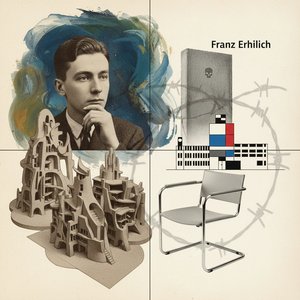
Franz Ehrlich: Bridging Expressionism, Bauhaus & the Shadows of History
Explore the life of Franz Ehrlich, a pivotal Bauhaus architect whose career spanned Expressionism, resistance during Nazi Germany, and GDR reconstruction. Discover his complex legacy & view museum-quality reproductions at OriginalUniqueArt.
The Art of the Sketch: Capturing Raw Emotion and Movement through the Mastery of Line and Form
Explore the profound beauty of the sketch. Discover how masters use charcoal and graphite to capture raw emotion, anatomical precision, and fluid movement, bridging the gap between ephemeral marks and eternal oil masterpieces.
The Timeless Beauty of Pencil Sketches: Mastering the Art of Line, Shadow, and Tonal Depth
Explore the profound elegance of pencil and charcoal sketching. Discover how masters use line, shadow, and chiaroscuro to capture light and texture, bridging the gap between preparatory studies and timeless fine art masterpieces.