

 Zobraziť v interiéri
 Odoslať
 Zdieľať
 Podrobnosti
 Príručka

 Stiahnuť
 Podobné položky
 RTG skúška
 Prehliadanie diapo\]
 Štatistiky
At The Ball

 Prečítať si viac
Giclée / Umenotlač
Giclée tlač alebo plátno múzeálnej kvality s rýchlou výrobou a rôznymi možnosťami povrchovej úpravy. ( Objednať ručne maľovanú reprodukciu Prepnúť na digitálnu verziu obrazu)




P118B €10

P118H €10

P118W €10

P438Z €10

P508JH €12

P508YH €12

P805H €10

P805Z €10

P919BZ €10

P919G €10

P919XJ €10

P959ZH €10

P968JZ €12

W106C €8

W218G €10

W218JH €8

W218Y €10

W307PJ €10

W316G €10

W316PJ €8

W316Y €10

W398PJ €8

W4111J €10

W500HY €15

W500JH €15

W692G €12

W849H €8

W940BG €15

W953PJ €8




Vyberte si z našich preddefinovaných rozmerov, ktoré zodpovedajú pôvodným pomeroḿ diela.

Zadajte šírku a výšku, ktoré potrebujete, aby sa reprodukcia hodila k vášmu rámu alebo stene. Print možno len orezávať, nikdy však nemennú veľkosť zvětšiť oproti pôvodnému obrázku, preto pri inom formáte stráca časť obrazu. Pred samotným vytlačiacím procesom vám pošleme digitálny náhľad na schválenie. Obrázok zobrazený na tejto stránke nezobrazuje reálny rez — len digitálny náhľad ukazuje presný výsledok.
Celosvetová doprava () do 2 týždňov namiesto štandardných 4 až 5 týždňov. (25 október)

Bezplatná expresná doprava po celom svete

Vysokokvalitné lnianske plátno

Úplné poistenie prepravy

Záruka vrátenia colného poplatku

Záruka presného farebného zhodnutia

100-dená politika vrátenia tovaru (iba pri vadách)

100% záruka vrátenia peňazí

Ponuka množstevnej zľavy
 Možnosť skla je dostupná len pri rozmeroch pod 110 cm

At The Ball
Giclée / Umenotlač
Veľkosť reprodukcie
-


Celková cena
€ 70
A Night of Revelry: Immersing Yourself in Boris Grigoriev’s “At The Ball”
“At The Ball” by Boris Dmitrievich Grigoriev is a captivating glimpse into the vibrant social scene of turn-of-the-century Russia, rendered with the expressive energy of Impressionism. This painting isn't merely a depiction of a ballroom; it’s an invitation to step *into* the swirling currents of music, conversation, and fleeting encounters.Subject & Composition: A Moment Frozen in Time
The artwork presents a crowded yet harmonious composition filled with dancers and socialites engaged in lively interaction. Grigoriev masterfully captures a dynamic moment – not a posed portrait, but the very *feeling* of being swept up in a grand ball. Figures overlap and blend, creating a sense of movement and immediacy. The focus isn’t on individual portraits, but rather on the collective energy and atmosphere of the event. It's a celebration of social life, hinting at the indulgence and excitement characteristic of Parisian and Russian nightlife during this period.Style & Technique: Impressionistic Brushwork
Grigoriev’s style in “At The Ball” is firmly rooted in Impressionism, though with a distinctly Russian sensibility. He employs loose, visible brushstrokes to build form and convey light. This technique isn't about precise representation; it’s about capturing the *impression* of light and movement. Warm tones – rich reds, oranges, and browns – dominate the palette, creating an intimate and theatrical mood. The textured surface, built up with layered paint, adds depth and visual interest. Notice how the flattened perspective prioritizes the overall effect over strict realism, a hallmark of the Impressionist approach.Historical Context: A Russian Artist in Transition
Born in 1886, Boris Grigoriev lived through a period of immense social and artistic change in Russia. He initially trained in traditional methods but quickly embraced the emerging avant-garde movements. His early exposure to Impressionism, as a member of the “Studio of Impressionists” group in 1909, profoundly influenced his work. Later becoming associated with the "World of Art" movement, Grigoriev navigated between established and experimental styles. “At The Ball” reflects this transitional period, showcasing his mastery of Impressionistic techniques while hinting at a deeper exploration of form and emotion that would characterize his later works. His personal history – born out of wedlock – also subtly informed his artistic perspective, often leading him to explore themes of societal observation and individual experience.Symbolism & Emotional Impact: Beyond the Surface
While not overtly symbolic, “At The Ball” evokes a sense of fleeting pleasure and social commentary. The blurred figures suggest the ephemeral nature of these moments – the dance ends, conversations fade, and individuals drift apart. There’s an underlying current of melancholy beneath the surface gaiety, perhaps reflecting Grigoriev's own reflections on societal norms and personal identity. The painting invites viewers to contemplate not just *what* is happening, but *how it feels* to be present in such a scene – the excitement, the anonymity, and the subtle undercurrents of human interaction.For Collectors & Designers
- A Statement Piece: This artwork’s dynamic composition and rich color palette make it a striking focal point for any space.
- Versatile Aesthetic: Its Impressionistic style complements both traditional and contemporary interiors, adding warmth and sophistication.
- Historical Significance: Owning a reproduction of “At The Ball” is an opportunity to connect with a pivotal moment in Russian art history and the life of a fascinating artist.
- Emotional Resonance: The painting’s evocative atmosphere creates a sense of energy and intrigue, sparking conversation and inspiring contemplation.
Otázky a odpovede
Kto vytvoril "At The Ball"?
Autorom diela „At The Ball“ je Boris Dmitrievich Grigoriev. Prácu nájdete v katalógu pod menom Boris Dmitrievich Grigoriev.
Kde sa dielo „At The Ball“ zaradí do doterajšieho tvoru umelca Boris Dmitrievich Grigoriev?
Dielo „At The Ball“ zdieľa s ostatnými prácami umelca Boris Dmitrievich Grigoriev jeho štýl v rámci smeru Impressionism a zachytené témy: impressionist light & color, french social scenes, movement & atmosphere, parisian leisure life, social entertainment, late 19th century trends, none overtly present, reflects societal norms.
Ako spája „At The Ball“ od Boris Dmitrievich Grigoriev smer Impressionism s domovinou umelca?
„At The Ball“ spája smer Impressionism s krajinou Россия prostredníctvom miesta narodenia jeho tvorcu.
Biografia umelca
Boris Dmitrievich Grigoriev: A Life in Russian Art
Boris Dmitrievich Grigoriev (1886–1939) was a multifaceted Russian artist, renowned for his portrayal of the Russian landscape and character. Known for his innovative style, Grigoriev fused elements of Impressionism, Avant-garde, and Symbolism, creating a unique artistic language. His paintings captured a wide range of themes, from rural life in Russia to the vibrant landscapes of Europe and South America. He is best known for his contribution to the Russian realist tradition, particularly through his «Faces of Russia» series, where he vividly captured the essence of Russian rural life and its inhabitants. Grigoriev’s work gained international acclaim during his lifetime, with exhibitions held in Paris, New York, Berlin, and Rio de Janeiro. Despite his success abroad, he remained deeply connected to Russian culture, frequently depicting scenes and characters rooted in his homeland. His untimely death cut short a promising career, but his artistic vision continues to inspire.Early Life and Education
- Born: July 11, 1886, in Rybinsk,
Russia. - His mother, Klara von Lindenberg, was of Swedish descent, influencing his artistic sensibilities.
- Grigoriev’s early life was marked by being born out of wedlock, a theme that would later subtly appear in his work.
- He studied at the Stroganov Art School from 1903 to 1907 under Dmitri Shcherbinovsky.
- Furthered his education at the Imperial Academy of Arts in Saint Petersburg, solidifying his artistic foundation.
Artistic Development and Influences
- Grigoriev’s style evolved through various phases, beginning with Impressionism before embracing avant-garde techniques.
- In 1909, he joined the “Studio of Impressionists,” demonstrating his initial leanings towards this movement.
- Became a member of the influential *World of Art* (Mir Iskusstva) movement in 1913, connecting him with leading Russian artists and intellectuals.
- Influences: While specific influences are debated, his work shows an affinity for European Impressionists and Post-Impressionists, alongside a distinctly Russian sensibility.
Key Works and Themes
- “Rasseïa” (1918): A pivotal album showcasing Grigoriev’s attempt to understand the essence of the Russian people as a natural phenomenon.
- Portraits: Notable portraits include those of Vsevolod Meyerhold, Maxim Gorky, and Sergei Rachmaninov, capturing their personalities with depth and sensitivity.
- “Faces of Russia” & “Faces of the World” series: These collections demonstrate his interest in portraying diverse individuals and cultures.
- Major Paintings: *Sunflowers* (1917-1919), *Village* (1918), and *Peasants in the Field* (1920) exemplify his vibrant color palette and rhythmic compositions.
- Themes: Grigoriev frequently explored themes of national identity, social observation, and psychological depth within his work.
Historical Significance and Legacy
- Grigoriev played a significant role in the Russian avant-garde movement, contributing to its innovative spirit.
- His work reflects the turbulent social and political climate of early 20th-century Russia.
- Though not as widely recognized internationally as some contemporaries, his contributions to Russian art are increasingly appreciated.
- His paintings can be found in museums such as the Taganrog Art Museum, preserving his legacy for future generations.

Boris Dmitrievich Grigoriev
1886 - 1939 , Россия
Rýchle fakty
- Artistic Movement Or Style: Avant-garde
- Artists Or Movements Influenced By This Artist: ['World of Art']
- Artists Who Influenced This Artist:
- Dmitry Shcherbinovsky
- Alexander Kiselyov
- Date Of Birth: 1886-07-11
- Date Of Death: 1939-02-07
- Full Name: Boris Dmitrievich Grigoriev
- Nationality: Russian
- Notable Artworks:
- Rasseïa
- Sunflowers
- Village
- Place Of Birth: Rybinsk, Russia
Súvisiace články

Boris Grigoriev: Capturing the Soul of Russia Through Realism & Narrative Art
Explore the captivating realism of Boris Grigoriev, a pivotal Russian artist renowned for his poignant portraits & depictions of peasant life. Discover his artistic evolution and lasting legacy at OriginalUniqueArt.

Top 10 impresionistických krajín: Majstrovské diela, ktoré zmenili umenie a dekoráciu interiéru
Ponorte sa do sveta impresionizmu! Objavte top 10 majstrovských diel krajinárstva od Monet, Renoir a ďalších. Inšpirujte sa farebnými plátnami a dekorujte svoj dom s OriginalUniqueArt.com – múzejnou kvalitou pre váš interiér. Preskúmajte kolekciu online!
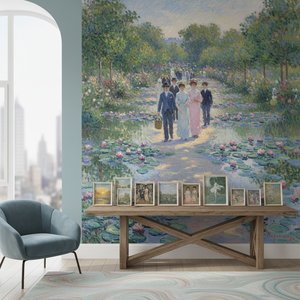
Top 10 majstrovských diel impresionizmu: Umelci a obraky pre váš domov | .sk
Ponorte sa do sveta impresionizmu s 10 majstrovskými dielami od Monet, Renoir a ďalších. Objavte príbehy za ikonickými obrazmi a inšpirujte sa pre váš domov. Reprodukcie vysokej kvality na .
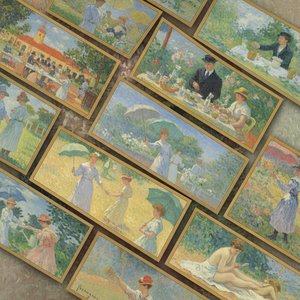
Pierre-Auguste Renoir: Top 25 diel pre milovníkov umenia a dokonalý domov | OriginalUniqueArt
Ponorte sa do sveta Pierra-Augusta Renoira! Objavte 25 ikonických obrazov impresionizmu, ich príbehy a techniky. Reprodukcie diel Renoira pre váš domov na OriginalUniqueArt.com – múzejná kvalita a inšpirácia pre interiér.
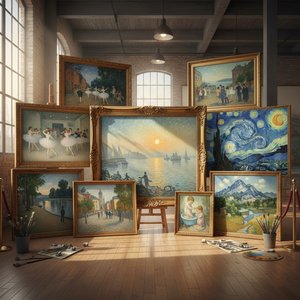
Top 10 majstrovských diel impresionizmu: Umelci a obraky, ktoré zmenili svet umenia | OriginalUniqueArt
Ponorte sa do sveta impresionizmu s 10 majstrovskými dielami od Monet, Renoir a ďalších. Objavte príbehy umelcov, techniky a farby, ktoré zmenili dejiny umenia. Kúpiť reprodukcie obrazov na OriginalUniqueArt.com!