
 Náhľad
 Odoslať
 Zdieľať
 Podrobnosti o dielo

 Stiahnuť
 Podobné diela
 RTG skúška
 Prezentácia
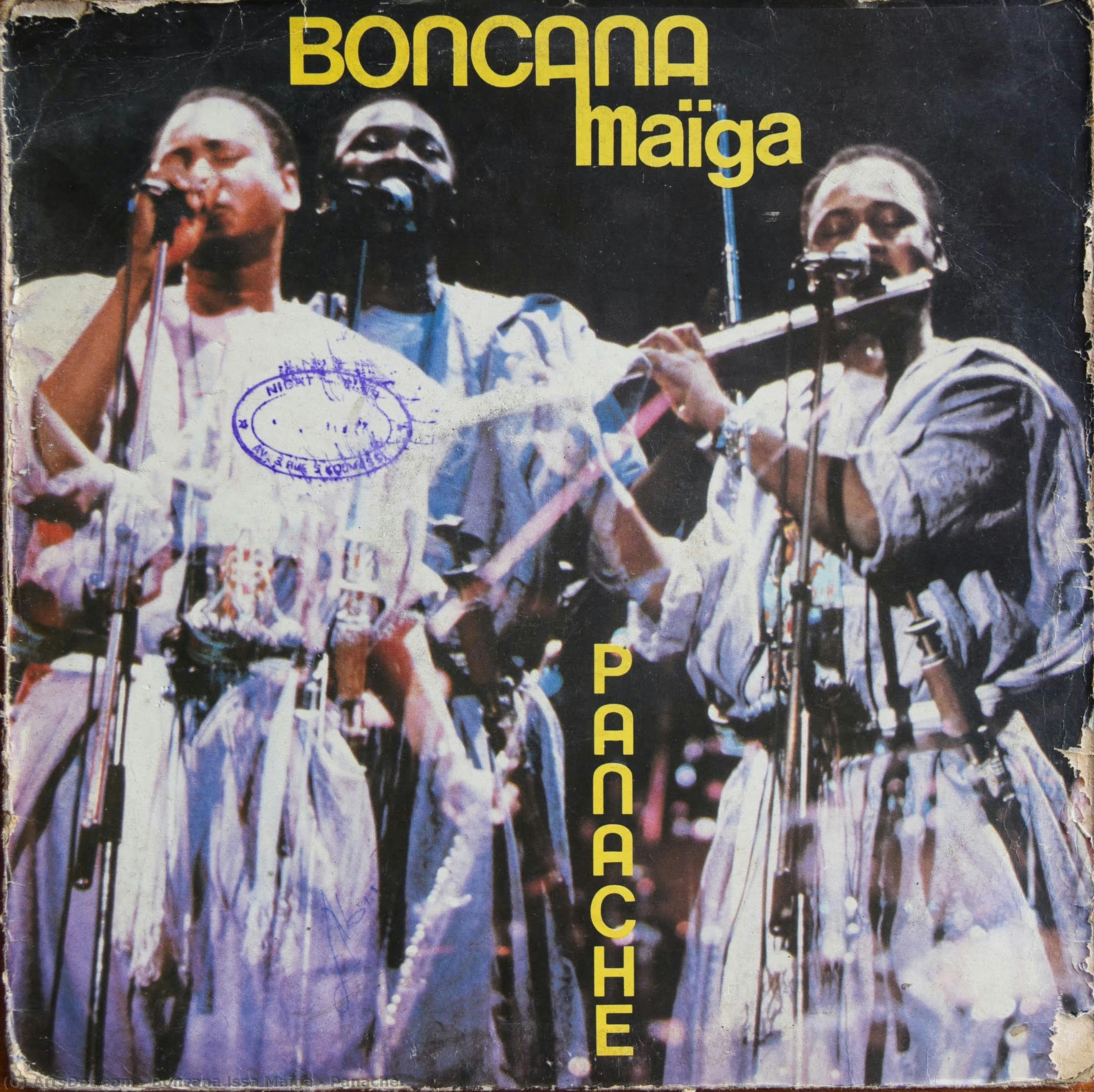
Panache

 Zobraziť viac
Ručne maľovaná olejová reprodukcia
Ručne maľovaný olej na plátne vo vašej zvolenej veľkosti a v ráme, vyrobený na mieru našimi umelcami. ( Kúpiť tlač Kúpiť obrázok)




































Vyberte si z našich preddefinovaných rozmerov, ktoré zodpovedajú pôvodným pomeroḿ diela.

Môžete zadať vlastné rozmery tak, aby sa hodili do konkrétneho rámu alebo priestoru. Ak sa váš zvolený rozmer nezhoduje s pôvodnými proporciami obrazu, dielo buď orezáme, alebo ho doplníme ručne maľovanými prvkami. Pred začiatkom výroby vám zašleme digitálny náhľad na schválenie.
Upozorňujeme, že ukážka na obrazovke neodráža skutočné orezanie alebo doplnenie. Skutočnú finálnu kompozíciu zobrazuje iba digitálny náhľad.
Hoci sú k dispozícii vlastné rozmery, odporúčame vybrať rozmer z preddefinovaného zoznamu, aby sme zachovali pôvodné proporcie.
Po odoslaní objednávky vám tím OriginalUniqueArt.com pošle e-mail s pokynmi a poskytne náhľad na návrh.
Celosvetová doprava () za 3 až 4 týždne namiesto štandardných 5 týždňov. (17 august). Bez kompromisov v kvalite.

Bezplatná expresná doprava po celom svete

Prémiové lnianske plátno

Kompletné poistenie prepravy

Záruka vrátenia colného poplatku

Záruka presného farebného zhodnutia

60-dňá politika vrátenia (iba pri defektoch)

100% záruka vrátenia peňazí

Výhodná množstevná zľava
 Možnosť skla je dostupná len pri rozmeroch pod 110 cm

Panache
Technika reprodukcie
Veľkosť reprodukcie
-


Celková cena za vybrané možnosti
$ 300
Biografia umelca
A Symphony of Color and Sound: The Legacy of Boncana Issa Maïga
The life of Boncana Issa Maïga was a profound dialogue between the rhythmic heartbeat of Mali and the expansive melodies of the global stage. Born in Gao in 1940, Maïga emerged from a landscape steeped in ancient musical traditions, yet his spirit was never confined by geography or genre. He possessed a rare, dualistic genius, moving with equal grace between the structured discipline of a composer and the expressive freedom of a painter. His journey was one of constant synthesis, where the dusty, vibrant textures of his Malian roots met the sophisticated brass flourishes of jazz and the infectious, syncopated heat of Cuban salsa.
Maïga’s artistic evolution was profoundly shaped by his transformative years in Cuba during the early 1960s. It was here that he mastered the flute and saxophone, instruments that would later serve as his visual brushes on canvas. This period of immersion in Latin American musicality instilled in him a unique sensitivity to harmonic complexity and melodic nuance. When he returned to Mali, he did not merely bring back new sounds; he brought a new way of perceiving rhythm—a rhythmic approach to color and form that would define his later visual works. His ability to translate the auditory experience into a visual language allowed him to bridge the gap between different sensory worlds.
The Architect of Melodic Traditions
In 1968, Maïga founded Les Merveilles du Mali, an ensemble that became a cornerstone for cultural preservation and innovation. Through this group, he sought to honor the ancestral sounds of his homeland while inviting contemporary influences to dance alongside them. His leadership was not limited to the stage; as a music professor and the director of the RTI orchestra, he dedicated much of his life to nurturing the next generation of Malian talent. This commitment to excellence earned him prestigious recognition, including the Kora Award for Best Arrangement of Africa, cementing his status as a master architect of African sound.
His musical collaborations with legends such as Alpha Blondy and Abdoulaye Diabaté showcased his ability to weave diverse cultural threads into a single, cohesive tapestry. This same spirit of collaboration is evident in his paintings, where the subjects often reflect a deep communal connection. In works like Mariétou/Gabéro, Maïga captures the serene essence of Malian life, using the presence of traditional figures under a lunar glow to evoke a sense of timelessness and peace. His art serves as a visual echo of his music—layered, soulful, and deeply rooted in the human experience.
A Visual Resonance of Heritage
As a painter, Maïga’s technique was an extension of his musicality. He approached the canvas with the same improvisational spirit found in a jazz solo, layering colors to create depth and movement. His portraits often embody the very essence of the instruments he played; for instance, in Haciendo Maravillas, one can sense the breathy texture of a saxophone through his evocative use of light and shadow. He did not merely depict scenes; he composed them, arranging elements of tradition and modernity to create a visual harmony that resonates with the viewer.
The historical significance of Boncana Issa Maïga lies in his role as a cultural diplomat. Through his art, he proved that tradition is not a static relic of the past but a living, breathing entity capable of infinite transformation. His legacy remains a testament to the power of artistic exploration, reminding us that when we embrace the influences of the world, we do not lose our identity—we enrich it. He leaves behind a body of work that continues to sing with the vibrant, enduring spirit of Mali.

boncana issa maïga
1940 - , Mali
Základné informácie
- Artistic Movement Or Style: Fusion of traditional Malian music with salsa & jazz
- Artists Or Movements Influenced By This Artist: ['Cuban Jazz']
- Artists Who Influenced This Artist:
- Alpha Blondy
- Abdoulaye Diabaté
- Date Of Birth: 1940
- Full Name: Boncana Issa Maïga
- Nationality: Malian
- Notable Artworks:
- Haciendo Maravillas
- Andurina
- Place Of Birth: Gao, Mali

