

 Náhľad
 Odoslať
 Zdieľať
 Podrobnosti o dielo

 Stiahnuť
 Podobné diela
 RTG skúška
 Prezentácia
 Štatistiky
Lamplight
 1901
1901 76.0 x 64.0 cm
 Zobraziť viac
Giclée / Umenotlač
Giclée tlač alebo plátno múzeálnej kvality s rýchlou výrobou a flexibilnými možnosťami povrchovej úpravy. ( Kúpiť ručne maľovaný obraz Prepnúť na digitálny obraz)




































Vyberte si z našich preddefinovaných rozmerov, ktoré zodpovedajú pôvodným pomeroḿ diela.

Môžete zadať vlastné rozmery, aby sa reprodukcia prispôsobila konkrétnemu rámu alebo priestoru. Ak zvolená veľkosť nebude zodpovedať proporciám originálu, dielo buď orežeme, alebo obraz rozšírime pomocou zrkadlenia či farebného doplnenia okrajov. Pred začatím výroby vám pošleme digitálnu ukážku na schválenie.
Máte na vedomí, že náhľad na obrazovke neodzrkadľuje skutočné orezanie alebo rozšírenie. Len digitálna ukážka presne zobrazí finálnu kompozíciu.
Hoci sú k dispozícii vlastné rozmery, pre zachovanie pôvodných proporcií odporúčame vybrať si rozmer z vopred definovaného zoznamu.
Celosvetová doprava () do 2 týždňov namiesto štandardných 4/5 týždňov. (12 september)

Bezplatná expresná doprava po celom svete

Prémiové lnianske plátno

Kompletné poistenie prepravy

Záruka vrátenia colného poplatku

Záruka presného farebného zhodnutia

100-dená politika vrátenia tovaru (iba pri vadách)

100% záruka vrátenia peňazí

Výhodná množstevná zľava
 Možnosť skla je dostupná len pri rozmeroch pod 110 cm

Lamplight
Giclée / Umenotlač
Veľkosť reprodukcie
-


Celková cena za vybrané možnosti
$ 80
Biografia umelca
A Fleeting Glimpse: The Life and Art of Bessie MacNicol
The name Bessie MacNicol resonates softly within the annals of late 19th-century Scottish painting, a whisper of talent tragically cut short. Born Elizabeth MacNicol in Glasgow on July 5, 1869, her life spanned just thirty-four years, yet within that brief period she carved out a significant place for herself amongst the progressive artists known as the Glasgow Girls. Her story is one of artistic promise nurtured by a supportive environment, tempered by personal struggles, and ultimately overshadowed by untimely loss – a narrative that adds poignancy to her delicate and evocative canvases. Growing up in a household marked by both intellectual stimulation—her father was a teacher and school principal—and sorrow, as several siblings succumbed to illness in infancy, Bessie developed a sensitivity that would profoundly inform her artistic vision. A predisposition to allergies meant summers were often spent indoors, perhaps fostering an introspective nature that found expression through the careful observation of light and form.From Glasgow School to Parisian Studios
MacNicol’s formal artistic journey began at the Glasgow School of Art in 1887, a pivotal institution then brimming with creative energy under the guidance of Francis Henry Newbery. It was Newbery who championed her talent and encouraged her to broaden her horizons by studying in Paris at the Académie Colarossi in 1892-1893. This opportunity was particularly noteworthy for a woman artist of the time, as it allowed access to training alongside male peers – a relatively new prospect. However, MacNicol found the Parisian experience less than inspiring, feeling stifled rather than encouraged by the prevailing atmosphere. Despite this disappointment, her time abroad undoubtedly exposed her to new artistic currents and solidified her commitment to pursuing painting professionally. Upon returning to Scotland, she established a studio in Glasgow, ready to forge her own path within the vibrant art scene of the city.Impressionistic Sensibilities and Scottish Light
MacNicol’s artistic style was a compelling synthesis of various influences. She embraced the *plein air* tradition championed by the Barbizon School, prioritizing direct observation of nature and capturing its fleeting effects. This approach is evident in her landscapes, which are imbued with a sense of immediacy and atmospheric realism. Simultaneously, she drew inspiration from the tonal harmonies and subtle color palettes of James McNeill Whistler, as well as the innovative spirit of her contemporaries within the Glasgow Boys movement, notably Edward Atkinson Hornel, whom she would later portray in a striking portrait during a sojourn in Kirkcudbright. Her paintings are characterized by a masterful command of color, light, and texture, creating canvases that shimmer with life. MacNicol’s portraits, in particular, stand out for their solid composition and psychological depth, revealing her ability to capture not just likeness but also the inner lives of her subjects. Critics praised her “dextrous touch and expressive colour,” drawing comparisons to Berthe Morisot – a testament to her skill and sensitivity. She frequently depicted young women posed outdoors, bathed in dappled sunlight filtering through leaves, creating distinctive patterns of light and shadow that define much of her oeuvre.A Legacy Interrupted
MacNicol’s career reached its peak with exhibitions at the Royal Scottish Academy, the Royal Glasgow Institute, and even international venues like the Munich Secession. Her marriage to Alexander Frew, a physician and artist, in 1899 brought personal happiness, but her artistic output was tragically curtailed by her death on June 4, 1904, during late-stage pregnancy due to complications. The loss of both mother and child was devastating. Further tragedy struck when Frew himself took his own life in 1908, after remarrying; his second wife subsequently sold MacNicol’s paintings and papers, contributing to their relative scarcity today. Despite this dispersal, her work has gradually been reassessed and celebrated as a vital contribution to the Glasgow Girls movement – a collective of female artists who challenged conventional norms and made a lasting impact on Scottish art. Today, examples of her work can be found in the Kelvingrove Museum and the Hunterian Museum and Art Gallery in Glasgow, offering glimpses into the talent of an artist whose potential remained tantalizingly unrealized. The recent acquisition by the National Galleries of Scotland of “The Lilac Sunbonnet” (2024) is a testament to her growing recognition and enduring appeal. Bessie MacNicol’s story serves as a poignant reminder of the many artistic voices lost to time, yet whose legacy continues to inspire and captivate.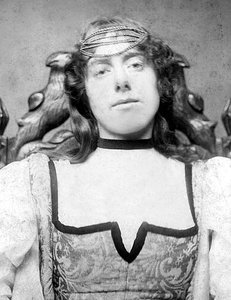
Bessie MacNicol
1869 - 1904 , United Kingdom
Základné informácie
- Artistic Movement Or Style: Impressionism
- Artists Or Movements Influenced By This Artist: ['Glasgow Girls']
- Artists Who Influenced This Artist:
- Whistler
- Barbizon School
- Glasgow Boys
- Date Of Birth: July 5, 1869
- Date Of Death: June 4, 1904
- Full Name: Elizabeth MacNicol
- Nationality: Scottish
- Notable Artworks:
- Self Portrait
- Deborah
- Portrait of a Lady Phyllis
- Place Of Birth: Glasgow, UK