
 Náhľad
 Odoslať
 Zdieľať
 Podrobnosti o dielo

 Stiahnuť
 Podobné diela
 RTG skúška
 Prezentácia
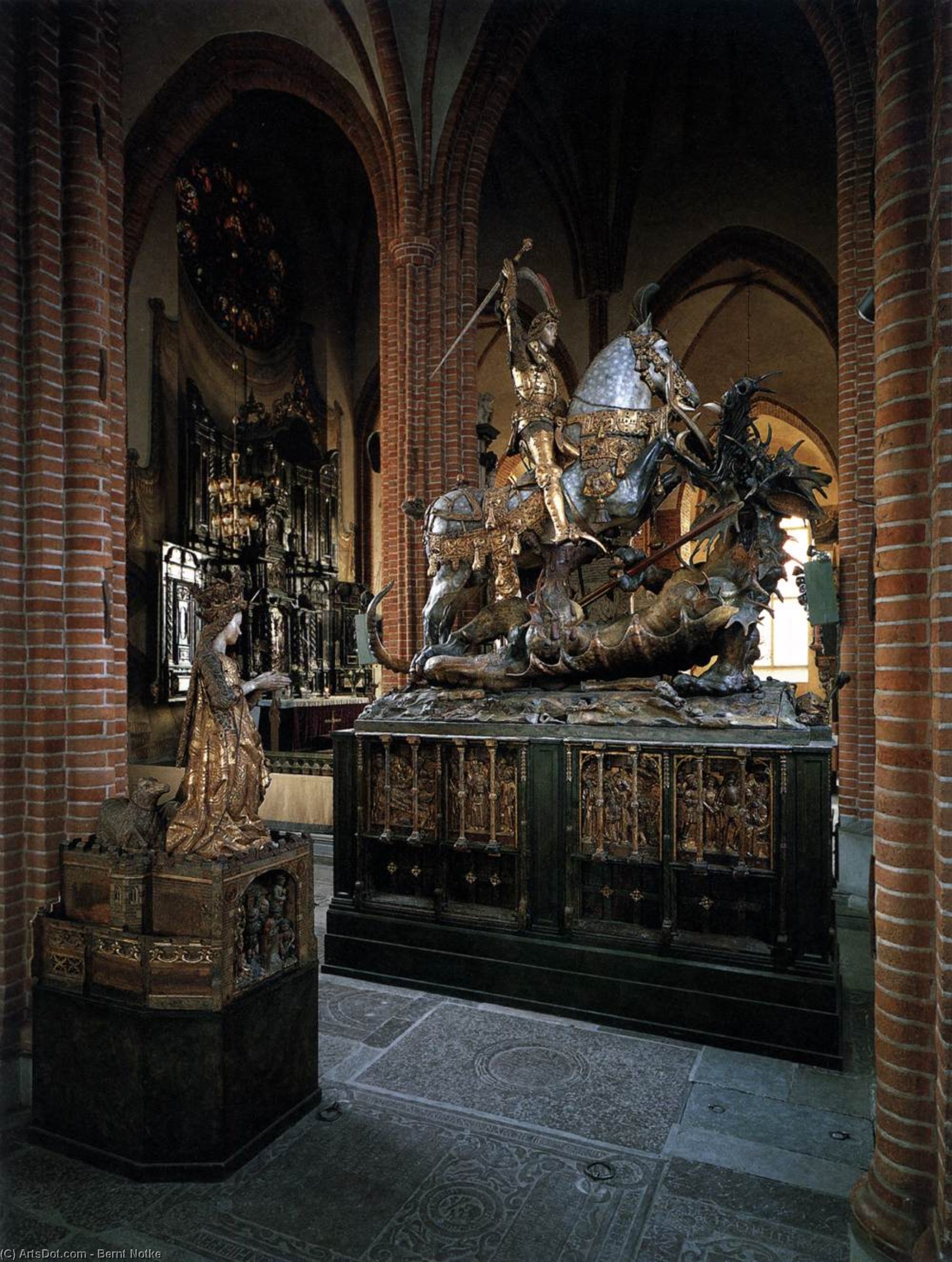
Sväti Goran a Drak


 Zobraziť viac
Ručne maľovaná olejová reprodukcia
Ručne maľovaný olej na plátne vo vašej zvolenej veľkosti a v ráme, vyrobený na mieru našimi umelcami. ( Kúpiť tlač Kúpiť obrázok)




P118B $10

P118H $10

P118W $10

P438Z $10

P508JH $12

P508YH $12

P805H $10

P805Z $10

P919BZ $10

P919G $10

P919XJ $10

P959ZH $10

P968JZ $12

W106C $8

W218G $10

W218JH $8

W218Y $10

W307PJ $10

W316G $10

W316PJ $8

W316Y $10

W398PJ $8

W4111J $10

W500HY $15

W500JH $15

W692G $12

W849H $8

W940BG $15

W953PJ $8




Vyberte si z našich preddefinovaných rozmerov, ktoré zodpovedajú pôvodným pomeroḿ diela.

Môžete zadať vlastné rozmery tak, aby sa hodili do konkrétneho rámu alebo priestoru. Ak sa váš zvolený rozmer nezhoduje s pôvodnými proporciami obrazu, dielo buď orezáme, alebo ho doplníme ručne maľovanými prvkami. Pred začiatkom výroby vám zašleme digitálny náhľad na schválenie.
Upozorňujeme, že ukážka na obrazovke neodráža skutočné orezanie alebo doplnenie. Skutočnú finálnu kompozíciu zobrazuje iba digitálny náhľad.
Hoci sú k dispozícii vlastné rozmery, odporúčame vybrať rozmer z preddefinovaného zoznamu, aby sme zachovali pôvodné proporcie.
Po odoslaní objednávky vám tím OriginalUniqueArt.com pošle e-mail s pokynmi a poskytne náhľad na návrh.
Celosvetová doprava () za 3 až 4 týždne namiesto štandardných 5 týždňov. (18 august). Bez kompromisov v kvalite.

Bezplatná expresná doprava po celom svete

Prémiové lnianske plátno

Kompletné poistenie prepravy

Záruka vrátenia colného poplatku

Záruka presného farebného zhodnutia

60-dňá politika vrátenia (iba pri defektoch)

100% záruka vrátenia peňazí

Výhodná množstevná zľava
 Možnosť skla je dostupná len pri rozmeroch pod 110 cm

Sväti Goran a Drak
Technika reprodukcie
Veľkosť reprodukcie
-


Celková cena za vybrané možnosti
$ 300
Popis diela
St George and the Dragon – Symbol of Faith and Triumph
Bernt Notke’s monumental sculpture of St George slaying the dragon stands as an emblem of Christian piety and martial heroism in late medieval Sweden. Commissioned by Sten Sture the Elder following his decisive victory over Danish forces at Brunkeberg in 1471, this imposing artwork embodies not only a commemoration of military triumph but also a profound theological statement about divine protection and righteous struggle.
A Narrative Sculptured in Wood
The sculpture itself is crafted from wood—a material chosen deliberately to convey solemnity and durability. Measuring approximately seven feet six inches high (2.28m), it dominates the Storkyrkan’s nave, commanding attention with its sheer scale and expressive dynamism. Notke skillfully captured a pivotal moment from St George's legend – the decisive confrontation between knightly courage and serpentine menace.
Detailed Composition and Symbolism
The sculpture depicts St George astride a horse, engaged in a furious battle against a dragon coiled around the altar’s base. The dragon’s body is rendered with meticulous detail, emphasizing its menacing posture and conveying an aura of primal terror. Simultaneously, St George wields his lance with unwavering determination, aiming for the dragon's vulnerable spot—a gesture symbolizing faith overcoming evil.
The Gothic Influence and Artistic Innovation
Notke’s work exemplifies the stylistic hallmarks of Lübeck Gothic sculpture – a fusion of naturalism and stylized representation. However, he transcends mere imitation, injecting into his composition an emotional intensity that distinguishes it from earlier sculptural traditions. The sculptor's masterful use of wood carving techniques—particularly the incorporation of intricate textures and expressive modeling—creates a palpable sense of drama and conveys the profound spiritual significance of the scene.
A Testament to Sten Sture’s Victory
More than just an artistic masterpiece, St George and the Dragon served as a tangible manifestation of Sten Sture's political aspirations. The sculpture was erected in honor of his triumph over Christian I at Brunkeberg—a victory that cemented Sture’s leadership role in Sweden. As a funerary monument for Sture himself, it underscored the importance of piety and remembrance within medieval Scandinavian culture.
Concluding Remarks
Bernt Notke's St George and the Dragon remains an unforgettable symbol of Christian faith and martial valor—a testament to artistic innovation and enduring spiritual inspiration. Its presence in Storkyrkan continues to captivate viewers, reminding us of a time when art served as both witness to history and vehicle for profound theological contemplation.
Biografia umelca
A Master of the Baltic Gothic: The Life and Art of Bernt Notke
Bernt Notke, a name resonating with the somber beauty and expressive power of late Gothic art, remains an enigmatic figure despite his profound influence on Northern European sculpture and painting. Born around 1440 in the small Pomeranian town of Lassan, his life unfolded amidst the burgeoning trade routes and artistic currents of the Baltic Sea region. While concrete details about his early years are scarce, we know he emerged from a family deeply connected to commerce – his father, Michel Notke, was a trader and ship-owner based in Tallinn. This maritime background likely fostered an openness to diverse influences that would characterize his art. His mother, Gertraut, hailed from Visby, further cementing the artist’s ties to the Hanseatic League's vibrant network of exchange. Little is known about his formal training, but it is believed he spent time in Flanders, possibly within the workshop of tapestry weaver Pasquier Grenier in Tournai. This experience instilled in him not only technical skills but also an understanding of large-scale collaborative projects – a hallmark of his later work.The Workshop and its Innovations
Notke’s artistic practice was deeply rooted in the medieval workshop system, a communal endeavor far removed from the solitary studio of the Renaissance artist. He wasn't merely an individual creator but a master orchestrator, leading a team of skilled artisans – carpenters, painters, sculptors – to realize ambitious visions. A remarkable discovery during the restoration of his Triumphal Cross in Lübeck revealed a signed note by Notke and five collaborators, offering a rare glimpse into the inner workings of his workshop. This collaborative spirit allowed him to undertake projects of monumental scale and complexity. But what truly set Notke apart was his willingness to experiment with materials and techniques. He wasn’t content with simply carving wood or applying paint; he sought to imbue his sculptures with an almost unsettling realism, often employing unconventional additions like leather strips to simulate veins or fragments of cloth and glass to enhance the texture and detail of garments. This innovative approach blurred the lines between sculpture and painting, creating works that were both visually striking and emotionally resonant. The question of whether Notke was primarily a painter, sculptor, or organizer remains debated, but his 1467 recognition by the Lübeck city council as a “painter” suggests an initial focus on this discipline.Themes of Mortality and Majesty: Key Works
Notke’s oeuvre is dominated by two powerful themes: the inevitability of death and the grandeur of religious devotion. These are vividly expressed in his most celebrated works. The *Danse Macabre*, or Dance of Death, a popular medieval motif, found particularly potent expression in Notke's hands. Two versions survive – one fragment in Tallinn’s St. Nicholas Church, and a 1701 copy (based on the original) of the larger Lübeck version which was destroyed during World War II. These depictions of death leading figures from all walks of life to their final fate are not merely morbid exercises but profound meditations on human mortality and the transience of earthly power. His *Triumphal Cross* in Lübeck Cathedral, completed around 1477, stands as a testament to his sculptural prowess. Comprising seventy-two intricately carved figures surrounding the crucified Christ, it is a breathtaking display of realism, monumentality, and emotional intensity. Commissioned by Bishop Albert Krummedik, this work showcases Notke’s ability to convey both divine suffering and human grief with remarkable sensitivity. Another significant commission was the high altar for Aarhus Cathedral in Denmark (1479), a towering structure featuring sculptures of Saint Anne, John the Baptist, and Pope Clement I. This altarpiece, signed by Notke in three places, reflects the growing influence of early Northern Renaissance portraiture, evident in the realistic depiction of individual features. Finally, his *Saint George and the Dragon* sculpture in Stockholm’s Storkyrkan, created during his time as mint master of Sweden (1491-1497), embodies a heroic narrative with dynamic composition and expressive detail.A Legacy Forged in Wood and Paint
Bernt Notke's artistic journey spanned the late 15th and early 16th centuries, a period of transition between the medieval world and the dawn of the Renaissance. While he absorbed influences from Flanders and Italy, his work remained firmly rooted in the Gothic tradition, characterized by its emotional intensity, dramatic compositions, and symbolic richness. He died before May 1509 in Lübeck, leaving behind a legacy that continues to inspire awe and admiration. His impact on Northern European art is undeniable. He not only elevated sculpture and painting to new heights of technical skill and artistic expression but also established a thriving workshop that trained generations of artists. His innovative use of materials, his mastery of form, and his profound engagement with the themes of life, death, and faith cemented his position as one of the foremost artists of his time – a true master of the Baltic Gothic. His works serve as poignant reminders of a bygone era, inviting us to contemplate the enduring mysteries of human existence.
Bernt Notke
1440 - 1509 , Germany
Základné informácie
- Artistic Movement Or Style: Late Gothic
- Date Of Birth: c. 1440
- Date Of Death: 1509
- Full Name: Bernt Notke
- Nationality: German
- Notable Artworks:
- Danse Macabre
- Triumphal Cross
- St. George & Dragon
- Place Of Birth: Lassan, Germany
Súvisiace články
Late Gothic Art: The Divine Transition from Medieval Symbolism to Renaissance Naturalism
Explore the profound transition of Late Gothic art from medieval symbolism to Renaissance naturalism. Discover the elegance of International Gothic, the legacy of Master Theodoric, and the evolution of European courtly masterpieces through an expert art-historical lens.

Top 10 Bronzových Sôch, ktoré Zmenili Umenie Navždy | OriginalUniqueArt
Objavte top 10 legendárnych bronzových sôch, ktoré zmenili umenie! Michelangelo, Rodin a ďalší majstri. História, techniky a nadčasová krása pre váš interiér. Reprodukcie múzejnej kvality na OriginalUniqueArt.com
Late Medieval Masterpieces: 10 Artworks That Defined an Era | OriginalUniqueArt
Journey through 10 defining Late Medieval masterpieces – from Giotto's frescoes to Jan van Eyck’s realism. Explore the stories, techniques & vibrant colors of Gothic art. Find museum-quality reproductions and elevate your home decor with OriginalUniqueArt.com! Discover all masterpieces on OriginalUniqueArt.com

The Enduring Form: Exploring Themes & Techniques in Sculpture Across Historical Periods
Explore the rich history of sculpture from ancient masterpieces to contemporary innovations. Discover key techniques, influential artists & investment potential for discerning art collectors.
The Radiant Dusk of Medieval Vision: Exploring Late Gothic Art's Synthesis of Faith, Form & Emotionality (c. 1300-1500)
Explore the exquisite beauty & spiritual depth of Late Gothic art (c. 1300-1500). Discover key artists, symbolism, and its lasting influence on the Renaissance. Expert insights at OriginalUniqueArt.


