
 Náhľad
 Odoslať
 Zdieľať
 Podrobnosti o dielo

 Stiahnuť
 Podobné diela
 RTG skúška
 Prezentácia
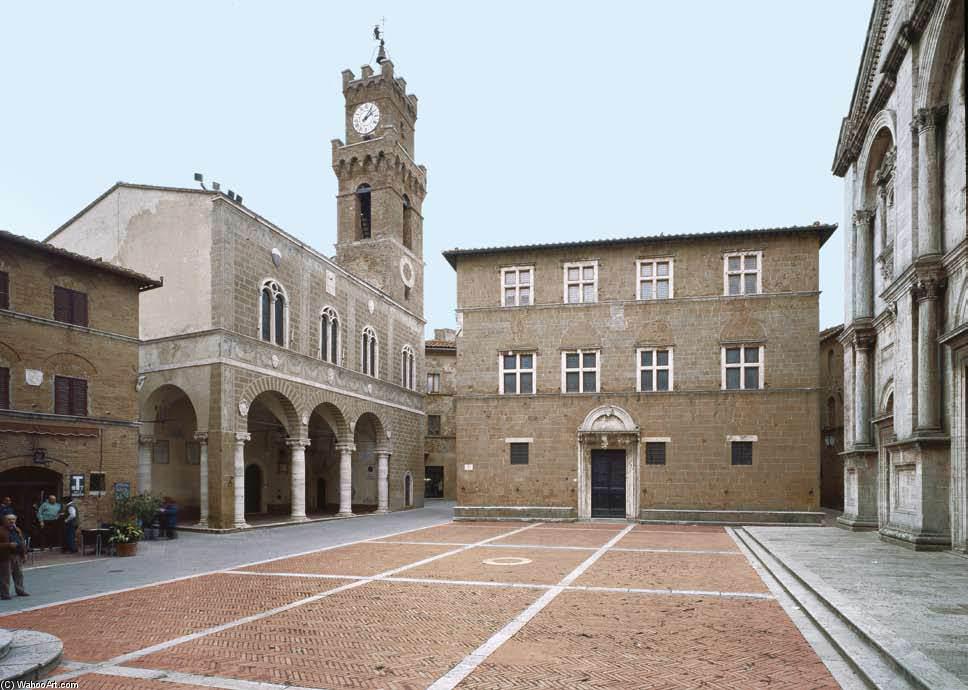
Bishop's Palace


 Zobraziť viac
Ručne maľovaná olejová reprodukcia
Ručne maľovaný olej na plátne vo vašej zvolenej veľkosti a v ráme, vyrobený na mieru našimi umelcami. ( Kúpiť tlač Kúpiť obrázok)




P118B $10

P118H $10

P118W $10

P438Z $10

P508JH $12

P508YH $12

P805H $10

P805Z $10

P919BZ $10

P919G $10

P919XJ $10

P959ZH $10

P968JZ $12

W106C $8

W218G $10

W218JH $8

W218Y $10

W307PJ $10

W316G $10

W316PJ $8

W316Y $10

W398PJ $8

W4111J $10

W500HY $15

W500JH $15

W692G $12

W849H $8

W940BG $15

W953PJ $8




Vyberte si z našich preddefinovaných rozmerov, ktoré zodpovedajú pôvodným pomeroḿ diela.

Môžete zadať vlastné rozmery tak, aby sa hodili do konkrétneho rámu alebo priestoru. Ak sa váš zvolený rozmer nezhoduje s pôvodnými proporciami obrazu, dielo buď orezáme, alebo ho doplníme ručne maľovanými prvkami. Pred začiatkom výroby vám zašleme digitálny náhľad na schválenie.
Upozorňujeme, že ukážka na obrazovke neodráža skutočné orezanie alebo doplnenie. Skutočnú finálnu kompozíciu zobrazuje iba digitálny náhľad.
Hoci sú k dispozícii vlastné rozmery, odporúčame vybrať rozmer z preddefinovaného zoznamu, aby sme zachovali pôvodné proporcie.
Po odoslaní objednávky vám tím OriginalUniqueArt.com pošle e-mail s pokynmi a poskytne náhľad na návrh.
Celosvetová doprava () za 3 až 4 týždne namiesto štandardných 5 týždňov. (20 august). Bez kompromisov v kvalite.

Bezplatná expresná doprava po celom svete

Prémiové lnianske plátno

Kompletné poistenie prepravy

Záruka vrátenia colného poplatku

Záruka presného farebného zhodnutia

60-dňá politika vrátenia (iba pri defektoch)

100% záruka vrátenia peňazí

Výhodná množstevná zľava
 Možnosť skla je dostupná len pri rozmeroch pod 110 cm

Bishop's Palace
Technika reprodukcie
Veľkosť reprodukcie
-


Celková cena za vybrané možnosti
$ 300
Popis diela
The Bishop’s Palace at Pienza: A Renaissance Echo in Tuscan Stone
Nestled within the sun-drenched heart of Pienza, Italy – a meticulously planned Renaissance town conceived by Pope Pius II – stands the Palazzo Piccolomini, more intimately known as the Bishop's Palace. This imposing structure isn’t merely a building; it’s a testament to ambition, architectural innovation, and the enduring legacy of Bernardo Rossellino, one of Florence’s most influential sculptors and architects of the 15th century. The image before us captures a moment frozen in time – a scene of quiet grandeur against the backdrop of the town's harmonious skyline, offering a glimpse into a world where art and civic planning converged to create an enduring masterpiece.
The palace itself is a symphony of Renaissance ideals, meticulously crafted in brick and stone. Its facade, dominated by a central entrance framed by elegant arches, speaks volumes about the period’s fascination with classical proportions and symmetry. The rhythmic repetition of windows, punctuated by subtle details like shutters and decorative moldings, creates a sense of ordered beauty. Yet, it's not simply a slavish imitation of antiquity; Rossellino masterfully blended Gothic elements – particularly in the tower that rises proudly at one end – with the burgeoning principles of Renaissance design, resulting in a uniquely harmonious composition.
A Master’s Hand: Bernardo Rossellino and His Vision
Bernardo Rossellino's contribution to Pienza extends far beyond this single palace. He was a pivotal figure in shaping the town’s overall aesthetic – a deliberate attempt by Pope Pius II to create a model of ideal urban planning, drawing inspiration from ancient Roman layouts. Rossellino wasn’t just an architect; he was a skilled craftsman and a shrewd organizer, leading a large workshop that produced everything from intricate sculptures to monumental architectural elements. His reputation rested on his ability to seamlessly integrate diverse artistic styles, creating works that were both technically proficient and emotionally resonant.
Born in Settignano near Florence, Rossellino’s early training likely involved working alongside his uncle, Jacopo di Domenico di Luca del Borra Gamberelli, a stonemason. He honed his skills under the tutelage of Nanni di Bartolo “il Rosso,” absorbing the lessons of classical sculpture and applying them to his own architectural endeavors. This lineage – blending practical craftsmanship with artistic innovation – is evident throughout his oeuvre. The Palazzo Piccolomini stands as proof of this synthesis, a testament to Rossellino’s ability to translate theoretical ideals into tangible form.
Symbolism and the Pursuit of Harmony
The Bishop's Palace at Pienza isn’t simply a display of architectural prowess; it’s imbued with symbolic meaning. The deliberate symmetry reflects the Renaissance emphasis on order, balance, and harmony – concepts deeply rooted in classical philosophy. The tower, rising above the surrounding buildings, symbolizes both civic authority and spiritual aspiration. Furthermore, the palace's placement within the town plan—designed to maximize views of the countryside and emphasize a sense of grandeur—underscores the Pope’s vision for Pienza as a beacon of Renaissance ideals.
The courtyard before the palace, paved with red brick, provides a striking contrast to the warm tones of the building itself. This deliberate juxtaposition creates visual interest and reinforces the overall sense of harmony. The image captures this interplay of color and form, inviting us to contemplate the beauty and complexity of this remarkable architectural achievement.
A Legacy in Reproduction
Today, the Palazzo Piccolomini stands as a cherished landmark, attracting visitors from around the world who come to marvel at its beauty and appreciate its historical significance. OriginalUniqueArt offers meticulously crafted reproductions that allow you to bring this iconic image into your own home or office, capturing the essence of Rossellino’s vision and the spirit of Renaissance Pienza. These high-quality prints are a perfect way to celebrate art history and add a touch of timeless elegance to any space.
Biografia umelca
Bernardo Rossellino: The Florentine Renaissance Architect
Bernardo di Matteo del Borra Gamberelli, affectionately known as Bernardo Rossellino (1409–1464), stands as a cornerstone of Early Renaissance art and architecture in Florence. His legacy extends far beyond his prolific output; he embodies the spirit of innovation and humanist ideals that defined the era, shaping artistic sensibilities for generations to come. Born into a family rooted in Florentine stonemasonry—his uncle Jacopo di Domenico di Luca del Borra Gamberelli imparted foundational skills—Rossellino’s trajectory mirrored the burgeoning dynamism of his time. Early Life and Training: Little is known about Rossellino's formative years beyond his familial connection to stonemasonry. However, evidence suggests he honed his craft under Nanni di Bartolo, “il Rosso,” a pivotal figure in Florentine sculpture who championed classical ideals. This influential apprenticeship instilled within him the conviction that beauty and proportion derived from observing nature—a cornerstone of humanist thought that would permeate his artistic endeavors. The Influence of Brunelleschi and Masaccio: Like many artists of his generation, Rossellino absorbed the revolutionary aesthetic pioneered by Filippo Brunelleschi and Masaccio. Their audacious embrace of linear perspective and idealized human form profoundly impacted Rossellino’s artistic vision—a conviction that would become synonymous with the Florentine Renaissance style. Brunelleschi's groundbreaking dome for Florence Cathedral served as an inspiration, demonstrating the transformative potential of mathematical precision combined with artistic creativity. Masaccio’s frescoes in Santa Maria Novella revolutionized painting technique, establishing a new standard for realism and emotional depth. Arezzo and the Misericordia Facade: A Bold Experiment in Synthesis Rossellino's career gained prominence in 1433 when he accepted a commission from the Fraternita di Santa Maria della Misericordia to revitalize the façade of their headquarters in Arezzo. This project presented an extraordinary challenge—the existing Gothic structure demanded a radically different approach. Demonstrrating remarkable ingenuity, Rossellino fused Gothic elements with classical principles, mirroring Alberti’s pioneering efforts at Santa Maria Novella. The resulting design incorporated paired pilasters and aediculae derived from Roman architectural models, establishing Rossellino as a champion of stylistic eclecticism—a hallmark of the Florentine Mannerist style. This daring fusion symbolized the Renaissance spirit of reconciling tradition with innovation—a testament to Rossellino’s artistic prowess. The Leonardo Bruni Tomb: Defining the Humanist Monument Perhaps Rossellino’s most celebrated achievement was the tomb he conceived for Leonardo Bruni, Florence's humanist historian and chancellor. Despite the lack of surviving documentation regarding its precise design—two sixteenth-century sources attribute authorship to Rossellino—scholars concur that it exemplifies the zenith of Renaissance sculptural artistry. The tomb’s harmonious composition—characterized by a shallow wall niche framed by pilasters and topped with an arched vault—reflected Bruni's intellectual pursuits and embodied the humanist ideal of unity—a concept championed by Alberti. This monumental work underscored Rossellino’s mastery of classical revival techniques, demonstrating his unwavering commitment to humanist principles. Rome and Papal Patronage: Mastering Classical Revival Rossellino’s artistic reputation soared during his tenure in Rome under Pope Nicholas V. He undertook monumental projects, including the restoration of St. Peter's Basilica and the expansion of its choir—tasks that cemented his position as a leading architect of the era. Furthermore, he collaborated with Michelangelo on the rebuilding of St. Peter's, demonstrating an unparalleled understanding of classical architectural techniques. This collaboration solidified Rossellino’s legacy as one of the most influential architects of his time—a figure whose vision shaped the artistic landscape of Renaissance Rome. Legacy and Influence: Shaping Artistic Sensibilities for Generations Bernardo Rossellino’s workshop dominated Florentine stonemasonry throughout the 1450s and 1460s, fostering a vibrant artistic environment. His influence extended beyond his own creations—he mentored younger sculptors like Desiderio da Settignano and Michelangelo—propagating his distinctive Mannerist style across Florence. Most notably, Rossellino’s tomb for Bruni served as a template for subsequent funerary monuments, establishing him as the progenitor of the humanist tomb tradition—a testament to his enduring contribution to Renaissance art history. His work continues to inspire artists today, demonstrating the timeless beauty and intellectual depth of the Florentine Renaissance.
Bernardo Rossellino
1409 - 1464 , Taliansko
Základné informácie
- Artistic Movement Or Style: Early Renaissance
- Artists Who Influenced This Artist:
- Brunelleschi
- Donatello
- Ghiberti
- Masaccio
- Date Of Birth: Florence, Italy (1409)
- Date Of Death: 1464
- Full Name: Bernardo di Matteo del Borra Gamberelli
- Nationality: Italian
- Notable Artworks:
- Leonardo Bruni Tomb
- Madonna of Mercy Relief
- Place Of Birth: Florence
Súvisiace články
Mario Sironi: A Poetic of Modern Italian Identity Through Symbolism & Social Commentary
Explore the profound works of Mario Sironi, a key figure in Italian Modernism. Discover his evolution from Futurism to Metaphysical painting and his powerful social commentary. Learn about his legacy at OriginalUniqueArt.
Giulio Romano: A Master of Mannerism & the Palazzo Te Legacy
Explore the revolutionary art of Giulio Romano, master of Mannerism & architect of Palazzo Te. Discover his influence, investment potential, and stunning frescoes – a guide for discerning collectors.
Timeless Italy: A Visual Journey Through Iconic Masterpieces and Eternal Landscapes
Embark on a visual journey through Italy's most iconic landscapes and Renaissance masterpieces. Discover the profound beauty of classical art, from Venetian altarpieces to serene countryside vistas, curated for the discerning art enthusiast and collector.

Giovanni Fattori: Realism, Identity & the Tuscan Landscape – A Macchiaioli Master
Explore the life & art of Giovanni Fattori, a leading figure of the Macchiaioli movement. Discover his revolutionary realism, captivating Tuscan landscapes, and lasting impact on Italian painting. Learn more at OriginalUniqueArt.

Drama and Light: A Definitive Guide to the Italian Baroque Masterpieces and the Revolution of Chiaroscuro
Explore the dramatic world of Italian Baroque art. Discover how masters like Caravaggio used chiaroscuro and tenebrism to revolutionize painting through light, shadow, and profound realism. A definitive guide for history lovers and art collectors.

