

 Zobraziť v interiéri
 Odoslať
 Zdieľať
 Podrobnosti
 Príručka

 Stiahnuť
 Podobné položky
 RTG skúška
 Prehliadanie diapo\]
 Štatistiky
LE SILENCE


 Prečítať si viac
Giclée / Umenotlač
Giclée tlač alebo plátno múzeálnej kvality s rýchlou výrobou a rôznymi možnosťami povrchovej úpravy. ( Objednať ručne maľovanú reprodukciu Prepnúť na digitálnu verziu obrazu)




P118B €10

P118H €10

P118W €10

P438Z €10

P508JH €12

P508YH €12

P805H €10

P805Z €10

P919BZ €10

P919G €10

P919XJ €10

P959ZH €10

P968JZ €12

W106C €8

W218G €10

W218JH €8

W218Y €10

W307PJ €10

W316G €10

W316PJ €8

W316Y €10

W398PJ €8

W4111J €10

W500HY €15

W500JH €15

W692G €12

W849H €8

W940BG €15

W953PJ €8




Vyberte si z našich preddefinovaných rozmerov, ktoré zodpovedajú pôvodným pomeroḿ diela.

Môžete zadať vlastné rozmery, aby sa reprodukcia prispôsobila konkrétnemu rámu alebo priestoru. Ak zvolená veľkosť nebude zodpovedať proporciám originálu, dielo buď orežeme, alebo obraz rozšírime pomocou zrkadlenia či farebného doplnenia okrajov. Pred začatím výroby vám pošleme digitálnu ukážku na schválenie.
Máte na vedomí, že náhľad na obrazovke neodzrkadľuje skutočné orezanie alebo rozšírenie. Len digitálna ukážka presne zobrazí finálnu kompozíciu.
Hoci sú k dispozícii vlastné rozmery, pre zachovanie pôvodných proporcií odporúčame vybrať si rozmer z vopred definovaného zoznamu.
Celosvetová doprava () do 2 týždňov namiesto štandardných 4 až 5 týždňov. (10 október)

Bezplatná expresná doprava po celom svete

Vysokokvalitné lnianske plátno

Úplné poistenie prepravy

Záruka vrátenia colného poplatku

Záruka presného farebného zhodnutia

100-dená politika vrátenia tovaru (iba pri vadách)

100% záruka vrátenia peňazí

Ponuka množstevnej zľavy
 Možnosť skla je dostupná len pri rozmeroch pod 110 cm

LE SILENCE
Giclée / Umenotlač
Veľkosť reprodukcie
-


Celková cena
€ 69
Le Silence: A Renaissance Portrait of Introspection
Bernardino Luini’s “Le Silence” is not merely a portrait; it's an invitation into the quietude of the human spirit, a remarkably evocative work that speaks volumes through its deliberate restraint. Painted in Milan around 1527-1530, during the twilight years of his prolific career, this piece embodies Luini’s signature style – a graceful blend of Renaissance idealism and a subtly melancholic realism. It's a painting that whispers rather than shouts, inviting prolonged contemplation and revealing layers of meaning with each careful observation.
The subject is a young woman, likely depicted in the guise of a noblewoman or perhaps a pious lady of the court. Her pose—a gentle inclination of her head, a delicate hand resting lightly upon her lips—immediately establishes an atmosphere of profound stillness. The cropped composition, focusing intently on her face and upper torso, draws the viewer into this intimate space of introspection. Luini masterfully employs soft, diffused lighting, casting subtle shadows that enhance the contours of her features without resorting to dramatic contrasts. This deliberate lack of harshness contributes significantly to the painting’s overall sense of serenity.
The Language of Restraint: Technique and Materials
Luini's technique is characterized by a remarkable mastery of *sfumato*, a subtle blurring of edges that creates an almost dreamlike quality. He achieves this through meticulous layering of thin, translucent glazes of oil paint—a hallmark of his approach. The colors are muted and earthy – warm beiges, browns, and reddish hues dominate the palette, creating a sense of timelessness and understated elegance. There’s no flamboyant display of color here; instead, Luini utilizes a restrained range to amplify the painting's emotional impact.
The use of lines is equally deliberate. They are soft and blended, avoiding sharp outlines that would disrupt the overall feeling of tranquility. The head covering—a triangular shape—adds a touch of visual interest while remaining perfectly integrated within the composition’s harmonious flow. The surface texture suggests a smooth, almost polished quality, achieved through careful blending and manipulation of the paint – an impression of refined elegance and quiet dignity.
Symbolism and Emotional Resonance
The title itself, “Le Silence,” is profoundly symbolic. It immediately establishes the painting’s central theme: introspection, discretion, and perhaps even a plea for quietude. The woman's gesture—placing her finger to her lips—is universally understood as a symbol of secrecy or silence, reinforcing this thematic core. Luini doesn’t explicitly state these meanings; he trusts the viewer to interpret them through careful observation and emotional response.
Beyond the immediate symbolism, “Le Silence” evokes a broader sense of melancholy and contemplation. It's reminiscent of Leonardo da Vinci’s *sfumato* technique, which similarly creates an atmosphere of ambiguity and mystery. The painting invites us to consider the inner life of the subject—her thoughts, her feelings, her unspoken desires. It’s a portrait that transcends mere likeness, offering instead a glimpse into the soul.
A Legacy of Grace: Historical Context
Bernardino Luini was a pivotal figure in the artistic landscape of Renaissance Milan, deeply influenced by Leonardo da Vinci. His work represents a unique synthesis of classical ideals and northern European sensibilities. Luini’s style is often described as “Luinesque,” characterized by its graceful figures, elongated eyes, and subtle emotional depth. He worked primarily for religious institutions and private patrons, producing a vast body of paintings that continue to captivate viewers today.
“Le Silence” stands as one of Luini’s most poignant achievements—a testament to his artistic skill and profound understanding of the human condition. It's a painting that rewards careful study and invites repeated contemplation, offering a timeless meditation on beauty, silence, and the mysteries of the inner world.
Otázky a odpovede
Aké motívy sa objavujú v díle „LE SILENCE“ od Bernardino Luini?
Predmetmi diela „LE SILENCE“ sú portrait, renaissance, silence, woman, contemplation, graceful, italian, fresco.
V akom orientovaní je dielo „LE SILENCE“ od Bernardino Luini?
„LE SILENCE“ od Bernardino Luini má formát Portrait. Formát určuje pomer strán kompozície.
Kde môžem kúpiť print diela „LE SILENCE“ od Bernardino Luini?
„LE SILENCE“ je dostupný ako umelecká tlač na bavlnenom plátne alebo archivnom plátnovom papieri. Objednávky sa podávajú na táto stránka v rozmeroch podľa vašej voľby.
Kde si môžem kúpiť digitálnu podobu diela „LE SILENCE“ od Bernardino Luini?
Digitálnu podobu diela „LE SILENCE“ od Bernardino Luini si môžete zakúpiť na táto stránka: stiahnutie digitálneho obrázka vo vysokom rozlíšení.
Aký druh diela predstavuje „LE SILENCE"]?
„LE SILENCE“ je WallArt dielo.
Kde kúpiť ručne maľované kópie diela „LE SILENCE“ od Bernardino Luini?
Ručne maľovanú reprodukciu diela „LE SILENCE“ od Bernardino Luini si môžete objednať priamo na táto stránka: ručne maľovaná olejná reprodukcia na plátne z ľanu, vyrábanú na mieru.
Kto vytvoril "LE SILENCE"?
Autorom diela „LE SILENCE“ je Bernardino Luini. Prácu nájdete v katalógu pod menom Bernardino Luini.
Biografia umelca
Bernardino Luini: A Lombard Master of Subtle Grace
Bernardino Luini, meno conosciuto di altri grandi maestri del Rinascimento italiano, è un pittore che ha lasciato un'impronta profonda nel panorama artistico lombardo del XVI secolo. Nato intorno al 1480 a Runo, un piccolo villaggio vicino a Dumenza sul Lago Maggiore, la sua vita e le sue origini rimangono avvolte in una certa oscurità, ma il suo talento e la sua influenza sono innegabili. Luini si trasferì presto a Milano, dove trovò l'ambiente fertile per sviluppare il suo stile unico e ricevere l'inestimabile lezione di uno dei più grandi artisti del tempo: Leonardo da Vinci. La relazione tra i due, sebbene non pienamente documentata, è ampiamente ritenuta fondamentale per la formazione artistica di Luini, che assorbì le innovazioni di Leonardo, filtrandole attraverso una sensibilità lombarda profondamente radicata.L'Influenza di Leonardo e la Nascita del suo Stile
L’arte di Luini non fu una semplice imitazione di Leonardo; piuttosto, fu un’attenta assimilazione delle tecniche del maestro, reinterpretate con un’estetica propria e distintiva. Mentre Leonardo si concentrava sulla precisione anatomica, sull'intelletto e sul *sfumato* come strumento di rappresentazione della realtà, Luini abbracciò gli aspetti più delicati e lirici dello stile leonardesco. Questo è particolarmente evidente nelle sue figure femminili – donne dalla grazia ineguagliabile, con occhi allungati che sembrano scrutare l'anima, spesso descritte come “Luinesque” dal critico d’arte Vladimir Nabokov. Questi sguardi penetranti sono carichi di una malinconica dolcezza, un’introspezione che invita alla contemplazione e alla riflessione. Le sue prime opere, come l'*Adorazione dei Magi* (c. 1505) nella chiesa di San Pietro a Luino, già anticipano questo stile emergente, caratterizzato da una delicata gestione della luce e dell’ombra e da una composizione sempre attenta alla bellezza formale. La sua esperienza con Leonardo gli permise di comprendere l'importanza del colore, della composizione e della narrazione, elementi che poi avrebbe saputo integrare in modo magistrale nelle sue opere.Freschi per Palazzi e Chiese: Un’Arte al Servizio dell’Estetica
Il primo ventennio del XVI secolo fu un periodo di intensa attività creativa per Luini. Non si limitò a soggetti religiosi; le sue capacità furono richieste anche per commissioni secolari. I suoi affreschi, realizzati tra il 1509 e il 1514 per la Villa Pelucca a Sesto San Giovanni, testimoniano la sua versatilità artistica, presentando scene mitologiche con un’eleganza raffinata che adornava le pareti di questa dimora aristocratica. Queste opere, ora esposte nella Pinacoteca di Brera a Milano, rivelano un pittore capace di esprimere sia la dinamicità dei racconti classici che la bellezza intima della figura umana. Continuò a ricevere commissioni prestigiose, decorando chiese e palazzi in tutta la Lombardia con il suo stile distintivo. La sua abilità nel conferire anche alle grandi opere d’arte un'aria di intimità ed emotività lo consacrò come uno degli artisti più richiesti del suo tempo.Temi Iconici e Tecniche Innovative
Tra le opere più celebri di Luini spiccano il *Polittico di San Giorgio*, realizzato tra il 1506 e il 1508 per la chiesa di San Giorgio a Milano, e il *Polittico della Misericordia* (1505), conservato nella Pinacoteca Comunale di Piacenza. Questi polittici, ricchi di dettagli e simbolismi, dimostrano la maestria di Luini nell'uso del colore, della luce e della composizione. È importante notare che Luini non si limitò a riprodurre i soggetti tradizionali; egli li reinterpretava con una sensibilità unica, conferendo loro un’atmosfera suggestiva e profondamente umana. La sua tecnica pittorica era caratterizzata da una pennellata delicata e vaporosa, che contribuiva a creare un effetto di morbidezza e luminosità. L'uso del *sfumato*, ereditato da Leonardo, gli permetteva di fondere i contorni delle figure, creando un’illusione di profondità e tridimensionalità.Un Eredità Duratura: Luini Oggi
Bernardino Luini morì a Milano nel giugno 1532, lasciando dietro di sé un'eredità che trascende la sua vita. Suo figlio, Aurelio, continuò la tradizione familiare, perpetuando lo stile del padre. Tuttavia, è Bernardino a essere ricordato come il maestro più celebrato, ammirato per le sue figure eleganti, il suo delicato *sfumato* e la qualità inconfondibile delle sue opere “Luinesque”. Le sue opere sono esposte nei musei e nelle chiese di tutta Italia – la Pinacoteca di Brera a Milano è un vero tesoro di capolavori luini. I suoi dipinti continuano ad incantare gli spettatori con la loro bellezza, grazia ed eterna potenza emotiva, offrendo uno sguardo privilegiato sulle sensibilità artistiche di un'epoca passata. Opere come *Salome con la testa di Giovanni Battista* e *La Vergine col Bambino* testimoniano la sua capacità di creare immagini che trascendono il tempo e lo spazio, toccando le corde più profonde dell’animo umano.
Bernardino Luini
1480 - 1532 , Taliansko
Rýchle fakty
- Artistic Movement Or Style: Renesancia, Mannerizmus
- Artists Or Movements Influenced By This Artist: ['Luineský štýl']
- Artists Who Influenced This Artist: ['Leonardo da Vinci']
- Date Of Birth: c. 1480/82
- Date Of Death: 1532
- Full Name: Bernardino Luini
- Nationality: Taliančania
- Notable Artworks:
- Adorácia Madia
- Sv. Antón Padua
- Fresky Villa Pelucca
- Place Of Birth: Reno, Taliansko
Súvisiace články
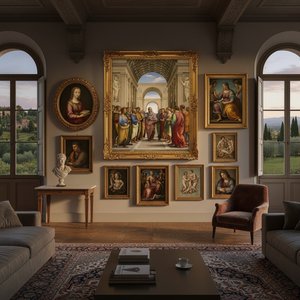
Raphaelove majstrovské diela: Top 25 obrazov pre váš domov | OriginalUniqueArt.sk
Objavte top 25 majstrovských diel Raffaela Sanzia! Pútavé príbehy, renesančné umenie a techniky slávnych obrazov. Reprodukcie pre luxusný interiér na OriginalUniqueArt.sk. Preskúmajte kolekciu online!

The Subdued Palette: Exploring Emotional Resonance & Aesthetic Impact in Muted Artworks
Explore the power of muted colors in art! Discover the history, psychology & techniques behind serene palettes. Find inspiration & expert advice for creating emotionally resonant spaces with OriginalUniqueArt.
Top 10 diel pre pokojnú atmosféru: Umění a dekorácia od OriginalUniqueArt
Ponorte sa do sveta pokoja s top 10 dielami od Monet, Van Gogha a ďalších majstrov. Objavte príbehy za ikonickými obrazmi a inšpirujte sa pre váš domov. Kvalitné reprodukcie na OriginalUniqueArt.com.
The Subdued Resonance: Exploring Emotional Depth & Artistic Nuance within Muted Color Palettes
Explore the captivating world of muted colors in art & design! Discover historical context, psychological effects, techniques, and inspiration for creating serene spaces. Elevate your aesthetic with OriginalUniqueArt.
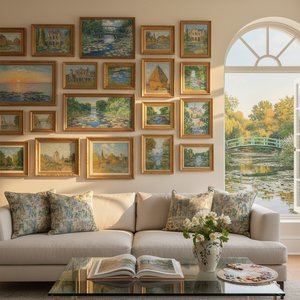
Claude Monet: Top 25 Majstrovských Diel pre Váš Domov | OriginalUniqueArt.sk
Ponorte sa do sveta Claude Moneta s OriginalUniqueArt.sk! Objavte top 25 diel impresionistického majstra – od Vodných ľalií po Západ slnka. Reprodukcie obrazov pre váš domov a inšpirácia pre interiér. Preskúmajte plátna, farebné krajiny a ikonické motívy online.

