

 Zobraziť v interiéri
 Odoslať
 Zdieľať
 Podrobnosti
 Príručka

 Stiahnuť
 Podobné položky
 RTG skúška
 Prehliadanie diapo\]
 Štatistiky
Untitled (154)

 Prečítať si viac
Umelecké dielo zobrazené na tejto stránke je chránené autorským zákonom, čo znamená, že nemôžeme legálne vytvárať ani predávať jeho identickú reprodukciu. Táto ochrana je vymáhaná na základe medzinárodných dohôd, ako napríklad Bernská konvencia a národnými zákonmi, vrátane tých, ktoré sú stanovené v Autorské právo USA – Title 17. Všetky práva vyhradené.
Táto metóda plne dodržiava autorské práva, pretože nezahŕňa kopírovanie ani duplikovanie chráneného diela. Ide skôr o kreatívnu reinterpretáciu – nový obraz, ktorý je ovplybnený originálom, no nie je s ním identický.
Giclée / Umenotlač
Giclée tlač alebo plátno múzeálnej kvality s rýchlou výrobou a rôznymi možnosťami povrchovej úpravy. ( Objednať ručne maľovanú reprodukciu Prepnúť na digitálnu verziu obrazu)




































Vyberte si z našich preddefinovaných rozmerov, ktoré zodpovedajú pôvodným pomeroḿ diela.

Zadajte šírku a výšku, ktoré potrebujete, aby sa reprodukcia hodila k vášmu rámu alebo stene. Print možno len orezávať, nikdy však nemennú veľkosť zvětšiť oproti pôvodnému obrázku, preto pri inom formáte stráca časť obrazu. Pred samotným vytlačiacím procesom vám pošleme digitálny náhľad na schválenie. Obrázok zobrazený na tejto stránke nezobrazuje reálny rez — len digitálny náhľad ukazuje presný výsledok.
Celosvetová doprava () do 2 týždňov namiesto štandardných 4 až 5 týždňov. (23 október)

Bezplatná expresná doprava po celom svete

Vysokokvalitné lnianske plátno

Úplné poistenie prepravy

Záruka vrátenia colného poplatku

Záruka presného farebného zhodnutia

100-dená politika vrátenia tovaru (iba pri vadách)

100% záruka vrátenia peňazí

Ponuka množstevnej zľavy
 Možnosť skla je dostupná len pri rozmeroch pod 110 cm

Untitled (154)
Giclée / Umenotlač
Veľkosť reprodukcie
-


Celková cena
€ 70
Biografia umelca
The Architect of Melancholy
Bernard Buffet (1928–1999) remains one of the most evocative and polarizing figures in twentieth-century French art. Born in Paris during a period of profound global upheaval, his very existence was shaped by the shadows of the Second World War. This early exposure to the fragility of life left an indelible mark on his psyche, manifesting in a style that many critics famously labeled miserabilist. Yet, to reduce his work to mere despair is to overlook the profound technical mastery and the quiet, structural elegance that define his oeuvre. Buffet did not merely paint sadness; he constructed it through a rigorous, almost architectural application of line and form, creating a visual language that spoke to the collective anxieties of a post-war generation.
His formative years were marked by both artistic awakening and personal tragedy. A student at the École Nationale Supérieure des Beaux-Arts, Buffet was deeply influenced by the stark realism of Gustave Courbet, whose presence could be felt in Buffet’s later tributes to the master. However, it was the loss of his mother to cancer in 1945 that perhaps most significantly anchored his artistic preoccupation with mortality and decay. This personal grief found a voice in his early works, where the sharp, angular lines and muted palettes began to coalesce into a signature style—one that captured the skeletal essence of his subjects, whether they were lonely figures or decaying still lifes.
A Lineage of Expressionism
Buffet’s rise to international prominence in the 1950s was nothing short of meteoric. He emerged as a central figure of the L'homme témoin (The Witness Man) movement, a group that embraced the raw, emotional intensity of Expressionism to reflect the disillusionment of the era. His work during this period often featured a hauntingly beautiful tension between order and chaos. Through his meticulous use of fine, nervous lines, he could transform a simple arrangement of flowers or a piece of meat into a meditation on the passage of time. This technique allowed him to bridge the gap between the figurative tradition and a modern, psychological depth that resonated with a public seeking meaning in a fractured world.
The influence of masters like Edvard Munch and Giorgio Morandi is evident in his ability to evoke profound solitude through minimalist compositions. His paintings often possess a rhythmic, almost musical quality, where the starkness of the subject matter is balanced by a sophisticated sense of space. This period of his career saw him achieving a level of fame that drew frequent comparisons to Pablo Picasso, making him a household name and a dominant force in the Parisian art scene. His ability to command both the attention of the avant-garde and the broader public was a rare feat in an era increasingly divided between abstraction and figuration.
Legacy and the Persistence of Vision
Despite his immense success, Buffet’s journey was not without its tribulations. By the late 1950s, shifting artistic tides toward total abstraction and criticisms regarding his prolific output and lavish lifestyle led to a period of professional alienation. The very qualities that had made him a star—his accessibility and his commitment to the figurative—became targets for a changing art establishment. Nevertheless, Buffet’s dedication to his craft never wavered. He continued to produce an astonishing volume of work, including paintings, prints, and sculptures, ensuring that his artistic vision remained a constant, even when the spotlight dimmed.
In recent decades, a profound reassessment of his importance has taken place within the art historical community. Collectors and curators are rediscovering the nuanced complexity of his later works and recognizing the enduring power of his early masterpieces. His significance lies not only in his role as a chronicler of post-war malaise but also in his ability to find a haunting, structural beauty within the themes of loss and decay. Today, Bernard Buffet is remembered as an artist who dared to look directly at the uncomfortable truths of existence, leaving behind a legacy that continues to haunt and inspire the modern imagination.

Bernard Buffet
1928 - 1999 , France
Rýchle fakty
- Full Name: Bernard Buffet
- Nationality: French
- Date Of Birth: 1928
- Date Of Death: 1999
- Place Of Birth: Paris, France
- Notable Artworks:
- Untitled (154)
- Untitled (612)
- Untitled (917)
- Artistic Movement Or Style: Expressionism
- Artists Who Influenced This Artist: ['Eugène Narbonne']
- Artists Or Movements Influenced By This Artist: ['Lhomme témoin']
Súvisiace články

Silent Narratives: Exploring the Enduring Appeal of Still Life Painting Across Centuries
Explore the rich history of still life painting with OriginalUniqueArt. Discover Dutch Masters, decode vanitas symbolism & learn about collecting timeless art. Expert insights and museum-quality reproductions.
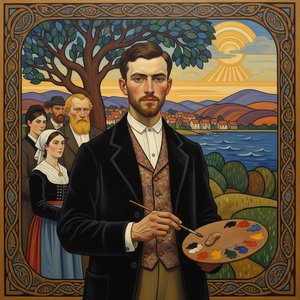
Émile Bernard: Pioneering Synthetism & the Post-Impressionist Quest for Essence
Explore the life & work of Émile Bernard, a pivotal Post-Impressionist pioneer of Synthetism. Discover his influence on Van Gogh & Gauguin and learn about collecting his art with OriginalUniqueArt.
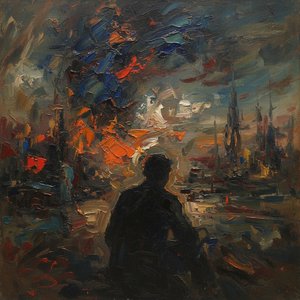
Henry Wolf: A Legacy of Abstract Expressionism & Emotional Resonance in Post-War Art
Explore the profound legacy of Henry Wolf, a pivotal figure in Abstract Expressionism and post-war visual culture. Discover his impact on graphic design, photography, and art collecting with OriginalUniqueArt.
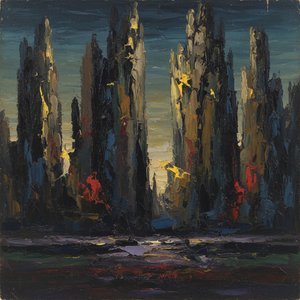
Clyfford Still's Abstract Expressionism: A Study of Color, Form & the Existential Landscape
Explore the profound world of Clyfford Still's Abstract Expressionism with OriginalUniqueArt. Discover his unique style, existential themes & investment potential. Expert analysis for discerning collectors.

Echoes of Trauma & Hope: Representing Transformation in Artworks of 1918
Explore the profound artistic responses to World War I's trauma & hope. Discover Expressionist masterpieces by Bacon, de Kooning & more. Expert insights for collectors & art enthusiasts at OriginalUniqueArt.