

 Zobraziť v interiéri
 Odoslať
 Zdieľať
 Podrobnosti
 Príručka

 Stiahnuť
 Podobné položky
 RTG skúška
 Prehliadanie diapo\]
 Štatistiky
Perseus (13)


 Prečítať si viac
Giclée / Umenotlač
Giclée tlač alebo plátno múzeálnej kvality s rýchlou výrobou a rôznymi možnosťami povrchovej úpravy. ( Objednať ručne maľovanú reprodukciu Prepnúť na digitálnu verziu obrazu)




P118B €10

P118H €10

P118W €10

P438Z €10

P508JH €12

P508YH €12

P805H €10

P805Z €10

P919BZ €10

P919G €10

P919XJ €10

P959ZH €10

P968JZ €12

W106C €8

W218G €10

W218JH €8

W218Y €10

W307PJ €10

W316G €10

W316PJ €8

W316Y €10

W398PJ €8

W4111J €10

W500HY €15

W500JH €15

W692G €12

W849H €8

W940BG €15

W953PJ €8




Vyberte si z našich preddefinovaných rozmerov, ktoré zodpovedajú pôvodným pomeroḿ diela.

Zadajte šírku a výšku, ktoré potrebujete, aby sa reprodukcia hodila k vášmu rámu alebo stene. Print možno len orezávať, nikdy však nemennú veľkosť zvětšiť oproti pôvodnému obrázku, preto pri inom formáte stráca časť obrazu. Pred samotným vytlačiacím procesom vám pošleme digitálny náhľad na schválenie. Obrázok zobrazený na tejto stránke nezobrazuje reálny rez — len digitálny náhľad ukazuje presný výsledok.
Celosvetová doprava () do 2 týždňov namiesto štandardných 4 až 5 týždňov. (27 október)

Bezplatná expresná doprava po celom svete

Vysokokvalitné lnianske plátno

Úplné poistenie prepravy

Záruka vrátenia colného poplatku

Záruka presného farebného zhodnutia

100-dená politika vrátenia tovaru (iba pri vadách)

100% záruka vrátenia peňazí

Ponuka množstevnej zľavy
 Možnosť skla je dostupná len pri rozmeroch pod 110 cm

Perseus (13)
Giclée / Umenotlač
Veľkosť reprodukcie
-


Celková cena
€ 70
Benvenuto Cellini’s “Perseus with the Head of Medusa”: A Masterpiece of Mannerist Drama
Benvenuto Cellini's bronze sculpture of Perseus with the Head of Medusa, completed around 1545-1554 for Duke Cosimo I de’ Medici in Florence, is far more than a mere depiction of a mythological hero. It’s a profound statement on skill, ambition, and the very nature of artistic creation—a testament to Cellini's extraordinary talent and his audacious embrace of the Mannerist style. Standing nearly four feet tall, this imposing figure commands attention not just for its scale but for the sheer dynamism and emotional intensity it conveys. The sculpture isn’t simply a narrative illustration; it’s an embodiment of triumph over terror, a celebration of human ingenuity, and a subtle commentary on the artist's own journey to mastery.
The story behind the piece is intrinsically linked to Cellini’s tumultuous life. He had spent years working in the service of King Francis I of France, honing his skills in the opulent courts of Paris. Returning to Florence, he sought patronage from Duke Cosimo, a powerful and discerning collector who recognized Cellini's genius. The commission for “Perseus” was a deliberate challenge—a chance for Cellini to demonstrate not only his technical prowess but also his ability to infuse a classical narrative with deeply personal expression. The sculpture’s creation coincided with a period of intense political intrigue in Florence, and the work itself can be interpreted as a metaphor for Cellini's own struggles against adversity and his relentless pursuit of artistic recognition.
A Study in Mannerist Drama: Form and Emotion
Cellini’s “Perseus” is a quintessential example of Mannerism—a style characterized by elongated forms, exaggerated poses, dramatic lighting, and an intense focus on emotional expression. Unlike the idealized beauty favored during the High Renaissance, Cellini deliberately departs from classical proportions, creating a figure that is both powerfully muscular and subtly unsettling. Perseus’s stance is not one of heroic repose; he's caught in a moment of decisive action, his body coiled with tension as he raises the severed Medusa’s head aloft. The sculpture isn’t about capturing a static image but rather conveying the *feeling* of victory—the raw energy and almost violent exertion required to overcome such a formidable foe.
The artist's masterful use of bronze allows for incredible detail, from the intricate folds of Perseus’s armor to the glistening sheen of his helmet. The texture is remarkably realistic, lending weight and physicality to the figure. Notice particularly the expressive details on Medusa’s face—her eyes wide with terror, her mouth frozen in a silent scream. Cellini doesn't shy away from depicting the horror of the scene; he forces the viewer to confront the monstrous nature of his adversary. The dramatic lighting, achieved through careful manipulation of the bronze surface, further enhances the sculpture’s emotional impact, casting deep shadows that accentuate the figure’s musculature and heighten the sense of drama.
Symbolism and Interpretation: Beyond Myth
While rooted in Greek mythology, “Perseus” is rich with symbolic meaning. The severed head of Medusa represents not just a vanquished monster but also the triumph over fear and darkness. The winged helmet, bestowed upon Perseus by Athena, symbolizes divine guidance and protection—a reminder that even the most daunting challenges can be overcome with wisdom and courage. The act of holding the head aloft is particularly significant; it’s a gesture of both victory and vulnerability—a recognition that even the greatest hero must confront the consequences of his actions.
Furthermore, the sculpture can be interpreted as an allegory for Cellini's own artistic journey. He was known for his self-aggrandizing autobiography, in which he frequently emphasized his own exceptional talent and skill. “Perseus” is a visual manifestation of this ego—a declaration of mastery achieved through relentless dedication and unwavering ambition. The sculpture’s placement within the Loggia dei Lanzi in Florence served as a deliberate statement of pride, showcasing Cellini's work to the public and asserting his position among the city's leading artists.
A Legacy of Dramatic Power
Benvenuto Cellini’s “Perseus with the Head of Medusa” remains one of the most compelling and emotionally resonant sculptures of the Renaissance. Its dramatic composition, masterful technique, and profound symbolism continue to captivate viewers centuries after its creation. Reproductions capture a fraction of the original's power, but the sculpture’s ability to evoke a visceral response—a sense of awe, terror, and ultimately, admiration—is unparalleled. It stands as a testament to Cellini’s genius and a powerful reminder of the enduring allure of classical mythology.
Otázky a odpovede
Je pre "Perseus (13)" k dispozícii stiahnutie?
Obraz diela „Perseus (13)“ od Benvenuto Cellini si môžete stiahnuť na stránke s možnosťou stiahnutia pre dané dielo: Stiahnuť: stiahnutie digitálneho obrázka vo vysokom rozlíšení.
Akým mierou sú farby diela „Perseus (13)“ od Benvenuto Cellini harmonické?
„Perseus (13)“ od Benvenuto Cellini predstavuje Strong Color Unity farebnú harmóniu.
Do ktorej fázy kariéry Benvenuto Cellini spadá dielo „Perseus (13)“, vzhľadom na jeho dátum vytvorenia?
"Perseus (13)", vytvorené v roku 1540, patrí do obdobia Mannerist Style v tvorbe umelca Benvenuto Cellini.
Biografia umelca
Benvenuto Cellini: Zlatokop, sochár a hlas renesancie
Benvenuto Cellini, narodený vo Florencii v roku 1500 a zomretý tam v roku 1571, bol viac než len umelec; bol to živúci obraz talianskej renesancie. Jeho meno sa spája so zlatníctvom, sochárstvom, kresbou, ale aj s vojenským umením, hudbou a literatúrou – polymath v pravom slova zmysle. Celliniho život bol búrlivý a plný dobrodružstiev, ktoré odráža jeho osobnosť: sebavedomá, talentovaná a neustále hľadajúca uznanie. Jeho autobiografia, monumentálne dielo samo o sebe, nám ponúka jedinečný pohľad do sveta renesančného umelca a spoločnosti.
Od hudby k zlatu: Formovanie majstra
Celliniho rodina bola zasvätená hudbe – jeho otec bol muzikant a výrobca nástrojov. Mladý Benvenuto spočiatku prejavoval talent aj v tejto oblasti, no už ako pätnásťročný sa rozhodol venovať zlatníctvu. Jeho vášeň presvedčila otca, aby ho dal učiť slávnemu zlatníkovi Antoniovi di Sandrovi (Marconemu). Táto etapa bola pre neho dôležitá, ale aj plná nástrah – v šestnástich rokoch sa zaplietol do potyčky a bol vyhnaný z Florencie. Následne pracoval v Sieni pod vedením zlatníka Fracastora, kde si ďalej zdokonaľoval svoje remeslo. Tieto prvé roky formovali jeho osobnosť a umenie – učil sa rýchlo, bol odvážny a neustále hľadal nové výzvy.
Šperky, sochy a slávna soľnička: Celliniho majstrovské diela
Celliniho tvorba je rozsiahla a pestrá. Jeho zlatnícke práce sú oslavované pre svoju detailnosť, zručnosť a dynamiku. Medzi jeho najznámejšie diela patrí bezpochyby soľnička kráľa Francisca I. z Francúzska, ktorá sa nachádza v Kunsthistorisches Museum vo Viedni. Toto majstrovské dielo je ukážkou Celliniho schopnosti premeniť obyčajnú funkciu na umelecké minimum – strieborný povrch zdobia figúrky a scény plné pohybu a života. Jeho bronzová socha Perzeusa s hlavou Medúzy, umiestnená vo Florencii, je ďalším dôkazom jeho majstrovstva v sochárstve. Socha zachytáva triumf hrdinu nad obludou s neuveriteľnou silou a dynamikou. Celliniho medaily, ako napríklad zlatá medaila Ledy a labute pre Gonfaloniera Gabriello Cesarina, sú zase dokonalým zhmotnením jeho schopnosti spájať klasickú mytológiu s výtvarným umením.
Životopisca a vojenský dobrodruh: Cellini mimo ateliéru
Celliniho život nebol len o umeleckej tvorbe. Bol to aj odvážny vojak, ktorý sa zúčastnil viacerých obliehaní a tvrdo bojoval za Rím proti cisárskym silám. Bol tiež hudobník – hral na cornett a flautu pri pápežskom dvore. No najväčší vplyv na jeho povesť mal jeho autobiografia, Život Benvenuta Celliniho. Toto dielo je nielen záznamom jeho života, ale aj fascinujúci portrét renesančnej spoločnosti a kultúry. Je to priamočiarna, často chvastavá, ale vždy pútavá história plná príbehov o patrónoch, rivaloch a osobných dobrodružstvách. Hoci je potrebné vnímať ju s určitou dávkou kritiky – Cellini bol známy svojou sebaprezentáciou – zostáva neoceniteľným zdrojom informácií o živote umelca v 16. storočí.
Celliniho odkaz: Symbol renesančného ideálu
Benvenuto Cellini zomrel vo Florencii v roku 1571 a zanechal po sebe bohaté umelecké dedičstvo. Jeho diela sú vystavené v najvýznamnejších múzeách sveta a jeho autobiografia je študovaná ako literárne majstrovské dielo. Celliniho tvorivosť, technická zručnosť a osobnosť ho radia medzi najdôležitejších umelcov manierizmu. Jeho život a diela sú symbolom renesančného ideálu – polymatha, ktorý sa vyznačuje talentom v mnohých oblastiach, ambíciou a odhodlaním vyjadriť svoju individualitu. Cellini je viac než len umelec; je to hlas renesancie, ktorý nám hovorí o kráse, sile a slobody umelca.

Benvenuto Cellini
1500 - 1571 , Taliansko
Rýchle fakty
- Celé Meno: Benvenuto Cellini
- Dátum Narodenia: 1. november 1500
- Dátum Úmrtia: 13. február 1571
- Miesto Narodenia: Florencia, Taliansko
- Národnosť: Talian
- Ovplyvnení Umelci: ['Michelangelo']
- Umelecký Štýl: Manierizmus
- Významné Diela:
- Soľnička Františka I.
- Perzeus s hlavou Medúzy
- Zlatá medaila Leda a Labute
Súvisiace články

Top 10 Bronzových Sôch, ktoré Zmenili Umenie Navždy | OriginalUniqueArt
Objavte top 10 legendárnych bronzových sôch, ktoré zmenili umenie! Michelangelo, Rodin a ďalší majstri. História, techniky a nadčasová krása pre váš interiér. Reprodukcie múzejnej kvality na OriginalUniqueArt.com

Top 10 Bronzových Majstrovských Diel, ktoré Zmenili Umění Navždy | OriginalUniqueArt
Objavte top 10 legendárnych bronzových majstrovských diel, ktoré zmenili umenie navždy! Rodin, Michelangelo a ďalší. Prežite príbehy slávnych sôch a nájdite inšpiráciu pre váš interiér na OriginalUniqueArt.com.
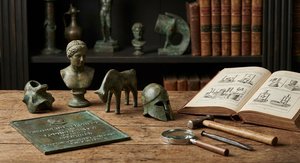
The Enduring Legacy of Bronze: History, Technique & Artistic Expression for the Collector
Explore the rich history & enduring appeal of bronze sculpture with expert insights for collectors at OriginalUniqueArt. Learn about casting techniques, iconic artists, and collecting tips.

The Enduring Legacy of Bronze: A Historical & Artistic Exploration for the Collector
Explore the rich history & enduring appeal of bronze sculpture with expert insights for collectors at OriginalUniqueArt. Learn about casting techniques, iconic artists, collecting tips & contemporary interpretations.

The Enduring Legacy of Bronze Sculpture: A Collector's Guide to Form & Cultural Significance
Explore the rich history & enduring appeal of bronze sculpture with expert insights for collectors at OriginalUniqueArt. Learn about casting techniques, iconic artists, and collecting tips to build a discerning art collection.
