Zobraziť v interiéri
 Odoslať
 Zdieľať
 Podrobnosti
 Príručka

 Stiahnuť
 Podobné položky
 RTG skúška
 Prehliadanie diapo\]
 Štatistiky
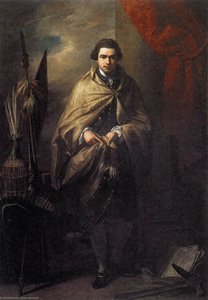
Self-Portrait


 Prečítať si viac
Giclée / Umenotlač
Giclée tlač alebo plátno múzeálnej kvality s rýchlou výrobou a rôznymi možnosťami povrchovej úpravy. ( Objednať ručne maľovanú reprodukciu Prepnúť na digitálnu verziu obrazu)




P118B €10

P118H €10

P118W €10

P438Z €10

P508JH €12

P508YH €12

P805H €10

P805Z €10

P919BZ €10

P919G €10

P919XJ €10

P959ZH €10

P968JZ €12

W106C €8

W218G €10

W218JH €8

W218Y €10

W307PJ €10

W316G €10

W316PJ €8

W316Y €10

W398PJ €8

W4111J €10

W500HY €15

W500JH €15

W692G €12

W849H €8

W940BG €15

W953PJ €8




Vyberte si z našich preddefinovaných rozmerov, ktoré zodpovedajú pôvodným pomeroḿ diela.

Zadajte šírku a výšku, ktoré potrebujete, aby sa reprodukcia hodila k vášmu rámu alebo stene. Print možno len orezávať, nikdy však nemennú veľkosť zvětšiť oproti pôvodnému obrázku, preto pri inom formáte stráca časť obrazu. Pred samotným vytlačiacím procesom vám pošleme digitálny náhľad na schválenie. Obrázok zobrazený na tejto stránke nezobrazuje reálny rez — len digitálny náhľad ukazuje presný výsledok.
Celosvetová doprava () do 2 týždňov namiesto štandardných 4 až 5 týždňov. (21 október)

Bezplatná expresná doprava po celom svete

Vysokokvalitné lnianske plátno

Úplné poistenie prepravy

Záruka vrátenia colného poplatku

Záruka presného farebného zhodnutia

100-dená politika vrátenia tovaru (iba pri vadách)

100% záruka vrátenia peňazí

Ponuka množstevnej zľavy
 Možnosť skla je dostupná len pri rozmeroch pod 110 cm

Self-Portrait
Giclée / Umenotlač
Veľkosť reprodukcie
-


Celková cena
€ 70
A Portrait of Reflection: Benjamin West's Self-Portrait
- The Weight of History
- Neo-Classical Dignity
- Technique and Texture
- Symbolism of the Self
Neo-Classical Dignity: Style and Form
West’s approach firmly aligns with the tenets of Neoclassicism, a movement that sought to revive the artistic principles of ancient Greece and Rome. This is evident in every aspect of the composition – the formal arrangement of the figure, the emphasis on idealized beauty, and the restrained palette. The subject's pose, reminiscent of classical sculptures, conveys an air of dignified composure and intellectual seriousness. His attire—a dark coat with a high collar and a crisp white cravat—is characteristic of late 18th-century fashion, subtly signaling his status as a respected artist within Philadelphia society. The careful attention to detail in the rendering of his clothing – the subtle folds, the texture of the fabric – speaks to West’s commitment to realism, a key element of the Neoclassical style. The dark background serves not as a distraction but rather as a deliberate device, intensifying the focus on the figure and reinforcing the sense of solemnity.Technique and Texture: A Master's Hand
West’s technical skill is immediately apparent in the meticulous rendering of facial features and textures. He employs a glazing technique – applying thin layers of translucent paint over dried underlayers – to achieve remarkable depth and luminosity. The subtle play of light and shadow across his face draws attention to his expressive eyes, conveying a sense of self-assuredness and intellectual curiosity. The brushwork is controlled yet confident, demonstrating West’s mastery of oil paints. Note the delicate rendering of the hair, powdered and meticulously styled, a hallmark of the period's fashion. The texture of the fabric – the heavy wool of the coat, the smooth silk of the cravat – is rendered with remarkable accuracy, adding to the painting’s overall sense of realism and tactile quality. This level of detail was not merely decorative; it served to elevate the portrait beyond a simple likeness, transforming it into a symbol of West's artistic prowess and dedication.Symbolism of the Self: Identity and Ambition
The act of self-portraiture itself held significant symbolic weight in the 18th century. It was a demonstration of an artist’s skill, a declaration of their identity, and often, a meditation on mortality. In West's case, this particular self-portrait is particularly revealing. Painted just as he was establishing himself as a leading portraitist, it represents not only his artistic abilities but also his ambition to achieve recognition within the European art world. The serious expression on his face suggests a man deeply engaged with his craft and aware of its potential impact. The gaze directly at the viewer creates an intimate connection, inviting us into his thoughts and reflecting upon our own relationship with art and self-representation. This portrait is a testament to West’s confidence and determination – qualities that would ultimately define his remarkable career.Otázky a odpovede
Zobrazuje "Self-Portrait" silné svetlo-tmavé kontrasty?
„Self-Portrait“ od Benjamin West predstavuje Gentle kontrast medzi svetlými a tmavými časťami diela.
Akú paletu a aký pocit spája dielo "Self-Portrait"?
Earthy paleta diela „Self-Portrait“ od Benjamin West sa harmonicky spája s jeho Reflective emocionálnym tónom. Farba je jedným zo spôsobov, akými dielo vyjadruje emócie.
Aké je pres слаva diela „Self-Portrait“ od Benjamin West?
„Self-Portrait“ je klasifikované ako Recognized.
Biografia umelca
A Pioneer Bridging Worlds: The Life and Legacy of Benjamin West
Benjamin West, meno známy ako Benjamin West Clinedinst, bol americký maliar, ktorý sa stal významnou figúrou v transatlantickom uměleckém svete. Jeho život a dielo sú príbehom o nekonvenčnej vzdelanosti, nezlomnej ambícii a schopnosti spájať aristokratické okruh a revolučné ideály. Narodil sa v roku 1738 v malom prostredí koloniálneho Pensylvanského Springfieldu, kde jeho otec vlastnil pivovar. Už od útleho veku prejavil záujem o umenie – údajne sa učil základným technikám od indiánskych obyvateľov pred tým, ako dostal akékoľvek formálne vzdelanie. Tento nekonvenčný začiatok vložil doňho ducha inovácie, ktorý charakterizoval celý jeho životný príbeh. Rýchlo si upevnil postoj ako žiadaný portrétista v Philadelphii a New Yorku, no túžba po hlbšom umeleckom poznaní ho viedla k pobytu v Európe v roku 1760, kde sa začal prechádzať cestou, ktorá zásadne zmenila smer amerického umenia.From Italy to London: Forging a Path to Recognition
Westov prílet do Talianska bol prelomový okamih. Ponorený do umeleckého srdca Európy, študoval majstrovské diela – Titiana, Rafaela – a spájal sa s súčasnými neoklasicistickými mysliteľmi ako Anton Rafael Mengs a Angelica Kauffman. Táto éra bola kľúčová pre formovanie jeho umeleckých vkusov, vložila doňho obdiv pre klasickú formu a historický príbeh. Avšak Londýn sa stal jeho adoptovaným domovom a umeleckým centrom. Jeho príchod v roku 1763 ho rýchlo posadil na postavenie v britskom uměleckom svete, pričom zaujal divákov svojimi ambicióznymi plátnymi a zabezpečil si podujatie od kráľa Georgea III. Toto kráľovské uznanie neprinieslo len finančnú stabilitu, ale aj upevnil jeho postoj ako vedúceho predstaviteľa v establishmente. Dôležitým okamihom bol jeho zvolenie do Kráľovskej akadémie v roku 1769, inštitúcie, ktorú neskôr riadil ako prezident až do svojej smrti. Jeho vplyv sa nezaoberal len jeho vlastným uměleckým dielom; West stal sa propagátorom amerických umelcov, ktorí hľadali vzdelanie v Európe, ponúkol vedenie a podporu generáciám nadšiacich maliarov ako Allston, Copley a Morse.Revolutionizing Historical Painting: Technique and Controversy
Westov dopad na umelecký svet nebol len o dosiahnutí technickej maštre, ale aj o zpochybňovaní konvencií. Odvážil sa preformulovať historické plátno, odmietol striktné dodržiavanie klasického precedensu a prijal si viac modernú citlivosť. The Death of General Wolfe (1770), pravdepodobne jeho najznámejší diel, ilustruje túto revolučnú prístup. Tým, že zobrazoval padnutého generála obkročeného postavami v *modernom* vojenskom oblečení namiesto tradičného rímskeho odevu, West vyvolal značné debaty. Kritici spochybňovali historickú presnosť, ale diváci boli očarený okamžitou a emocionálnou rezonanciou scény. Tento odvážny krok signalizoval posun k väčšej realite a mocnejšiemu príbehu v histórickom plátne, čo ovplyvnilo mnohých nasledovníkov. Jeho štýl sa časom vyvíjal, pričom do svojich neskorších diel začlenil prvky romantizmu, no vždy si zachoval záväzok k ambicióznej kompozícii a detailnému prevedeniu. Iné významné diela ako Thetis Bringing the Armor to Achilles, The Three Sisters, The Fright of Astyanax a The Cave of Despair demonštrujú jeho všestrannosť a maštre v rôznych mytologických a historických témach.A Lasting Legacy: Shaping Artistic Identity
Benjamin Westova dedičnosť presahuje samotné plátna, na ktorých pracoval. Zmenil krajinu amerického umenia tým, že upevnil histórií plátno ako životaschopný žánr pre amerických umelcov a podnietil pocit národnej umeleckej identity. Jeho funkcia prezidenta Kráľovskej akadémie posilnila jeho vplyv na britské umenie, podporoval inovácie a poskytoval priestor pre mladých talentovaných umelcov.- Zavidel si prístup k historickému zobrazovaniu, ktorý bol viac dostupný a emocionálne rezonančný.
- Jeho štúdio sa stal útočiskom pre amerických umelcov, ktorí hľadali vzdelanie v Európe.
- Spojil neoklasicistké ideály s rozvíhajúcim sa romantizmom.

Benjamin West
1738 - 1820 , Spojené štáty americké
Rýchle fakty
- Artistic Movement Or Style: Neoklasicizmus, Romantizmus
- Artists Or Movements Influenced By This Artist:
- Allston
- Copley
- Morse
- Artists Who Influenced This Artist:
- Titian
- Rafael
- Mengs
- Hamilton
- Kauffman
- Date Of Birth: 1738-10-10
- Date Of Death: 1820-03-11
- Full Name: Benjamin West
- Nationality: Amerikanec
- Notable Artworks:
- Smrť generála Wolfe
- Thetis prináša brnenie Achilleovi
- Tri sestry
- Strach Astyanaxa
- Place Of Birth: Springfield, USA
Súvisiace články
Top 10 slávnych obrazov v odtieňoch hľuzoviek: Umění pre váš domov s OriginalUniqueArt
Ponorte sa do sveta 10 slávnych obrazov v odtieňoch hľuzoviek! Objavte príbehy Van Gogha, Moneta a ďalších majstrov. Reprodukcie pre váš domov s OriginalUniqueArt – umenie online.

Benjamin West: Transatlantic Ambition & Shaping American Art
Explore the life & legacy of Benjamin West, pioneering American artist and Royal Academy president. Discover his Neoclassical masterpieces, transatlantic influence, and lasting impact on art history. Learn more at OriginalUniqueArt.
Top 10 slávnych obrazov v odtieňoch piesku: Krása a história umenia pre váš domov
Objavte top 10 slávnych obrazov v nádherných pieskových odtieňoch! Prežite príbehy Van Gogha, Moneta a ďalších majstrov. Reprodukcie obrazov pre váš domov na OriginalUniqueArt.com – umenie s kvalitou múzeí.
Top 10 slávnych obrazov v odtieňoch hliny: Umění pre váš domov s OriginalUniqueArt
Objavte top 10 slávnych obrazov v odtieňoch hliny! Prežite príbehy Van Gogha, Picassa a ďalších majstrov. Reprodukcie pre váš domov s OriginalUniqueArt – umenie, ktoré vás inšpiruje. Preskúmajte celú kolekciu online!

Top 10 slávnych obrazov s dominantnou čiernou farbou | OriginalUniqueArt.sk
Objavte top 10 slávnych obrazov s dominantnou čiernou farbou od Rembrandta, Goya a ďalších majstrov. Prežite príbehy umenia, techniky a nadčasovej krásy. Reprodukcie obrazov pre váš interiér na OriginalUniqueArt.sk – múzejná kvalita!