

 Zobraziť v interiéri
 Odoslať
 Zdieľať
 Podrobnosti
 Príručka

 Stiahnuť
 Podobné položky
 RTG skúška
 Prehliadanie diapo\]
 Štatistiky
Turning Form


 Prečítať si viac
Umelecké dielo zobrazené na tejto stránke je chránené autorským zákonom, čo znamená, že nemôžeme legálne vytvárať ani predávať jeho identickú reprodukciu. Táto ochrana je vymáhaná na základe medzinárodných dohôd, ako napríklad Bernská konvencia a národnými zákonmi, vrátane tých, ktoré sú stanovené v Autorské právo USA – Title 17. Všetky práva vyhradené.
Táto metóda plne dodržiava autorské práva, pretože nezahŕňa kopírovanie ani duplikovanie chráneného diela. Ide skôr o kreatívnu reinterpretáciu – nový obraz, ktorý je ovplybnený originálom, no nie je s ním identický.
Giclée / Umenotlač
Giclée tlač alebo plátno múzeálnej kvality s rýchlou výrobou a rôznymi možnosťami povrchovej úpravy. ( Objednať ručne maľovanú reprodukciu Prepnúť na digitálnu verziu obrazu)




P118B €10

P118H €10

P118W €10

P438Z €10

P508JH €12

P508YH €12

P805H €10

P805Z €10

P919BZ €10

P919G €10

P919XJ €10

P959ZH €10

P968JZ €12

W106C €8

W218G €10

W218JH €8

W218Y €10

W307PJ €10

W316G €10

W316PJ €8

W316Y €10

W398PJ €8

W4111J €10

W500HY €15

W500JH €15

W692G €12

W849H €8

W940BG €15

W953PJ €8




Vyberte si z našich preddefinovaných rozmerov, ktoré zodpovedajú pôvodným pomeroḿ diela.

Zadajte šírku a výšku, ktoré potrebujete, aby sa reprodukcia hodila k vášmu rámu alebo stene. Print možno len orezávať, nikdy však nemennú veľkosť zvětšiť oproti pôvodnému obrázku, preto pri inom formáte stráca časť obrazu. Pred samotným vytlačiacím procesom vám pošleme digitálny náhľad na schválenie. Obrázok zobrazený na tejto stránke nezobrazuje reálny rez — len digitálny náhľad ukazuje presný výsledok.
Celosvetová doprava () do 2 týždňov namiesto štandardných 4 až 5 týždňov. (23 október)

Bezplatná expresná doprava po celom svete

Vysokokvalitné lnianske plátno

Úplné poistenie prepravy

Záruka vrátenia colného poplatku

Záruka presného farebného zhodnutia

100-dená politika vrátenia tovaru (iba pri vadách)

100% záruka vrátenia peňazí

Ponuka množstevnej zľavy
 Možnosť skla je dostupná len pri rozmeroch pod 110 cm

Turning Form
Giclée / Umenotlač
Veľkosť reprodukcie
-


Celková cena
€ 70
Turning Form: A Meditation on Geometry and Emotion
Barbara Hepworth’s *Turning Form*, created in 1946 during her formative years in St Ives, represents more than just a sculptural exploration of geometric principles; it embodies a profound engagement with the natural world and a deeply felt response to its rhythms. This piece, housed within The Hepworth Wakefield's permanent collection, exemplifies Hepworth’s signature style – characterized by monumental forms that simultaneously convey stability and dynamism—a duality that speaks directly to the artist’s core aesthetic vision. The sculpture itself is composed of three interlocking discs of polished bronze, positioned vertically on a pedestal. These discs are not merely aesthetically pleasing; they embody Hepworth's fascination with the interplay between solid mass and negative space – concepts central to her broader artistic philosophy. The surface finish—a meticulously achieved patina—highlights the material’s inherent qualities while simultaneously obscuring its underlying structure, mirroring the way in which Hepworth sought to capture the essence of natural forms through abstraction. This technique reflects a deliberate rejection of representational art, prioritizing instead the conveyance of feeling and intuition. Hepworth's artistic journey began in Wakefield, Yorkshire, where she absorbed influences from the surrounding landscape—particularly the undulating hills and coastal winds—which would become recurring motifs in her oeuvre. The influence of Surrealism is palpable here, albeit subtly integrated into Hepworth’s rigorously geometric approach. Like many artists of her time, Hepworth wrestled with questions of form and function, striving to express complex ideas through simplified visual language. The discs themselves can be interpreted as symbols of interconnectedness—representing the harmonious balance between opposing forces—a theme that resonates throughout Hepworth's artistic output. The sculpture’s impact transcends mere visual beauty; it invites contemplation about the relationship between human perception and natural reality. Viewing *Turning Form* evokes a sense of stillness punctuated by subtle movement—a reflection of Hepworth’s belief that art should engage both intellect and emotion. It stands as a testament to Hepworth's unwavering commitment to exploring the expressive potential of abstraction, cementing her place as one of Britain’s most influential sculptors of the 20th century.- Material: Bronze
- Dimensions: Approximately 183 cm (height)
- Location: The Hepworth Wakefield
Otázky a odpovede
V ktorom múzeu sa nachádza originál diela „Turning Form"]?
Originál diela „Turning Form“ si môžete pozrieť v múzeu The Hepworth Wakefield, Wakefield, United Kingdom.
Aký je formát diela „Turning Form"]?
„Turning Form“ od Barbara Hepworthová má formát Portrétny formát. Formát určuje pomer strán kompozície.
Aká technika bola použitá pre „Turning Form“ od Barbara Hepworthová?
Technikou diela „Turning Form“ od Barbara Hepworthová je Akryl na plátne. Reprodukcie majú za cieľ verné odovzdanie vzhľadu tejto techniky.
Biografia umelca
Barbara Hepworth: Pioneer of Organic Abstraction
Barbara Hepworth (1903–1975) stands as one of the most influential figures in British sculpture of the 20th century, a sculptor whose uncompromising vision reshaped artistic conventions and cemented her place among the vanguard of modernist art. Born Jocelyn Barbara Hepworth in Wakefield, Yorkshire, she possessed an innate fascination for form and texture from childhood—a passion that would propel her to become a celebrated artist who defied traditional representational approaches.- Early Life and Education: Hepworth’s formative years were marked by a profound connection to the Yorkshire landscape. Her father, Herbert Hepworth, was a civil engineer for the West Riding County Council, fostering in her a keen appreciation for geometric precision alongside an early sensitivity to natural forms. She attended Wakefield Girls' High School where she excelled academically and musically—receiving music prizes at the age of twelve—and subsequently secured a prestigious scholarship to Leeds School of Art in 1920. It was there that she encountered Henry Moore, forging a lifelong friendship characterized by mutual respect and artistic rivalry.
- Royal College of Art Years: In 1921 Hepworth enrolled at the Royal College of Art in London, where she honed her sculptural skills under the tutelage of Lucie Rie and Edgar Chadwick. Her studies focused on exploring abstraction, influenced by movements like Surrealism and Cubism—particularly the pioneering work of Picasso and Braque—and establishing herself as a key contributor to the burgeoning British avant-garde.
- Marriage and Early Career: Hepworth married John Skeaping in 1925, forming a collaborative partnership that would shape her artistic trajectory. Together they embraced “direct carving”—a technique prioritizing tactile engagement with raw materials—and championed the exploration of geometric forms devoid of illusionistic representation. Their shared studio at Hampstead became a crucible for experimentation and innovation, fostering connections with fellow artists like Ben Nicholson and William Moore.
- Collaboration with Ben Nicholson: Hepworth’s relationship with Ben Nicholson blossomed in 1931, resulting in a marriage that lasted until 1933. Their partnership was marked by intellectual exchange and artistic synergy—particularly during the Second World War when they relocated to St Ives, Cornwall—where Hepworth continued to develop her distinctive sculptural style.
- Mature Style and Legacy: Hepworth’s mature oeuvre is defined by a masterful manipulation of form and space, reflecting her deep engagement with the natural world. She favored materials like bronze, alabaster, slate and stone—often employing techniques that emphasized textural contrasts and subtle shifts in perspective. Her sculptures—such as *Oval Form*, *Two Forms* and *Totem*—are celebrated for their elegance, simplicity and profound emotional resonance. Hepworth’s work profoundly impacted subsequent generations of sculptors and cemented her reputation as a visionary artist who championed the expressive potential of abstraction.
Notable Works and Exhibitions
Hepworth's artistic journey culminated in numerous prestigious commissions and exhibitions that solidified her position as one of Britain’s foremost sculptors. Her monumental sculpture *Winged Figure*, commissioned by John Lewis for their Oxford Street flagship store, stands as a testament to her ambition and technical prowess—a striking example of organic abstraction achieved on an unprecedented scale. Furthermore, Hepworth's sculptures are prominently featured in collections worldwide, including the Tate Modern in London and the Guggenheim Museum Bilbao. Her enduring influence continues to inspire artists today.Influence and Artistic Philosophy
Hepworth’s artistic philosophy centered around a belief that sculpture should communicate emotion and experience—rather than merely replicating visual reality. She drew inspiration from both Eastern and Western art traditions, particularly Japanese Zen Buddhism—which emphasized contemplation and the pursuit of inner harmony—and the pioneering work of Piet Mondrian—who championed geometric abstraction as a pathway to spiritual enlightenment.The Hepworth Wakefield
Today, The Hepworth Wakefield houses an impressive collection of Hepworth’s sculptures—a vibrant celebration of her artistic legacy. Visitors can immerse themselves in the artist's groundbreaking explorations of form and texture, gaining insight into the creative process that shaped her iconic masterpieces.
Barbara Hepworthová
1903 - 1975 , Spojené kráľovskosti
Rýchle fakty
- Artistic Movement Or Style: Modernizmus
- Artists Or Movements Influenced By This Artist: ['Unit One']
- Artists Who Influenced This Artist: ['Henry Moore']
- Date Of Birth: 10 január 1903
- Full Name: Jocelyn Barbara Hepworth
- Nationality: Anglická
- Notable Artworks:
- Oval Form
- Two Forms
- Totem
- Place Of Birth: Wakefield, Veľké Uhrádza
Súvisiace články
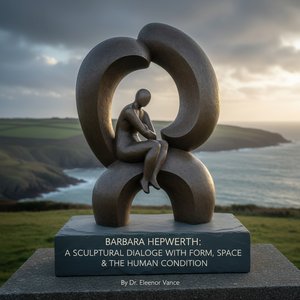
Barbara Hepworth: A Sculptural Dialogue with Form, Space & the Human Condition
Explore the profound world of Barbara Hepworth's sculpture. Discover her artistic evolution, iconic forms, and lasting influence on modern art. A guide for collectors & enthusiasts.

Wassily Kandinsky: Top 25 diel pre milovníkov umenia a dokonalý dizajn interiéru
Ponorte sa do sveta Wassilyho Kandinského s OriginalUniqueArt.com! Objavte top 25 diel abstraktného umenia, expresionizmu a farebných kompozícií. Kúpiť reprodukcie obrazov pre dokonalý dizajn interiéru. Explore the full collection online.
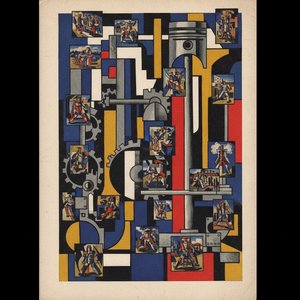
Fernand Léger: Top 25 diel pre milovníkov moderného umenia a dizajnu interiéru
Objavte top 25 diel Fernand Légera – priekopníka kubizmu a tubizmu. Prežite príbeh za ikonickými obrazmi, farebnou kompozíciou a strojovým vekom. Reprodukcie pre váš interiér na OriginalUniqueArt.com! Preskúmajte celú kolekciu online.

Top 10 majstrov geometrickej abstrakcie: Umění pre váš domov s OriginalUniqueArt.com
Ponorte sa do sveta geometrickej abstrakcie! Objavte 10 majstrovských diel od Mondriana, Kandinského a ďalších. História umenia, techniky a farebné kompozície na OriginalUniqueArt.com – reprodukcie obrazov pre váš domov.

Beyond Form & Color: Geometric Abstraction's Evolution in 20th/21st Century Art
Explore the evolution of geometric abstraction from Cubism to contemporary art. Discover key artists like Malevich & Mondrian, investment insights, and expert collecting advice at OriginalUniqueArt.


