

 Odoslať
 Zdieľať
 Podrobnosti o dielo

 Stiahnuť
 Podobné diela
 Prezentácia
 Štatistiky
Torso II (Torcello)
 Bronze
- Sculpture
- Surrealism
 1958
1958- Modern
 90.0 x 15.0 cm
 Auckland Art Gallery Toi o Tāmaki
 Zobraziť viac
Giclée / Umenotlač
Giclée tlač alebo plátno múzeálnej kvality s rýchlou výrobou a flexibilnými možnosťami povrchovej úpravy. ( Kúpiť ručne maľovaný obraz Prepnúť na digitálny obraz)




































Vyberte si z našich preddefinovaných rozmerov, ktoré zodpovedajú pôvodným pomeroḿ diela.

Môžete zadať vlastné rozmery, aby sa reprodukcia prispôsobila konkrétnemu rámu alebo priestoru. Ak zvolená veľkosť nebude zodpovedať proporciám originálu, dielo buď orežeme, alebo obraz rozšírime pomocou zrkadlenia či farebného doplnenia okrajov. Pred začatím výroby vám pošleme digitálnu ukážku na schválenie.
Máte na vedomí, že náhľad na obrazovke neodzrkadľuje skutočné orezanie alebo rozšírenie. Len digitálna ukážka presne zobrazí finálnu kompozíciu.
Hoci sú k dispozícii vlastné rozmery, pre zachovanie pôvodných proporcií odporúčame vybrať si rozmer z vopred definovaného zoznamu.
Celosvetová doprava () do 2 týždňov namiesto štandardných 4/5 týždňov. (19 september)

Bezplatná expresná doprava po celom svete

Prémiové lnianske plátno

Kompletné poistenie prepravy

Záruka vrátenia colného poplatku

Záruka presného farebného zhodnutia

100-dená politika vrátenia tovaru (iba pri vadách)

100% záruka vrátenia peňazí

Výhodná množstevná zľava
 Možnosť skla je dostupná len pri rozmeroch pod 110 cm

Torso II (Torcello)
Giclée / Umenotlač
Veľkosť reprodukcie
-


Celková cena za vybrané možnosti
$ 80
A Meditation on Form and Silence
In the quietude of the Hepworth Wakefield gallery, there exists a profound dialogue between matter and void, captured eternally in Dame Barbara Hepworth’s Torso II (Torcello). Created in 1958, this bronze masterpiece is far more than a mere sculptural object; it is an invitation to stillness. At its heart, the work explores the delicate tension between the physical presence of the medium and the ethereal emptiness of the space it encloses. To encounter this piece is to experience a moment of deep contemplation, where the boundaries between the human form and the natural world begin to blur into a singular, harmonious expression of modernism.
The sculpture’s genesis is deeply rooted in Hepworth's travels through the Mediterranean, specifically her evocative visit to the Venice Lagoon. The piece draws its spiritual breath from the monumental Virgin and Child mosaic found in the S. Maria Assunta Cathedral on the island of Torcello. By translating the grandeur of Byzantine iconography into the language of abstract modernism, Hepworth bridges the gap between ancient sacredness and contemporary minimalism. This connection imbue the work with a sense of timelessness, suggesting that even within the most stripped-back forms, there lies an ancestral memory of divinity and maternal grace.
The Alchemy of Material and Technique
The brilliance of Torso II (Torcello) lies in its masterful manipulation of texture and light. Hepworth was a pioneer of "negative casting," a technique that allowed her to liberate form from the heavy constraints of traditional sculpture. In this particular work, the interplay between the organic and the industrial is striking. The sculpture features an elongated, rhythmic form where the warmth of the material meets the precision of the void. While the piece is celebrated as a bronze masterpiece, its visual language evokes the rugged, tactile qualities of the earth itself.
The artist’s meticulous attention to detail ensures that every surface tells a story. The way light dances across the polished surfaces creates a dynamic interplay of reflection and shadow, making the sculpture appear to shift as the viewer moves around it. For the discerning collector or interior designer, this kinetic quality offers an unparalleled sense of life within a space. Whether placed in a sun-drenched studio or a sophisticated, minimalist living area, the work acts as a focal point that commands attention through its subtle elegance rather than through sheer volume.
An Eternal Presence for the Modern Interior
For those seeking to curate an environment of intellectual depth and aesthetic serenity, Torso II (Torcello) serves as an incomparable inspiration. It embodies the essence of 20th-century British abstraction, bringing with it a legacy of strength, balance, and organic beauty. The sculpture does not merely occupy space; it defines it, creating a sanctuary of calm amidst the chaos of modern life.
Owning a high-quality reproduction of such a seminal work allows for the infusion of this sculptural poetry into one's personal collection. It offers an opportunity to surround oneself with the spirit of Dame Barbara Hepworth—a spirit that celebrates the profound beauty found in simplicity and the enduring power of the human touch on raw, elemental forms.
Biografia umelca
Barbara Hepworth: Pioneer of Organic Abstraction
Barbara Hepworth (1903–1975) stands as one of the most influential figures in British sculpture of the 20th century, a sculptor whose uncompromising vision reshaped artistic conventions and cemented her place among the vanguard of modernist art. Born Jocelyn Barbara Hepworth in Wakefield, Yorkshire, she possessed an innate fascination for form and texture from childhood—a passion that would propel her to become a celebrated artist who defied traditional representational approaches.- Early Life and Education: Hepworth’s formative years were marked by a profound connection to the Yorkshire landscape. Her father, Herbert Hepworth, was a civil engineer for the West Riding County Council, fostering in her a keen appreciation for geometric precision alongside an early sensitivity to natural forms. She attended Wakefield Girls' High School where she excelled academically and musically—receiving music prizes at the age of twelve—and subsequently secured a prestigious scholarship to Leeds School of Art in 1920. It was there that she encountered Henry Moore, forging a lifelong friendship characterized by mutual respect and artistic rivalry.
- Royal College of Art Years: In 1921 Hepworth enrolled at the Royal College of Art in London, where she honed her sculptural skills under the tutelage of Lucie Rie and Edgar Chadwick. Her studies focused on exploring abstraction, influenced by movements like Surrealism and Cubism—particularly the pioneering work of Picasso and Braque—and establishing herself as a key contributor to the burgeoning British avant-garde.
- Marriage and Early Career: Hepworth married John Skeaping in 1925, forming a collaborative partnership that would shape her artistic trajectory. Together they embraced “direct carving”—a technique prioritizing tactile engagement with raw materials—and championed the exploration of geometric forms devoid of illusionistic representation. Their shared studio at Hampstead became a crucible for experimentation and innovation, fostering connections with fellow artists like Ben Nicholson and William Moore.
- Collaboration with Ben Nicholson: Hepworth’s relationship with Ben Nicholson blossomed in 1931, resulting in a marriage that lasted until 1933. Their partnership was marked by intellectual exchange and artistic synergy—particularly during the Second World War when they relocated to St Ives, Cornwall—where Hepworth continued to develop her distinctive sculptural style.
- Mature Style and Legacy: Hepworth’s mature oeuvre is defined by a masterful manipulation of form and space, reflecting her deep engagement with the natural world. She favored materials like bronze, alabaster, slate and stone—often employing techniques that emphasized textural contrasts and subtle shifts in perspective. Her sculptures—such as *Oval Form*, *Two Forms* and *Totem*—are celebrated for their elegance, simplicity and profound emotional resonance. Hepworth’s work profoundly impacted subsequent generations of sculptors and cemented her reputation as a visionary artist who championed the expressive potential of abstraction.
Notable Works and Exhibitions
Hepworth's artistic journey culminated in numerous prestigious commissions and exhibitions that solidified her position as one of Britain’s foremost sculptors. Her monumental sculpture *Winged Figure*, commissioned by John Lewis for their Oxford Street flagship store, stands as a testament to her ambition and technical prowess—a striking example of organic abstraction achieved on an unprecedented scale. Furthermore, Hepworth's sculptures are prominently featured in collections worldwide, including the Tate Modern in London and the Guggenheim Museum Bilbao. Her enduring influence continues to inspire artists today.Influence and Artistic Philosophy
Hepworth’s artistic philosophy centered around a belief that sculpture should communicate emotion and experience—rather than merely replicating visual reality. She drew inspiration from both Eastern and Western art traditions, particularly Japanese Zen Buddhism—which emphasized contemplation and the pursuit of inner harmony—and the pioneering work of Piet Mondrian—who championed geometric abstraction as a pathway to spiritual enlightenment.The Hepworth Wakefield
Today, The Hepworth Wakefield houses an impressive collection of Hepworth’s sculptures—a vibrant celebration of her artistic legacy. Visitors can immerse themselves in the artist's groundbreaking explorations of form and texture, gaining insight into the creative process that shaped her iconic masterpieces.
Barbara Hepworthová
1903 - 1975 , Spojené kráľovskosti
Základné informácie
- Artistic Movement Or Style: Modernizmus
- Artists Or Movements Influenced By This Artist: ['Unit One']
- Artists Who Influenced This Artist: ['Henry Moore']
- Date Of Birth: 10 január 1903
- Full Name: Jocelyn Barbara Hepworth
- Nationality: Anglická
- Notable Artworks:
- Oval Form
- Two Forms
- Totem
- Place Of Birth: Wakefield, Veľké Uhrádza
Súvisiace články

Top 10 Bronzových Majstrovských Diel, ktoré Zmenili Umění Navždy | OriginalUniqueArt
Objavte top 10 legendárnych bronzových majstrovských diel, ktoré zmenili umenie navždy! Rodin, Michelangelo a ďalší. Prežite príbehy slávnych sôch a nájdite inšpiráciu pre váš interiér na OriginalUniqueArt.com.

The Enduring Legacy of Bronze: A Historical & Artistic Exploration for the Collector
Explore the rich history & enduring appeal of bronze sculpture with expert insights for collectors at OriginalUniqueArt. Learn about casting techniques, iconic artists, collecting tips & contemporary interpretations.
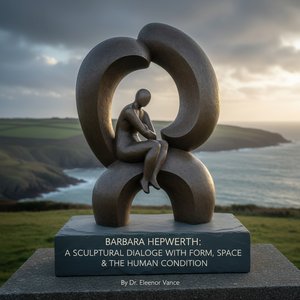
Barbara Hepworth: A Sculptural Dialogue with Form, Space & the Human Condition
Explore the profound world of Barbara Hepworth's sculpture. Discover her artistic evolution, iconic forms, and lasting influence on modern art. A guide for collectors & enthusiasts.

Top 10 Bronzových Sôch, ktoré Zmenili Umenie Navždy | OriginalUniqueArt
Objavte top 10 legendárnych bronzových sôch, ktoré zmenili umenie! Michelangelo, Rodin a ďalší majstri. História, techniky a nadčasová krása pre váš interiér. Reprodukcie múzejnej kvality na OriginalUniqueArt.com
The Enduring Legacy of Bronze: History, Technique & Artistic Expression for the Collector
Explore the rich history & enduring appeal of bronze sculpture with expert insights for collectors at OriginalUniqueArt. Learn about casting techniques, iconic artists, and collecting tips.


