 Náhľad
 Odoslať
 Zdieľať
 Podrobnosti o dielo

 Stiahnuť
 Podobné diela
 RTG skúška
 Prezentácia
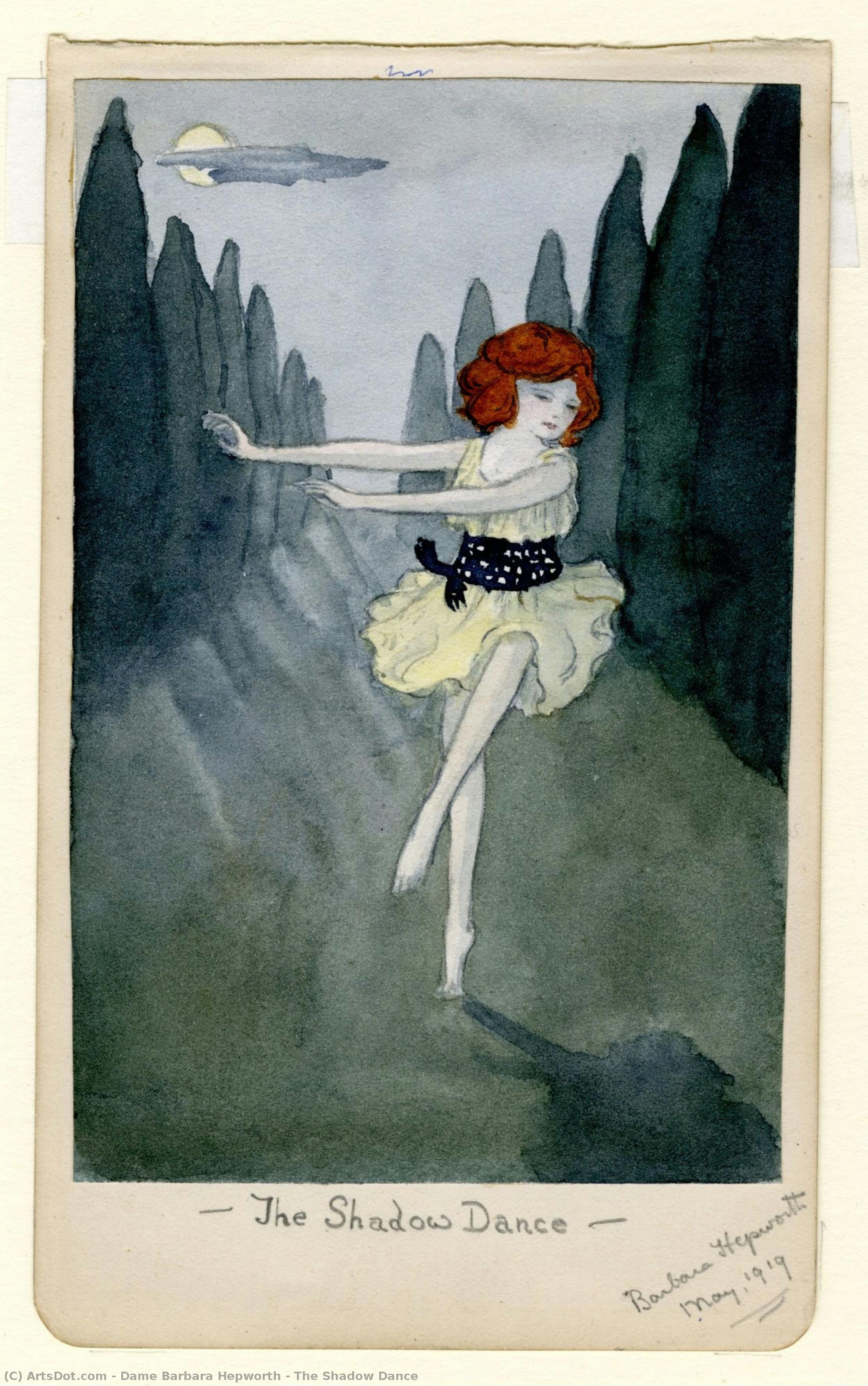
Tá tienová tanec
 Akryl na plátne
- WallArt
- Modern Sculpture
 1919
1919 13.0 x 8.0 cm
 The Hepworth Wakefield
 Zobraziť viac
Ručne maľovaná olejová reprodukcia
Ručne maľovaný olej na plátne vo vašej zvolenej veľkosti a v ráme, vyrobený na mieru našimi umelcami. ( Kúpiť tlač Kúpiť obrázok)




P118B $10

P118H $10

P118W $10

P438Z $10

P508JH $12

P508YH $12

P805H $10

P805Z $10

P919BZ $10

P919G $10

P919XJ $10

P959ZH $10

P968JZ $12

W106C $8

W218G $10

W218JH $8

W218Y $10

W307PJ $10

W316G $10

W316PJ $8

W316Y $10

W398PJ $8

W4111J $10

W500HY $15

W500JH $15

W692G $12

W849H $8

W940BG $15

W953PJ $8




Vyberte si z našich preddefinovaných rozmerov, ktoré zodpovedajú pôvodným pomeroḿ diela.

Môžete zadať vlastné rozmery tak, aby sa hodili do konkrétneho rámu alebo priestoru. Ak sa váš zvolený rozmer nezhoduje s pôvodnými proporciami obrazu, dielo buď orezáme, alebo ho doplníme ručne maľovanými prvkami. Pred začiatkom výroby vám zašleme digitálny náhľad na schválenie.
Upozorňujeme, že ukážka na obrazovke neodráža skutočné orezanie alebo doplnenie. Skutočnú finálnu kompozíciu zobrazuje iba digitálny náhľad.
Hoci sú k dispozícii vlastné rozmery, odporúčame vybrať rozmer z preddefinovaného zoznamu, aby sme zachovali pôvodné proporcie.
Po odoslaní objednávky vám tím OriginalUniqueArt.com pošle e-mail s pokynmi a poskytne náhľad na návrh.
Celosvetová doprava () za 3 až 4 týždne namiesto štandardných 5 týždňov. (20 august). Bez kompromisov v kvalite.

Bezplatná expresná doprava po celom svete

Prémiové lnianske plátno

Kompletné poistenie prepravy

Záruka vrátenia colného poplatku

Záruka presného farebného zhodnutia

60-dňá politika vrátenia (iba pri defektoch)

100% záruka vrátenia peňazí

Výhodná množstevná zľava
 Možnosť skla je dostupná len pri rozmeroch pod 110 cm

Tá tienová tanec
Technika reprodukcie
Veľkosť reprodukcie
-


Celková cena za vybrané možnosti
$ 300
Popis diela
Barbara Hepworth: The Shadow Dance – A Meditation on Form and Moonlight
Barbara Hepworth’s “The Shadow Dance,” completed in 1919, transcends mere visual representation; it embodies the spirit of early modernist sculpture and invites contemplation on themes of movement, stillness, and the ethereal beauty of moonlight. Executed in watercolour and ink on paper, this piece showcases Hepworth's signature approach – prioritizing geometric abstraction over naturalistic depiction—a bold departure from prevailing artistic conventions of the time.Style and Technique: Embracing Minimalism
Hepworth’s style aligns perfectly with the tenets of abstraction-création, a movement she co-founded alongside Benjamin de Burca and Paul Nash. The artwork eschews detailed rendering, opting instead for simplified forms—primarily curvilinear shapes—that suggest fluidity and rhythm without explicitly illustrating any discernible dance gesture. Precise hatching techniques contribute to textural depth, subtly hinting at the interplay of light and shadow characteristic of nocturnal landscapes. This deliberate restraint serves not to diminish visual impact but rather to heighten its contemplative quality.Historical Context: The Dawn of Modern Sculpture
“The Shadow Dance” emerged during a pivotal period in artistic history—the formative years of modern sculpture—where artists like Hepworth were actively experimenting with new materials and conceptual frameworks. Influenced by Bauhaus principles and the burgeoning interest in geometric abstraction, Hepworth’s work reflects a broader cultural shift away from representational art toward explorations of pure form and its expressive potential. The piece stands as testament to the courage required to challenge established artistic norms and forge paths towards innovative aesthetic vocabularies.Symbolism: Moonlight's Influence on Perception
The depiction of moonlight—a recurring motif in Hepworth’s oeuvre—holds profound symbolic significance. Light, traditionally associated with illumination and clarity, is juxtaposed against darkness, representing mystery and subconsciousness. The curvilinear shapes within “The Shadow Dance” mirror the undulating contours of lunar surfaces, suggesting an invitation to perceive reality beyond superficial appearances. This deliberate layering of visual elements encourages viewers to engage in a dialogue with their own emotions and intuitions—a hallmark of modernist art’s enduring legacy.Emotional Impact: A Quiet Resonance
Despite its minimalist aesthetic, “The Shadow Dance” possesses a remarkable emotional resonance. The artwork evokes feelings of serenity, contemplation, and wonder—capturing the sublime beauty of nature under moonlight's spell. Hepworth’s masterful use of watercolour and ink creates an atmosphere of understated elegance, inviting viewers to immerse themselves in a sensory experience that transcends mere visual observation. It remains a poignant reminder of art’s capacity to communicate profound truths about human existence without resorting to explicit narrative or emotional pronouncements.Biografia umelca
Barbara Hepworth: Pioneer of Organic Abstraction
Barbara Hepworth (1903–1975) stands as one of the most influential figures in British sculpture of the 20th century, a sculptor whose uncompromising vision reshaped artistic conventions and cemented her place among the vanguard of modernist art. Born Jocelyn Barbara Hepworth in Wakefield, Yorkshire, she possessed an innate fascination for form and texture from childhood—a passion that would propel her to become a celebrated artist who defied traditional representational approaches.- Early Life and Education: Hepworth’s formative years were marked by a profound connection to the Yorkshire landscape. Her father, Herbert Hepworth, was a civil engineer for the West Riding County Council, fostering in her a keen appreciation for geometric precision alongside an early sensitivity to natural forms. She attended Wakefield Girls' High School where she excelled academically and musically—receiving music prizes at the age of twelve—and subsequently secured a prestigious scholarship to Leeds School of Art in 1920. It was there that she encountered Henry Moore, forging a lifelong friendship characterized by mutual respect and artistic rivalry.
- Royal College of Art Years: In 1921 Hepworth enrolled at the Royal College of Art in London, where she honed her sculptural skills under the tutelage of Lucie Rie and Edgar Chadwick. Her studies focused on exploring abstraction, influenced by movements like Surrealism and Cubism—particularly the pioneering work of Picasso and Braque—and establishing herself as a key contributor to the burgeoning British avant-garde.
- Marriage and Early Career: Hepworth married John Skeaping in 1925, forming a collaborative partnership that would shape her artistic trajectory. Together they embraced “direct carving”—a technique prioritizing tactile engagement with raw materials—and championed the exploration of geometric forms devoid of illusionistic representation. Their shared studio at Hampstead became a crucible for experimentation and innovation, fostering connections with fellow artists like Ben Nicholson and William Moore.
- Collaboration with Ben Nicholson: Hepworth’s relationship with Ben Nicholson blossomed in 1931, resulting in a marriage that lasted until 1933. Their partnership was marked by intellectual exchange and artistic synergy—particularly during the Second World War when they relocated to St Ives, Cornwall—where Hepworth continued to develop her distinctive sculptural style.
- Mature Style and Legacy: Hepworth’s mature oeuvre is defined by a masterful manipulation of form and space, reflecting her deep engagement with the natural world. She favored materials like bronze, alabaster, slate and stone—often employing techniques that emphasized textural contrasts and subtle shifts in perspective. Her sculptures—such as *Oval Form*, *Two Forms* and *Totem*—are celebrated for their elegance, simplicity and profound emotional resonance. Hepworth’s work profoundly impacted subsequent generations of sculptors and cemented her reputation as a visionary artist who championed the expressive potential of abstraction.
Notable Works and Exhibitions
Hepworth's artistic journey culminated in numerous prestigious commissions and exhibitions that solidified her position as one of Britain’s foremost sculptors. Her monumental sculpture *Winged Figure*, commissioned by John Lewis for their Oxford Street flagship store, stands as a testament to her ambition and technical prowess—a striking example of organic abstraction achieved on an unprecedented scale. Furthermore, Hepworth's sculptures are prominently featured in collections worldwide, including the Tate Modern in London and the Guggenheim Museum Bilbao. Her enduring influence continues to inspire artists today.Influence and Artistic Philosophy
Hepworth’s artistic philosophy centered around a belief that sculpture should communicate emotion and experience—rather than merely replicating visual reality. She drew inspiration from both Eastern and Western art traditions, particularly Japanese Zen Buddhism—which emphasized contemplation and the pursuit of inner harmony—and the pioneering work of Piet Mondrian—who championed geometric abstraction as a pathway to spiritual enlightenment.The Hepworth Wakefield
Today, The Hepworth Wakefield houses an impressive collection of Hepworth’s sculptures—a vibrant celebration of her artistic legacy. Visitors can immerse themselves in the artist's groundbreaking explorations of form and texture, gaining insight into the creative process that shaped her iconic masterpieces.
Barbara Hepworthová
1903 - 1975 , Spojené kráľovskosti
Základné informácie
- Artistic Movement Or Style: Modernizmus
- Artists Or Movements Influenced By This Artist: ['Unit One']
- Artists Who Influenced This Artist: ['Henry Moore']
- Date Of Birth: 10 január 1903
- Full Name: Jocelyn Barbara Hepworth
- Nationality: Anglická
- Notable Artworks:
- Oval Form
- Two Forms
- Totem
- Place Of Birth: Wakefield, Veľké Uhrádza
Súvisiace články
Barbara Hepworth: A Sculptural Dialogue with Form, Space & the Human Condition
Explore the profound world of Barbara Hepworth's sculpture. Discover her artistic evolution, iconic forms, and lasting influence on modern art. A guide for collectors & enthusiasts.

Top 10 legendárnych vodafarieb, ktoré zmenili svet umenia | OriginalUniqueArt.com
Objavte top 10 legendárnych vodafarieb od Turner, Homer a ďalších majstrov! História umenia, techniky a inšpirácia pre váš interiér. Reprodukcie obrazov na OriginalUniqueArt.com – kvalita múzejnej úrovne.

Ephemeral Visions: Exploring the Artistic Legacy & Contemporary Practice of Watercolor Painting
Explore the captivating world of watercolor painting! Discover its rich history, essential techniques, influential artists & collecting tips. A comprehensive guide for art enthusiasts from OriginalUniqueArt.

Ephemeral Visions: Exploring the History & Emotional Resonance of Watercolor Painting
Explore the captivating history of watercolor painting, from ancient techniques to modern masters like Kandinsky & Blake. Discover essential artists, collecting tips & the emotional power of this luminous medium. Expert insights for art enthusiasts.

Top 10 Bronzových Sôch, ktoré Zmenili Umenie Navždy | OriginalUniqueArt
Objavte top 10 legendárnych bronzových sôch, ktoré zmenili umenie! Michelangelo, Rodin a ďalší majstri. História, techniky a nadčasová krása pre váš interiér. Reprodukcie múzejnej kvality na OriginalUniqueArt.com