
 Náhľad
 Odoslať
 Zdieľať
 Podrobnosti o dielo

 Stiahnuť
 Podobné diela
 RTG skúška
 Prezentácia
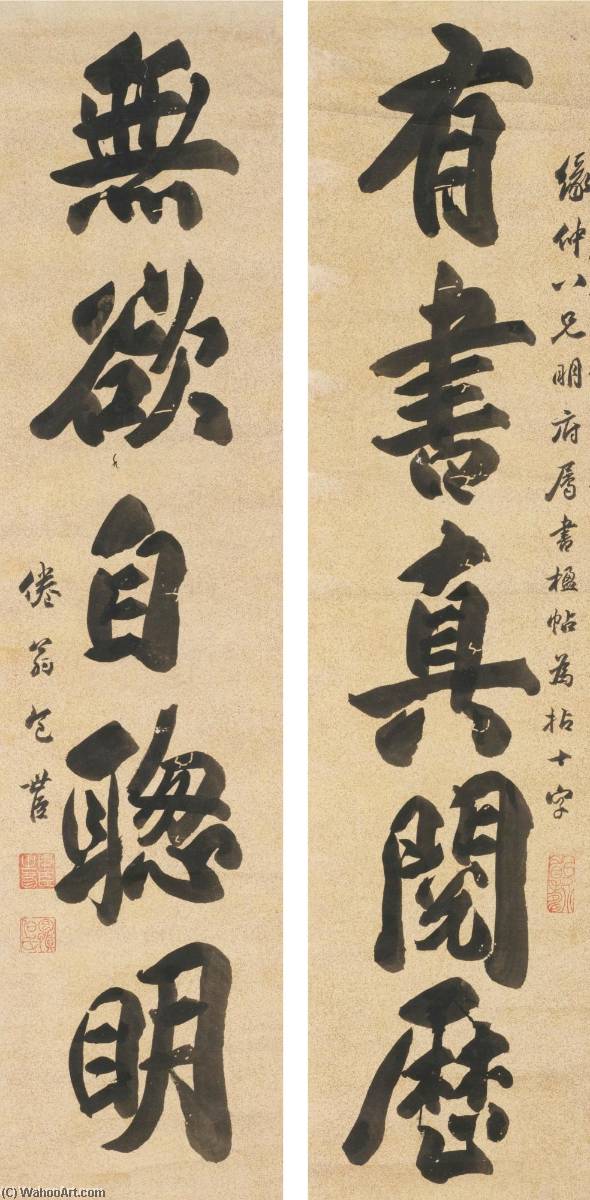
COUPLET IN RUNNING SCRIPT
 156.0 x 39.0 cm
 Zobraziť viac
Giclée / Umenotlač
Giclée tlač alebo plátno múzeálnej kvality s rýchlou výrobou a flexibilnými možnosťami povrchovej úpravy. ( Kúpiť ručne maľovaný obraz Kúpiť obrázok)




































Vyberte si z našich preddefinovaných rozmerov, ktoré zodpovedajú pôvodným pomeroḿ diela.

Môžete zadať vlastné rozmery, aby sa reprodukcia prispôsobila konkrétnemu rámu alebo priestoru. Ak zvolená veľkosť nebude zodpovedať proporciám originálu, dielo buď orežeme, alebo obraz rozšírime pomocou zrkadlenia či farebného doplnenia okrajov. Pred začatím výroby vám pošleme digitálnu ukážku na schválenie.
Máte na vedomí, že náhľad na obrazovke neodzrkadľuje skutočné orezanie alebo rozšírenie. Len digitálna ukážka presne zobrazí finálnu kompozíciu.
Hoci sú k dispozícii vlastné rozmery, pre zachovanie pôvodných proporcií odporúčame vybrať si rozmer z vopred definovaného zoznamu.
Celosvetová doprava () do 2 týždňov namiesto štandardných 4/5 týždňov. (30 august)

Bezplatná expresná doprava po celom svete

Prémiové lnianske plátno

Kompletné poistenie prepravy

Záruka vrátenia colného poplatku

Záruka presného farebného zhodnutia

60-dňá politika vrátenia (iba pri defektoch)

100% záruka vrátenia peňazí

Výhodná množstevná zľava
 Možnosť skla je dostupná len pri rozmeroch pod 110 cm

COUPLET IN RUNNING SCRIPT
Giclée / Umenotlač
Veľkosť reprodukcie
-


Celková cena za vybrané možnosti
$ 80
Biografia umelca
The Scholar of Resilience: The Life and Legacy of Bao Shichen
In the turbulent landscape of late Qing Dynasty China, few figures embodied the spirit of intellectual perseverance as profoundly as Bao Shichen (1775–1855). Born into a modest Confucian family in Jiangsu Province, Bao’s life was a testament to the struggle between personal ambition and the rigid structures of imperial society. Though he faced the heartbreak of repeated failures within the grueling imperial examination system—thirteen times denied the prestigious jinshi degree—this very hardship forged a scholar whose vision extended far beyond the halls of government bureaucracy. His early years, shaped by the discipline of his father, a low-ranking officer in the Green Standard Army, instilled in him a unique blend of martial stoicism and scholarly depth, creating a man who was as much a reformer of statecraft as he was a master of the brush.
Bao’s intellectual journey was deeply rooted in the pragmatic traditions of statecraft scholarship. Influenced by the transformative teachings of thinkers like Hong Liangji, Bao sought to address the pressing socio-political crises of his era, ranging from military reform to agricultural improvement. His writings were not merely academic exercises but urgent calls for national rejuvenation. This commitment to real-world utility mirrored his approach to art; just as he believed in reforming the political fabric of China, he sought to revitalize the aesthetic traditions of Chinese calligraphy. He became a leading voice in advocating for the bold, vigorous styles found in the ancient stone monuments of the Six Dynasties period, famously articulating these ideals in his influential treatise, Paired Oars for the Boat of Art.
A Mastery of Line and Spirit
To observe a work by Bao Shichen is to witness a profound dialogue between ink and intention. While he was a versatile creator whose output included landscapes, birds, and flowers, his true soul resided in the rhythmic dance of calligraphy. He moved with mastery through various scripts, most notably the running script (xingshu), where he achieved a balance of elegance and structural precision. His technique was heavily informed by the Wei style, characterized by its strength and architectural integrity, yet he possessed the ability to infuse his characters with an informal, fluid grace reminiscent of classical brush-written models (tie).
His artistic achievements often blended text and image into a singular, emotive experience. In works such as Two Riders, the calligraphy does not merely sit upon the silk; it dominates the composition, serving as both a visual element and a philosophical commentary. Through his inscriptions, Bao explored themes of ambition, contentment, and the transient nature of worldly pursuits. His ability to use simple ink lines and washes to evoke complex emotional landscapes allowed him to communicate the interconnectedness of nature and human morality—a core tenet of his Confucian worldview.
Historical Significance and Enduring Influence
The historical weight of Bao Shichen’s life is felt in both his political advocacy and his aesthetic contributions. As a scholar-official who rose through merit and connection despite the obstacles of the examination system, he represented a bridge between the traditional literati class and the emerging need for practical reform. His death in 1855, while fleeing the chaos of the Taiping Rebellion, marked the end of a life lived in constant pursuit of stability and excellence amidst profound national upheaval.
Bao’s legacy survives through several vital channels:
- Calligraphic Innovation: By championing the bei style of stone inscriptions, he helped shift the trajectory of Chinese calligraphy, inspiring subsequent generations to value strength and antiquity over mere decorative smoothness.
- Intellectual Reform: His contributions to the discourse on military, legal, and economic reforms provided a blueprint for the pragmatic scholarship that sought to navigate China's transition into the modern era.
- Preservation of Tradition: Through the diligent work of his son, Bao Cheng, who published many of his father’s works, Bao Shichen’s philosophical and artistic insights were preserved for posterity, ensuring his voice remained a part of the Chinese cultural canon.
Today, the works of Bao Shichen stand as more than mere artifacts of the Qing Dynasty; they are windows into a mind that refused to be defeated by circumstance. His art remains a powerful reminder that true mastery is found in the intersection of disciplined technique and an unyielding commitment to one's principles.

bao shichen
1775 - 1855
Základné informácie
- Artistic Movement Or Style: Jinshi Scholarship
- Artists Or Movements Influenced By This Artist: ['Wei Style']
- Artists Who Influenced This Artist: ['Hong Liangji']
- Date Of Death: 1855
- Full Name: Bao Shichen
- Nationality: Chinese
- Notable Artworks:
- Two Riders
- Calligraphy Couplet in Xingshu
- Preface of the Orchid Pavilion
- Place Of Birth: China

