
 Náhľad v interiéri
 Odoslať ako digitálnu kartu
 Zdieľať
 Podrobnosti o dielo
 Príručka

 Stiahnuť obraz
 Podobné položky
 RTG skúška
 Prehliadanie diapozoje
 Otázky a odpovede
 Štatistiky
Fruits and Shells on a Ledge

- 37.0 x 51.0 cm


 Zobraziť viac
Giclée / Umenotlač
Giclée tlač alebo plátno múzeálnej kvality s rýchlou výrobou a rôznymi možnosťami povrchovej úpravy. ( Kúpiť ručne maľovaný obraz Prepnúť na digitálny obraz)




P118B €10

P118H €10

P118W €10

P438Z €10

P508JH €12

P508YH €12

P805H €10

P805Z €10

P919BZ €10

P919G €10

P919XJ €10

P959ZH €10

P968JZ €12

W106C €8

W218G €10

W218JH €8

W218Y €10

W307PJ €10

W316G €10

W316PJ €8

W316Y €10

W398PJ €8

W4111J €10

W500HY €15

W500JH €15

W692G €12

W849H €8

W940BG €15

W953PJ €8




Vyberte si z našich preddefinovaných rozmerov, ktoré zodpovedajú pôvodným pomeroḿ diela.

Zadajte šírku a výšku, ktoré potrebujete, aby sa reprodukcia hodila k vášmu rámu alebo stene. Print možno len orezávať, nikdy však nemennú veľkosť zvětšiť oproti pôvodnému obrázku, preto pri inom formáte stráca časť obrazu. Pred samotným vytlačiacím procesom vám pošleme digitálny náhľad na schválenie. Obrázok zobrazený na tejto stránke nezobrazuje reálny rez — len digitálny náhľad ukazuje presný výsledok.
Celosvetová doprava () do 2 týždňov namiesto štandardných 4 až 5 týždňov. (9 november)

Bezplatná expresná doprava po celom svete

Vysokokvalitné lnianske plátno

Kompletné poistenie prepravy

Záruka vrátenia colného poplatku

Záruka presného farebného zhodnutia

100-dená politika vrátenia tovaru (iba pri vadách)

100% záruka vrátenia peňazí

Zľava pri väčšom množstve
 Možnosť skla je dostupná len pri rozmeroch pod 110 cm

Fruits and Shells on a Ledge
Giclée / Umenotlač
Veľkosť reprodukcie
-


Celková cena
€ 72
A Microcosm of Abundance: The Luminous World of Balthasar van der Ast
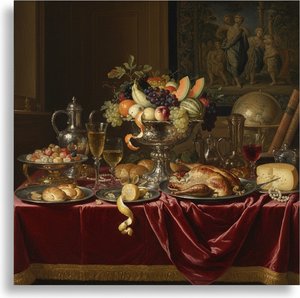
To gaze upon Balthasar van der Ast’s “Fruits and Shells on a Ledge” is to step through a portal into the heart of the Dutch Golden Age. Painted around 1630, this masterpiece is far more than a mere arrangement of inanimate objects; it is a meticulously orchestrated symphony of texture, light, and life. The canvas presents an opulent assembly of nature’s finest offerings—plump apples, vibrant oranges, deep plums, and the exotic curve of bananas—resting alongside a collection of seashells that whisper of distant, sun-drenched shores. Through his unparalleled skill, van der Ast transforms a simple stone ledge into a stage where the natural world performs its silent, breathtaking drama.
The painting serves as a profound reflection of the 17th-century Dutch spirit, an era defined by scientific curiosity and burgeoning global connections. During this period, the reach of the Dutch East India Company brought treasures from far-flung corners of the earth to the ports of Zeeland and beyond. The inclusion of exotic shells and tropical fruits was not merely a display of wealth, but a celebration of discovery and the expanding horizons of the human experience. Yet, amidst this display of prosperity, there is a poignant layer of vanitas—a subtle reminder of the fleeting nature of existence. As tiny insects buzz around the ripening fruit, the artist invites us to contemplate the delicate balance between the permanence of art and the ephemeral beauty of life itself.
Mastery of Light and Tactile Realism
What distinguishes this work for the discerning collector is van der Ast’s extraordinary command over technique. He employs a method of painstaking oil layering and subtle glazing that grants the surface an almost tactile luminosity. One can almost feel the cool, smooth skin of the apples, the rough, calcified ridges of the seashells, and the delicate, velvety softness of the single rose blossom that balances the composition. The artist utilizes atmospheric perspective to create a sense of profound depth, subtly shifting tones to pull the viewer into the scene, making the ledge appear as though it projects physically into our own space.
The lighting is equally masterful, emanating from an unseen source on the left to cast soft, defining shadows that sculpt each object with precision. This interplay of light and shadow creates a rhythmic movement across the canvas, guiding the eye from the dense, colorful cluster of fruit on the left toward the more tranquil, open space on the right. For those seeking to incorporate such a piece into a curated interior, its muted palette of greens, ochres, and deep reds offers a sophisticated anchor, providing both a sense of historical gravity and a timeless aesthetic elegance that complements both classical and contemporary decor.
An Invitation to Contemplation
Beyond its technical brilliance, “Fruits and Shells on a Ledge” possesses an emotional resonance that transcends centuries. It evokes a sense of quietude and reverence for the natural order. There is no overt narrative or loud drama; instead, there is a meditative stillness that encourages the viewer to slow down and observe the intricate details of the universe. Whether viewed as a celebration of botanical beauty or a philosophical meditation on time, the painting remains an enduring icon of Dutch excellence.
For art lovers and interior designers alike, owning a high-quality reproduction of this work means bringing more than just decoration into a room; it means inviting a piece of history, a sense of abundance, and a profound moment of reflection into the everyday environment. It is a testament to the idea that true beauty lies in the meticulous observation of the world around us.
Otázky a odpovede
Kde si môžem kúpiť digitálnu podobu diela „Fruits and Shells on a Ledge“ od Balthasar Van Der Ast?
Ak si chcete kúpiť digitálnu verziu diela „Fruits and Shells on a Ledge“ od Balthasar Van Der Ast, objednajte si stiahnutie digitálneho obrázka vo vysokom rozlíšení na jeho stránke Digitálna fotografia.
Ako sa v díle „Fruits and Shells on a Ledge“ spájajú kontrast a harmónia?
V diele „Fruits and Shells on a Ledge“ sa Serene kontrast spája s Softly Mixed Palette harmóniou.
Aká je dominantná farba diela „Fruits and Shells on a Ledge“ od Balthasar Van Der Ast?
Dominantnou farbou diela „Fruits and Shells on a Ledge“ od Balthasar Van Der Ast je Gray (#67655c).
Biografia umelca
Majster miniatúrneho vesmíru: Balthasar van der Ast
V zlatistom svetle holandského siedemnasteho storočia, éry definovanej bezprecedentným prosperitou a vedeckou zvedavosťou, sa Balthasar van der Ast vynikul ako virtuóz malých majstrovských diel. Narodený v Middelburgu okolo roku 1593, van der Ast nemal za cieľ len jednoduché zobrazovanie predmetov; on na plátne aranžoval tiché dramá.Jeho život bol hlboko prepletený s rozkvitajúcou obchodnou kultúrou Zeelandu, keďže bol synom prosperujúceho obchodníka s vlnou, Hansa van der Asta. Toto prostredie mu prinieslo viac než len sociálnu stabilitu; ponúklo mu ranú intimitu s exotickým tovarom a vzácnymi exemplármi, ktoré sa neskôr stali hlavnými hrdinami jeho oslavovaných záložných obrazov.
Trajektóriu jeho umeleckej duše nevratne formovalo jeho spojenie s dynastiou Bosschaertovcov. Prostredníctvom rodinného puta sa van der Ast stal chránencom legendárneho Ambrosia Bosschaerta Staršieho, svojho otčimba. Pod touto výučbou si osvojil meticulnú presnosť potrebnú pre „kvetinové štúdio“, žáner, ktorý si vyžadoval takmer mikroskopickú úroveň pozorovania. Táto línia excelencie mu umožnila doladiť techniku vyznačujúcu sa jemnými tónovými prechodmi a hlbokým rešpektom k fyzickej textúre prírody. V tejto honbe za dokonalosť nebol sám; spolu so svojimi švagachmi pomáhal kultivovať štylistický pohyb, ktorý uprednostňoval jemnú hru svetla a tieňa, čím menil jednoduché botanické štúdie na hlboké meditácie o existencii.
Symfónia mušľ a flóry
Zatiaľ čo mnohí jeho súčasníci sa sústredili výhradne na pomíjavú krásu kvetov, van der Ast dosiahol historickú nesmrteľnosť prostredníctvom svojich pionierskych skúmaní v oblasti konchológie. Stal sa průkopníkom maľovania mušľ, pričom sa k kalcifikovaným pozostatkom morských tvorov vzdával s rovnakou úctou ako k najjemnejšom okvetiu. V díloch ako napríklad „Záložný obraz s príčkami, čerešňami a mušľami“ môžeme svedčiť o dychberúcom spojení rôznych textúr: šťavnatej, polotransparentnej pokožke ovocia v kontraste s tvrdými, perleťovými povrchmi exotických mušľ. Táto fascinácia nebola len estetická; odrážala rastúci vedecký záujem éry o prírodnú históriu a globálny dosah holandského námorného obchodu.
Jeho kompozície často plnili oveľa väčšiu funkciu než len prosté vystavenie bohatstva alebo botanickej presnosti. Pozrieť sa zblízka na van der Astov obraz znamená vstúpiť do komplexnej siete symboliky zakorenenej v humanistickej filozofii. V jeho aranžmánach možno nájsť:
- Pomíjavosť života: Zastavujúcu sa prostredníctvom chradnúceho okvetia alebo hmyzu, ktorý konzumuje samotnú krásu, v ktorej žije.
- Vedecké pozorovanie: Meticulousné zaznamenávanie druhov, ktoré odráža Éru objavov a túžbu tej doby po poznaní.
- Témy Vanitas: Jemné pripomienky smrti, kde rozklad ovocia slúži ako výrazné memento mori.
Odkaz a umelecký význam
Vplyv Balthasara van der Asta presiahol daleko za jeho vlastné štúdio v Utrechte. Privítaním umelcov ako Roelandt Savery do miestneho cechu pomohol vytvoriť prostredie, v ktorom mohli prosperovať tónovanie a realizmus. Jeho schopnosť vnútiť neživým predmetom pocit života – čo vidíme v jeho zobrazeniach jašteríc a hmyzu plaziacho sa medzi ovocím – nastavila nový štandard pre holandský Zlatý vek. Žáner záložného obrazu posunul od statických zostáv smerom k dynamickejmu, dýchajúcemu reálnemu svetu.
Dnes sú jeho diela základnými kameňmi múzeálnych zbierok po celom svete, od British Museum až po veľkolepé galérie Európy. Jeho odkaz nájdeme v každom ťahu štetca, ktorý zachytáva kvapku rosy na liste alebo dúhový lesk mušľovej krity. Balthasar van der Ast zostáva titánom Stilleven, umelcom, ktorý naučil svet nachádzať nekonečno v tom, čo je nekonečne malé, a ktorý transformoval skromné predmety prírodného sveta na večné ikony krásy.

Balthasar Van Der Ast
1593 - 1657 , Holandsko
Základné informácie
- Artistic Movement Or Style: Zlatá éra holandského malířstva
- Artists Or Movements Influenced By This Artist: Holandský barok
- Artists Who Influenced This Artist: Ambrosius Bosschaert
- Date Of Birth: 1593
- Date Of Death: 1657
- Full Name: Balthasar van der Ast
- Nationality: Holandský
- Notable Artworks:
- Ovocie a mušle na ramesene
- Tulipán
- Jašterica a mušľa
- Place Of Birth: Middelburg, Holandsko
Súvisiace články
Abraham Hendricksz van Beyeren: Pioneering Dutch Still Life & the Banquet Tradition
Explore the captivating world of Dutch Golden Age still life with Abraham van Beyeren. Discover his innovative techniques, symbolic banquet scenes & lasting influence on art history. Learn about collecting these masterpieces.

Golden Light & Dutch Skies: The Timeless Magic of Dutch Golden Age Landscapes
Discover the breathtaking beauty of Dutch Golden Age landscapes. Explore the mastery of light, chiaroscuro, and 17th-century realism through an expert art history lens, celebrating the enduring legacy of the Dutch Masters for discerning collectors and art lovers.

Rembrandt van Rijn: Top 25 Majstrovských Diel pre Váš Domov | OriginalUniqueArt
Ponorte sa do sveta Rembrandta van Rijna s OriginalUniqueArt.com! Objavte 25 majstrovských diel holandského baroka, portrétov a ikonických obrazov plných svetla a tieňa. Kúpiť kvalitné reprodukcie pre váš interiér. Preskúmajte celú kolekciu online!

Golden Age Reflections: Dutch Baroque Painting & Cultural Innovation
Explore the Dutch Golden Age of painting! Discover key artists like Vermeer & ter Borch, their innovative techniques, and the rich cultural context behind these Baroque masterpieces. Learn about collecting & appreciating this iconic art period.

Top 10 majstrovských diel holandskej Zlatej éry: Umění pre váš domov s OriginalUniqueArt.com
Ponorte sa do sveta holandskej Zlatej éry s OriginalUniqueArt.com! Objavte príbehy Rembrandta, Vermeera a ďalších majstrov baroka. Reprodukcie obrazov pre váš domov – inšpirujte sa nadčasnými dielami. Preskúmajte kolekciu online!