

 Odoslať
 Zdieľať
 Podrobnosti
 Príručka

 Stiahnuť
 Podobné položky
 Prehliadanie diapo\]
 Štatistiky
Madame Sabatier


 Prečítať si viac
Ručne maľovaná olejová reprodukcia
Ručne maľovaný olej na plátne vo vašej zvolenej veľkosti a v ráme, vyrobený na mieru našimi umelcami. ( Prepnúť na tlač Prepnúť na digitálnu verziu obrazu)




































Vyberte si z našich preddefinovaných rozmerov, ktoré zodpovedajú pôvodným pomeroḿ diela.

Zadajte šírku a výšku, ktoré potrebujete, aby sa dielo hodilo k vášmu rámu alebo stene. Keďže ide o ručnú maľbu, pri rozmeroch s odlišným pomerom strán môže umelec namalovať o niečo viac okolo obrázka alebo ho mierne orezatú — výber patrí vám. Pred začatím maľovania vám pošleme digitálnu ukážku na schválenie. Obrázok zobrazený na tejto stránke nenahrádza reálny výsledok — ten zobrazuje iba digitálna ukážka.
Po odoslaní objednávky vám tím OriginalUniqueArt.com pošle e-mail s pokynmi a poskytne náhľad na návrh
Celosvetová doprava () za 3 až 4 týždne namiesto štandardných 5 týždňov. (21 október). Bez kompromisov v kvalite.

Bezplatná expresná doprava po celom svete

Vysokokvalitné lnianske plátno

Úplné poistenie prepravy

Záruka vrátenia colného poplatku

Záruka presného farebného zhodnutia

100-dená politika vrátenia tovaru (iba pri vadách)

100% záruka vrátenia peňazí

Ponuka množstevnej zľavy
 Možnosť skla je dostupná len pri rozmeroch pod 110 cm

Madame Sabatier
Spôsob reprodukcie
Veľkosť reprodukcie
-


Celková cena
€ 262
The Serene Gaze of Madame Sabatier
To stand before the likeness of Madame Sabatier is to encounter a moment suspended in time—a breath held between classical grace and quiet introspection. This marble bust, executed by Auguste Clésinger, transcends mere portraiture; it is an embodiment of refined elegance. The subject’s countenance, captured with such meticulous attention, invites the viewer into a world of serene contemplation. One cannot help but feel the weight of history settling upon those beautifully sculpted features, suggesting a life lived with dignity and profound inner grace.
Neoclassical Mastery in Marble
Clésinger’s handling of this piece firmly roots it within the Neoclassical tradition, an era that revered idealized human form and classical antiquity. Yet, while adhering to these established principles—the smooth, flowing lines defining the neck and brow, the balanced composition—he imbues the work with a palpable sense of life. Observe the interplay between the polished marble skin and the richly textured drapery cascading across her shoulders. The artist has achieved a remarkable illusion; the cold permanence of stone seems to whisper tales of soft fabric and living flesh. This technical brilliance is what makes reproductions so valuable, allowing modern admirers to connect with such masterful handling.
Symbolism and Emotional Resonance
The emotional core of Madame Sabatier lies in her gaze. It is direct, yet utterly unchallenging—a look that speaks volumes without uttering a single word. This quietude suggests not only personal refinement but perhaps a touch of melancholy, the beautiful ache of memory. The bust functions as a powerful symbol of enduring beauty and timeless femininity. For those decorating a space, this piece offers an immediate elevation of mood, introducing an atmosphere of cultured calm that anchors any room.
A Touch of 19th-Century Context
Created around 1847, this work emerges from a period where art was deeply engaged with the rediscovery and reinterpretation of classical ideals. While Clésinger’s career saw him incorporating elements of Realism alongside his Neoclassical foundation, Madame Sabatier remains a testament to his ability to capture idealized beauty within a highly skilled technical framework. Owning or displaying a reproduction of this bust is not merely acquiring art; it is curating a piece of 19th-century artistic dialogue, connecting the contemporary admirer directly to the salons and studios of Parisian masters.
Otázky a odpovede
Kde si môžem pozrieť náhľad diela „Madame Sabatier"?
Ak si chcete pozrieť náhľad reprodukcie diela „Madame Sabatier“ od Auguste Clésinger, otvorte stránku Náhľad daného diela.
Aký pocit vyvoláva „Madame Sabatier“ od Auguste Clésinger?
Zaznamenaná nálada diela „Madame Sabatier“ od Auguste Clésinger je Elegant a jeho emocionálny tón je Melancholic.
Kto je autorom diela "Madame Sabatier" a do ktorého smeru patrí?
Auguste Clésinger vytvoril/a „Madame Sabatier“ v rámci smeru Neoclassical Style.
Biografia umelca
Auguste Clésinger: Life and Legacy
Early Life and Training
- Born: October 22, 1814, in Besançon, France.
- Auguste Clésinger came from an artistic family; his father, Georges-Philippe Clésinger, was a sculptor who provided Auguste with his initial training.
- This early exposure instilled in him a foundational understanding of sculptural techniques and aesthetics.
Artistic Development and Style
- Clésinger’s artistic style evolved through the 19th century, initially embracing Neoclassical principles but gradually incorporating elements of Realism and Romanticism.
- He skillfully blended technical precision with emotional intensity in his works.
- His sculptures often depict dramatic narratives and sensuous figures, showcasing a mastery of anatomy and form.
Major Works and Achievements
- Woman Bitten by a Serpent (1847): This sculpture caused a sensation at the Paris Salon due to its dramatic realism and erotic undertones. It was modeled from life casts of Apollonie Sabatier.
- Madame Sabatier (1847): A marble portrait of his model, Apollonie Sabatier, further establishing Clésinger’s reputation for capturing beauty and sensuality.
- Chopin's Funerary Monument (1850): Commissioned after the composer Frédéric Chopin’s death, this white marble monument at Père Lachaise Cemetery is a poignant tribute to the musician.
- Angel of Grief: A deeply moving sculpture embodying Baroque drama and pathos.
- He also created busts of prominent figures like Rachel Félix and Théophile Gautier, and a statue of Louise of Savoy.
Influences and Relationships
- Influenced by: His father, Georges-Philippe Clésinger, provided his initial artistic foundation.
- Clésinger’s association with Apollonie Sabatier, a salonnière and mistress of several prominent artists including Charles Baudelaire, exposed him to intellectual and artistic circles.
- His marriage in 1847 to Solange Dudevant, daughter of George Sand, further connected him to literary society.
Historical Significance and Legacy
- Clésinger’s work reflects the artistic currents of 19th-century France, bridging Neoclassicism with emerging Realist tendencies.
- Recognition: He received the Knight's Cross of the Légion d'honneur in 1849 and was promoted to Officer in 1864.
- His sculptures continue to be admired for their technical skill, emotional depth, and dramatic impact. His works are displayed at prominent museums such as the Musée d’Orsay.
- Death: He died on January 5, 1883, in Paris, and is buried in Père Lachaise Cemetery.

Auguste Clésinger
1814 - 1883 , France
Rýchle fakty
- Birth Date: 1814-10-22
- Death Date: 1883-01-05
- Influenced: None, 'influenced by': 'Georges-Philippe Clésinger (father)', 'movement': ['Realism', 'Romanticism'], 'name': 'Auguste Clésinger', 'nationality': 'French', 'notable works': ['Woman Bitten by a Serpent', 'Angel of Grief', 'Madame Sabatier',
- Birth Place: Besançon, France
- Date Of Birth: 1814
- Date Of Death: 1883
- Place Of Birth: Besançon, France
Súvisiace články

Top 10 Bronzových Sôch, ktoré Zmenili Umenie Navždy | OriginalUniqueArt
Objavte top 10 legendárnych bronzových sôch, ktoré zmenili umenie! Michelangelo, Rodin a ďalší majstri. História, techniky a nadčasová krása pre váš interiér. Reprodukcie múzejnej kvality na OriginalUniqueArt.com

The Enduring Allure of Marble in Art History: From Classical Sculpture to Modern Abstraction
Explore the captivating history of marble sculpture from ancient Greece to modern art. Discover renowned artists like Canova & Michelangelo, carving techniques, and investment insights at OriginalUniqueArt.
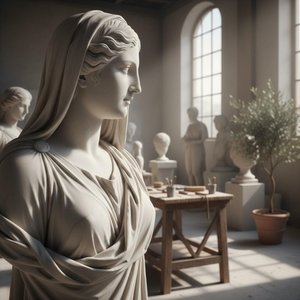
Timeless Elegance: A Complete Guide to the Sublime Beauty and Artistry of Marble Sculpture
Discover the sublime beauty of marble art through an expert exploration of Renaissance and Neoclassical masterpieces. From the delicate textures of Carpeaux to the grandeur of Sansovino, immerse yourself in a guide to timeless elegance and sculptural perfection.
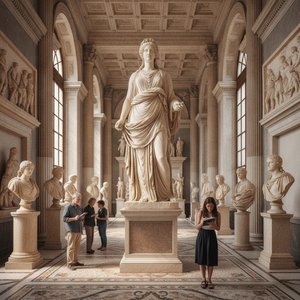
Timeless Grandeur: Exploring the Eternal Beauty and Art-Historical Legacy of Marble Sculpture
Explore the profound legacy of marble sculpture, from Classical antiquity to Neoclassical mastery. A definitive guide for elite collectors and designers seeking to integrate the luminous, eternal beauty of stone into sophisticated, high-end architectural spaces.
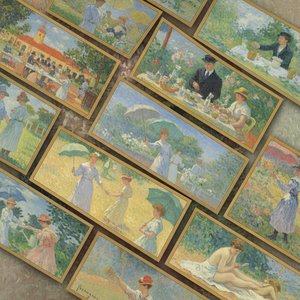
Pierre-Auguste Renoir: Top 25 diel pre milovníkov umenia a dokonalý domov | OriginalUniqueArt
Ponorte sa do sveta Pierra-Augusta Renoira! Objavte 25 ikonických obrazov impresionizmu, ich príbehy a techniky. Reprodukcie diel Renoira pre váš domov na OriginalUniqueArt.com – múzejná kvalita a inšpirácia pre interiér.